
The General Scott Apartments: A 1940 Deco Landmark on Scott Circle
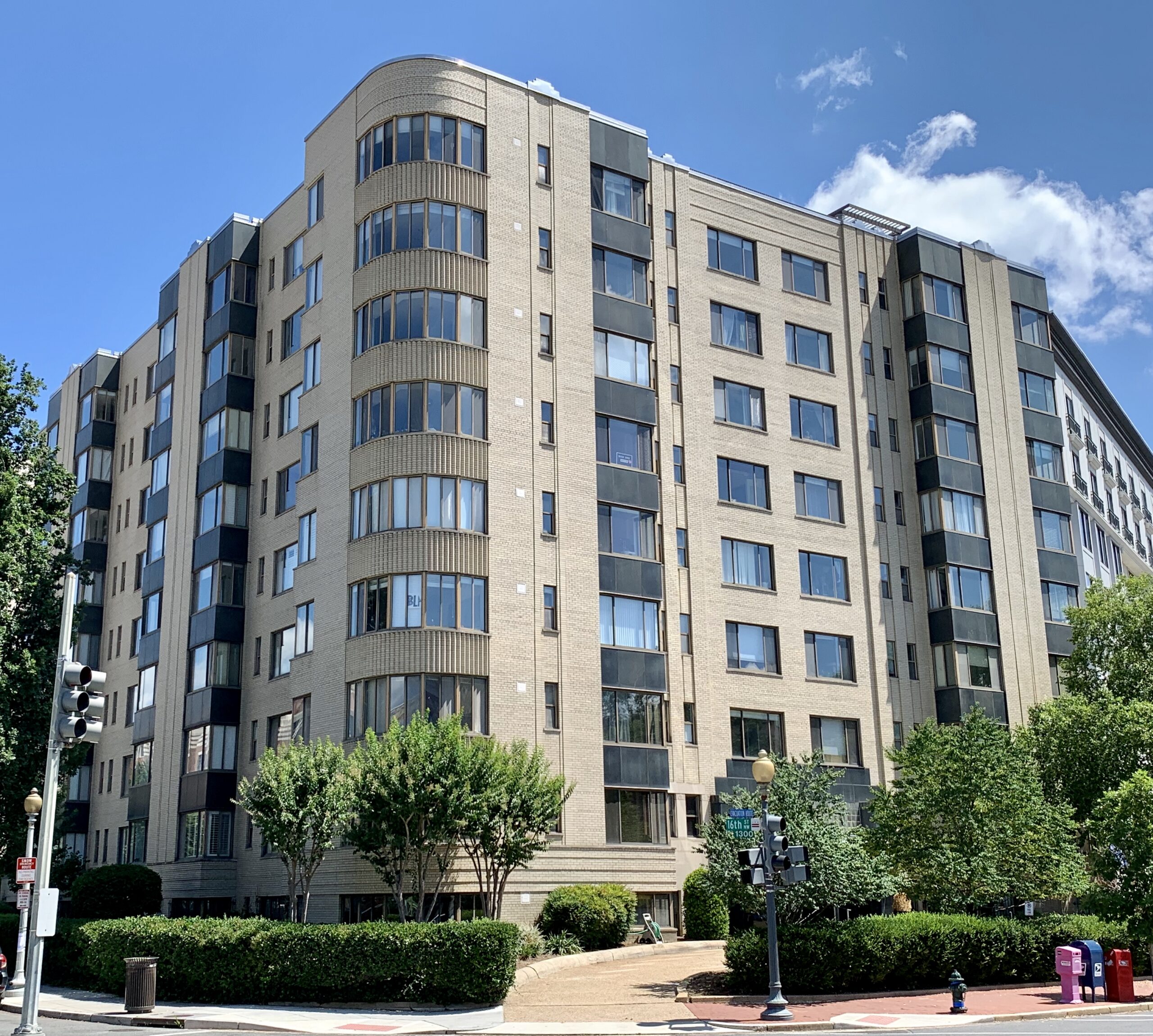
Robert O. Schultz’s 1940 General Scott Apartments at 1 Scott Circle NW, the mansions it replaced, the WPA underpass beneath, and the 1982 tenant buyout that saved it.
World War II reshaped Washington completely. The Pentagon rose across the river in just 16 months, the federal workforce exploded, and the city became the command center for the Allied war effort. Housing was impossibly scarce, rationing was everywhere, and Washington hummed with wartime urgency from 1941 to 1945.
Robert O. Schultz’s 1940 General Scott Apartments at 1 Scott Circle NW, the mansions it replaced, the WPA underpass beneath, and the 1982 tenant buyout that saved it.
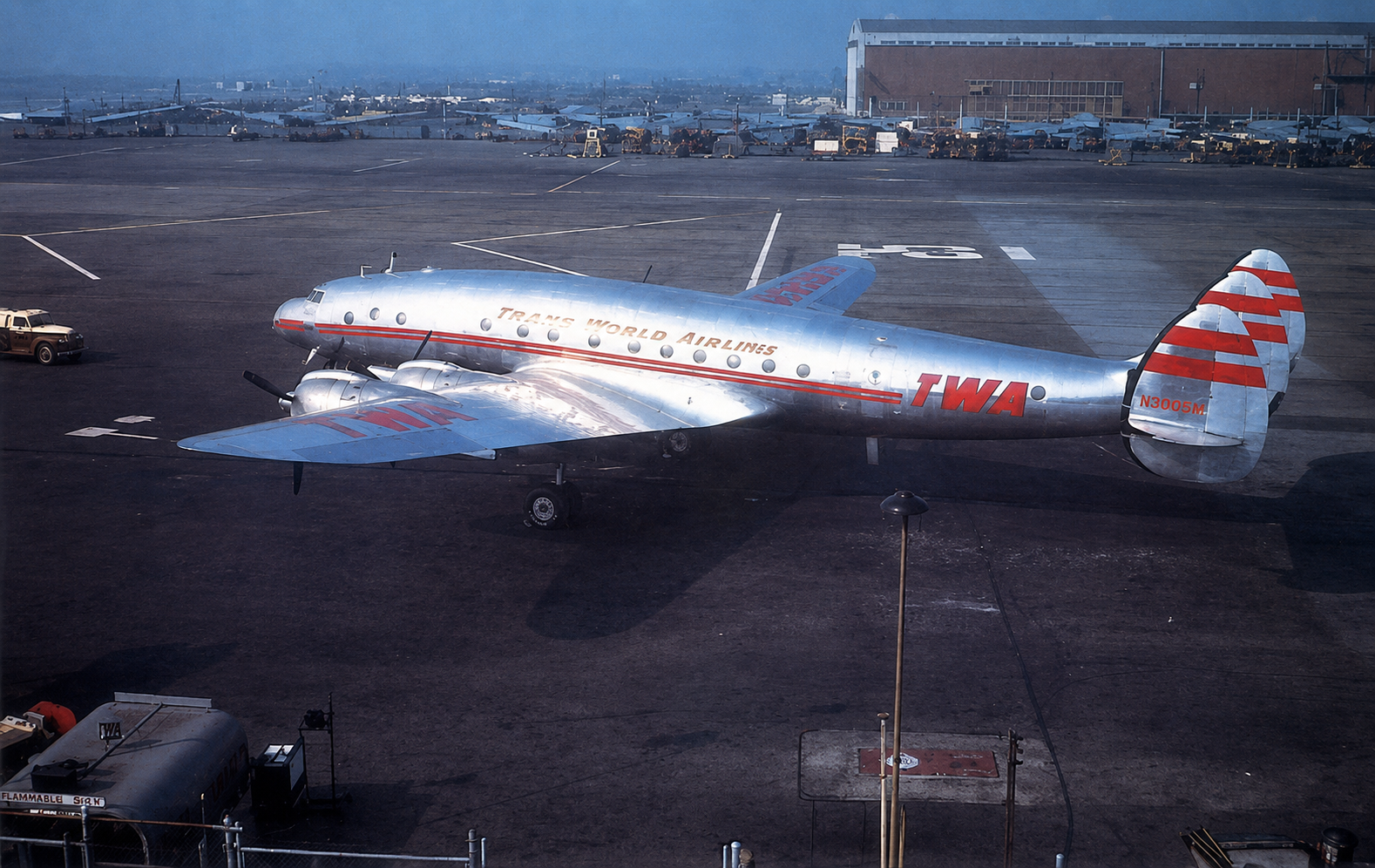
On December 3, 1945, TWA’s Constellation “Paris Sky Chief” lifted off from Washington National Airport for Paris, christened with a blast of vapor as a band played. Here is the story.
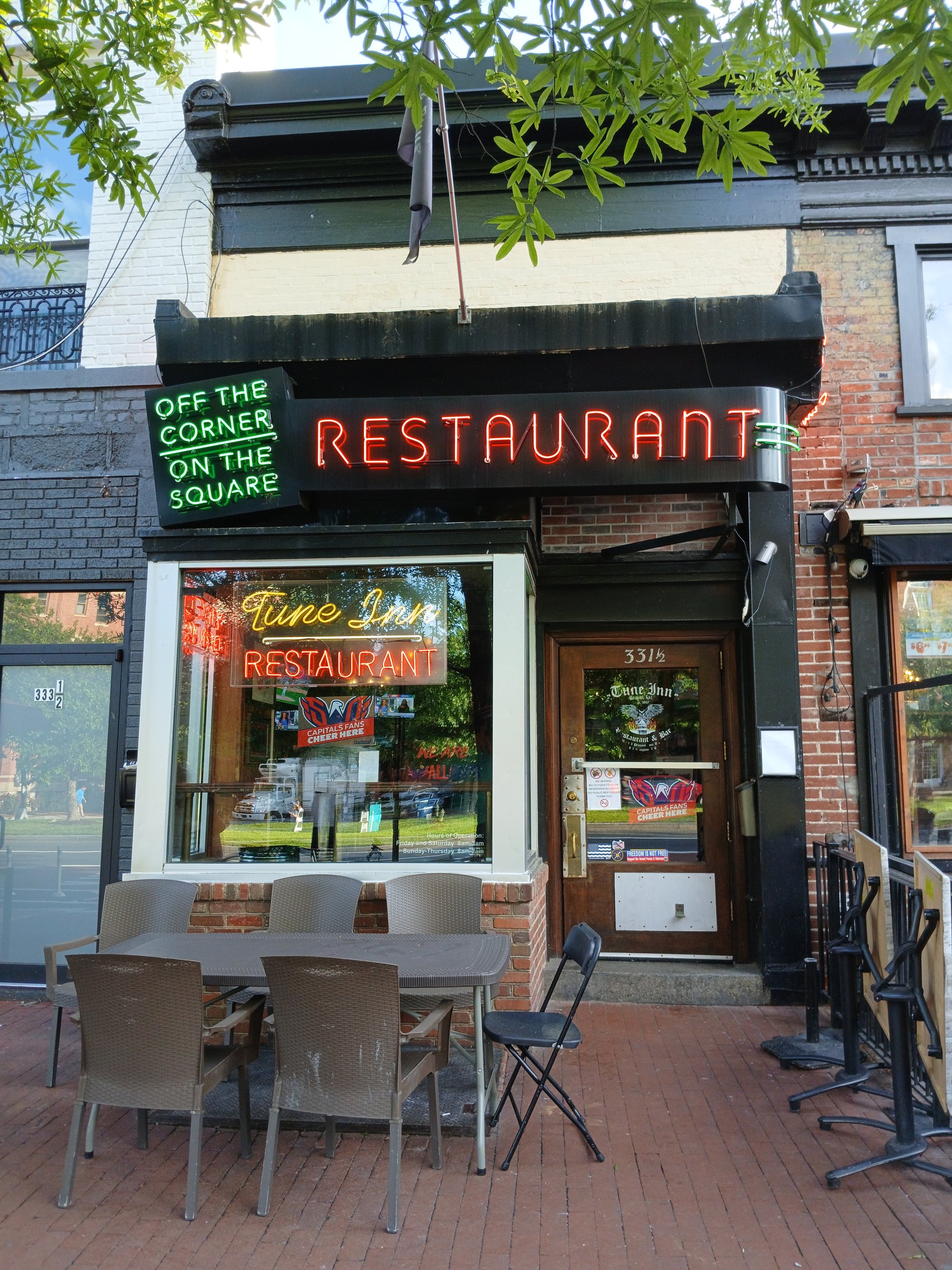
Three blocks from the Capitol dome sits a 1947 dive bar with deer butts on the wall and a Nardelli behind the counter.
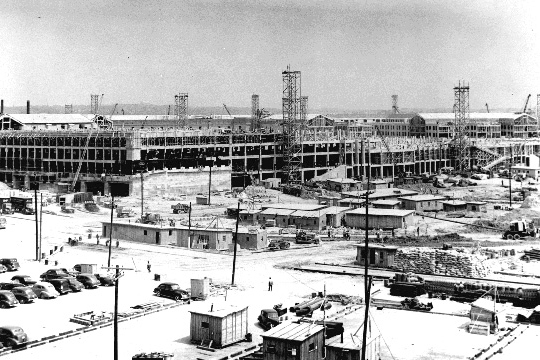
Sixteen months from groundbreaking to dedication. Thirteen thousand workers on round-the-clock shifts. Segregated cafeterias FDR personally overruled.
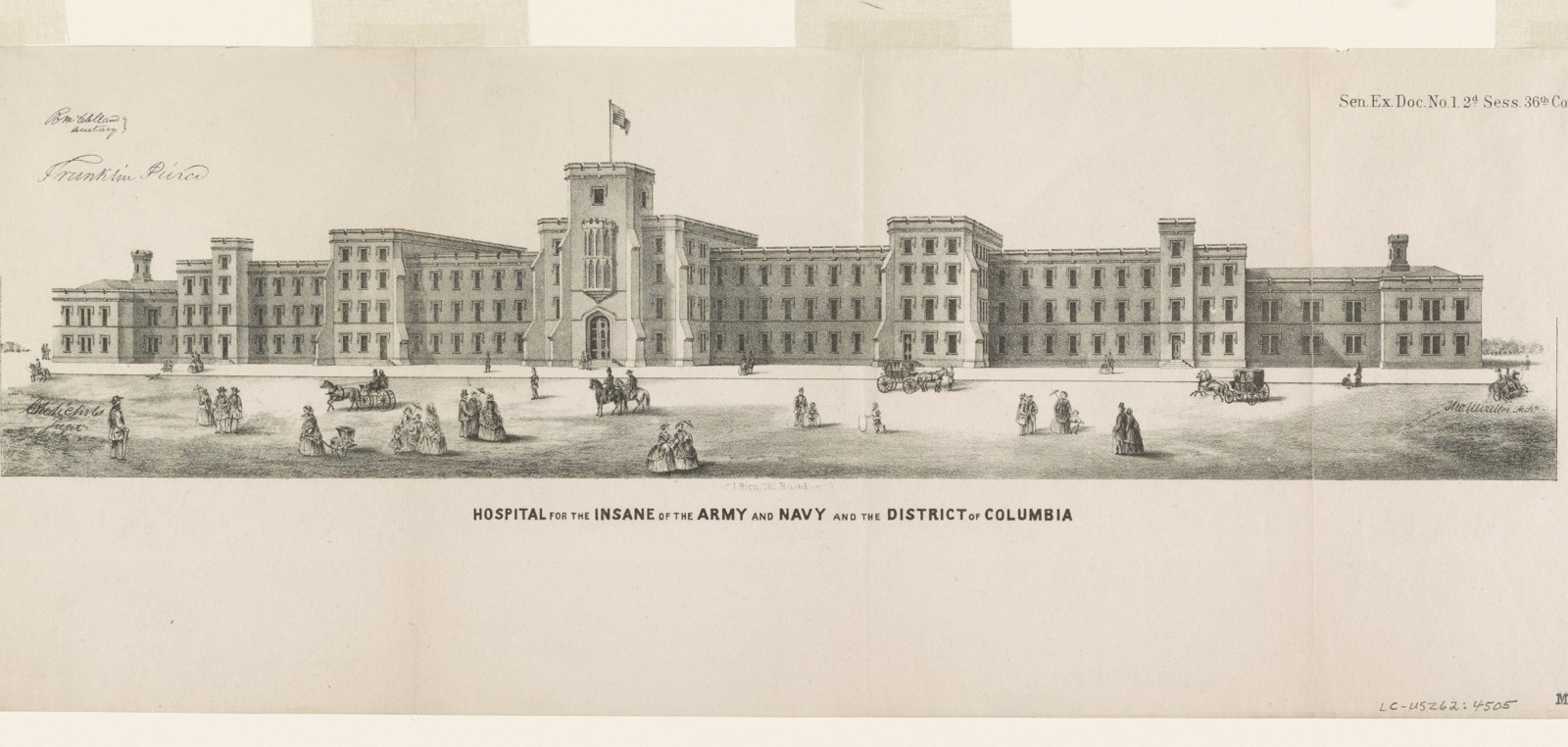
On January 31, 1958, the Evening Star started calling Dallas O. Williams “the Bad Man of Swampoodle.” The nickname stuck through five trials, three vacated convictions, and a 1961 double murder that exposed the broken machinery of DC’s insanity defense.
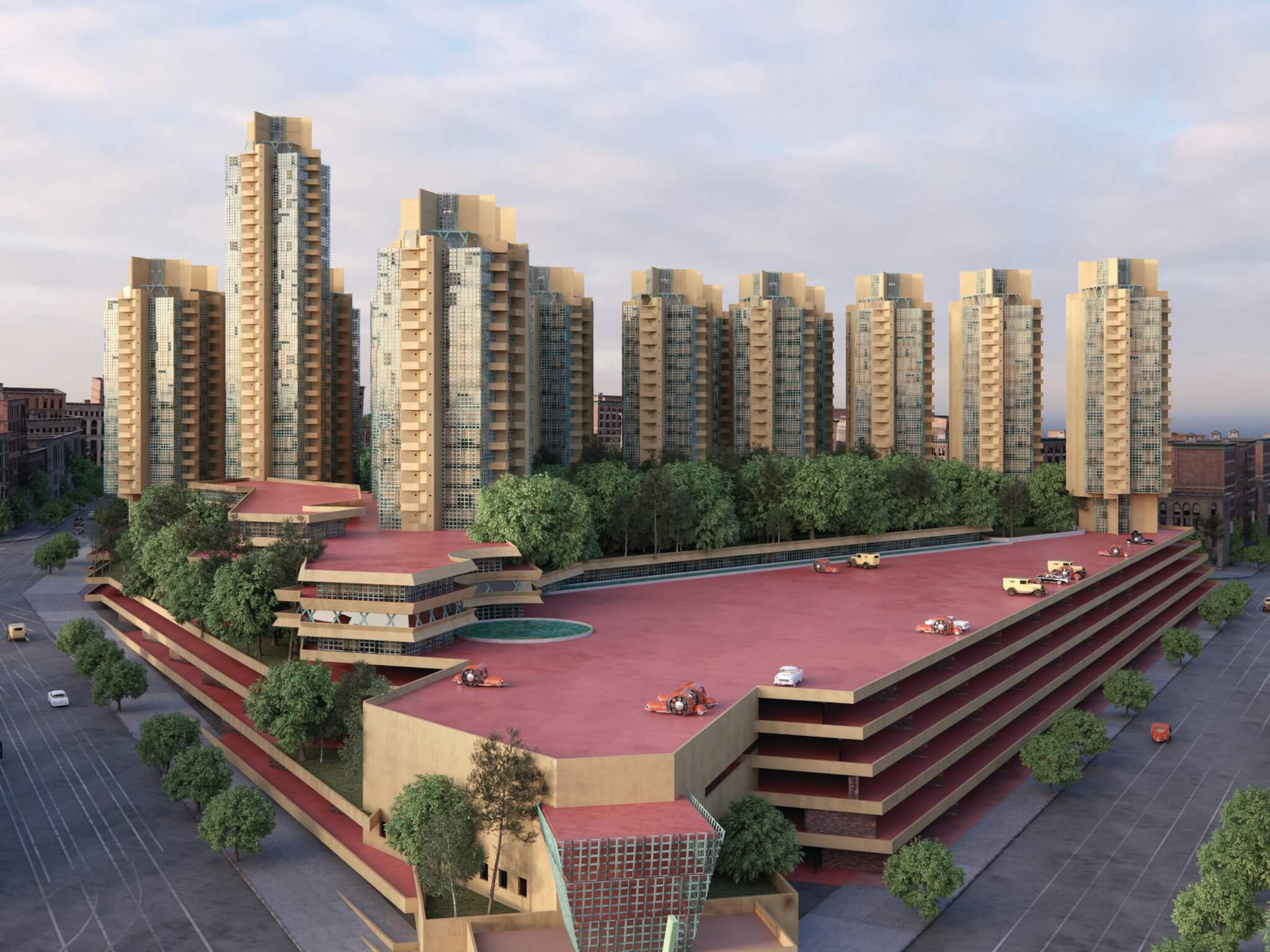
Frank Lloyd Wright drew Washington a glass city of twenty-one towers on a Connecticut Avenue hill. The height limit refused to let it rise.
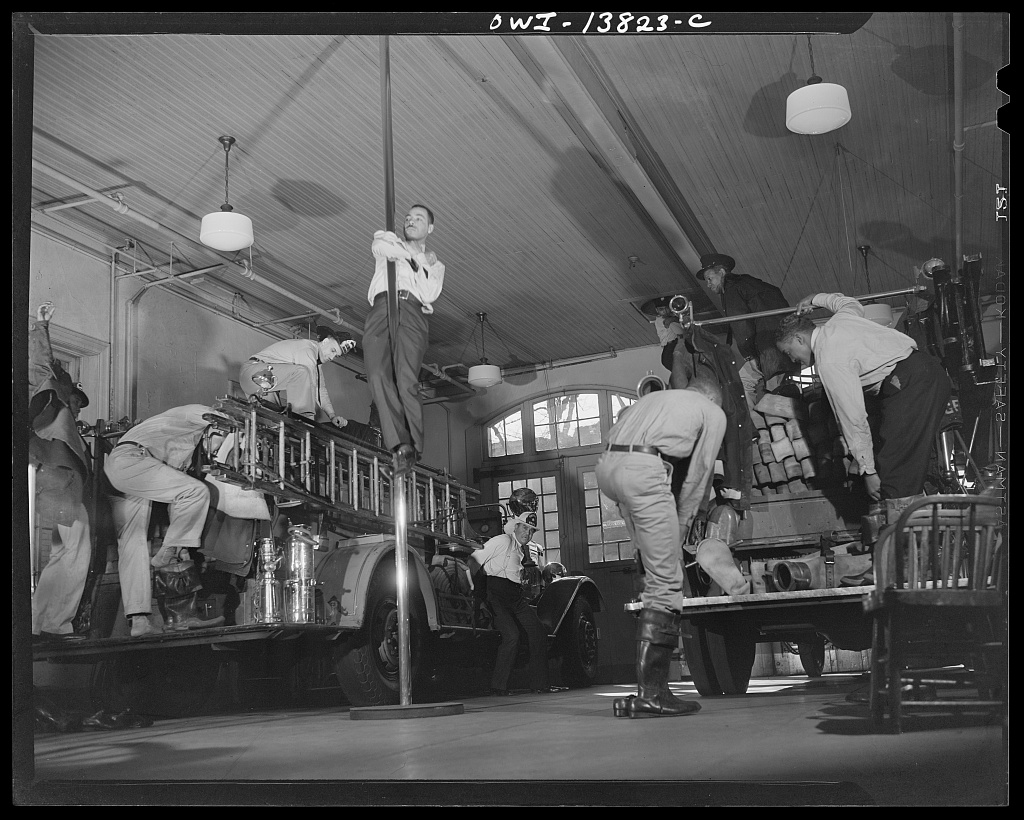
Gordon Parks photographed Engine Company No. 4 in 1943: men trusted to run into a fire, and made to eat off separate plates.
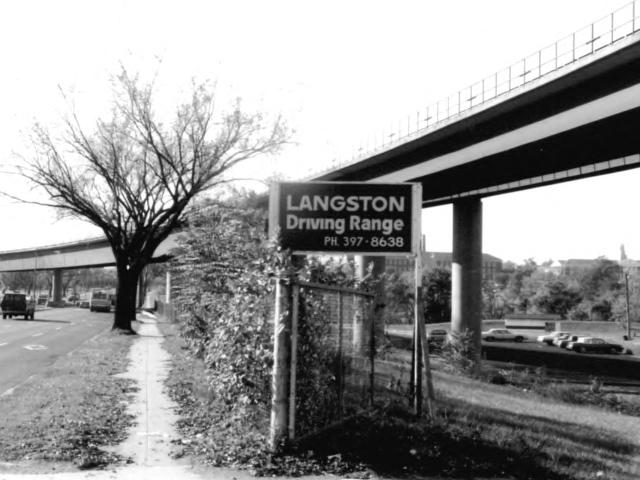
Langston Golf Course opened June 11, 1939 as DC’s only public links for Black golfers. The fight for equal access took longer than the build.
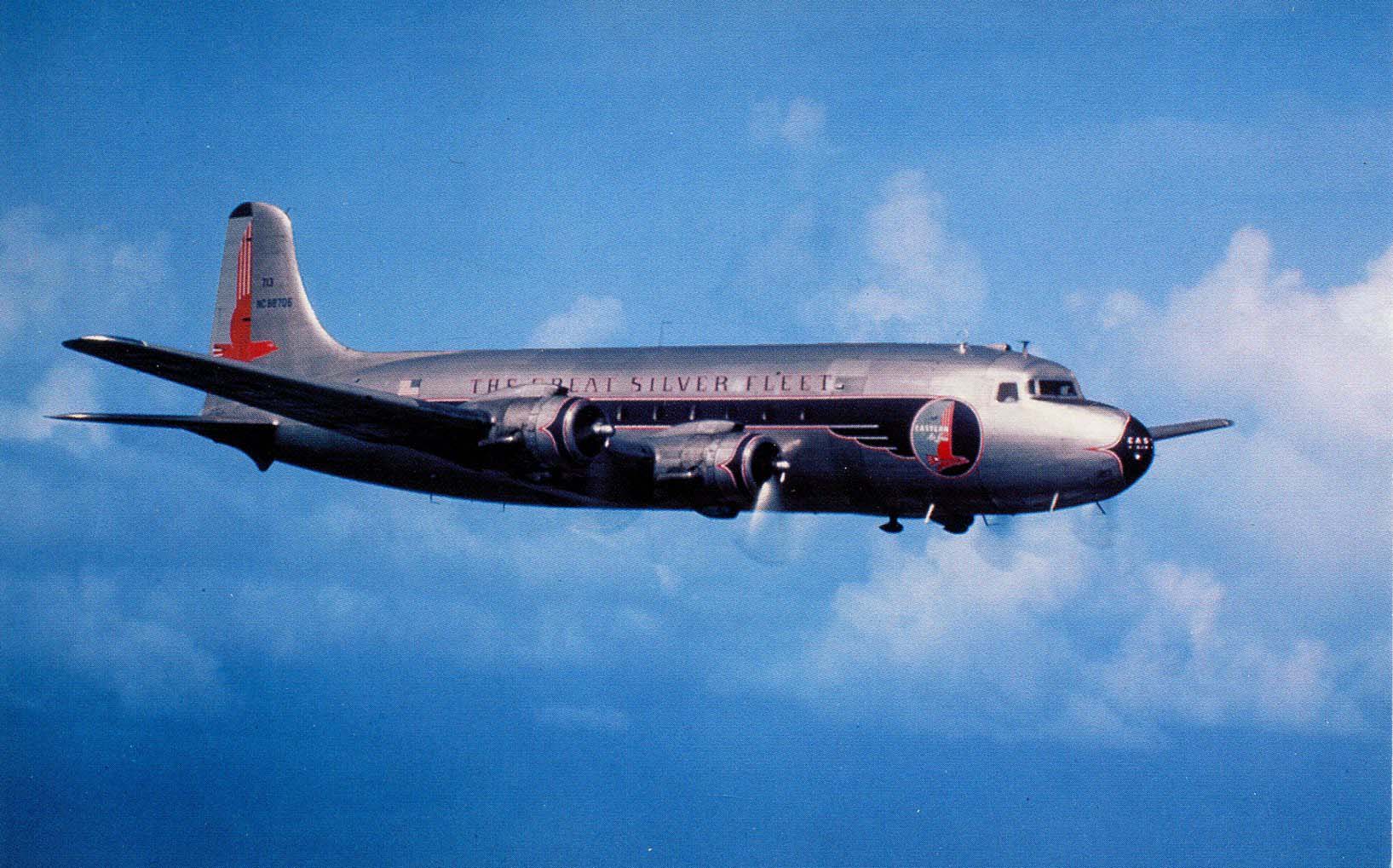
At 11:46 on November 1st, 1949, a young controller kept calling: Bolivia 927, turn left. The pilot never answered. Fifty-five died.