The History of Mt. Pleasant: From Pleasant Plains to The Raven
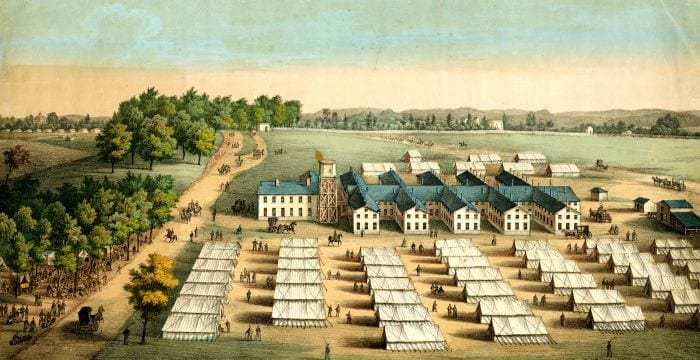
James Holmead received a land grant here in 1727. The area was known as Pleasant Plains, then The Raven, before becoming Mt. Pleasant.
Mount Pleasant is one of DC’s oldest streetcar suburbs, perched on the high ground above Columbia Heights along 16th Street. The neighborhood developed in the 1880s and 1890s as a middle-class escape from the crowded city below and has been one of Washington’s most consistently diverse communities for more than a century. These posts explore Mount Pleasant’s layered history.
James Holmead received a land grant here in 1727. The area was known as Pleasant Plains, then The Raven, before becoming Mt. Pleasant.
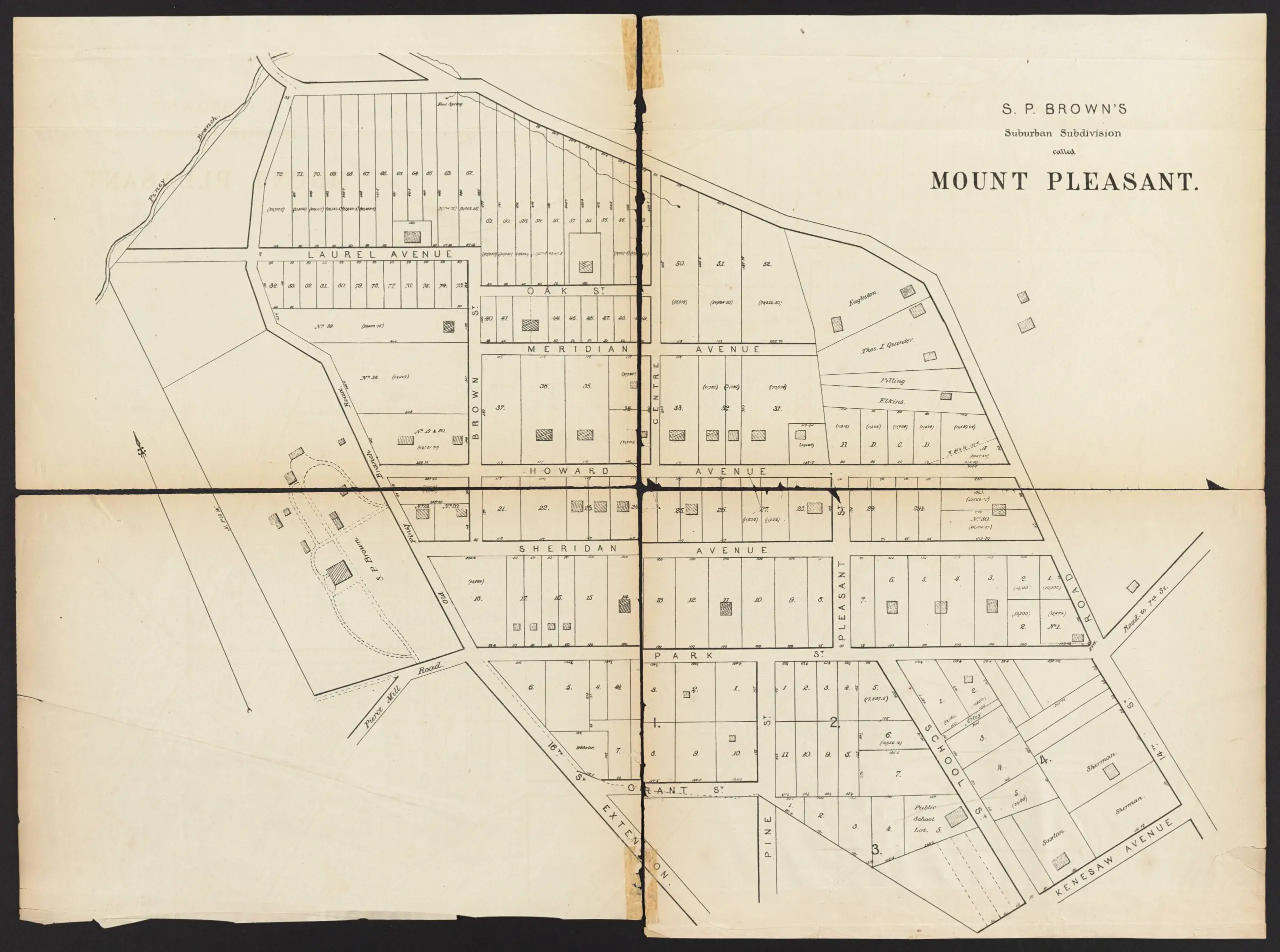
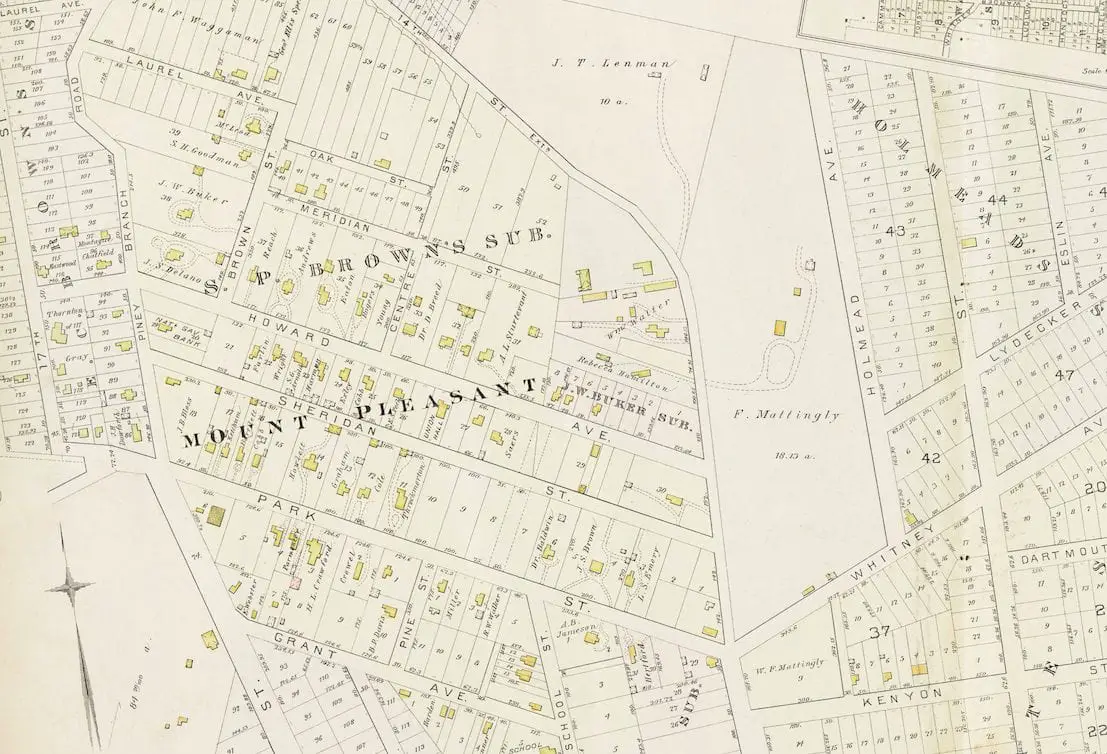
Take a look at a map of Mt. Pleasant and Columbia Heights from 1874, before the streets were renamed in the early 20th century. See the lot numbers, building footprints, and more
An 1887 map of Mt. Pleasant and Columbia Heights showing old street names and the Columbia College Subdivision. Click through for the full-resolution version.
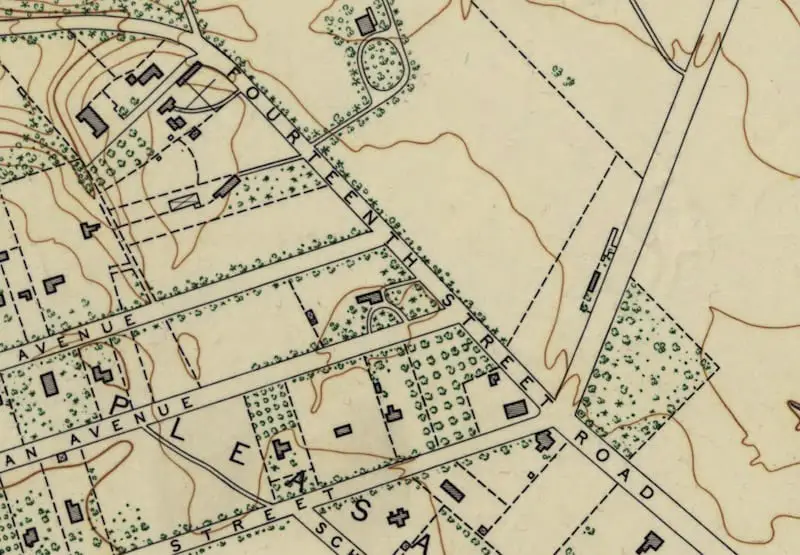
Take a journey back in time with us as we explore the past with an 1892 map of the rural area around Tenley and a 1904 book about Columbia Heights. Learn more about the history of the area!
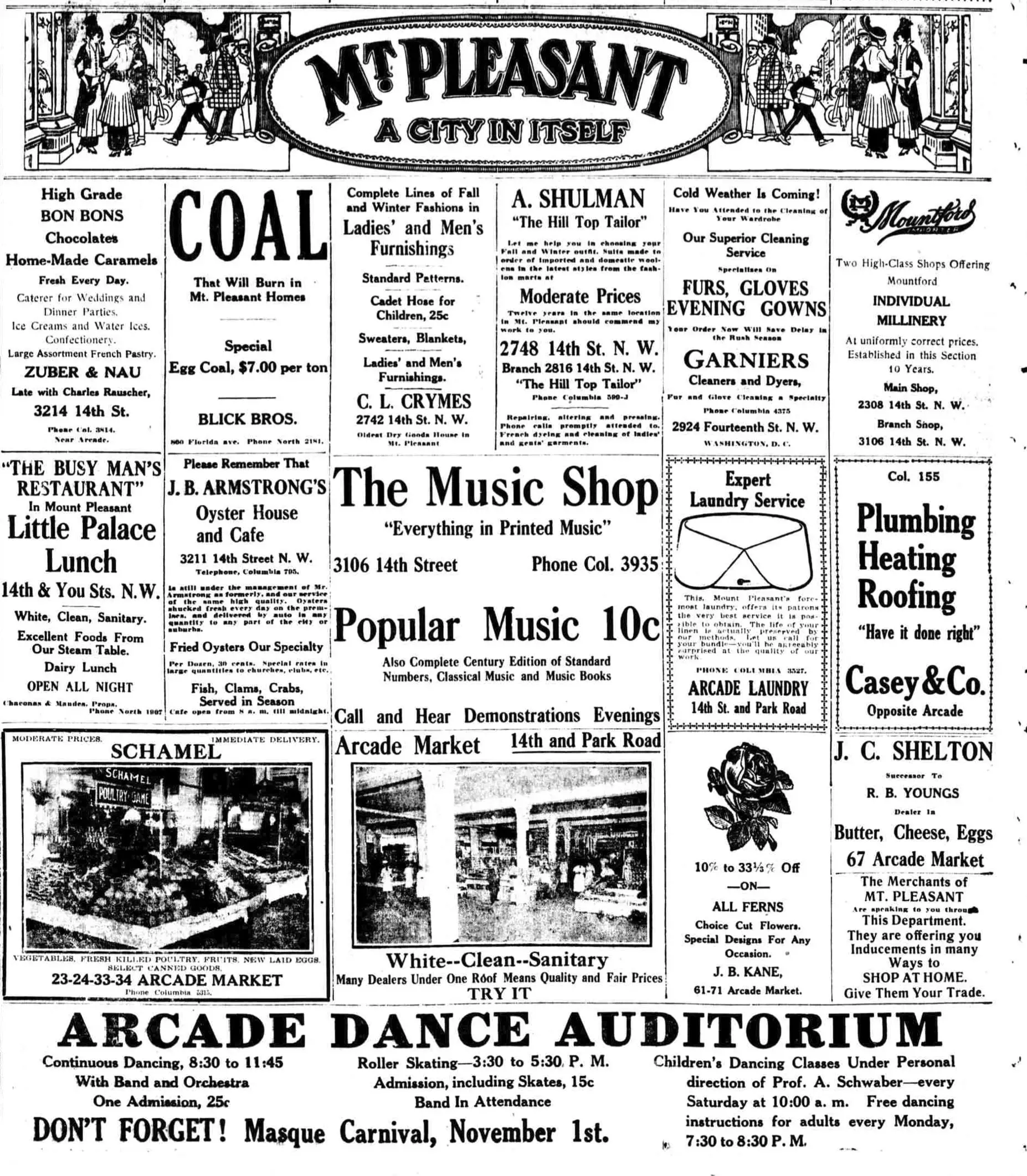
Take a look back in time and check out these cool advertisements for Mt. Pleasant, printed in The Washington Times on October 17th, 1915. See the amazing images and learn more about this historic moment!
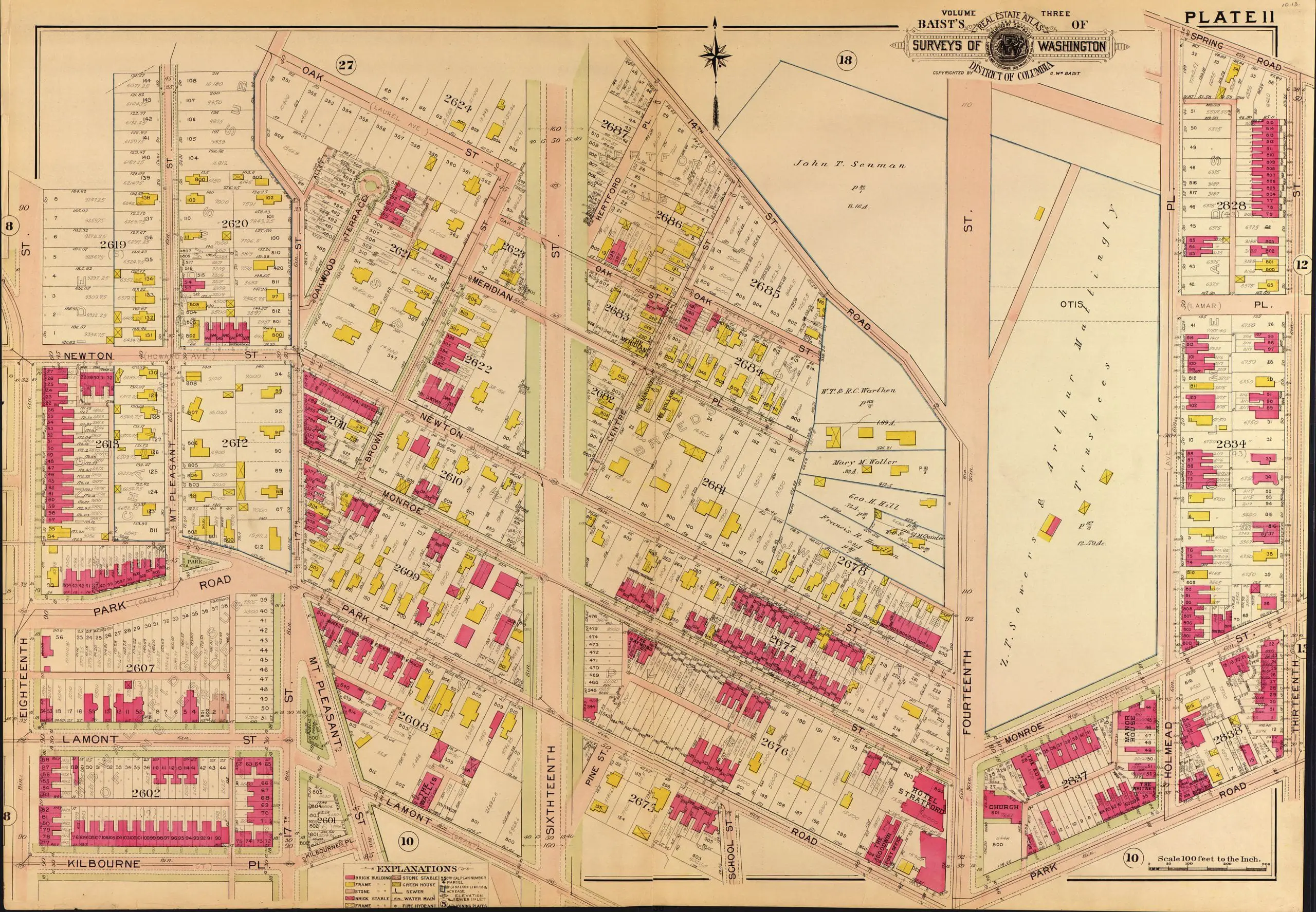
An 1907 map of Mount Pleasant showing the neighborhood before full development, with a view across 16th Street into what is now Columbia Heights.
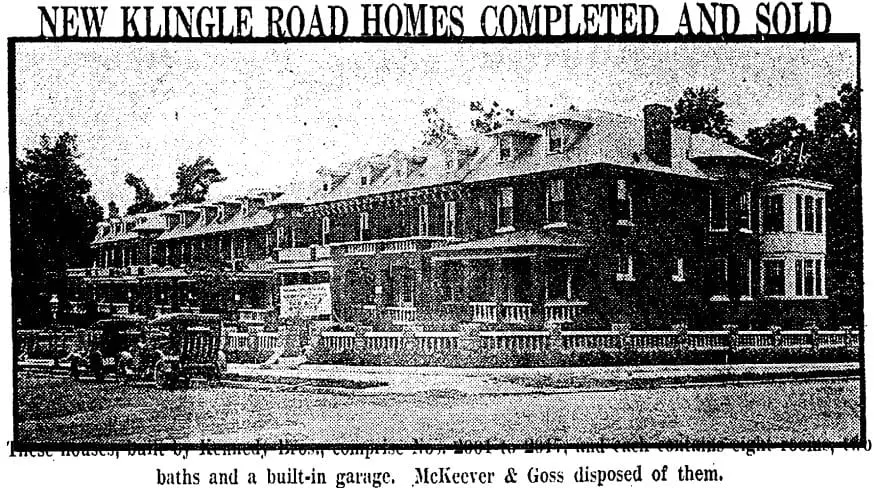
Take a look at this amazing ad for a Mt. Pleasant home that was published in the Washington Post on June 18th, 1922. See the photo of the homes on Klingle Road that accompanied the ad.
Check out this cool photo from WW2 of schoolboys going door to door collecting scrap paper for a salvage drive in Mount Pleasant, D.C. Learn more about this historic moment captured on Google Street View!
Explore the different styles of architecture favored by Washington builders in the early 1900s. Learn about the building boom in the city and the unique architectural styles that emerged as a result of the 1910 Heights of Buildings Act.