
The General Scott Apartments: A 1940 Deco Landmark on Scott Circle
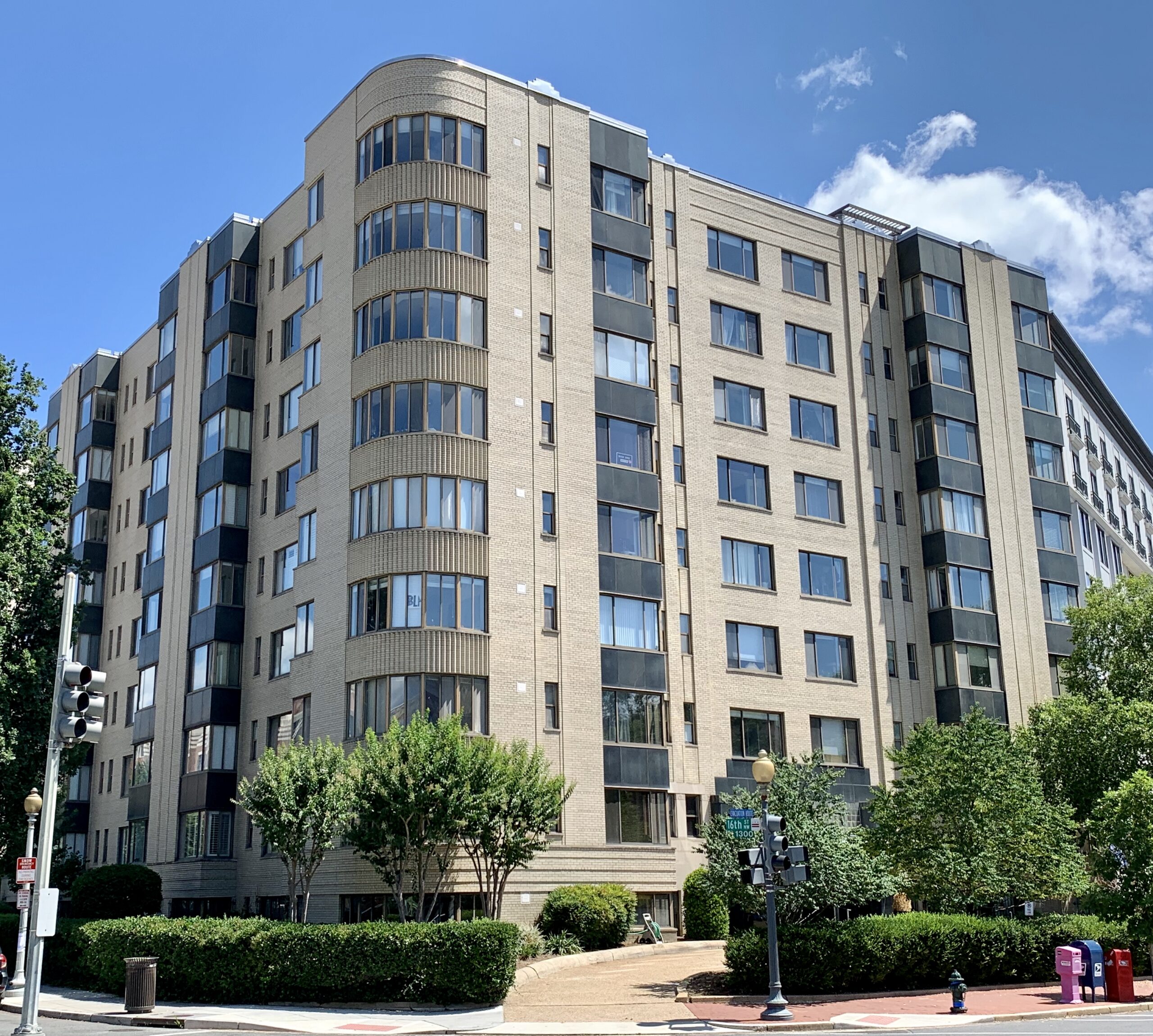
Robert O. Schultz’s 1940 General Scott Apartments at 1 Scott Circle NW, the mansions it replaced, the WPA underpass beneath, and the 1982 tenant buyout that saved it.
Dupont Circle takes its name from Civil War admiral Samuel Francis du Pont, whose statue anchored the traffic circle until 1884. The neighborhood has been one of Washington’s most fashionable addresses since the Gilded Age, home to grand mansions, rowhouses, and embassies that have defined its character across 150 years. These posts dig into the history behind Dupont Circle’s streets and buildings.
Robert O. Schultz’s 1940 General Scott Apartments at 1 Scott Circle NW, the mansions it replaced, the WPA underpass beneath, and the 1982 tenant buyout that saved it.
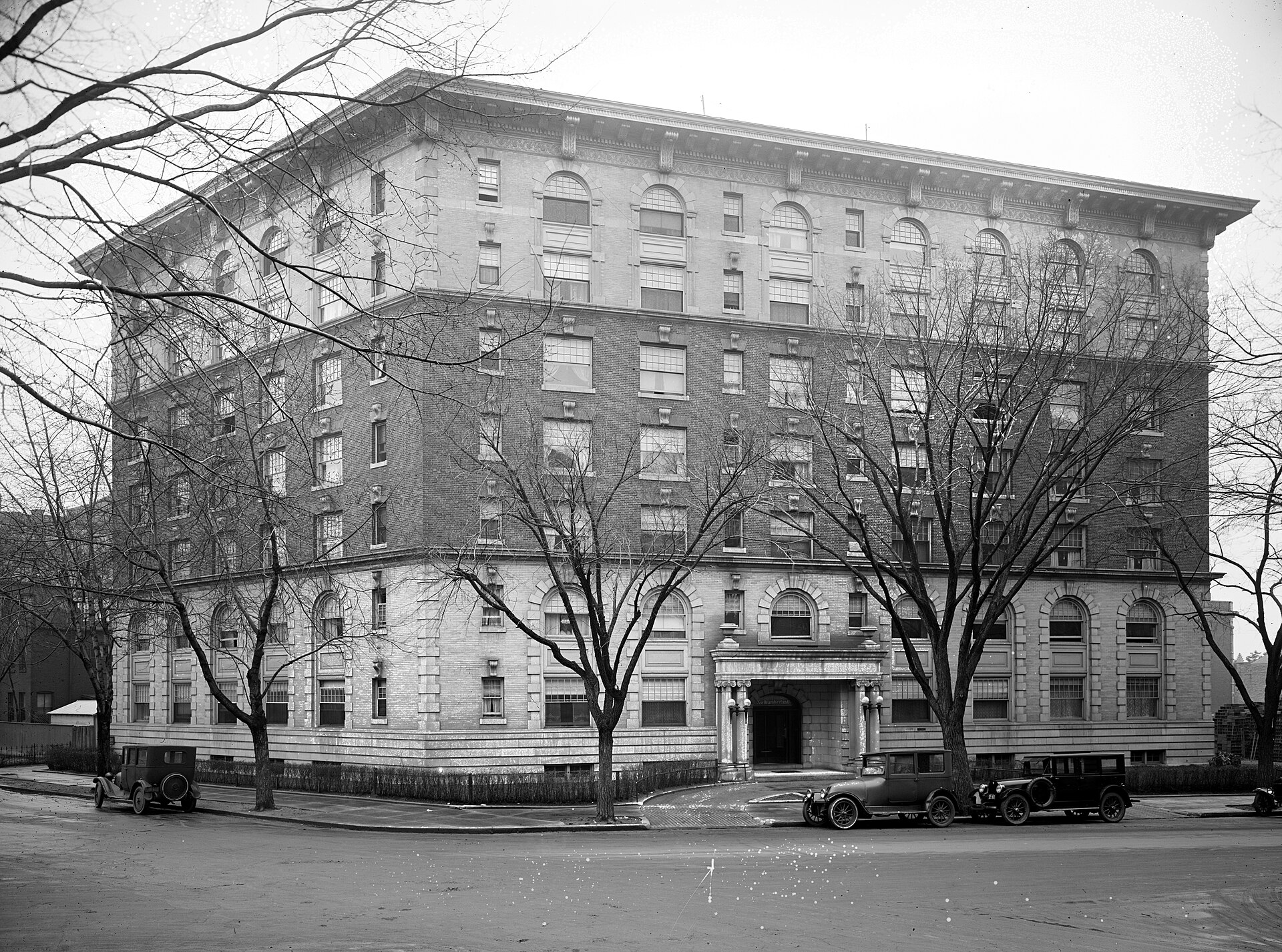
The Northumberland at 2039 New Hampshire Ave NW is Harry Wardman’s 1910 luxury apartment house and DC’s oldest self-managed co-op. Inside its storied past.
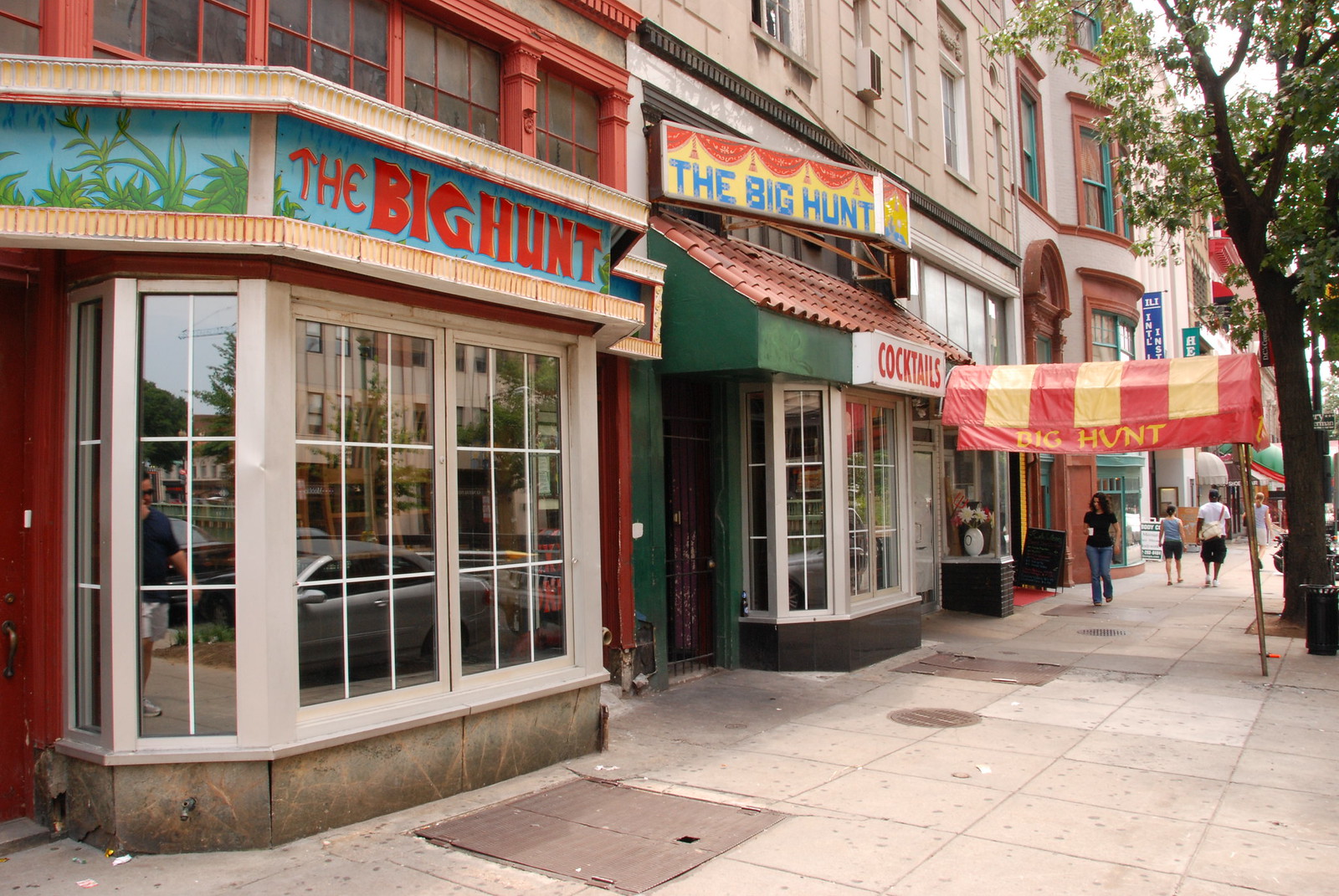
The Big Hunt opened in 1992 inside a 1928 storefront at 1345 Connecticut Avenue NW and closed for good in 2020. Inside Dupont Circle’s three-story dive bar with the safari kitsch, the hidden patio, and the Hell’s Kitchen basement.

Frank Lloyd Wright drew Washington a glass city of twenty-one towers on a Connecticut Avenue hill. The height limit refused to let it rise.

When the cake was being cut, the President was upstairs sobbing. The story of Nellie Grant’s 1874 White House wedding, the East Room Grant rebuilt for her, and the marriage that fell apart.
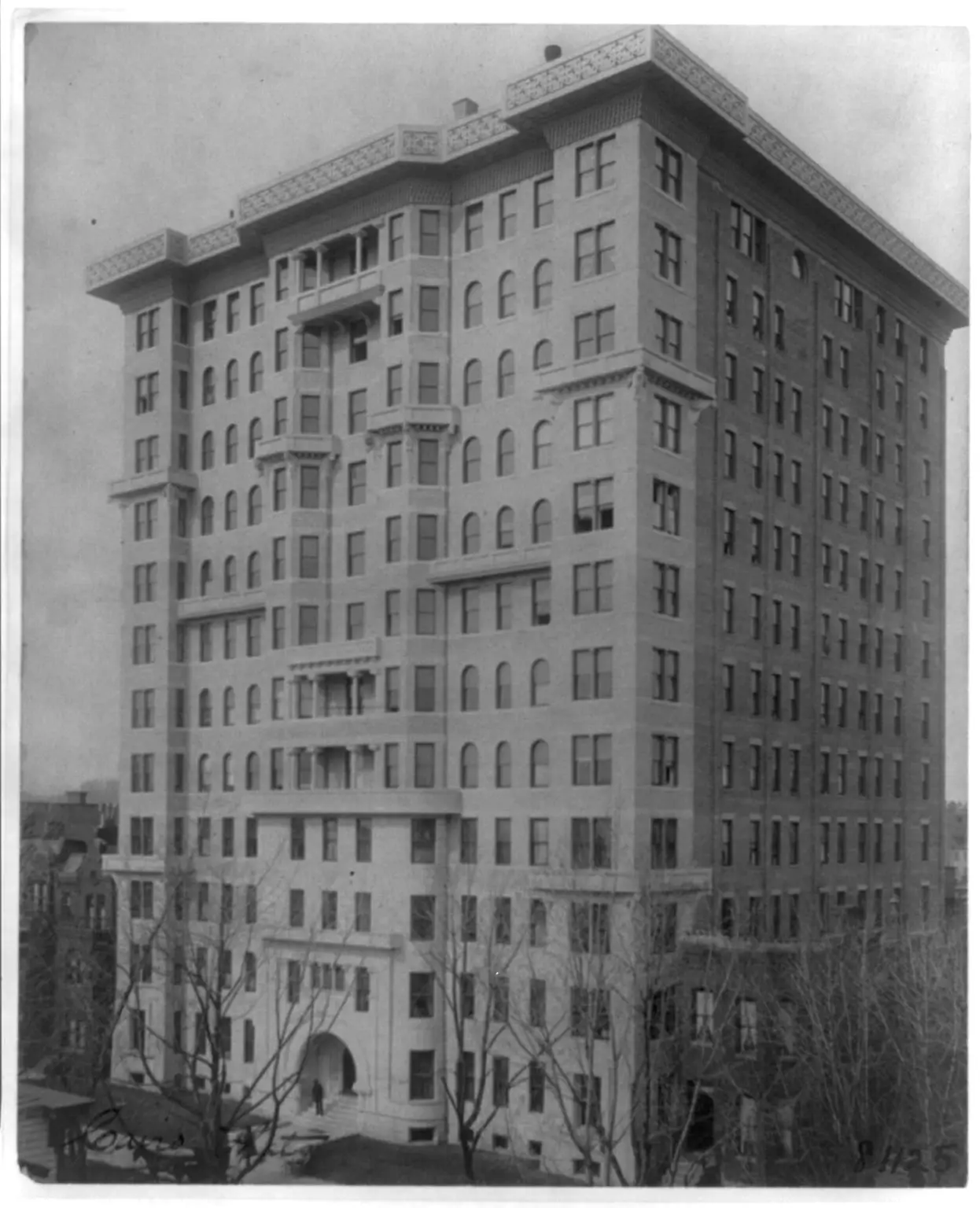
A 35-year-old architect built 164 feet of Moorish-fantasy hotel into a Dupont rowhouse block. Congress hated it so much it made a law.
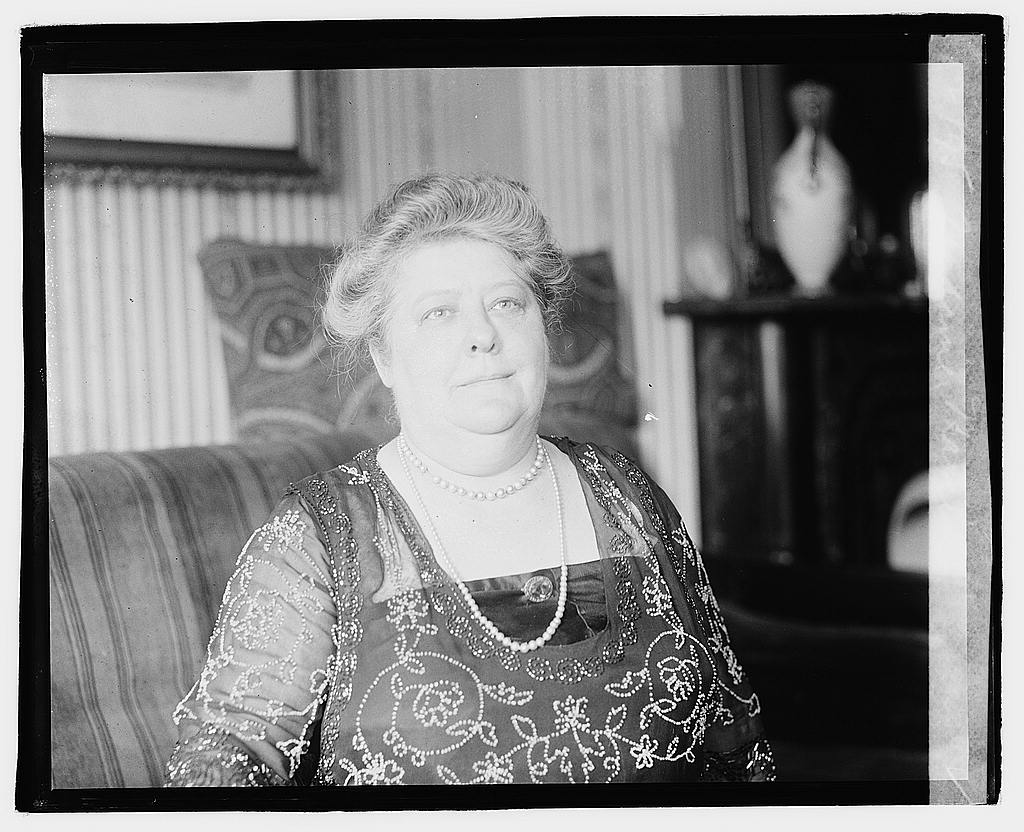
From a parlor near Dupont Circle, Madame Marcia told Florence Harding her husband would die in office. Three years later he did.
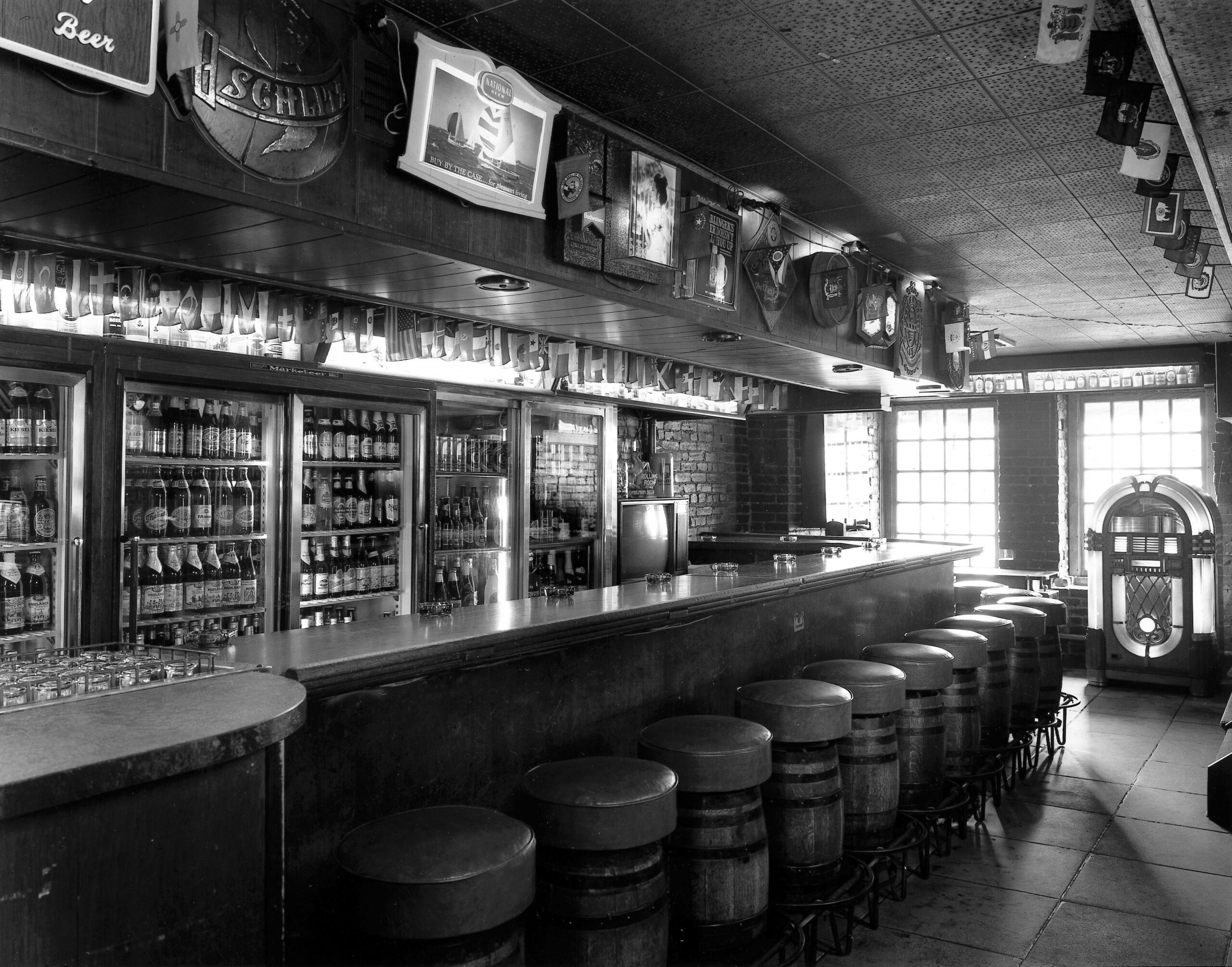
Brickskeller was an iconic DC institution that many locals remember fondly. Learn about its slow demise and the beer renaissance that arrived in DC, as well as a look back at the 1957 advertisement for its opening.
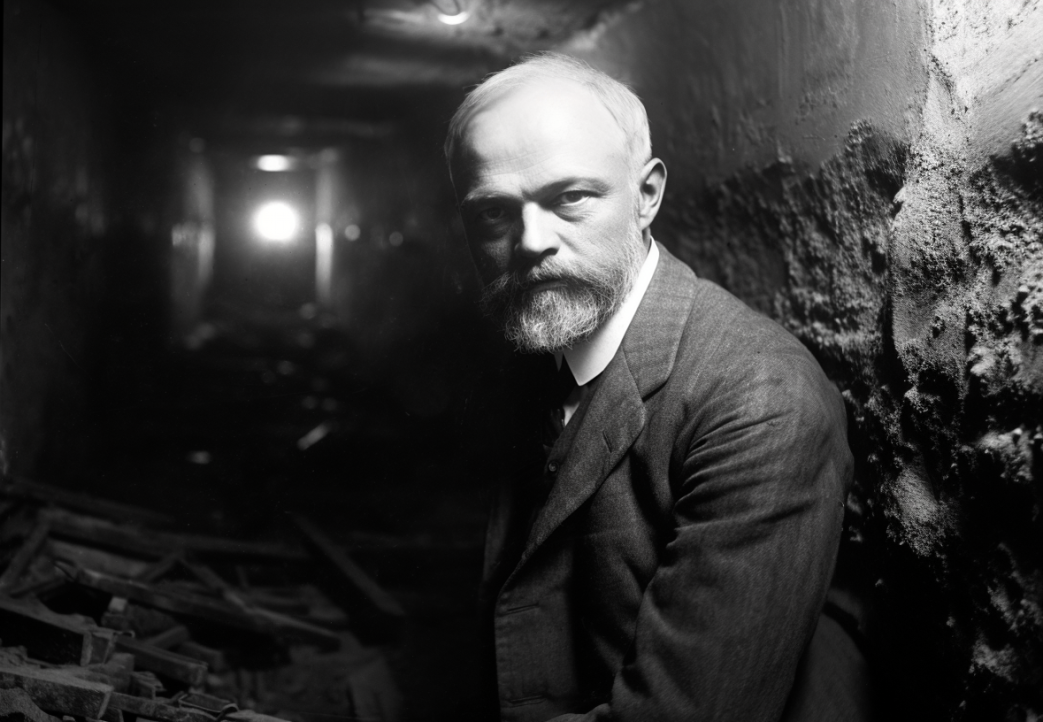
In 1924, construction near Dupont Circle broke into a secret tunnel. Smithsonian entomologist Harrison Dyar had hand-dug it.