Cottonwood Street, McLean: The 26 Acres a Black Farmer Bought in 1865
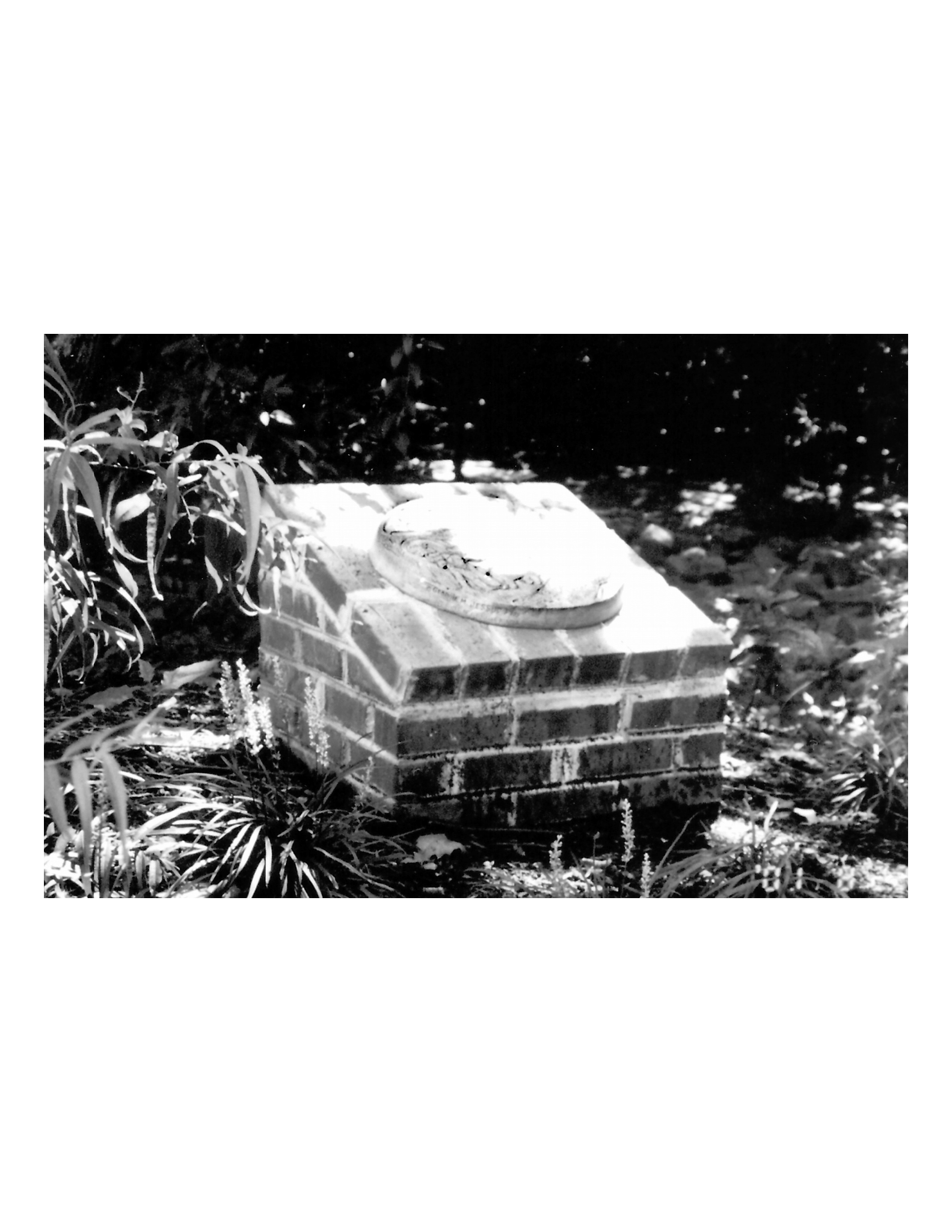
Off Kirby Road in McLean, Cottonwood Street runs through the 26-acre farm a Black farmer named Christopher Columbus Hall bought in 1865 and divided among his 11 children.
Fairfax County in Northern Virginia has been part of the Washington story since before the capital was established, and GoDC has covered the parts of the county that are inseparable from DC history. From the early history of Mount Vernon and the county’s colonial roots to the postwar suburban explosion that made it one of the most populous counties in the country, these posts explore Fairfax County’s long relationship with Washington.
Off Kirby Road in McLean, Cottonwood Street runs through the 26-acre farm a Black farmer named Christopher Columbus Hall bought in 1865 and divided among his 11 children.
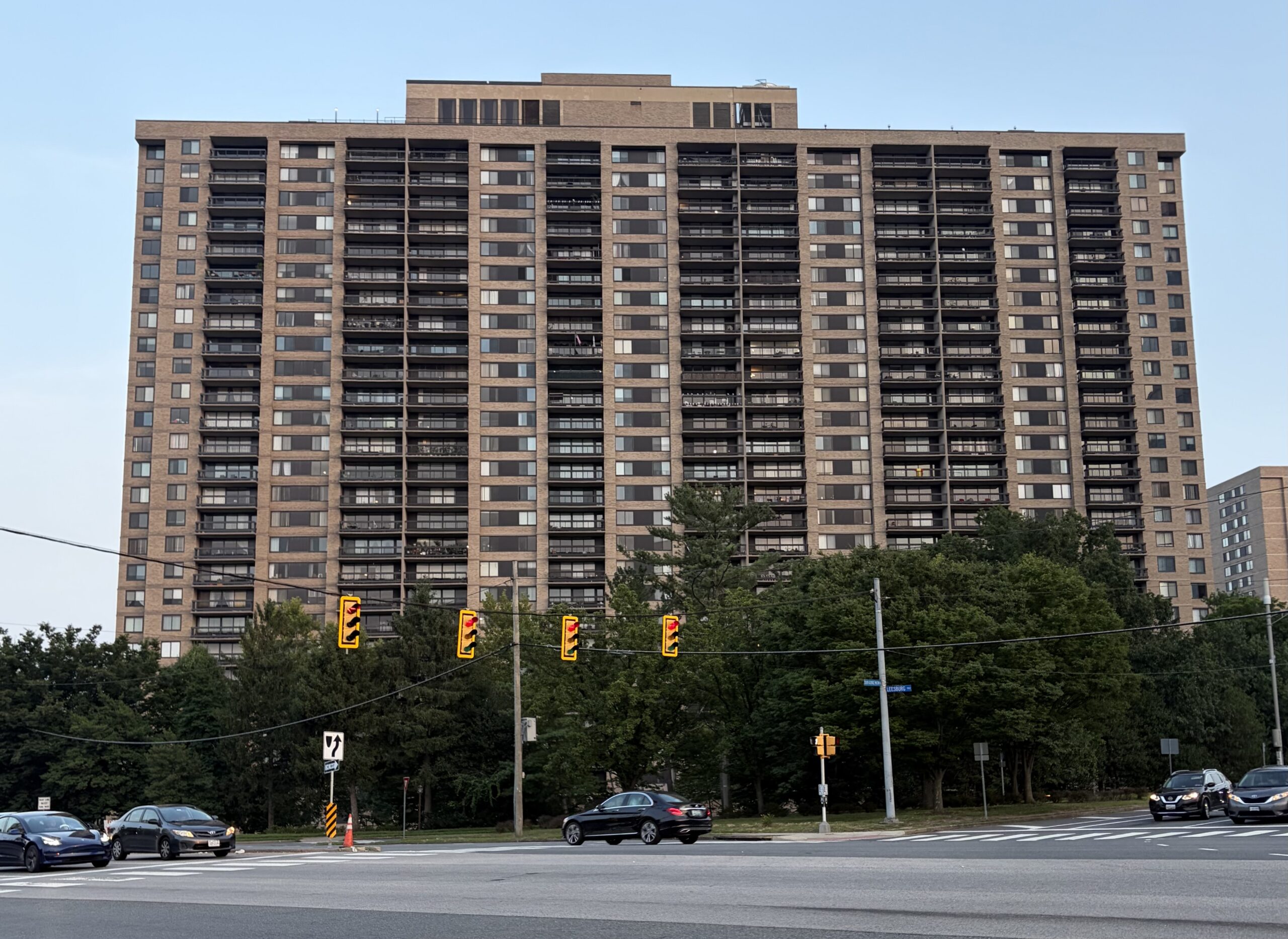
It is 2:18 p.m. on Friday, March 2, 1973. The top floors of a 26-story apartment tower under construction at Bailey’s Crossroads are about to fall floor by floor. Fourteen of the men working there will not go home.
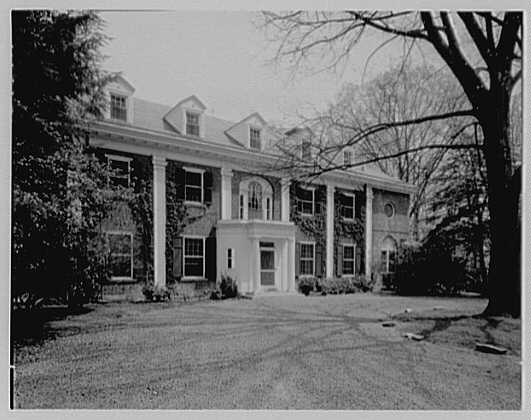
On a 46-acre bluff over the Potomac in McLean, a developer paid $650,000 for Jackie Kennedy’s childhood home and drew up three 17-story apartment towers, and then the Interior Secretary next door started making phone calls.
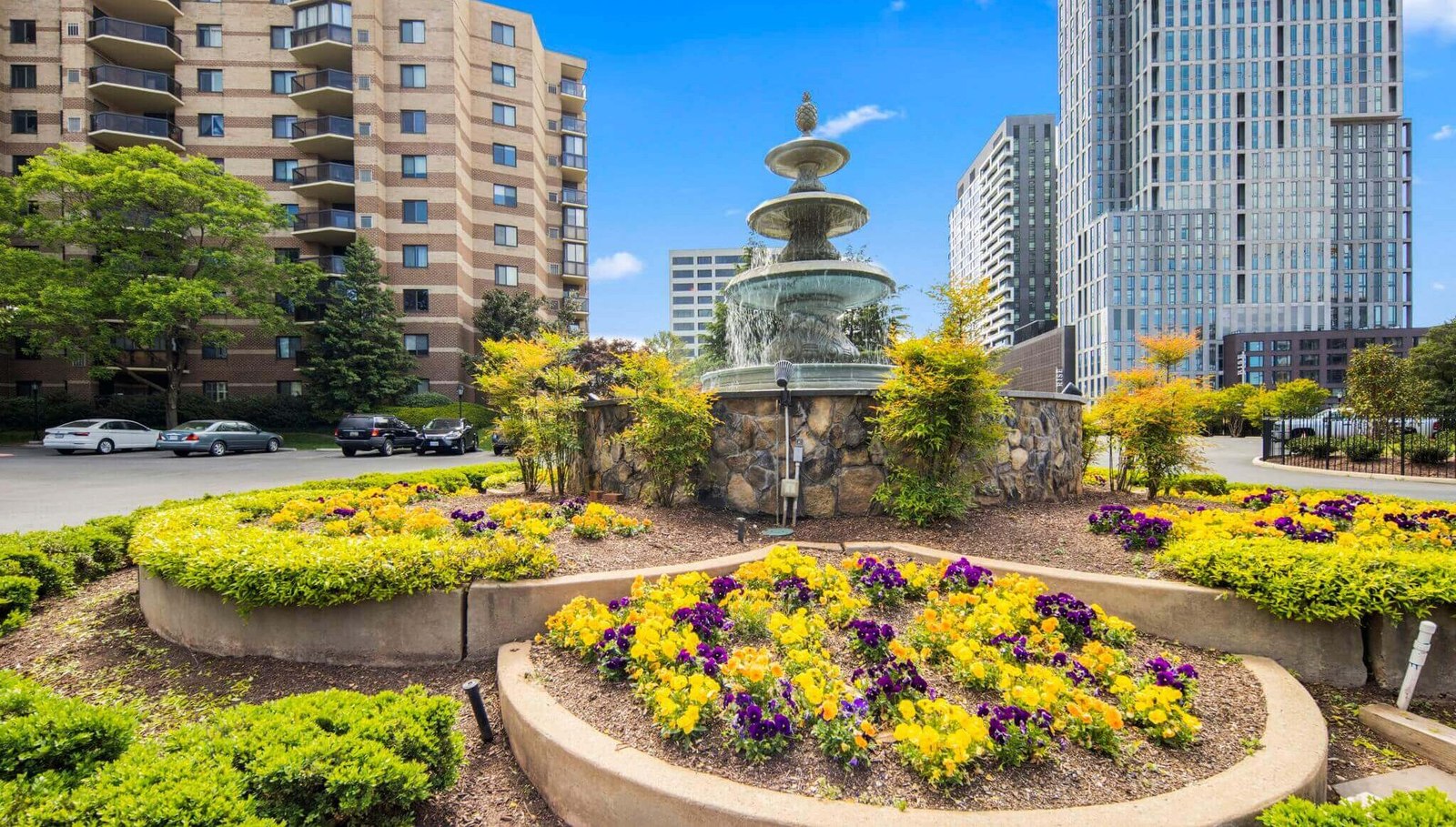
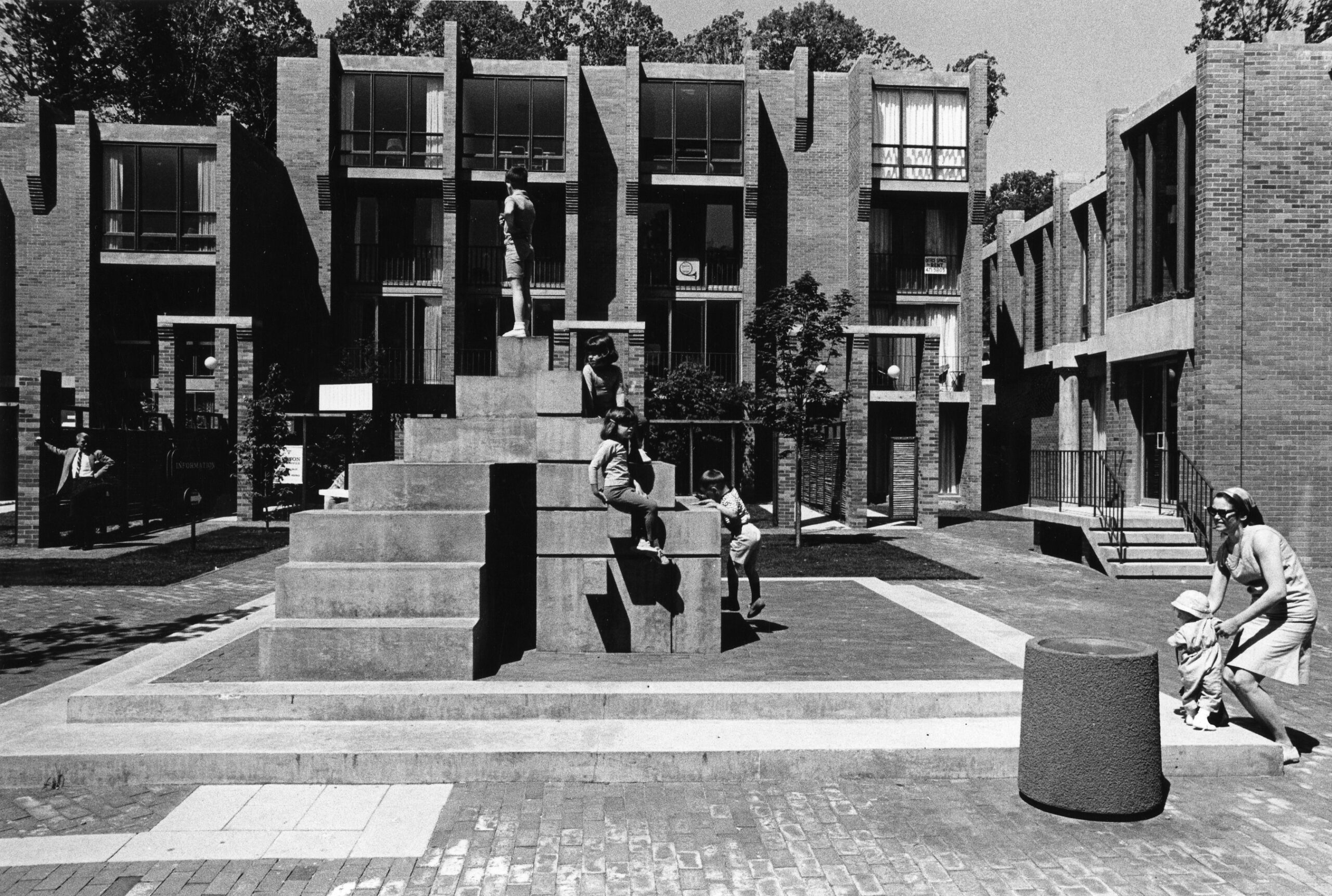
Five circular towers, 1,168 condominiums, and the man who built the Watergate built them too. The story of The Rotonda in McLean.
Before Blockbuster, the DC area had Erol’s Video Club. Turkish immigrant Erol Onaran arrived in 1960 with $16, opened a Georgetown TV shop in 1963, started renting tapes in 1980, and built the largest privately owned video chain in America before selling to Blockbuster for $40 million in 1990.
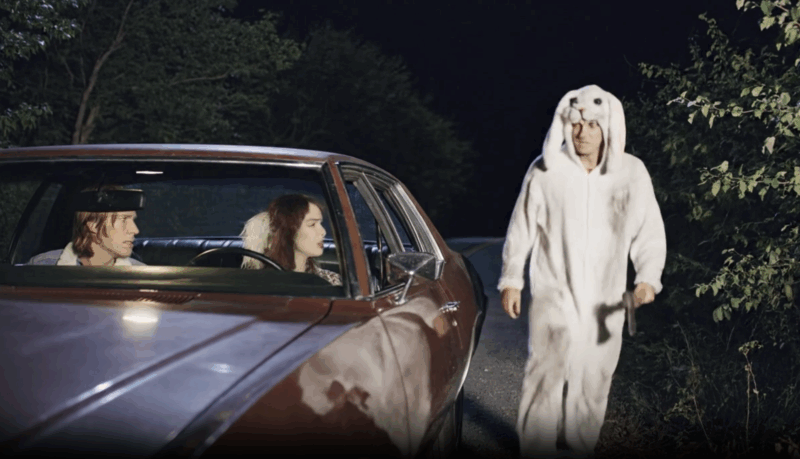
In October 1970, two carloads of people parked on Guinea Road in Fairfax looked up to see a man in a white bunny suit swinging a hatchet.
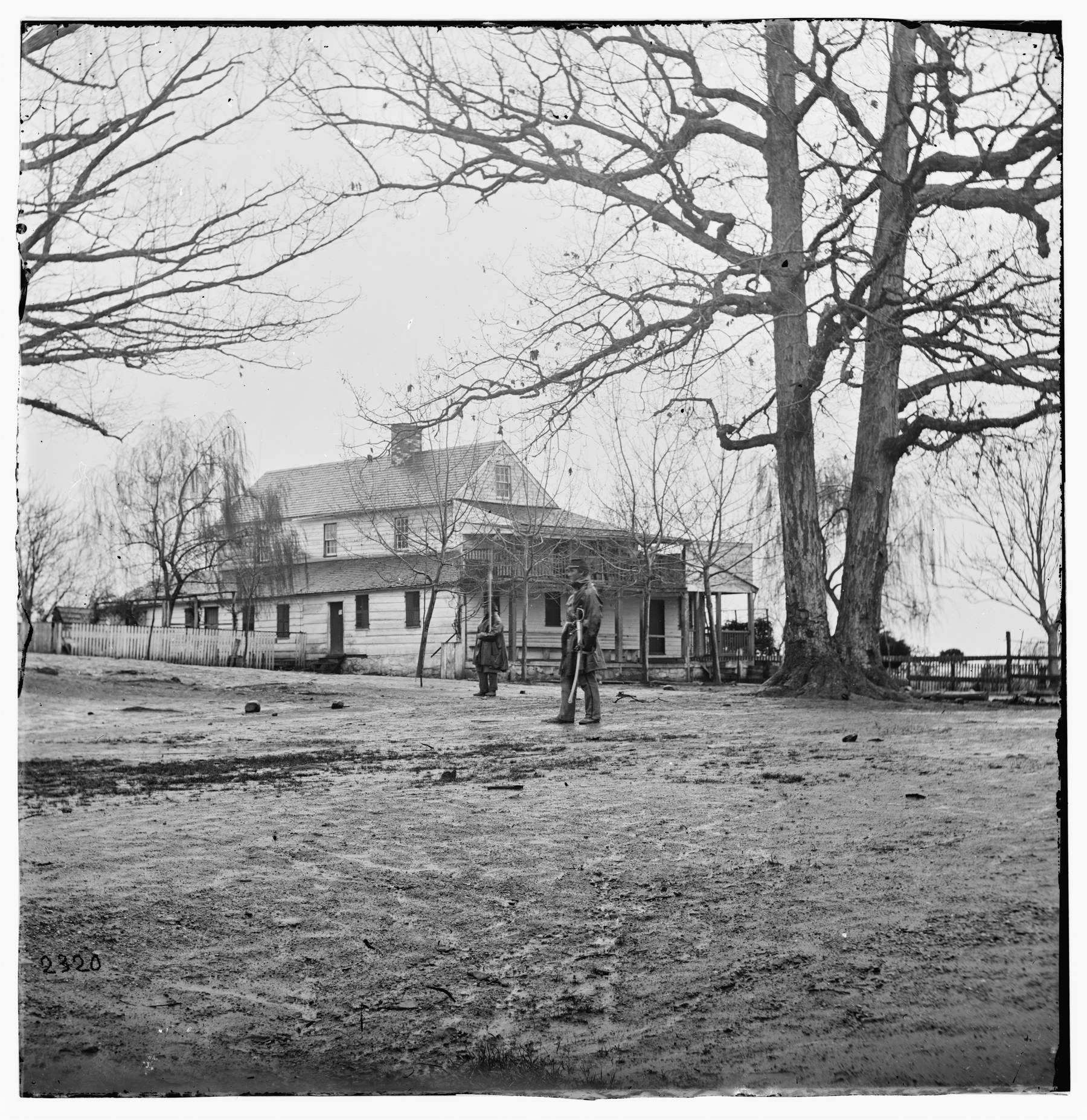
In 1792, landowners founded Centreville to be the geographic center point between Alexandria, Georgetown, and Leesburg.
Reston takes its name from Robert E. Simon, who sold Carnegie Hall and used the proceeds to buy 6,750 acres in Fairfax in 1961.
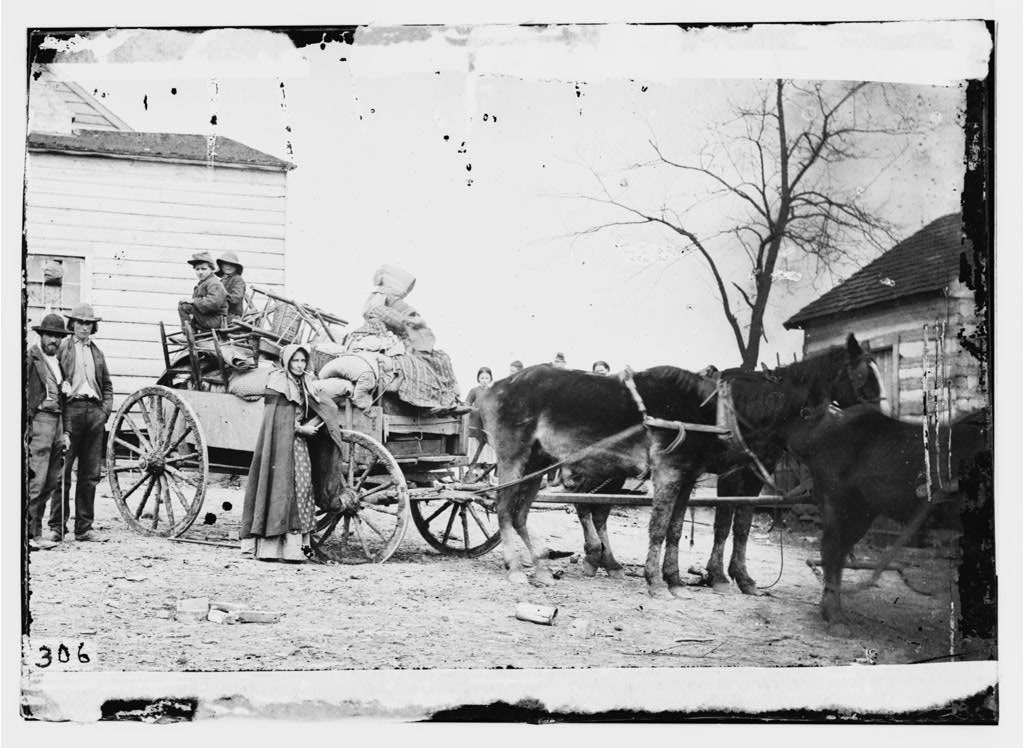
Frederick Foote, a formerly enslaved man, bought 33 acres at the intersection that became Seven Corners for $500 after the Civil War. His family held the land for 88 years. Here’s the full story.