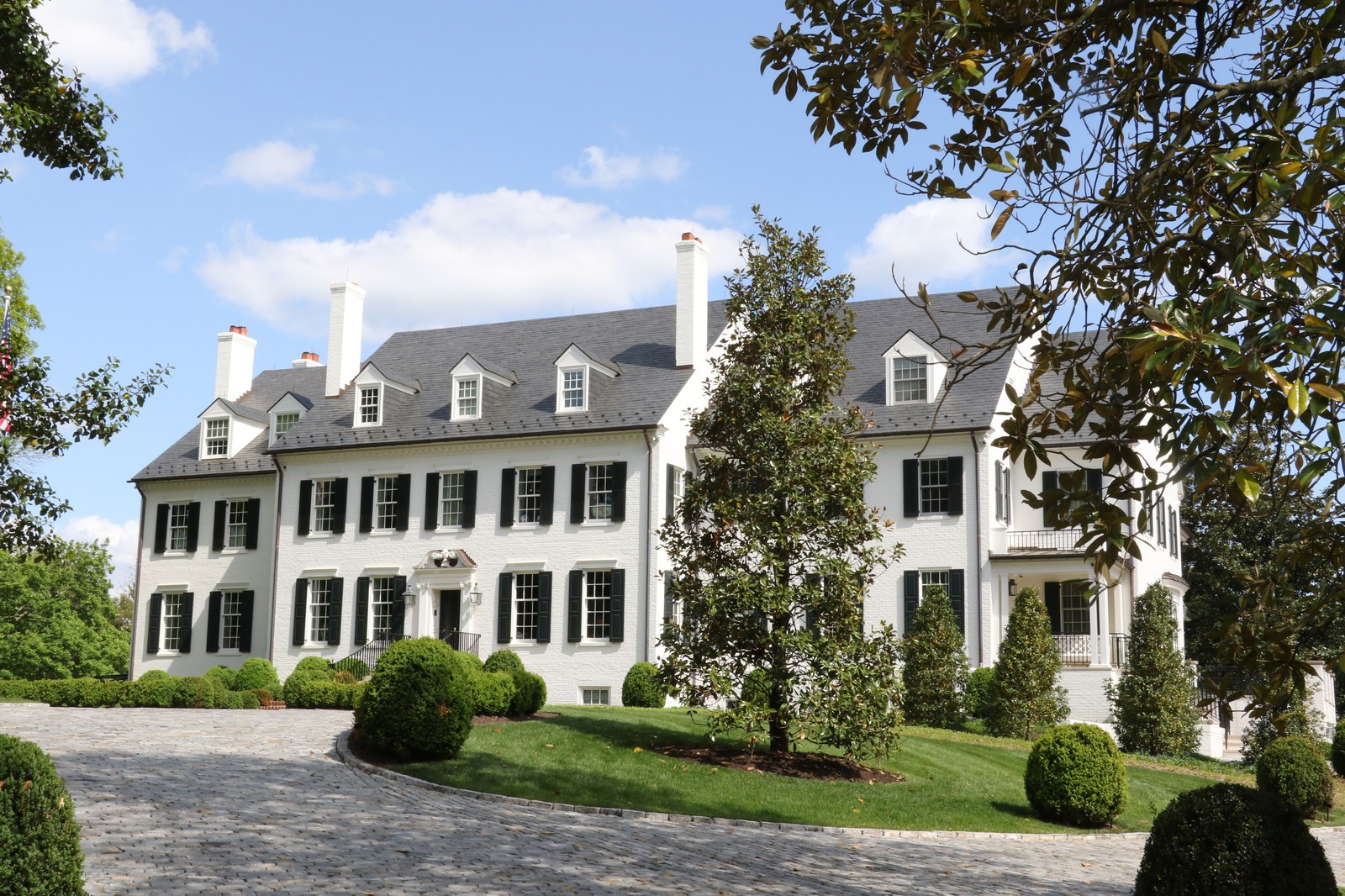
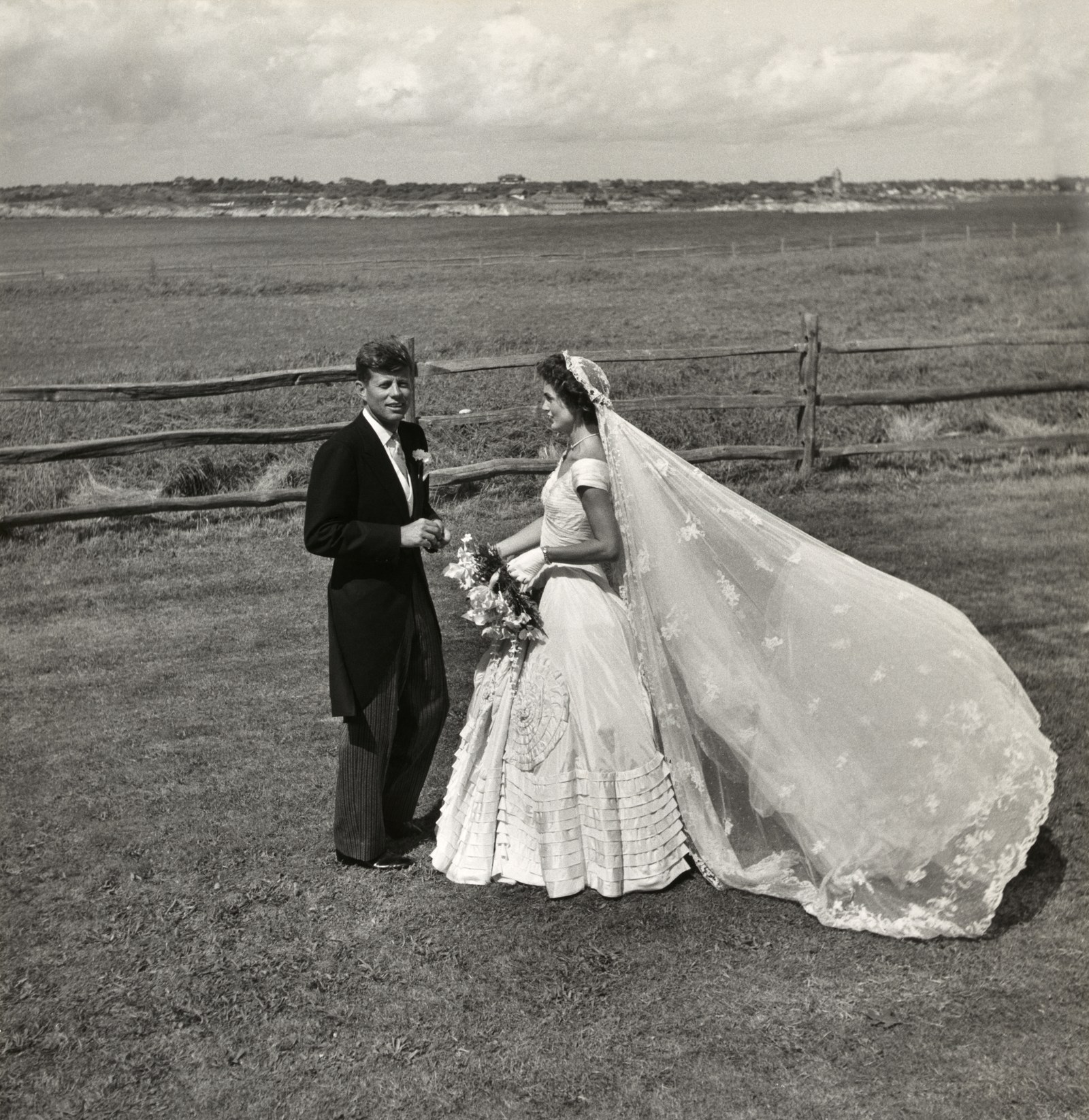
In June 1955, Senator John F. Kennedy and his wife Jacqueline paid $125,000 for a six-acre estate off Chain Bridge Road in McLean, Virginia. It was their first real home together, purchased two years into their marriage from the widow of the late Supreme Court Justice Robert H. Jackson. The white brick Georgian house was called Hickory Hill.
Jackie’s mother, Mrs. Hugh D. Auchincloss, lived just two miles down the same road at Merrywood. The Kennedys planned to spend the summer of 1955 at Merrywood while the Auchinclosses were away, then move into Hickory Hill in the fall.
A Freshman Senator With Local Sway
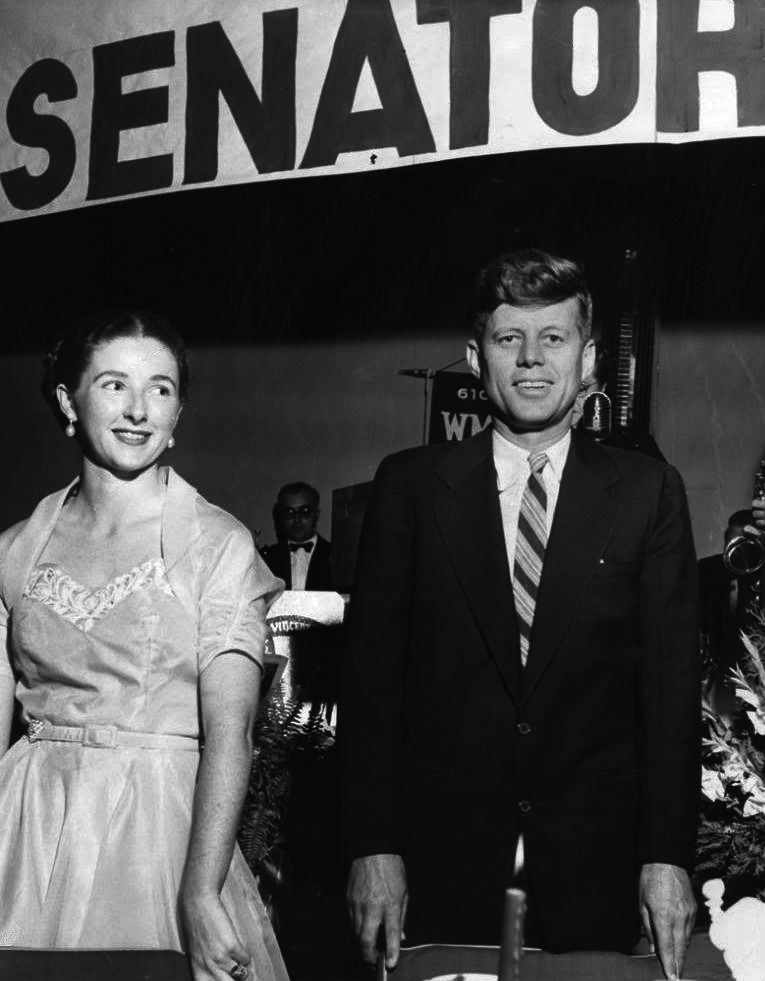
Kennedy had been in the Senate for two and a half years when he bought Hickory Hill. He was 38, still finding his footing in Washington, and now he was a McLean resident. That fact would matter more than it should have.
The mid-1950s were a rough time for anyone who liked a quiet road in Northern Virginia. The Beltway was still on the drawing board. Fairfax County was starting the growth curve that would double its population by the end of the decade. Virginia highway planners were looking hard at every rural two-lane in the area, including Chain Bridge Road, and deciding which ones to widen into commuter arteries.
The Road Fight
The story survives in a 1969 Washington Post feature marking McLean’s bicentennial. Robert A. Alden’s package on the town includes a small sidebar headlined “JFK Fought Boulevard Route” that lays out what the young senator did before the road was ever poured.
John F. Kennedy became a McLean resident shortly after becoming a senator from Massachusetts. He played a leading role in determining the route of the future Dolley Madison Boulevard, McLean’s principal thoroughfare.
Mr. Kennedy was among those credited with persuading Virginia highway authorities to pursue a route across largely open fields rather than widen Chain Bridge Road which would have destroyed one of McLean’s most beautiful streets, which he lived on.
The Washington Post, Nov 27, 1969
The result is the road grid McLean still uses. Dolley Madison Boulevard, the modern VA-123, runs on a new alignment cut across what were then open fields. Chain Bridge Road stayed the old lane it had been, keeping the shade trees and the country curves the highway planners wanted to bulldoze.
Hickory Hill Before the Kennedys
The house Kennedy was trying to protect had a history longer than his tenure. Architectural historians date it to about 1870, since it does not appear on an 1865 ordnance map of the area. Local tradition holds that Union General George McClellan used it as a headquarters during the Civil War, though records that might confirm the claim were lost when Fairfax County courthouse records burned during the Civil War.
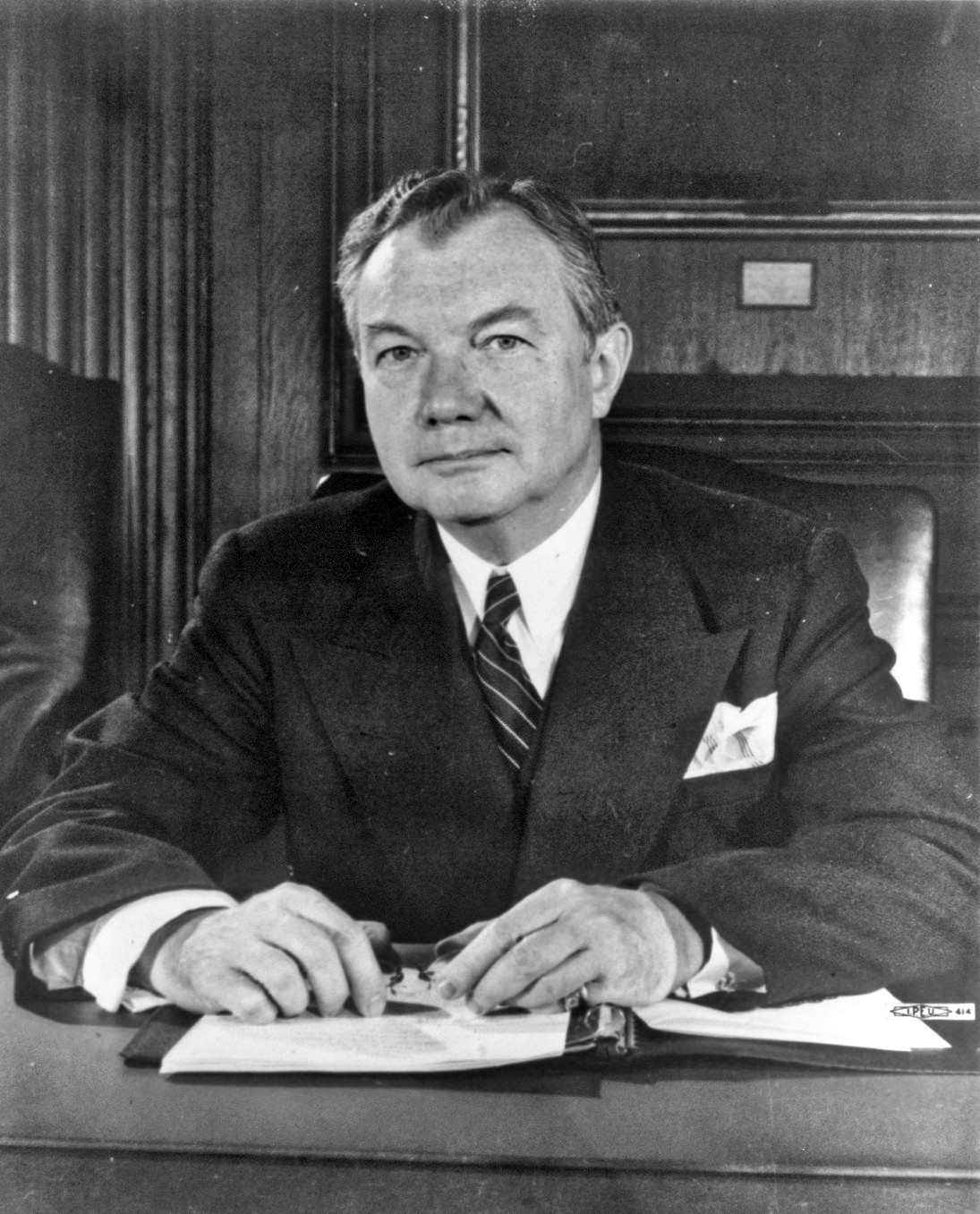
Justice Robert H. Jackson bought Hickory Hill in July 1941, a few weeks after Franklin Roosevelt nominated him to the Supreme Court. Jackson took a leave from the Court in 1945 to serve as chief U.S. prosecutor at the Nuremberg trials. He died in October 1954, and his widow Irene sold the house to the Kennedys the following spring.
Dorothy McCardle’s June 1955 piece on the sale in the Post lingered on the Georgian details. Seven fireplaces with authentic mantels. A front door said to have been shipped over intact from England. White oaks on the lawn that tree experts pegged at more than 300 years old. The name Hickory Hill came from the great sentinel hickories along the sweeping approach.
A Short Kennedy Chapter
JFK and Jackie owned Hickory Hill for only about a year. After the 1956 Democratic National Convention, where JFK narrowly lost the vice presidential nomination to Estes Kefauver, the couple sold the house to Bobby and Ethel Kennedy. Ethel was pregnant with their fifth child. Jackie had suffered a devastating miscarriage that August. The house had been outfitted with a nursery. For the Kennedys, it stopped feeling like a starter home and started feeling like a house they were not yet ready to fill.
JFK and Jackie would circle back to the Virginia horse country later, as a presidential couple. In 1962 they bought 39 acres from Hubert Phipps in Fauquier County, about 40 miles west of Chain Bridge Road, and built Wexford, the only house they ever designed together.
Bobby and Ethel would fill it eleven times over. Hickory Hill stayed in the RFK family until 2009. When Ethel Kennedy sold the estate that December, the buyer paid $8.25 million and gave the mansion a full renovation.
McLean’s Deep Backstory
The 1969 Post package that captured the Kennedy road story also traced McLean’s earlier lives. The first effort to organize a town center in the area came in 1772, when Philip Ludwell Lee laid out a community he called Philee. In 1790 it became Matildaville, named for Lee’s daughter Matilda, the first wife of Henry “Lighthorse Harry” Lee.
South Lowell, Potomac, Lewinsville, and Langley followed as organized settlements. Lewinsville and Langley combined to form McLean in 1910. The town was named for John R. McLean, publisher of The Washington Post and Cincinnati Enquirer and principal stockholder in the Great Falls and Old Dominion Electric Railway that ran through the area.
Chain Bridge Road today runs out toward Langley, the McLean enclave that gave the CIA its name. In the other direction, past the RFK compound and past what used to be Merrywood, it descends toward the Chain Bridge itself and crosses the Potomac into Northwest DC.
The next fight over the Kennedy family’s road came in 1962 and 1963, when a developer began building high-rise apartment towers next to Merrywood. That effort drew in Interior Secretary Stewart Udall, who lived nearby, and set off a battle over scenic easements along the Potomac shoreline. That fight is a story for another day.
We dug this one up with help from AI and checked it against the original records below. Here’s how we use AI.