
Military
Washington has been a military city since its founding, from the Civil War forts that ringed the capital to the Pentagon across the river. These posts cover the soldiers, bases, battles, and defense history that have shaped the DC area over more than two centuries.
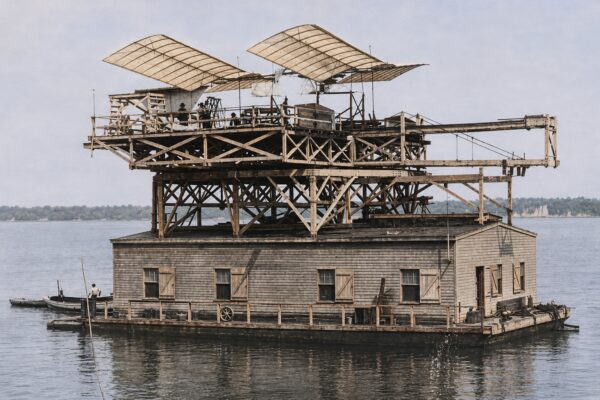
Charles Manly went into the icy Potomac under Langley’s wrecked flying machine, tore off his cork jacket to get free and was hauled out “blue to the lips.”

The house had Parisian satin damask, imported chandeliers, and a bronze-and-gold staircase. A 1921 newspaper account reads like a tour of a French chateau.
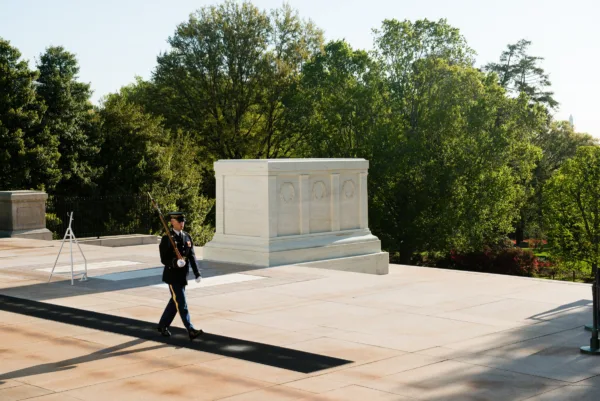
The guard at the Tomb of the Unknown Soldier is there because of respect, or the lack of it. In the 1920s visitors sat on the Tomb and ate lunch on it.
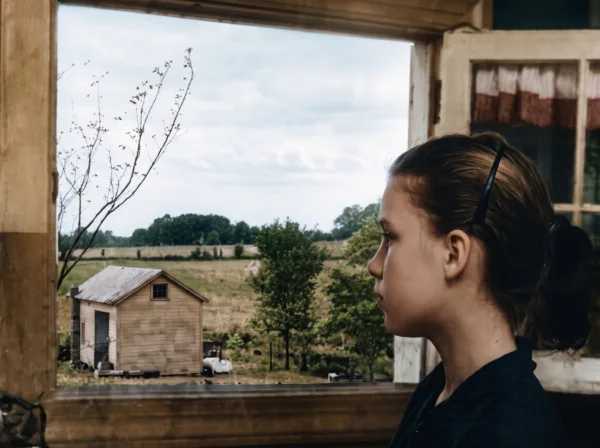
In May 1954, a carpenter on Pope’s Head Road shrugged at the Nike missile battery going up next door. At least, he said, folks would know where the road was.
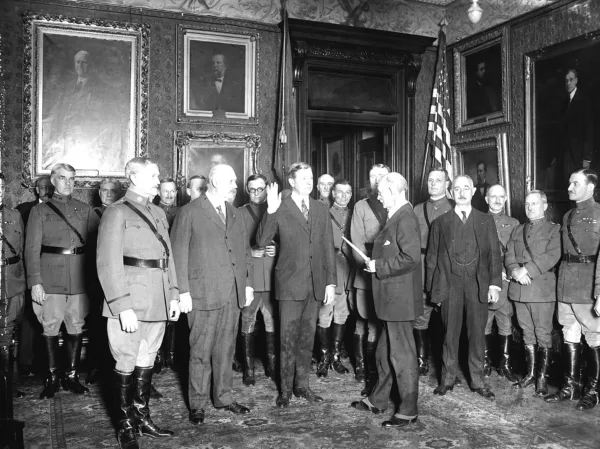
Three former US Secretaries of War, Jacob Dickinson, Newton Baker, and Dwight Davis, lived in three different Washington houses while serving in the Cabinet. All three buildings are still standing today.
There’s more where these came from.
Lost Washington stories in your inbox most mornings: the newest, plus a few from the archive.

Photographs from the October 1967 March on the Pentagon organized by the National Mobilization Committee to End the War in Vietnam, showing crowds at the Lincoln Memorial.
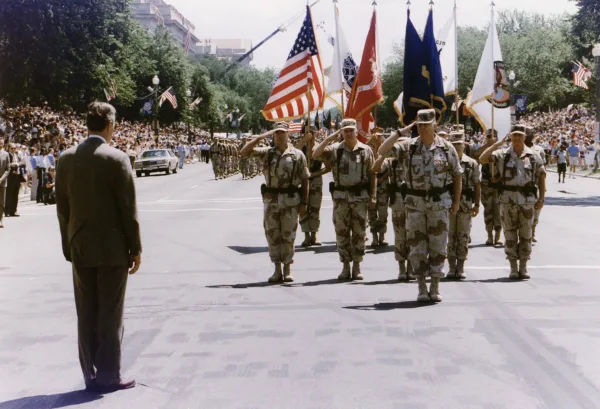
Washington welcomed Desert Storm troops home on June 8, 1991, with a parade, military flyovers and a day of public events.
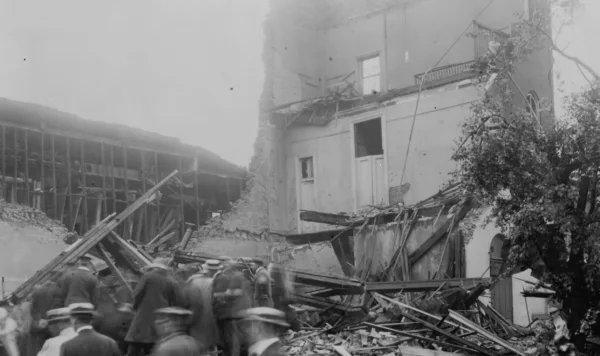
A waterspout rose from the Potomac below Alexandria, came ashore, and tore a 15-mile path across Washington in under half an hour.

Lincoln signed off on a naval hospital in 1864. By the time it opened on Capitol Hill in 1866, the war it was built for was already over.
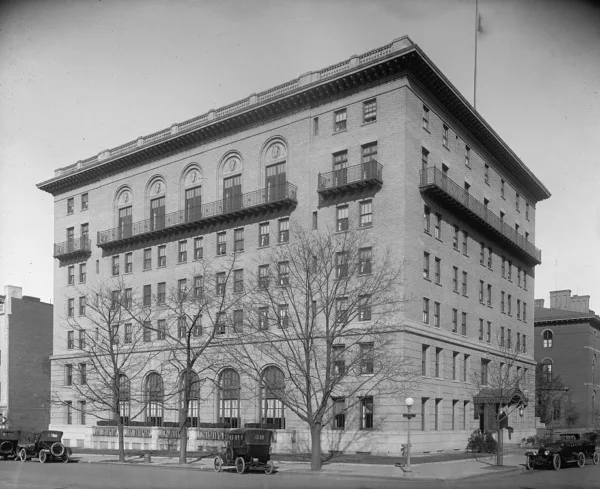
The Army and Navy Club has held the corner of 17th and I Streets NW since 1891, in a building that opened in 1912. In 1987 Shalom Baranes gutted everything behind that facade. The facade survived. Almost nothing else did.
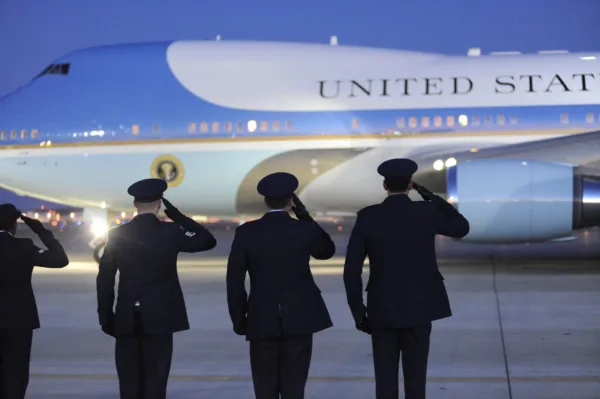
Andrews honors Lieutenant General Frank Maxwell Andrews. The base began as Camp Springs Army Air Base before its name changed in 1945.
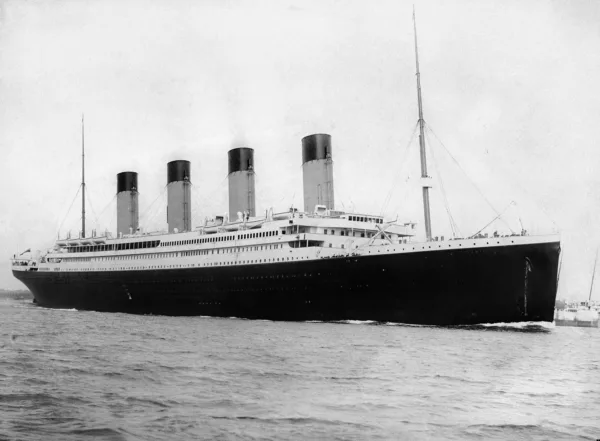
“Never did I know how much he was to me until he was dead.” The story of Archibald Butt, the aide President Taft sent away to rest — who booked his return trip on the Titanic.
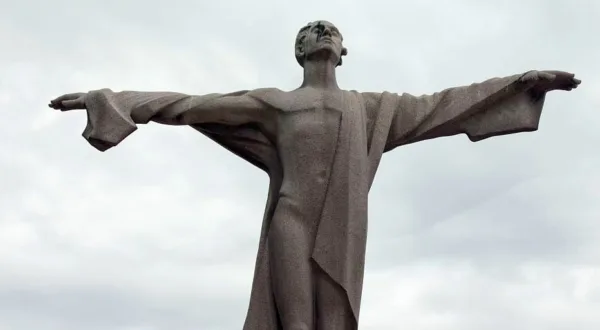
Washington commemorated Titanic victims with the Butt-Millet fountain and a separate memorial funded by women across the country.
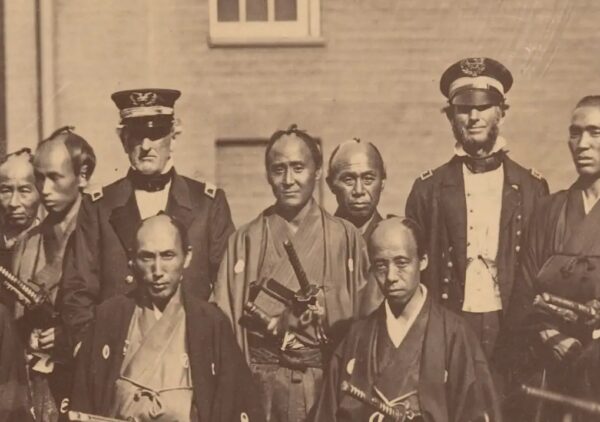
Japan’s envoys arrived at the Washington Navy Yard in May 1860, drawing crowds before their reception with President Buchanan at the White House.

The story of Allen L. Adams, a soldier who dropped out of high school in 1965 to join the Army and was stationed at Ft. Myer in 1967. He disappeared one night, and it wasn’t until 1996 that his body was found in an abandoned building. This unsolved mystery still remains.
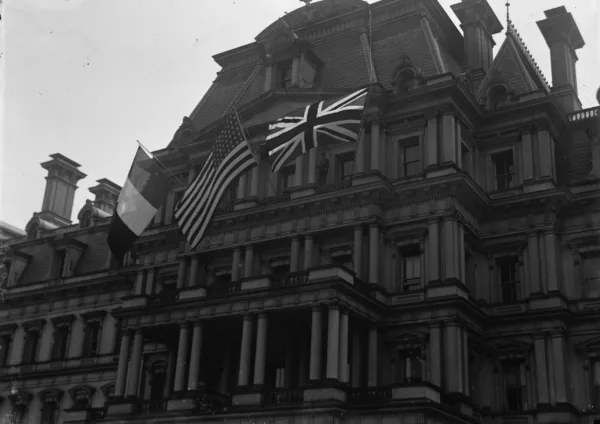
French, American and British flags fly together above the building.

William Strickland’s engravings record the damaged Capitol and President’s House after British forces burned Washington in August 1814.
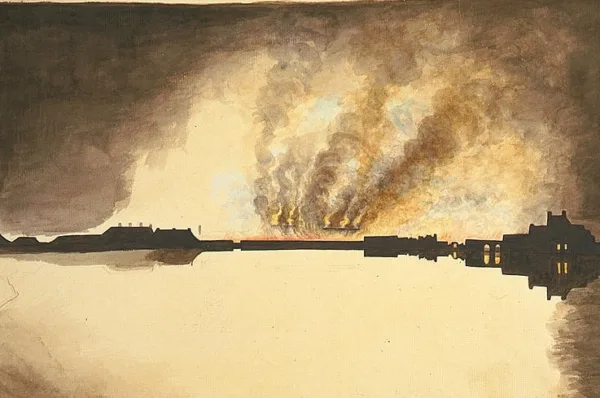
The Federal Republican and The Columbian reported the capital’s destruction and called citizens to arms in August 1814.
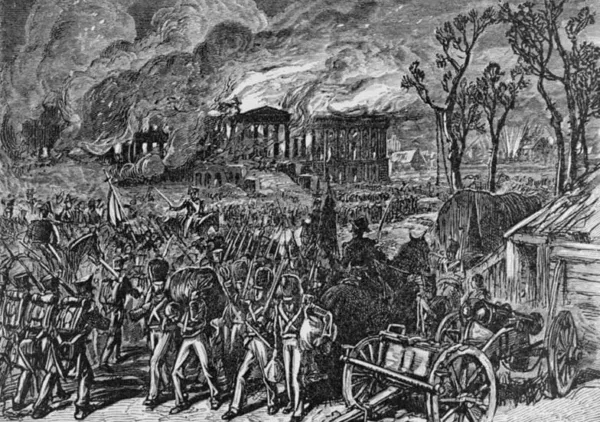
Read The Washington Times’ 1914 article on the 100th anniversary of the Burning of Washington, including major players’ reactions, rumors leading up to it, and President Madison’s disbelief.
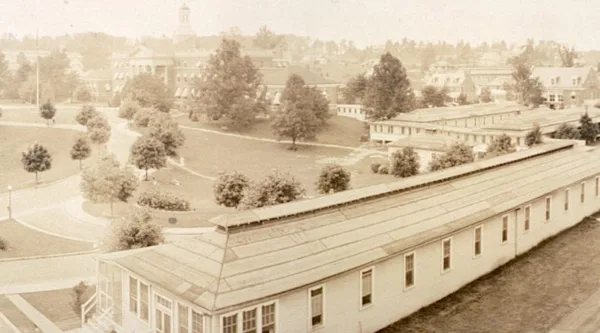
This panoramic photograph records the hospital in 1919.