
Georgetown
Georgetown is one of Washington’s oldest neighborhoods, predating the federal city itself. These posts explore its colonial-era streets, Federal rowhouses, working waterfront, and the characters who shaped one of DC’s most enduring communities.
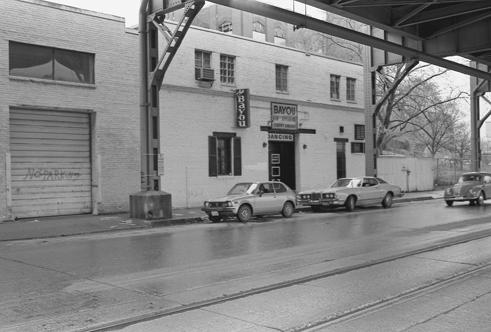 The Bayou: 45 Years Under the Whitehurst Freeway
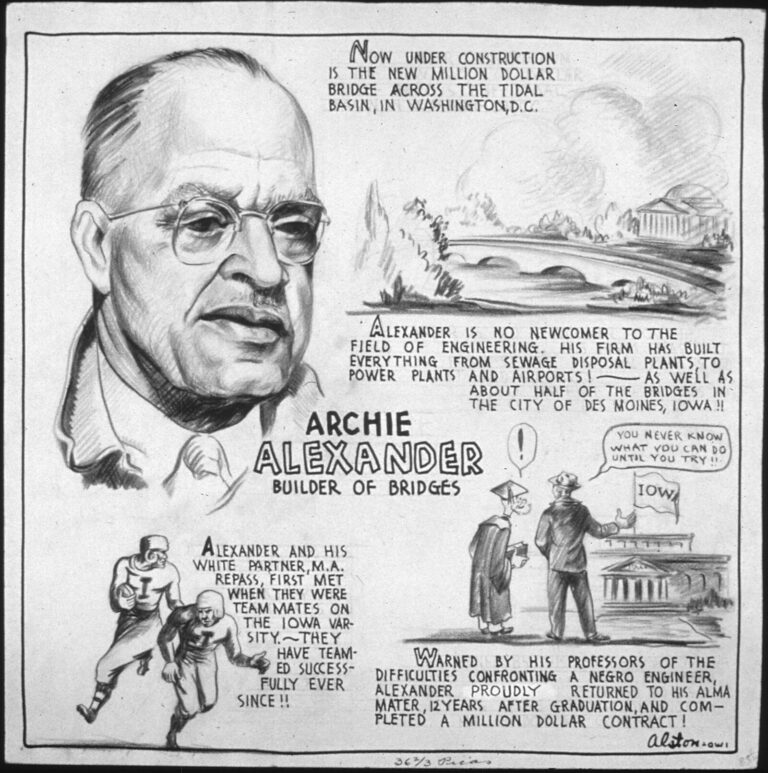 The Duo Who Built D.C.’s First Freeway: Archie Alexander, Maurice Repass, and the Whitehurst Story
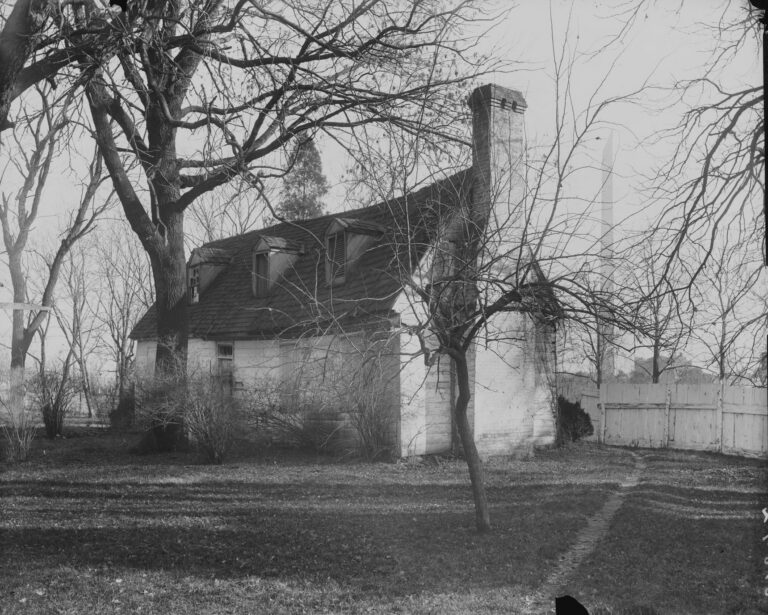 Who Owned the Land That Became Washington, DC?
Get new stories by email
The lost and untold stories of Washington, DC, in your inbox.
 Washington DC in the 1960s: Rush Hour on Wisconsin Avenue
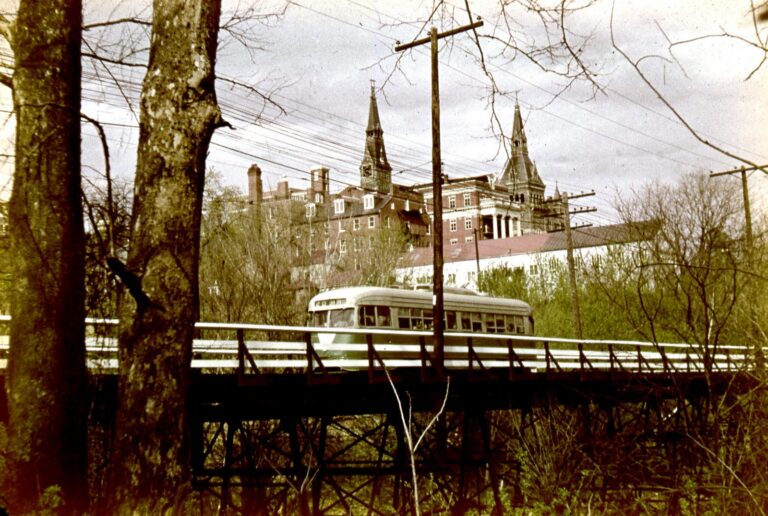 Foundry Branch Trestle: DC’s Last Streetcar Bridge
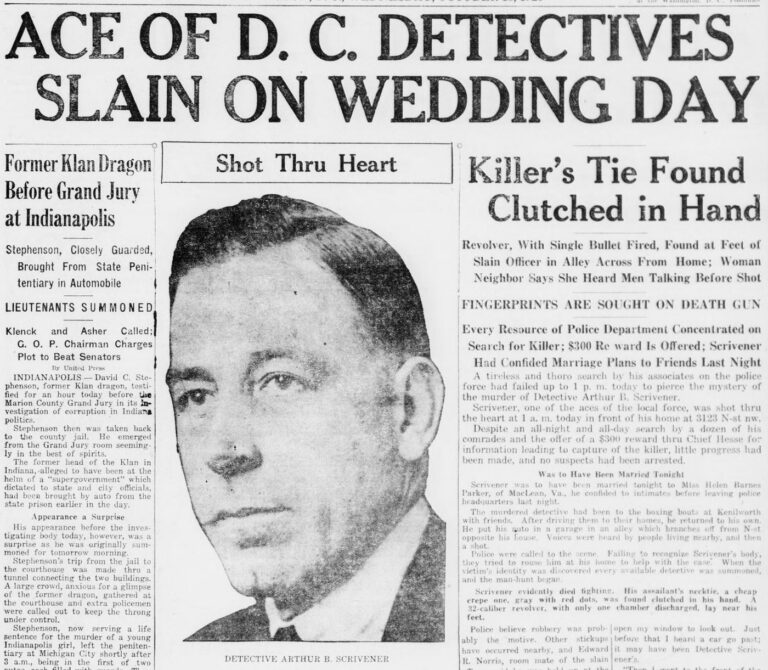 Arthur Scrivener: Murder or Suicide in a Georgetown Alley, 1926
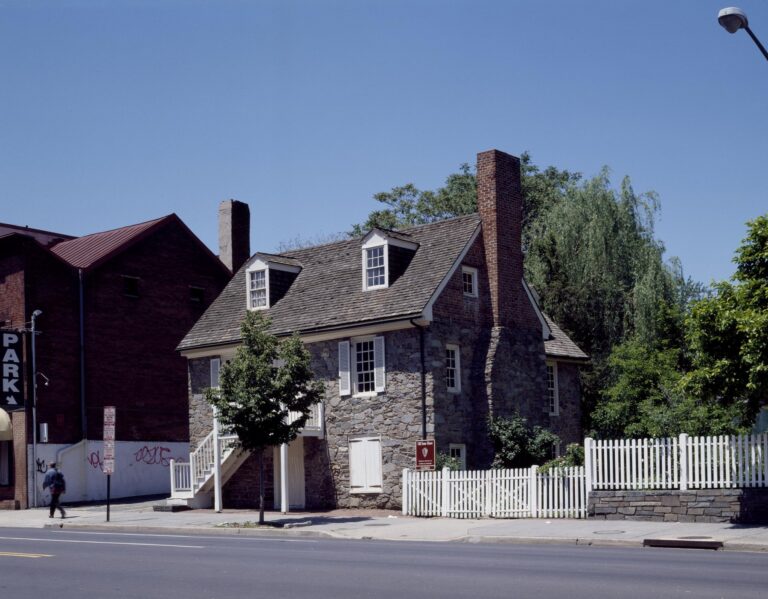 Is the Old Stone House Haunted? Georgetown’s 1765 Survivor
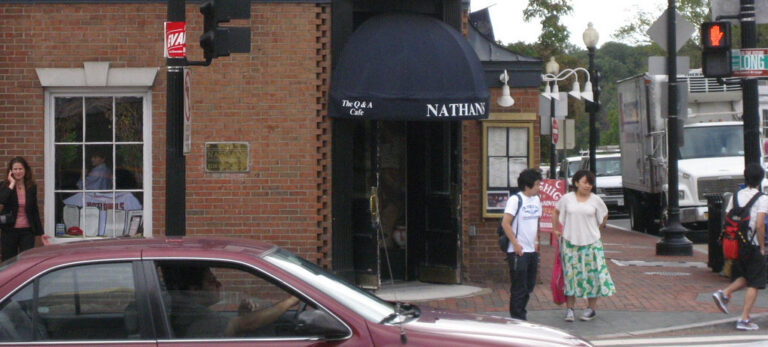 Nathans Georgetown: 40 Years at 3150 M Street, and What’s There Now
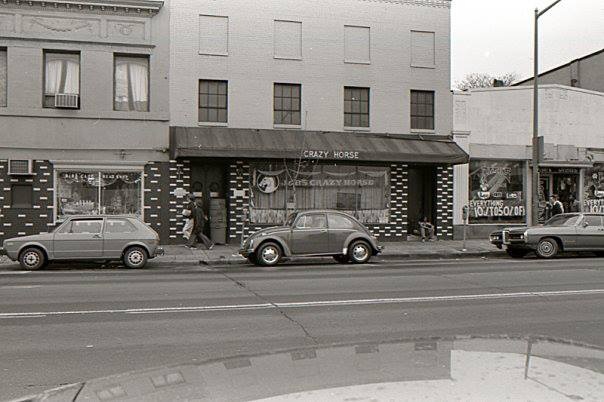 The Crazy Horse: The Wild Life of 3259 M Street, Georgetown
More storiesShowing 9 of 85