Hechinger Started as a Demolition Company in 1911
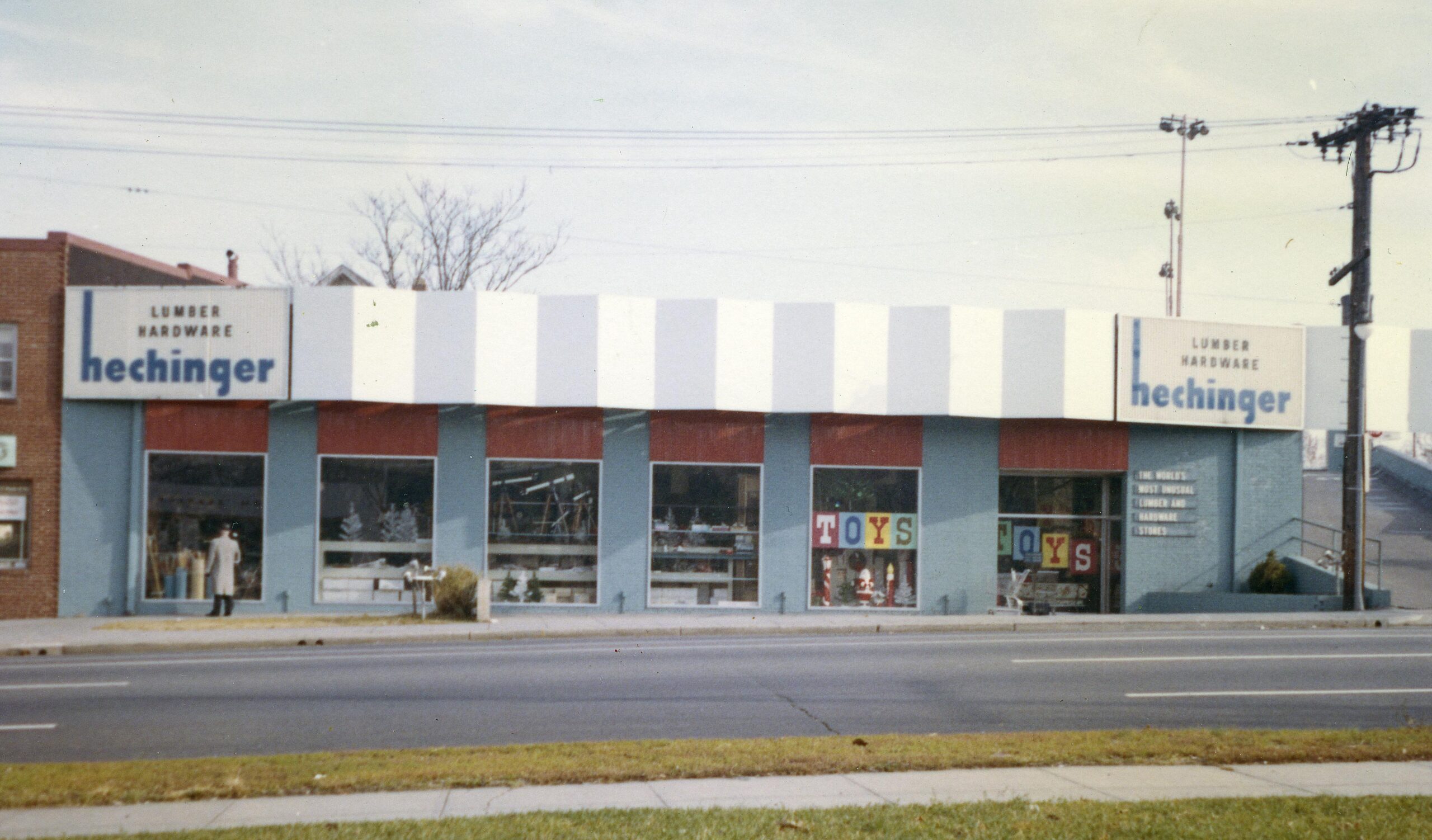
The Hechinger hardware empire began in 1911 as a Southwest DC wrecking crew. The story of Sidney Hechinger, the navy-blue H, and the bankruptcy that ended it in 1999.
One of DC’s early streetcar suburbs, Tenleytown developed along Wisconsin Avenue NW and retains traces of its 19th-century origins beneath its modern commercial strip, including the site of Fort Reno, the highest point in the city.
The Hechinger hardware empire began in 1911 as a Southwest DC wrecking crew. The story of Sidney Hechinger, the navy-blue H, and the bankruptcy that ended it in 1999.
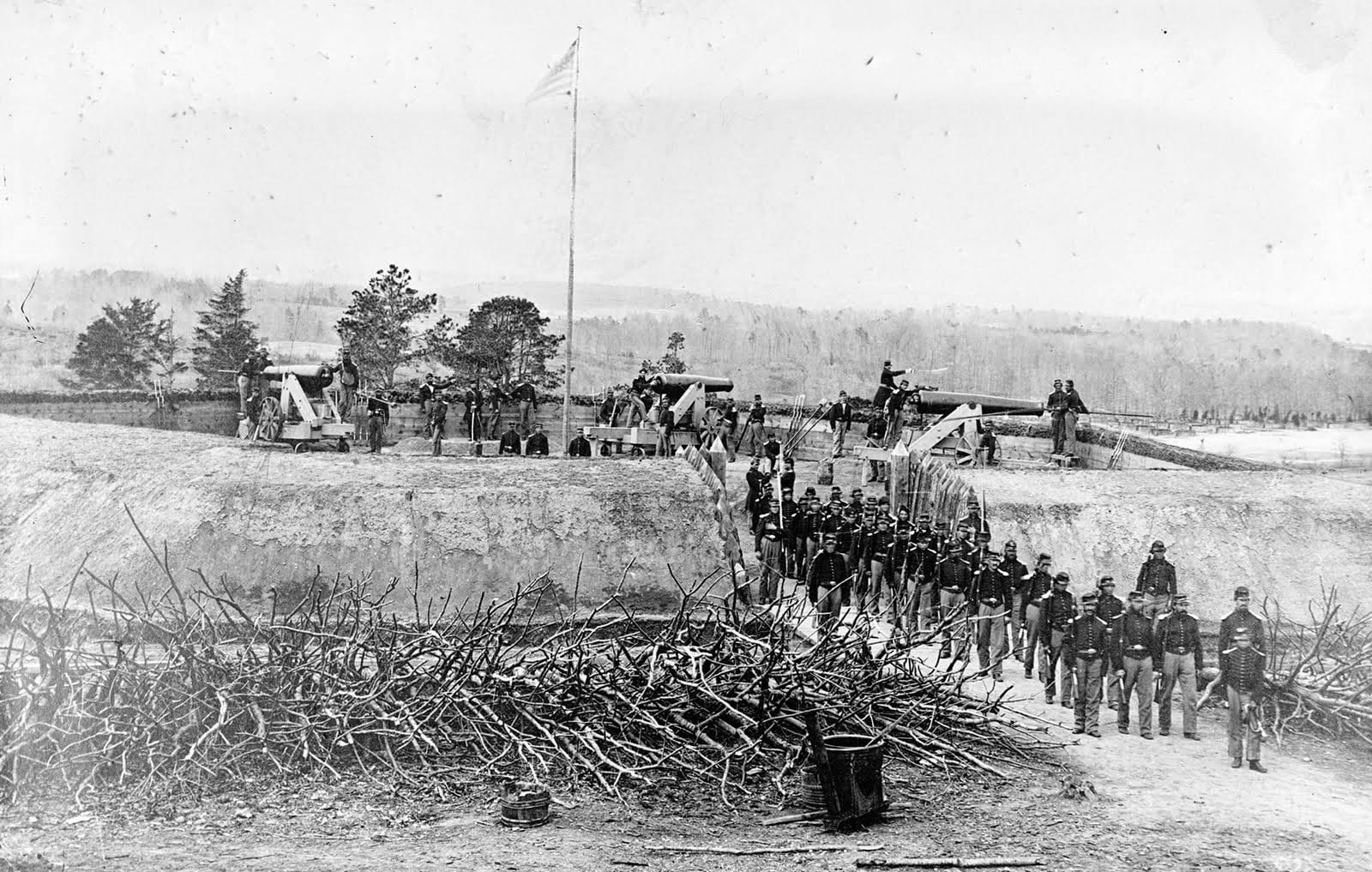
The Civil War reached the outer edges of Washington in 1864. It was so close that President Lincoln rode near the front lines of Fort Stevens and came under fire.

Take a look at this fascinating 1894 map of Tennallytown and Reno, done by G.M. Hopkins & Co. We’ll point out a few things of note and invite you to share what else you notice. Happy Friday!
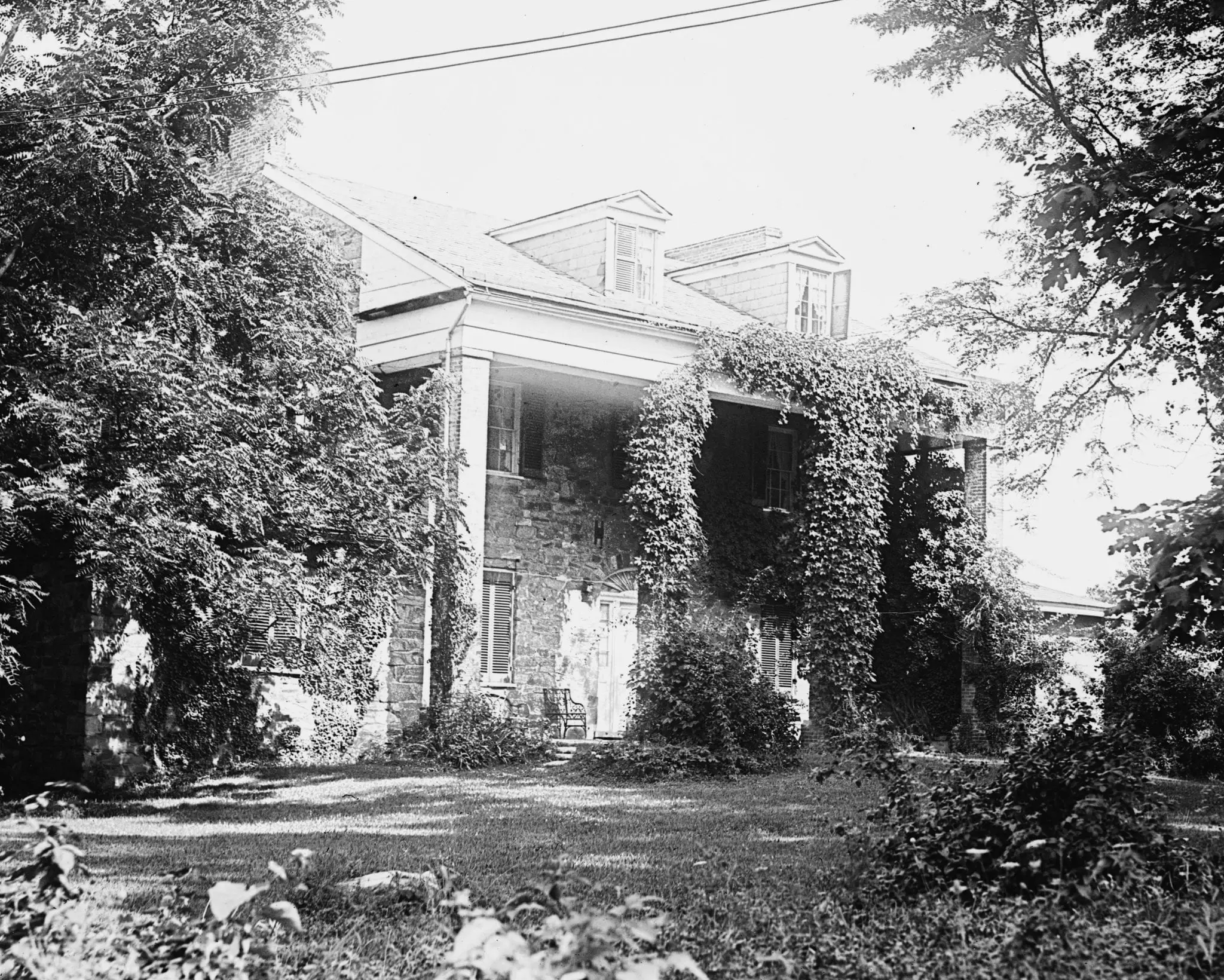
A look at the Charles Joseph Nourse House, an 1827 farm house located in Tennallytown. Learn about the history of the house and view photos of the beautiful old home.
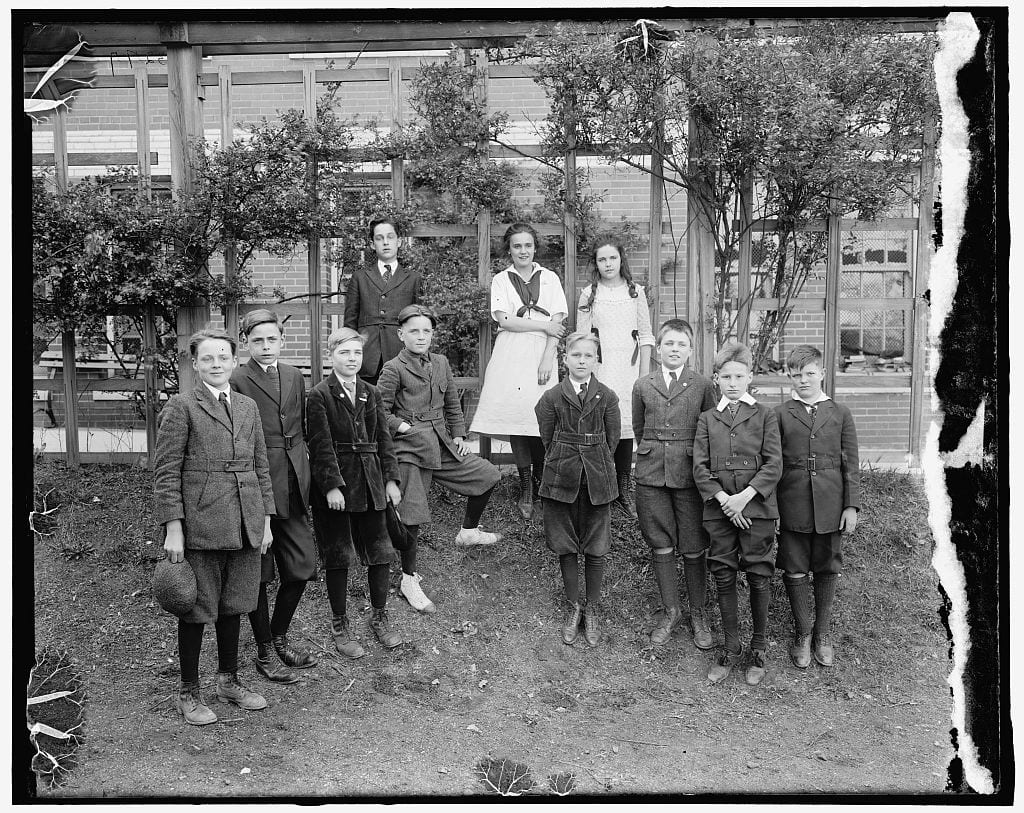
Learn about the history of D.C. public elementary schools Janney, Gibbs, Eaton and Watkins. We explore the background behind their names and the people they were named for.
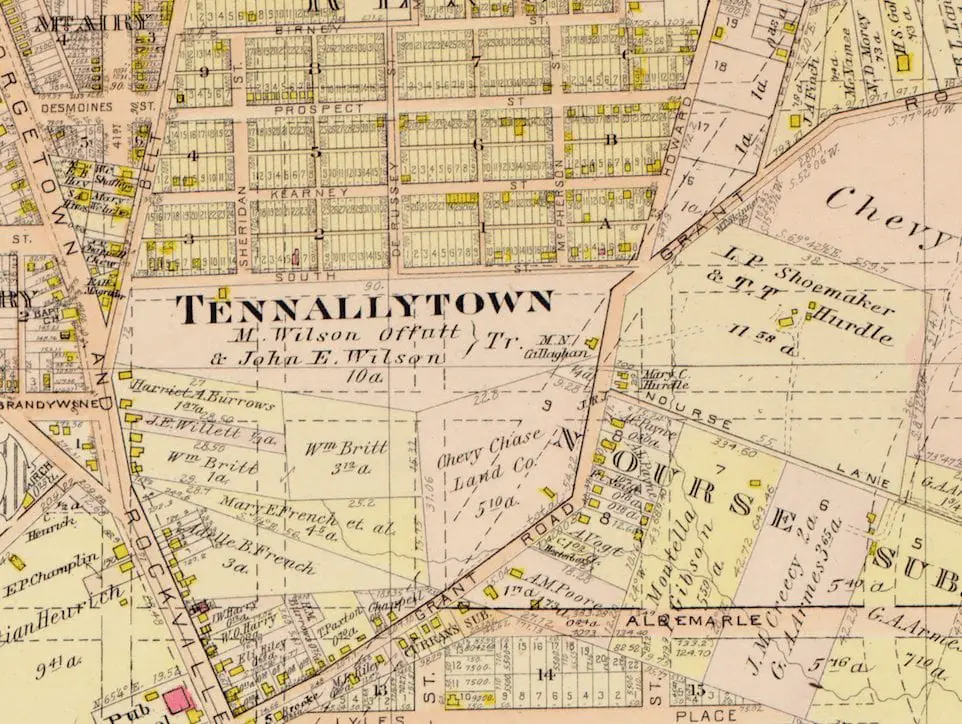
Take a journey through time with this fascinating post about the history of Tennallytown. From a 1903 map to a modern-day Google Map, you won’t want to miss this fascinating post.
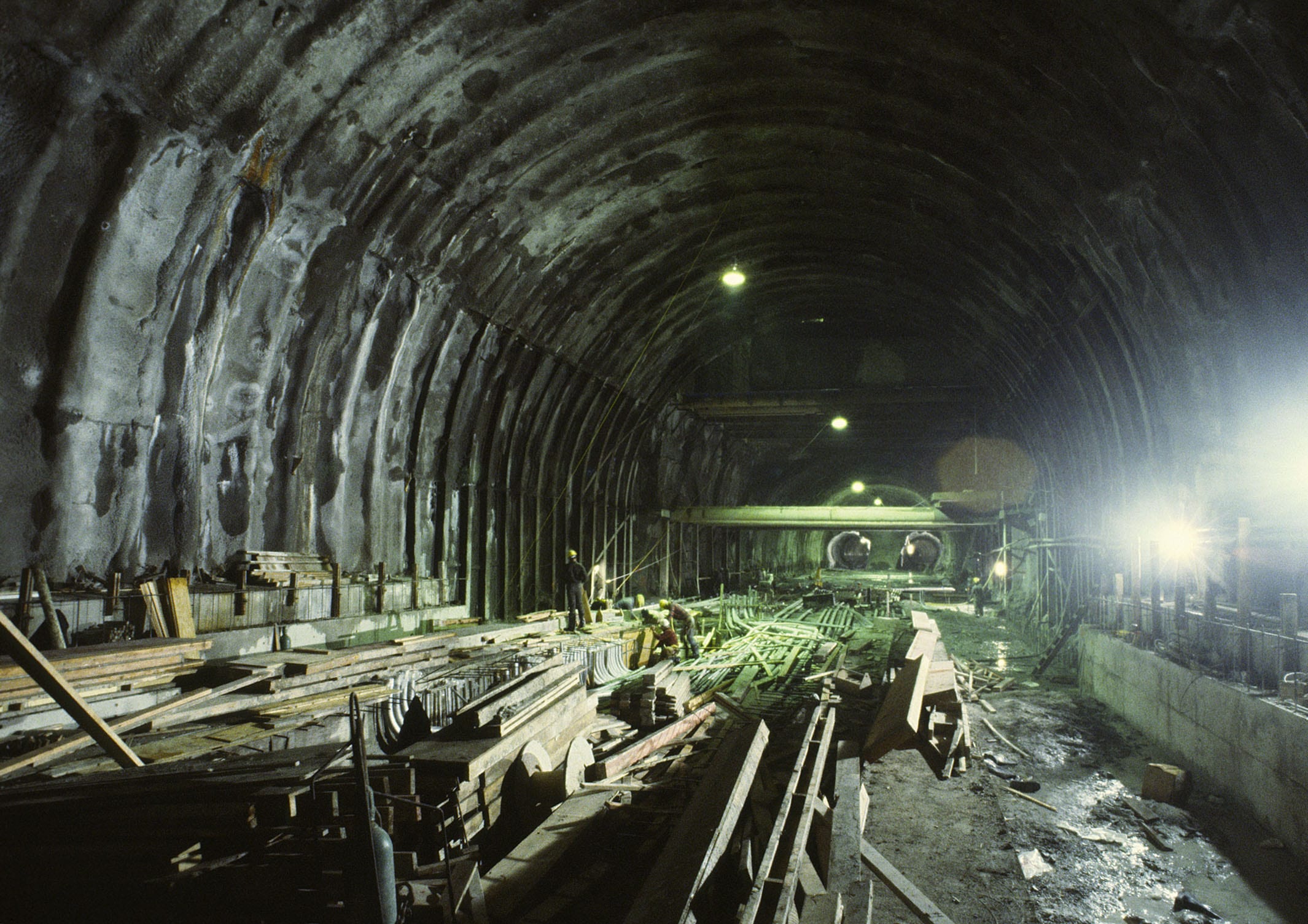
Take a trip back in time to the 1970s and learn about the construction of the Metro along Wisconsin Avenue. We’ve dug up an old Washington Post article from 1978 and a great diagram!
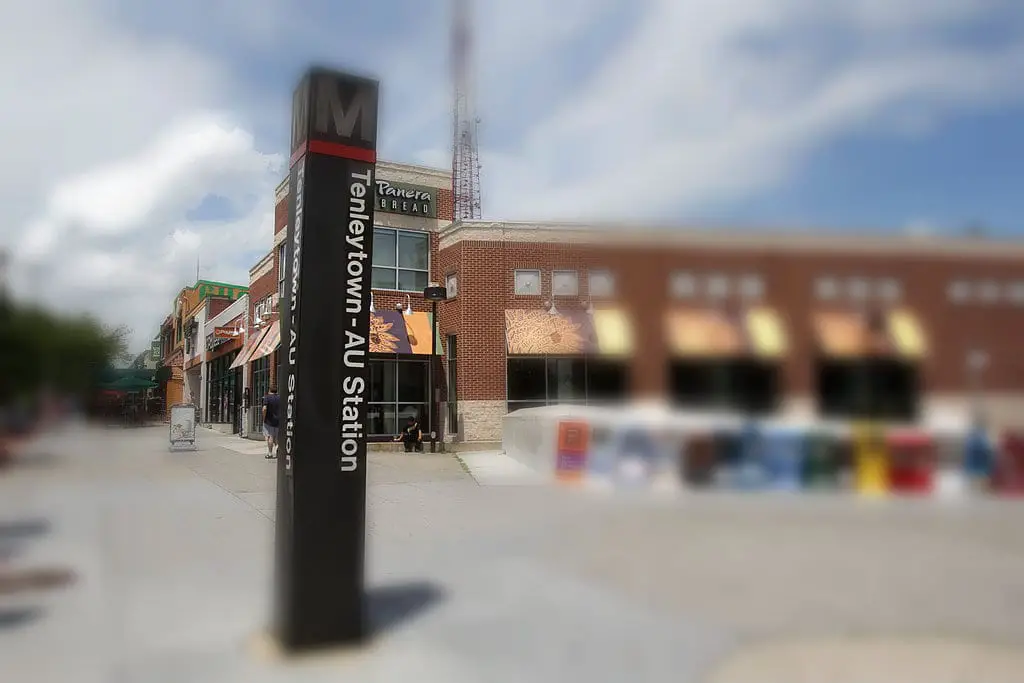
Tenleytown takes its name from John Tennally, an illiterate tavern keeper who ran an inn at the corner of River Road and the Georgetown-Rockville Turnpike around 1790. He signed his name with an X. The resulting spelling free-for-all lasted 200 years.
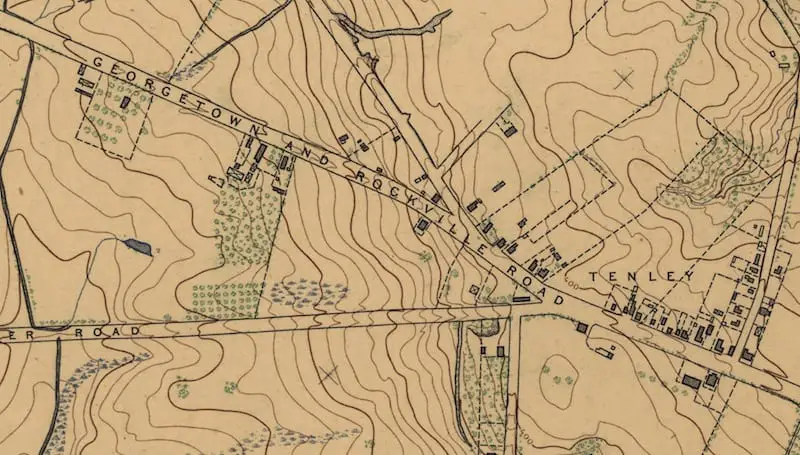
Check out this awesome U.S. Coast and Geodetic Survey map from 1892 showing a very rural upper northwest Washington. Take a journey back in time and explore this topographic map of the area surrounding what is now Tenleytown!