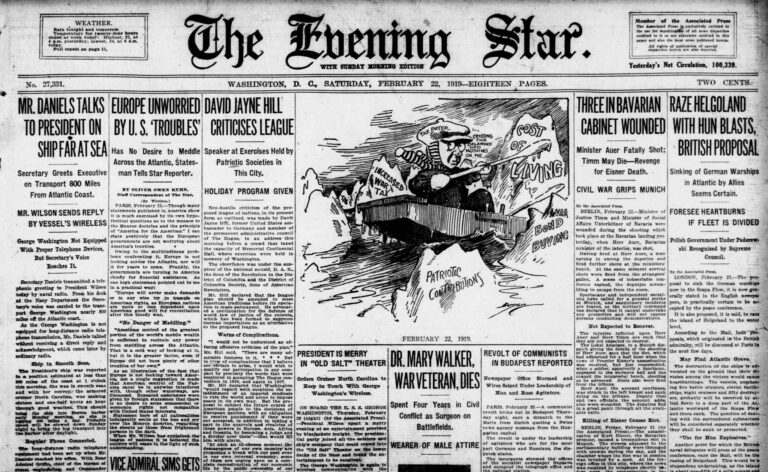

On Friday, January 31, 1958, the Evening Star ran a long story about a Washington psychiatrist who had spent two days examining the city’s most stubborn criminal defendant. The subhead used a phrase I had never seen anywhere else. ‘Bad Man’ Not Insane When Examined. The lede went one further. The doctor, the Star said, had found “the ‘Bad Man of Swampoodle’ sane though potentially dangerous.”
The nickname stuck. For the next three years the Evening Star kept calling him that. Editorial pages, breaking-news ledes, trial coverage. By the time Dallas O. Williams shot two men dead at a Florida Avenue gas station in March 1961, “the Bad Man of Swampoodle” was a fixed handle. The paper used it in the headline.
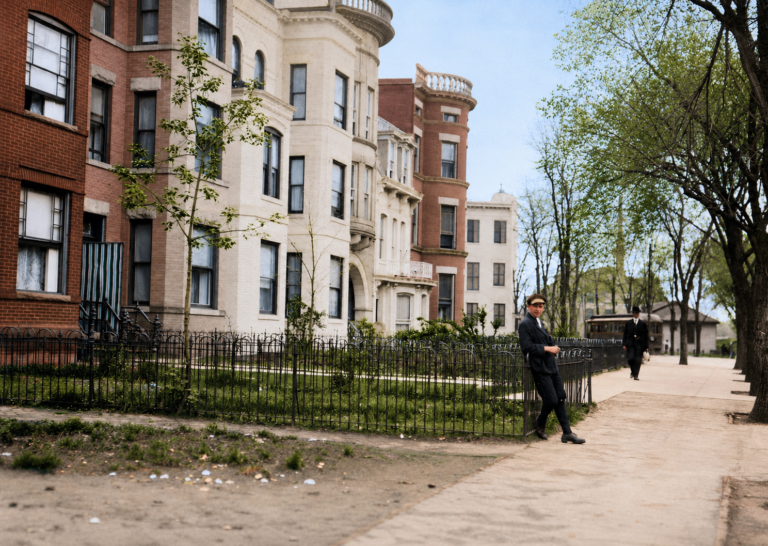
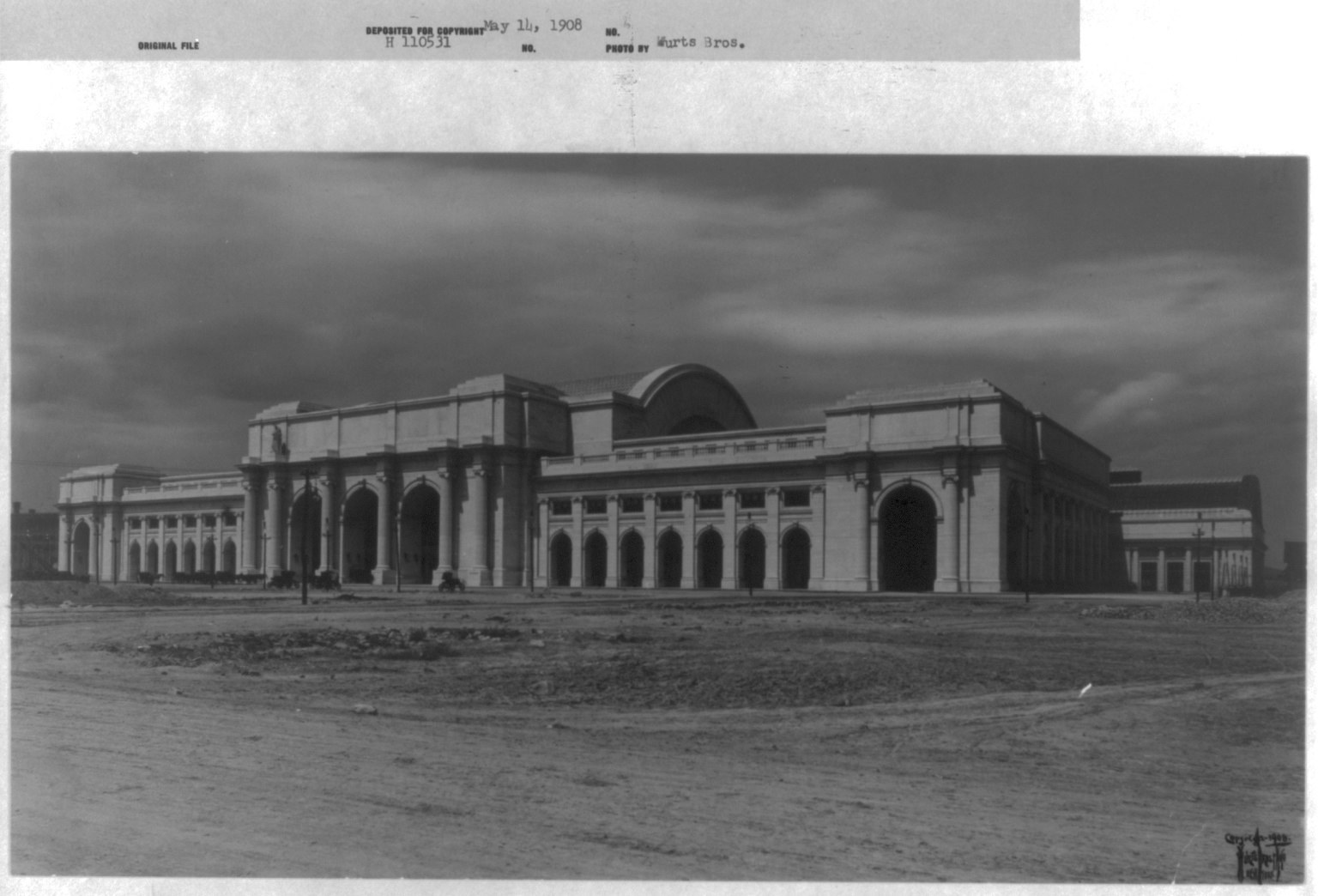
The strange thing is that Williams had no real claim on the neighborhood. Swampoodle, the old Irish slum at the foot of North Capitol Street, was demolished by 1908 for the rail yards behind Union Station. Williams was born around 1915. By the time he was old enough to be anybody’s bad man, the place the Star kept tying him to was already gone.
A neighborhood he was born too late to know
By the early 1900s, Swampoodle was on borrowed time. The First Street Tunnel ate the heart of it. Then the Beaux-Arts Union Station rose on top. I have written about that erasure elsewhere. The point for this post is the timing.
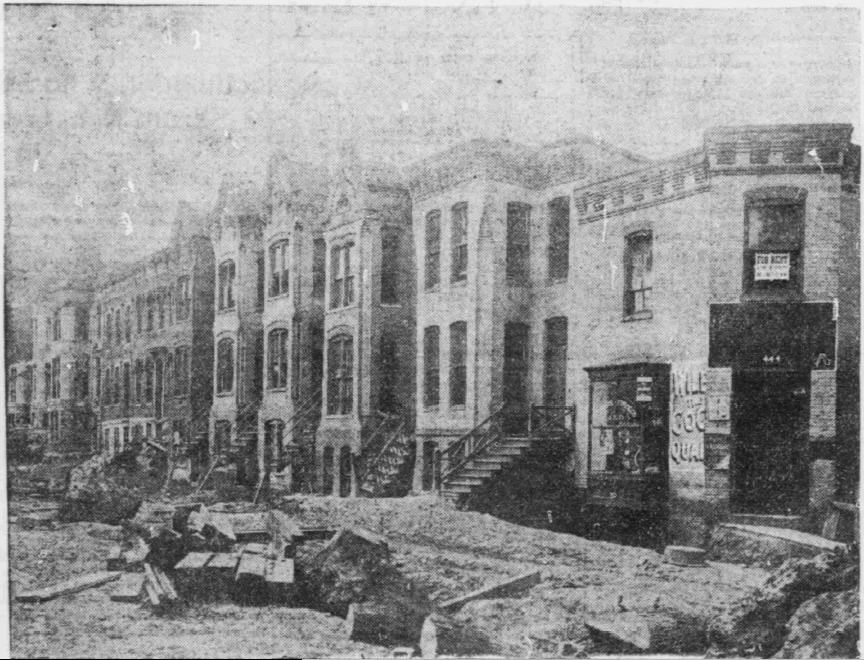
By 1915, when Williams was born, the rooftops above were rail tracks. What survived was the name. Star reporters and city editors who had come up in the 1920s and 1930s still used “Swampoodle” the way an old cop uses an old beat. It meant the kind of poor, cramped, hard-luck DC that the city’s reformers and rail planners kept trying to bulldoze out of existence.
Williams himself was Black, according to the way the Star described him in 1953. Swampoodle had been overwhelmingly Irish. The geographic match never made any literal sense. The label was metaphor, the kind a newsroom reaches for when an old paper needs an old-sounding name for a new problem.
Ten convictions by thirty-four
The clearest summary of Williams’s record comes from the D.C. Circuit itself, writing in 1963. Judge J. Skelly Wright opened the opinion this way.
Dallas Williams is not a newcomer to this court, or to courts generally. Without counting many other brushes with the law, by 1949, at the age of only 34 and despite incarceration during most of his adult life, he had been convicted of ten crimes of violence.
Ten violent convictions. Most of his adult life spent locked up already. The Star, a year and a half earlier, had put the lifetime tally at “more than 100 arrests” over twenty years.
On the night of September 26, 1949, Williams shot and wounded two men. He was thirty-four. That single charge of assault with a deadly weapon became the central case of his life. It would consume the next nine years of courtrooms, hospitals, and headlines, and it would not actually end with him in prison.
Five trials, three reversals
The 1949 charge went to trial five times between 1950 and 1956. Three of those trials ended in conviction. All three convictions were vacated.
The Evening Star, on February 3, 1953, covered an early mistrial with a line that would echo through the rest of the decade: “two psychiatrists testified that while Williams is now of unsound mind, they could not say whether he was mentally unbalanced at the time of the assault on September 26, 1949.”
By April 1955, the Star was reporting that “while awaiting trial a second time, Williams developed what psychiatrists termed ‘prison psychosis.’ He was committed to St. Elizabeths.” That commitment did not stick either. Each cycle through the hospital was a tactical pause. Each pause produced new diagnoses. Each new diagnosis fed the next trial.
The D.C. Circuit finally vacated the last conviction in December 1957. The opinion was written by David Bazelon, the same judge whose 1954 Durham decision had broadened the insanity defense in the District. Bazelon’s view of what had happened to Williams was unsparing.
He has already been confined for a total of about seven years in the course of this long prosecution, about six years in jail and about a year in St. Elizabeths Hospital.
The prosecutor, at the opening of the trial Bazelon was now reversing, had told the court, “This man has the worst criminal record for violence I have ever seen.” Bazelon quoted that line in a footnote, then laid out the underlying problem.
It is both wrong and foolish to punish where there is no blame and where punishment cannot correct.
And then, as if to make sure the prosecution understood that St. Elizabeths had not exactly been treating Williams either, he added a sentence that turns the whole arc inside out.
In his three previous commitments to St. Elizabeths Hospital, appellant received medical treatment only to the extent necessary to restore the cognitive powers thought to be required for trial competency.
The hospital, in other words, was patching him up just enough to be put back on trial. The court’s preferred outcome, said in the same paragraph, was civil commitment to a mental hospital.
The civil commitment that wasn’t
The Government tried. In January 1958 it filed a lunacy petition under the D.C. Code to keep Williams at St. Elizabeths. The D.C. Circuit, in Overholser v. Williams, dismantled it.
The petition filed by the Government in this case, no matter how liberally construed, does not comply with the code provisions. For example, it completely fails to allege, as D.C. Code § 21-310 requires, that Williams is ‘insane.’ Nor is any allegation made that he is ‘of unsound mind.’
The statute, the court explained, made verified allegations of insanity a “jurisdictional prerequisite to the institution of lunacy proceedings.” Even the doctors could not bring themselves to say it.
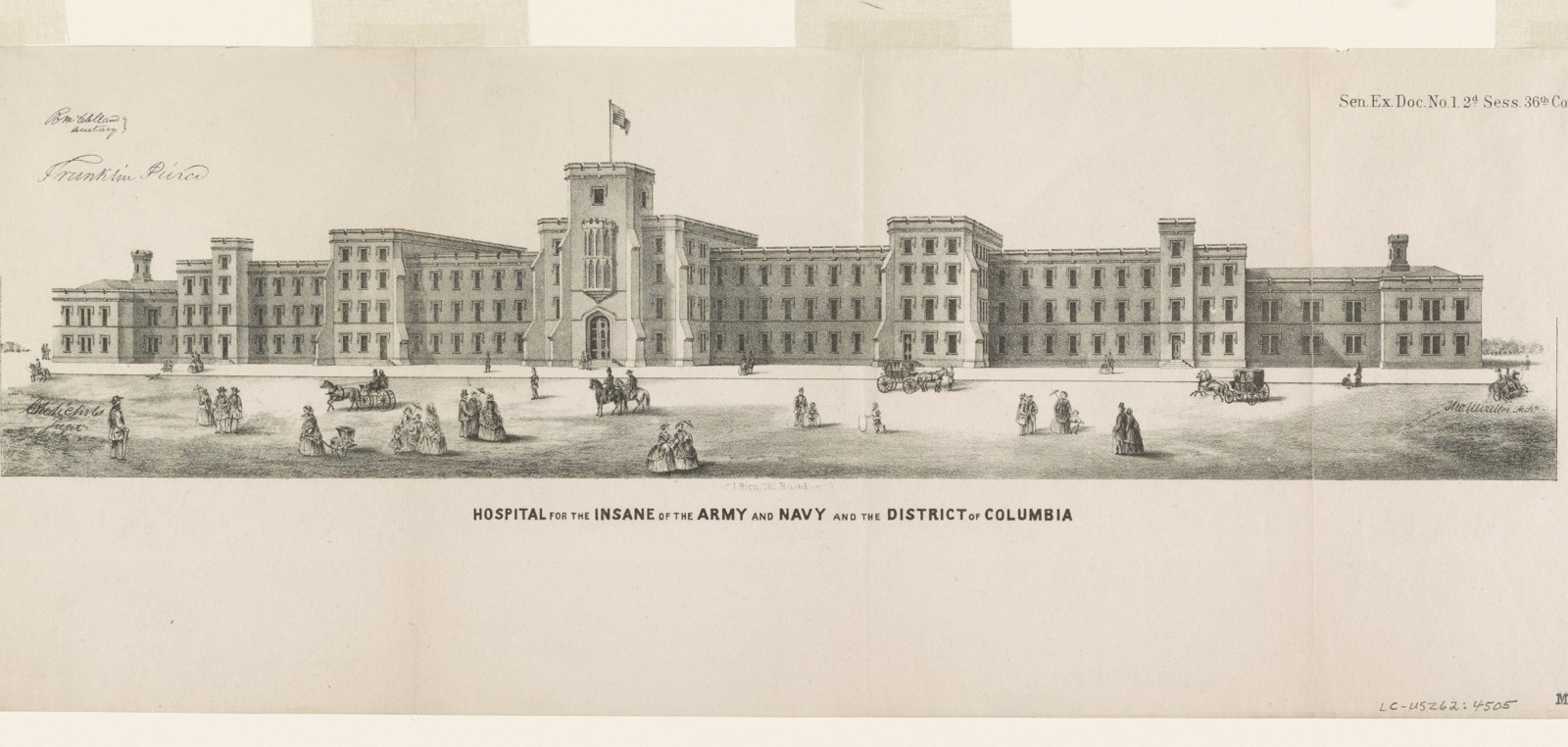
That was the bind. The Star caught it on January 31, 1958, in the article that introduced the nickname. A St. Elizabeths psychiatrist named Dr. J. T. Cody had written United States Attorney Oliver C. Gasch with his finding. The Star summarized: the doctor had found “the ‘Bad Man of Swampoodle’ sane though potentially dangerous.”
Sane enough to walk. Dangerous enough to worry about. Nothing in the District’s code knew what to do with that.
The Star’s editorial page was, by then, openly furious. Nine days earlier, on January 22, 1958, it had run a piece headlined “Sociopathic Justice.”
Everyone knows that Justice is blind. But the case of Dallas Williams raises a suspicion that Justice, in Washington, may also be suffering, figuratively speaking, from a mental disease or defect. By what rational process of Justice has Dallas Williams been turned loose?
The Municipal Court of Appeals, a year later, was just as plain. Judge Cayton, freeing Williams on a related intoxication charge in February 1959, ended his opinion with what was effectively a plea.
That duty impels us to call attention, as other courts and judges have done so plainly and even urgently, to civil commitment procedure as the real solution of the problems inherent in this case.
The District never filed another usable petition. Williams was out.
March 15, 1961
The Richardson Service Station sat on Florida Avenue NW. On the evening of Wednesday, March 15, 1961, Williams went in. He shot two of the men working there. Robert L. Watson, forty, was killed. Hazel Ross, forty-eight, was critically wounded and died soon after. Williams was forty-six. The Star ran the arrest on the front page the next morning.
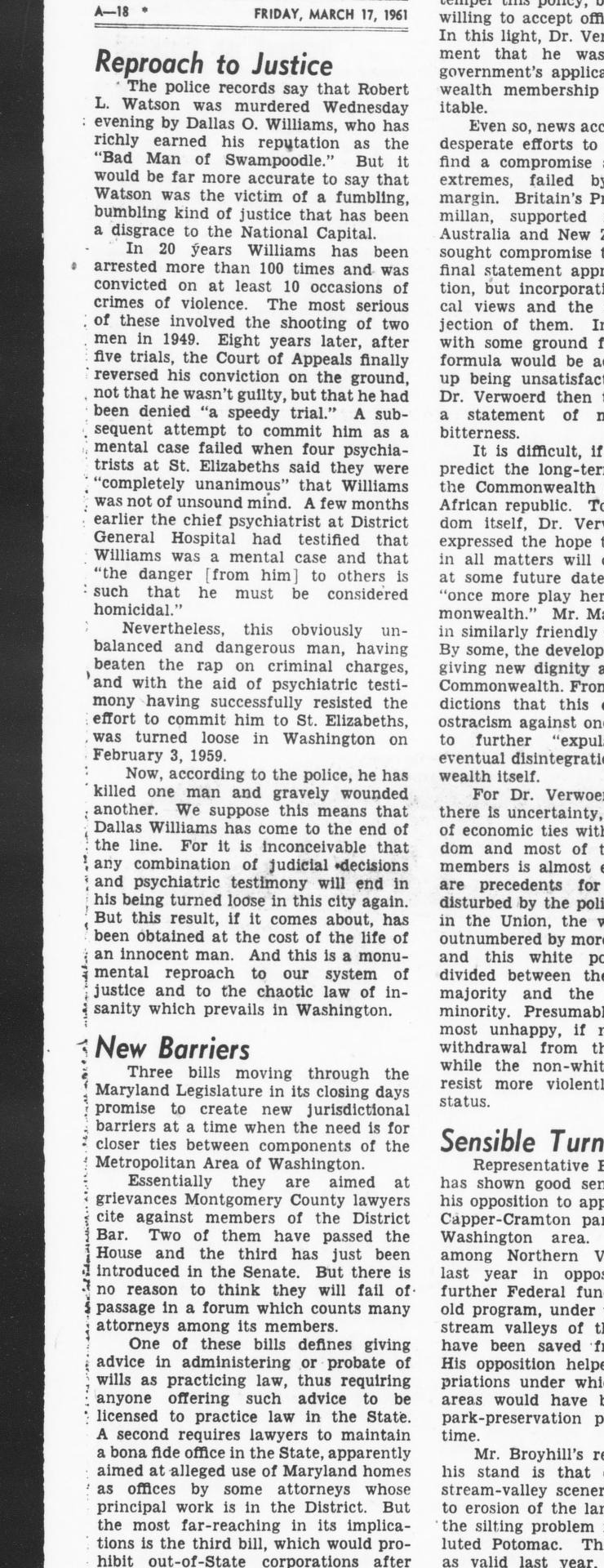
Two days later, the editorial page opened with a column titled “Reproach to Justice.” It is worth reading. This is the moment the Star stopped reporting and started keeping a ledger.
The police records say that Robert L. Watson was murdered Wednesday evening by Dallas O. Williams, who has richly earned his reputation as the “Bad Man of Swampoodle.” But it would be far more accurate to say that Watson was the victim of a fumbling, bumbling kind of justice that has been a disgrace to the National Capital.
In 20 years Williams has been arrested more than 100 times and was convicted on at least 10 occasions of crimes of violence. The most serious of these involved the shooting of two men in 1949. Eight years later, after five trials, the Court of Appeals finally reversed his conviction on the ground, not that he wasn’t guilty, but that he had been denied “a speedy trial.” A subsequent attempt to commit him as a mental case failed when four psychiatrists at St. Elizabeths said they were “completely unanimous” that Williams was not of unsound mind.
Williams’s own account of that Wednesday night arrived eleven days later, in a two-page handwritten letter sent from his cell at St. Elizabeths to the Star reporter Dana Bullen. He had blacked out, he wrote. He did not remember the shooting. When detectives interviewed him in custody, Williams kept insisting on a more limited claim. Detective Elroy A. Short told the trial jury what Williams had said.
I fight everybody with my fists. I don’t shoot anybody.
The jury was unconvinced.
Nine psychiatrists, three opinions, two bodies
The double-murder case went to trial in the fall of 1961 in U.S. District Court. Williams’s mother wept in the courtroom on October 23 as the prosecutor asked the jury to find her son guilty of first-degree murder. That charge carried a mandatory death sentence in the District’s electric chair. The jury declined. It convicted on two counts of second-degree murder.
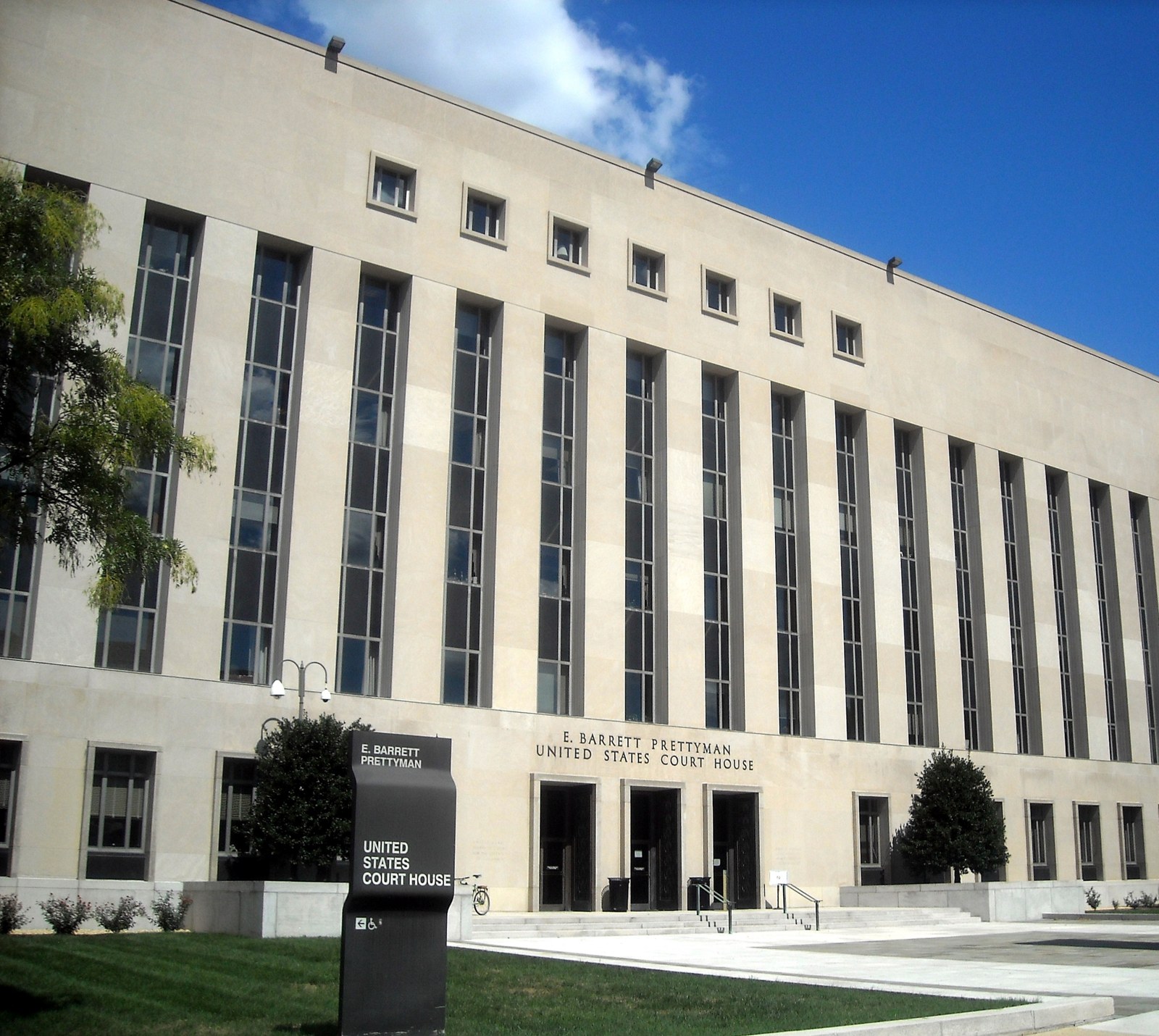
Williams appealed. The D.C. Circuit affirmed in early 1963. Judge Wright’s opinion is where the real arithmetic of the case lives. The trial had heard testimony from an unusual number of psychiatrists. Wright walked through the count.
While nine psychiatrists, many of them possibly influenced by appellant’s long criminal career, labelled Williams a ‘sociopathic personality,’ or thought him otherwise mentally unbalanced on the crucial date, only six characterized his condition as a ‘mental disease or defect,’ and, of these six, only three could say the killings in question were the product of that disorder.
Nine to six to three. The expert-witness pyramid narrowed the closer it got to what the Durham rule actually required for an insanity acquittal. The jury, faced with the conflict, resolved it against Williams. The conviction stood.
What gives the 1963 opinion its peculiar weight is the way Wright stepped back from the specific dispute and named the larger failure.
This history shows not only Williams’ failure to adjust to society, but society’s failure to find a satisfactory means of restraining offenders of his sort.
An appellate court does not often write a sentence like that about its own jurisdiction’s legal-medical apparatus. The Bazelon panel had said something close in 1957, and the Cayton opinion had said it again in 1959. Wright was saying it once more in 1963, with two dead men by then on the wrong side of the ledger.
What the Williams cases left behind
The Durham rule that had governed Williams’s middle trials did not last much longer. The D.C. Circuit replaced it in United States v. Brawner in 1972 with a tighter formulation drawn from the American Law Institute. The Durham product test had proved too sensitive to whichever psychiatrist happened to take the stand on which day. The Williams record was Exhibit A.
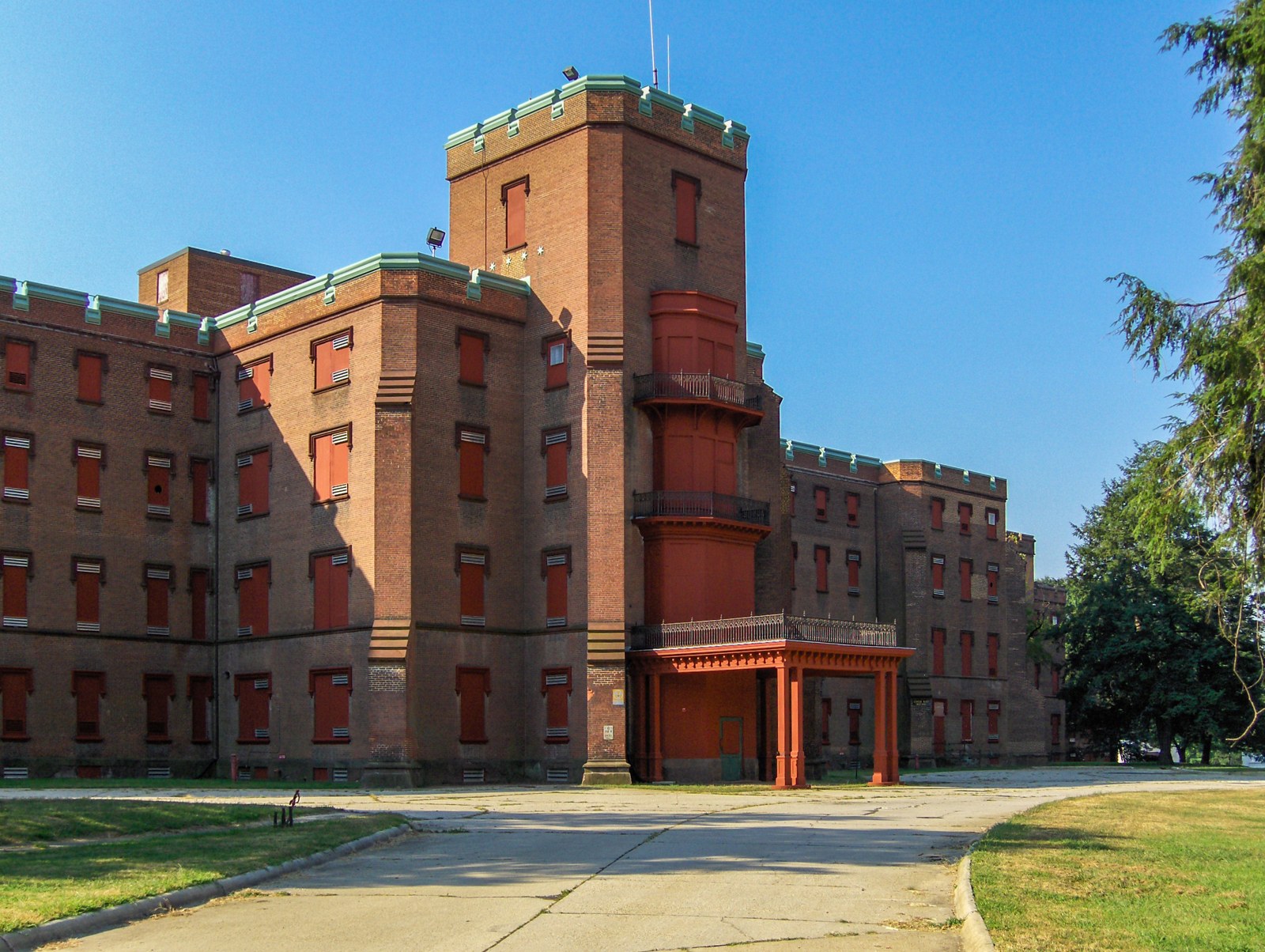
St. Elizabeths kept going. The hospital Bazelon had called out for treating Williams only enough to get him back to court was the same institution that would later be at the center of John Hinckley’s confinement after the 1981 attempt on Ronald Reagan’s life. Federal control ended in 1987. By the mid-2000s the historic east campus was largely vacated. The Center Building still stands.
And the nickname stays in the Star’s clip file. The “Bad Man of Swampoodle” never lived in Swampoodle, never operated there, was born after it was already gone. He still ended up carrying its name through the federal reporters and into the legal-history footnotes of an entire doctrine. The city kept reaching for a place that no longer existed because it could not find a working language for the man who did.
Common questions about Dallas Williams and the Bad Man of Swampoodle
Who was Dallas Williams?
Dallas O. Williams was a Washington, DC recidivist born around 1915. By age thirty-four, the D.C. Circuit later wrote, he had been convicted of ten crimes of violence. A 1949 shooting led to five trials, three vacated convictions, and a long fight over whether he could be civilly committed to St. Elizabeths Hospital. In March 1961 he shot and killed two gas station attendants on Florida Avenue NW. A 1962 trial convicted him of two counts of second-degree murder.
Why was he called the “Bad Man of Swampoodle”?
The nickname appears to have been an Evening Star coinage. It first shows up on January 31, 1958, in a Star story about a St. Elizabeths psychiatrist’s report on Williams. The Star kept using it through 1961, including on the front page covering the double murder. There is no record of Williams actually living or operating in Swampoodle, which had been demolished by 1908 for Union Station. The Star reached for an old DC place-name to label a new DC problem.
What did the courts decide about his insanity defense?
The Williams cases are a textbook study in how the Durham rule fractured under expert disagreement. The D.C. Circuit vacated his 1957 conviction on speedy-trial grounds, then in Overholser v. Williams threw out the Government’s civil-commitment petition because it could not even allege Williams was “insane.” After his 1961 double murder, the Circuit affirmed his second-degree murder conviction in Williams v. United States, 312 F.2d 862, noting that of the nine psychiatrists who saw something wrong with him, only three could tie it to the killings.
What was his connection to St. Elizabeths Hospital?
Williams was committed to St. Elizabeths multiple times between roughly 1949 and 1958. Judge David Bazelon wrote in 1957 that in three of those commitments Williams received “medical treatment only to the extent necessary to restore the cognitive powers thought to be required for trial competency.” The hospital served, in practice, as a holding-and-restoration facility tied to the rhythm of his trials.
How did his case shape DC law?
The Williams cycle exposed the gap between criminal acquittal by reason of insanity and civil commitment under the D.C. Code. Three separate appellate panels, from 1957 through 1959, urged the District to use the civil commitment statute. The Government could not draft a petition that survived appeal. The 1963 affirmance said the case showed “society’s failure to find a satisfactory means of restraining offenders of his sort.” The Durham rule itself was replaced by the D.C. Circuit’s 1972 Brawner decision, partly in response to the expert-witness fragmentation Williams’s trials had put on display.
We dug this one up with help from AI and checked it against the original records below. Here’s how we use AI.