Foundry Branch Trestle: DC’s Last Streetcar Bridge
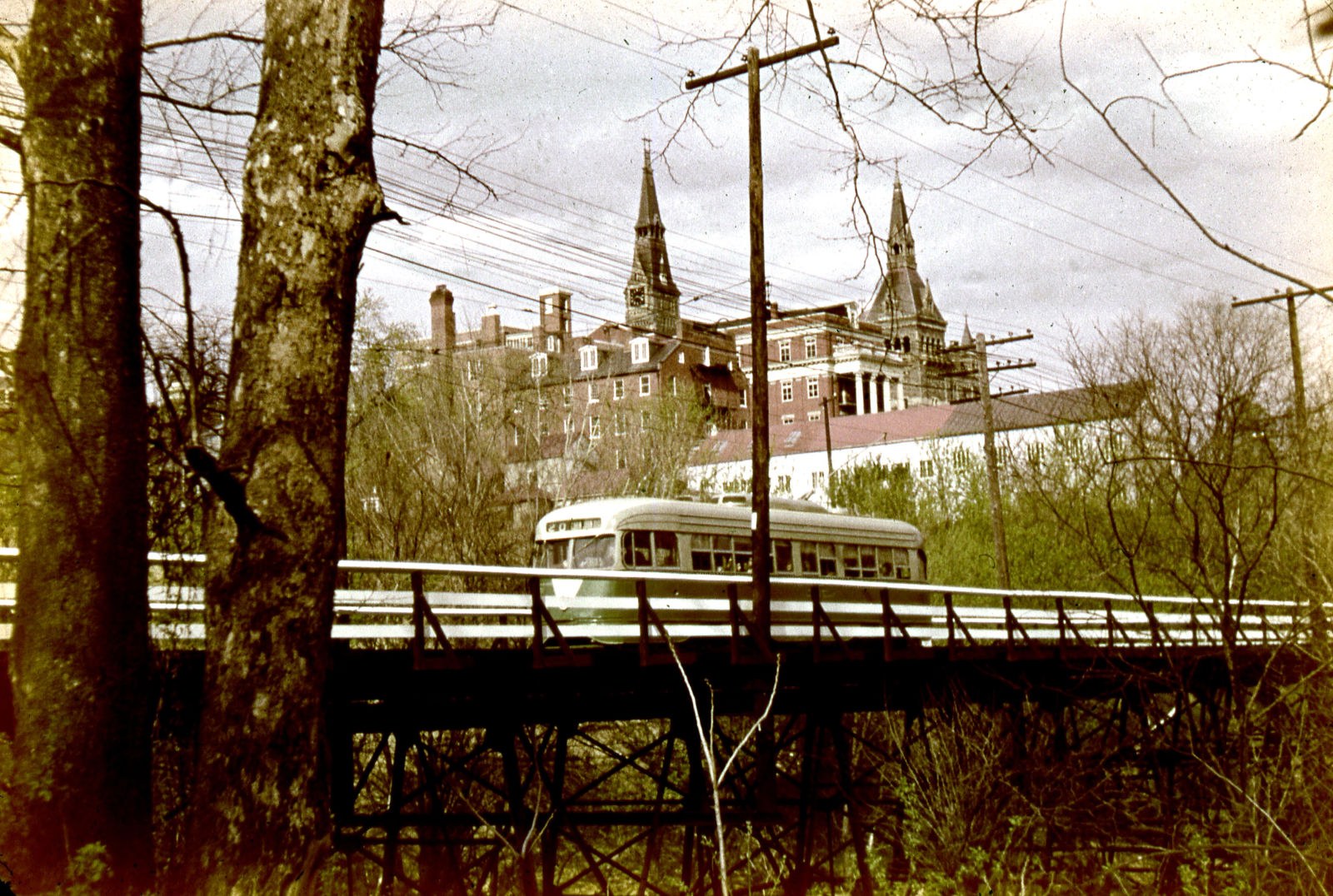
The Foundry Branch trestle carried Glen Echo streetcars over Glover-Archbold Park from 1896 to 1960. Now DC’s last streetcar bridge is coming down.
Washington, DC neighborhoods and buildings that aren’t there anymore. Murder Bay, the old Center Market, brownstones erased for federal office blocks.
The Foundry Branch trestle carried Glen Echo streetcars over Glover-Archbold Park from 1896 to 1960. Now DC’s last streetcar bridge is coming down.
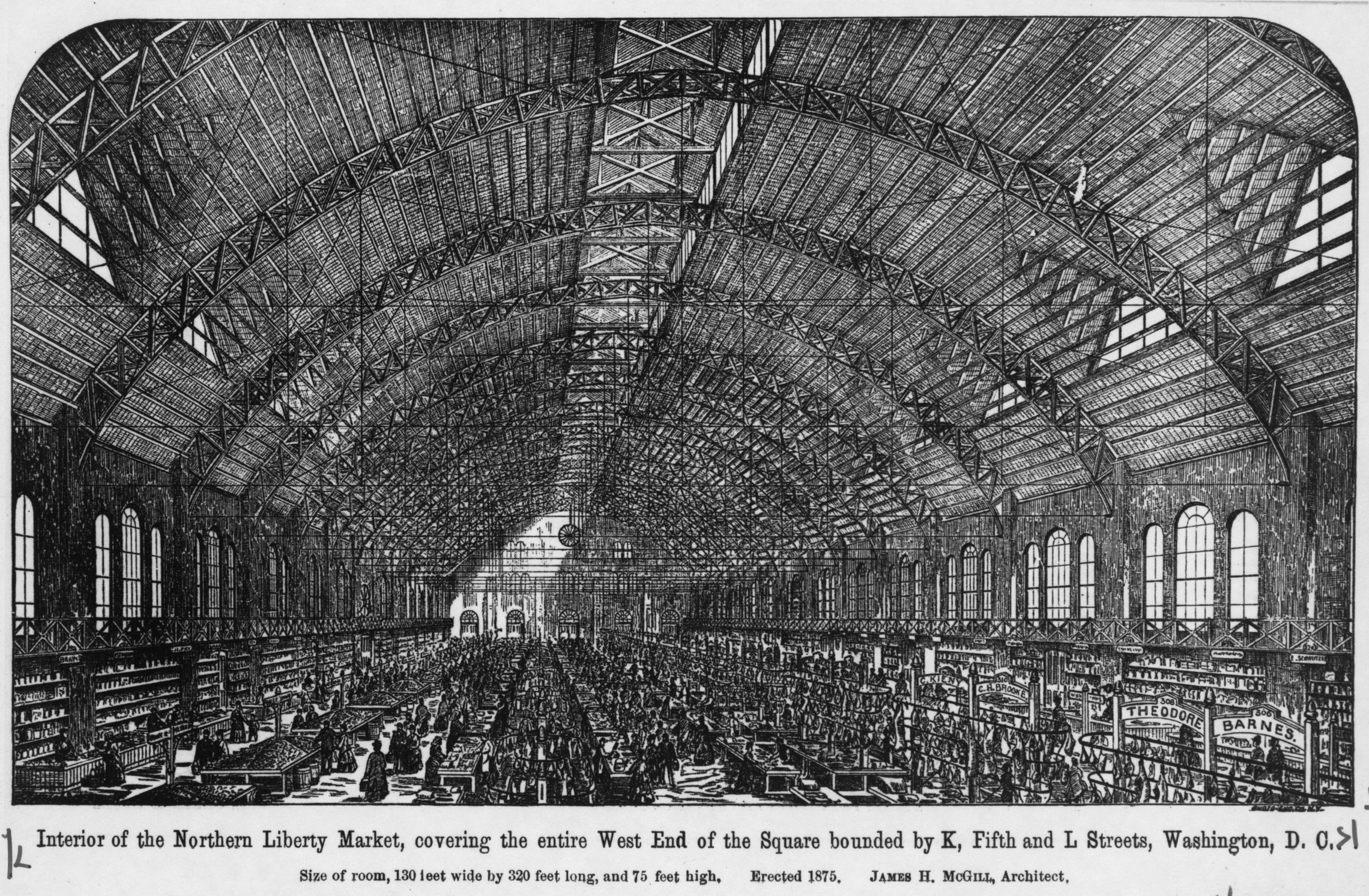
Nearly 200 laborers showed up at 6 p.m. with orders to tear down the Northern Liberty Market that night. By 11 the roof was gone.
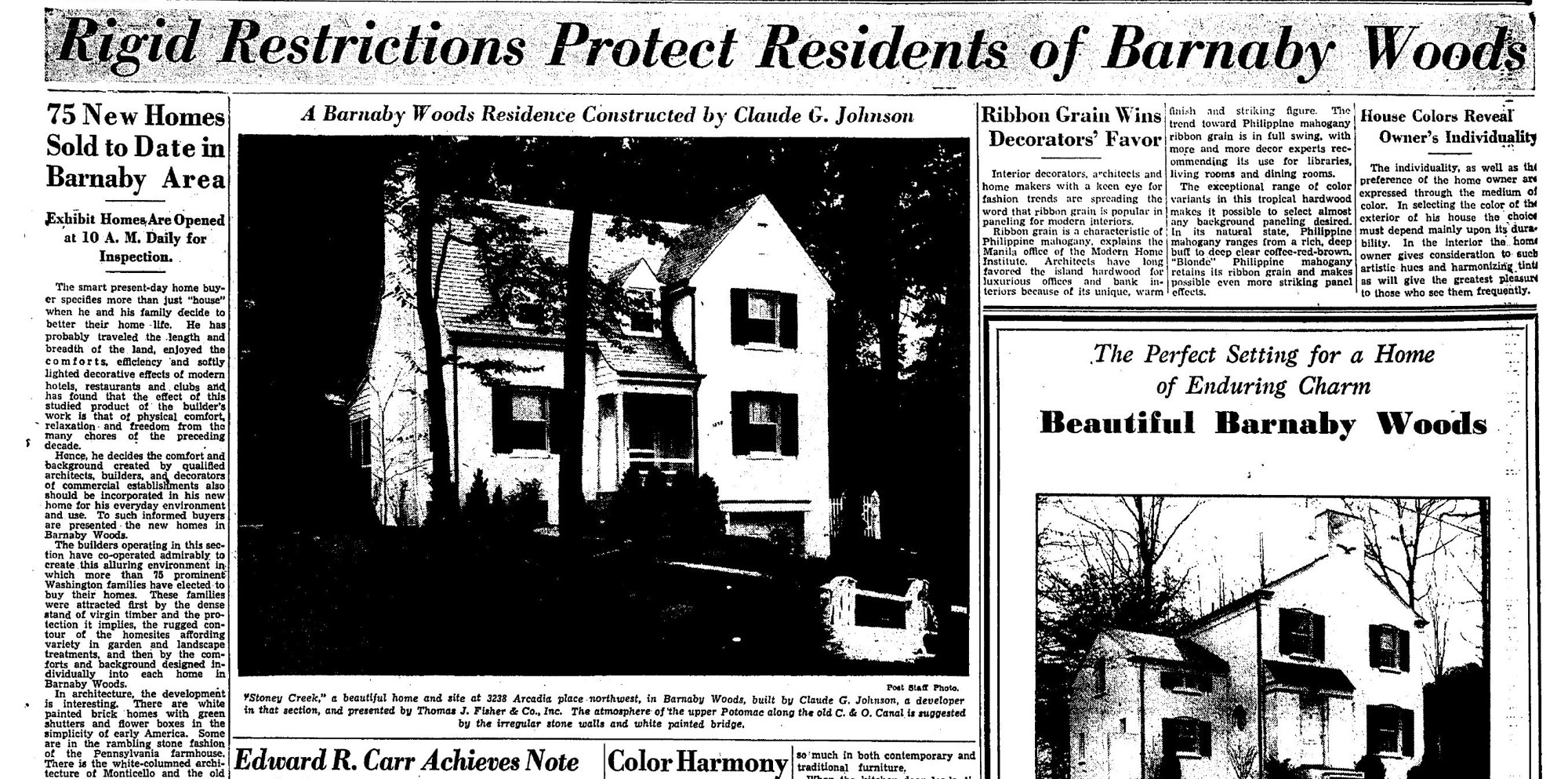
In 1937 the Post promised Barnaby Woods buyers “social restrictions.” The deeds we read don’t spell them out. One of its builders’ deeds nearby did.
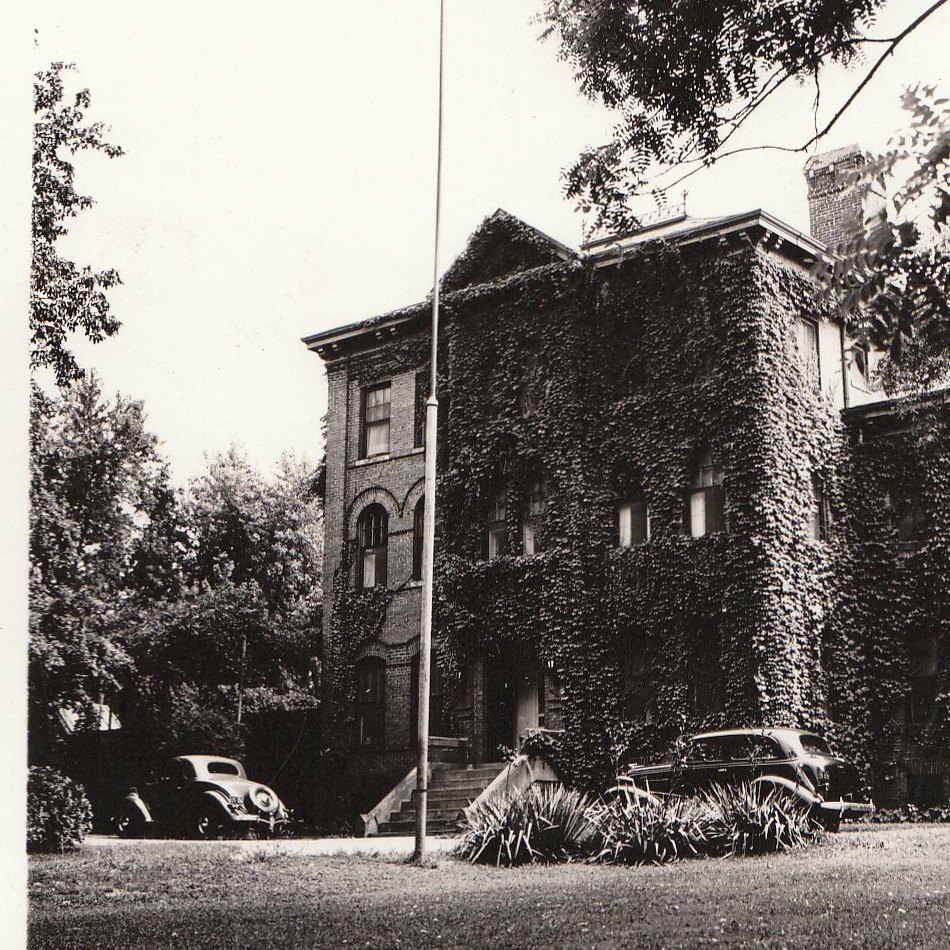
For sixty years a reform school for girls stood on the Palisades hill where Sibley Hospital is today. The troubled history of the National Training School for Girls, 1893 to 1953.
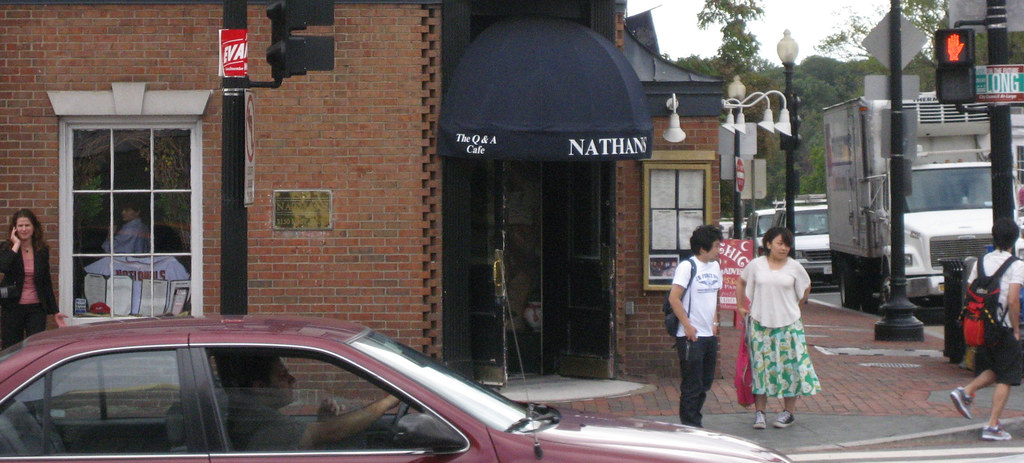
A bookie named Nathan Detroit opened it in 1969, Howard Joynt ran it for 28 years, Carol Joynt closed it on July 12, 2009. Now a Capital One Cafe occupies the southeast corner of Wisconsin and M.
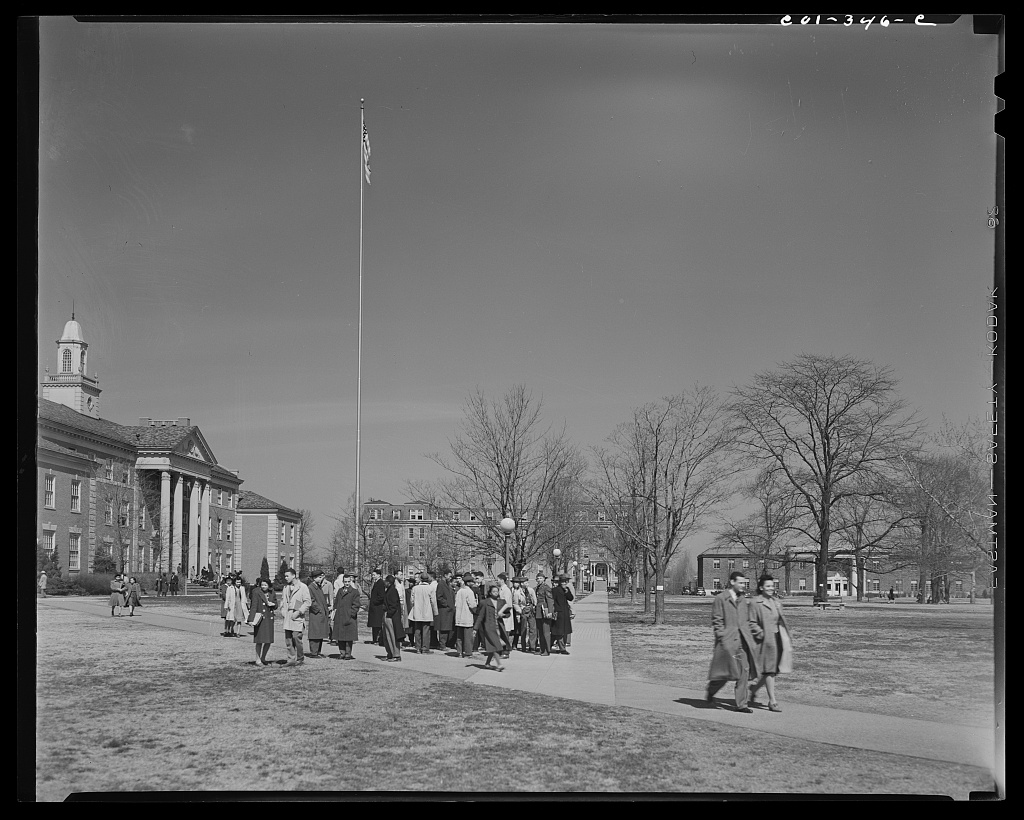
On December 28, 1938, in a small alley off 6th Street NW, a 31-year-old woman named Ruth McDonald accepted a drink from a young chemistry student and was dead within the hour.
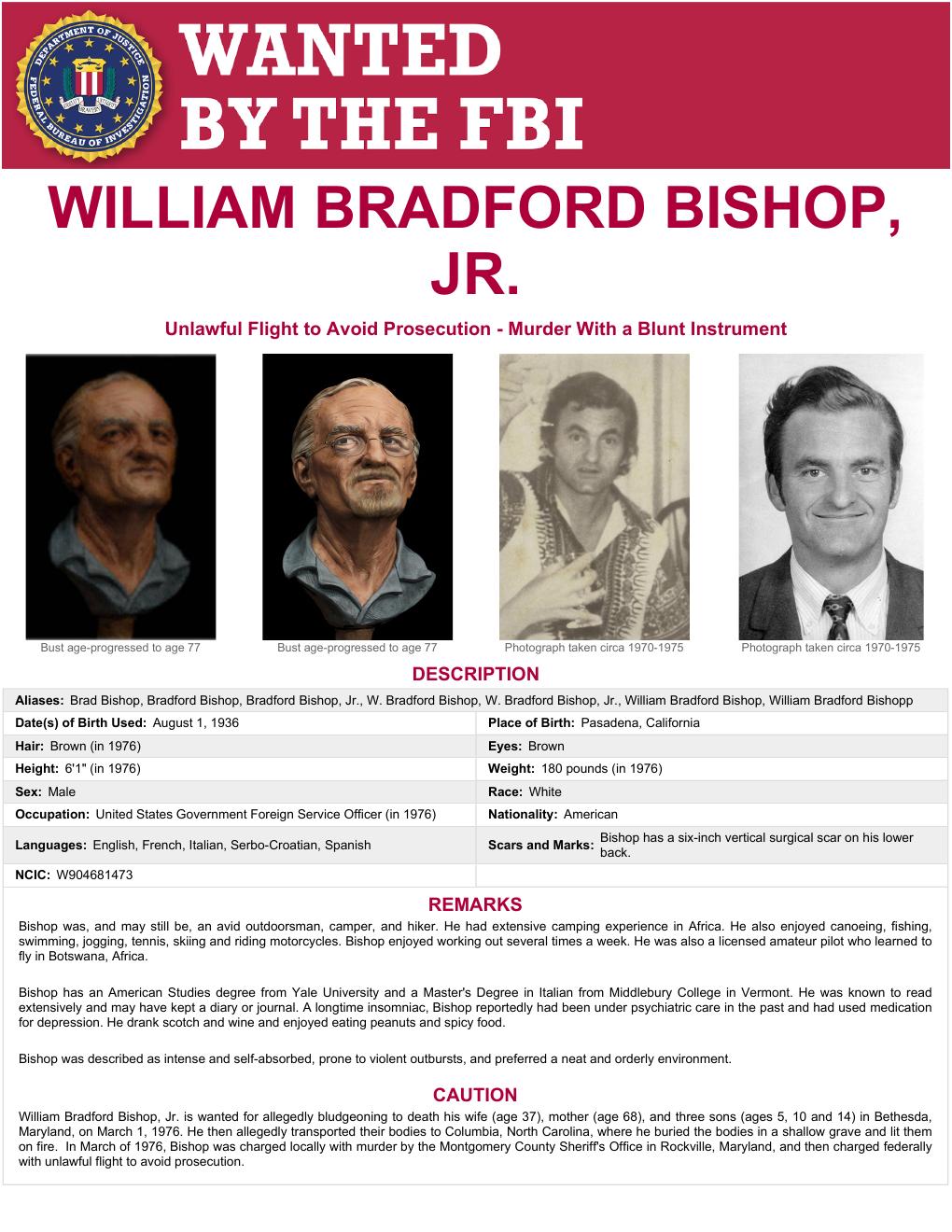
On March 1, 1976, a Foreign Service officer killed his family in their Carderock Springs home and vanished. The manhunt, now 50 years old, is still open.
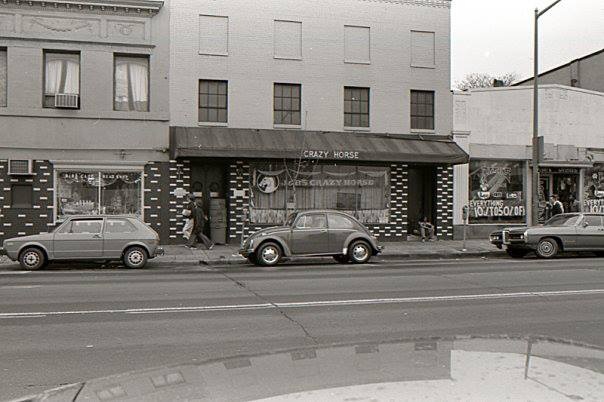
Walk into the Everlane store at 3259 M Street NW today, all blond wood and folded denim, and you are standing in what used to be the rowdiest room in Georgetown. For about a quarter of a century, this three-story building was the Crazy Horse, a beer-and-boogie nightclub the neighborhood spent years trying to shut … Read more
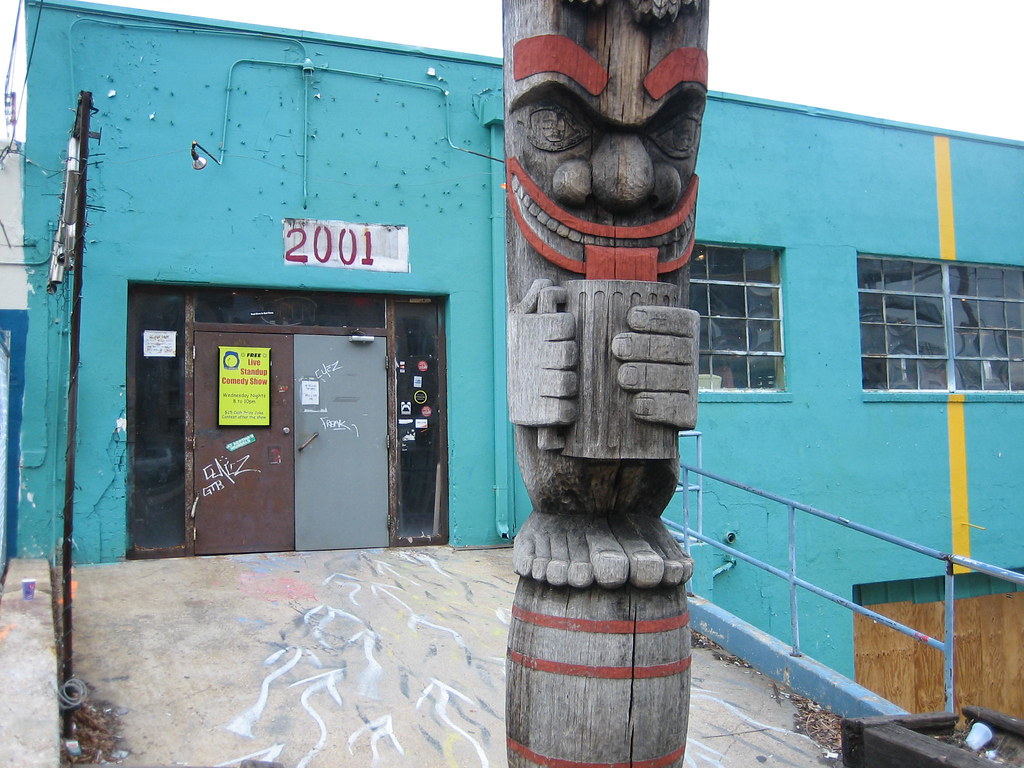
How a Court House Oldsmobile dealership became the Plymouth-in-the-wall brewpub Bardo Rodeo, then Dr. Dremo’s Taphouse, then a condo tower.