
Hechinger Started as a Demolition Company in 1911
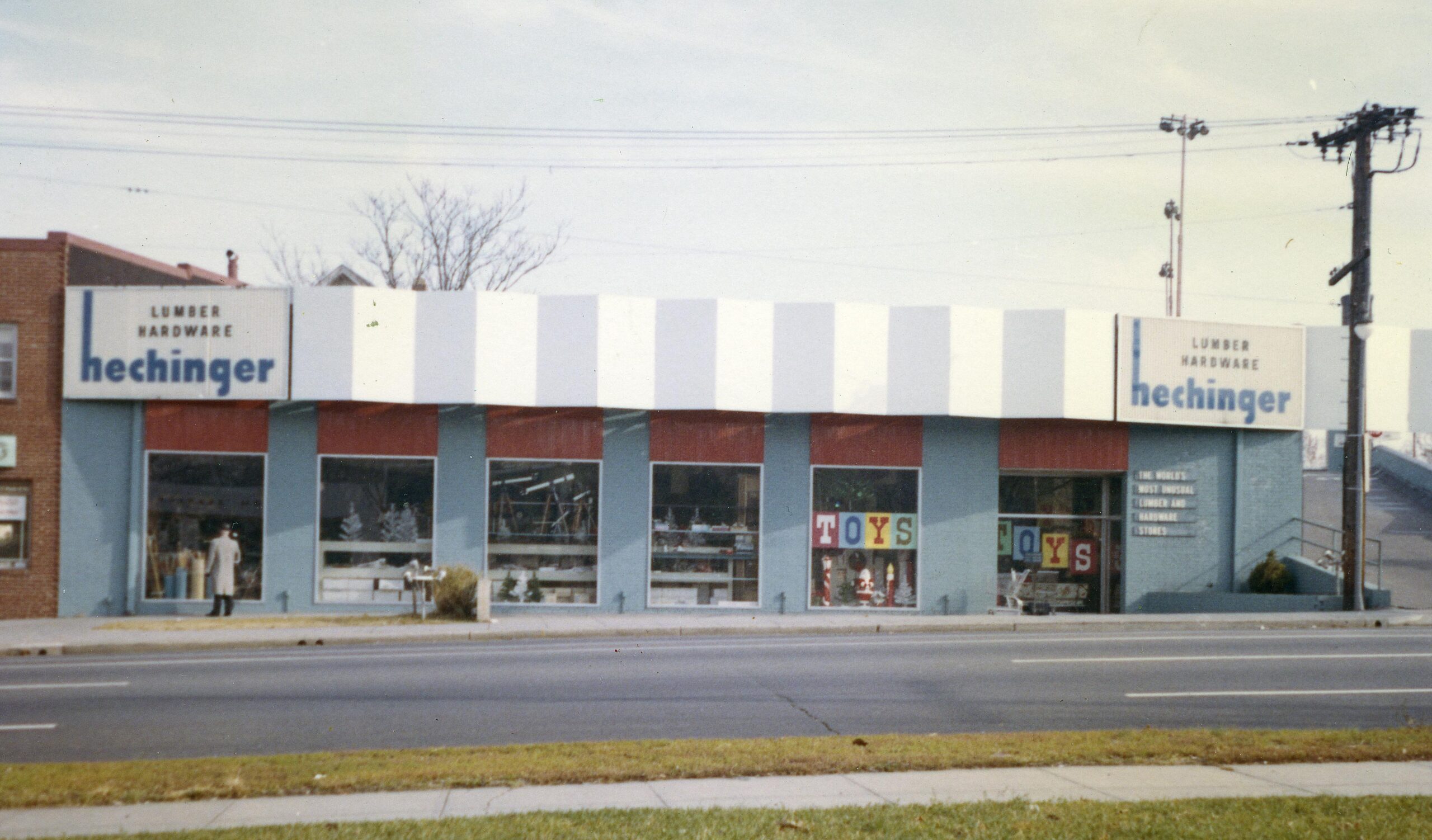
The Hechinger hardware empire began in 1911 as a Southwest DC wrecking crew. The story of Sidney Hechinger, the navy-blue H, and the bankruptcy that ended it in 1999.
Washington, DC neighborhoods and buildings that aren’t there anymore. Murder Bay, the old Center Market, brownstones erased for federal office blocks.
The Hechinger hardware empire began in 1911 as a Southwest DC wrecking crew. The story of Sidney Hechinger, the navy-blue H, and the bankruptcy that ended it in 1999.
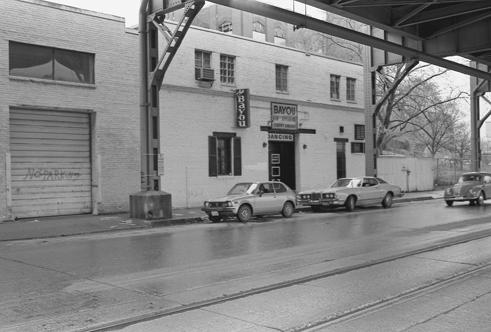
Forty-five years of Georgetown’s loudest room. The Bayou opened in 1953, closed in 1998, and put U2, Dave Matthews, and a whole DC scene through its doors.
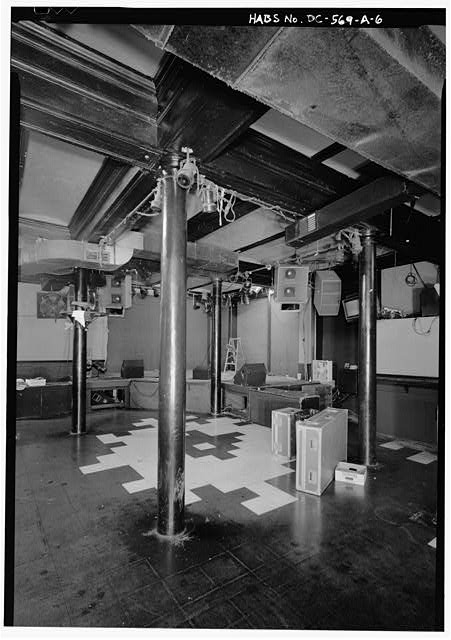
Inside the 1888 Atlantic Building at 930 F Street: the cast-iron columns Bad Brains leaned against and the eighth floor that founded the National Zoo.
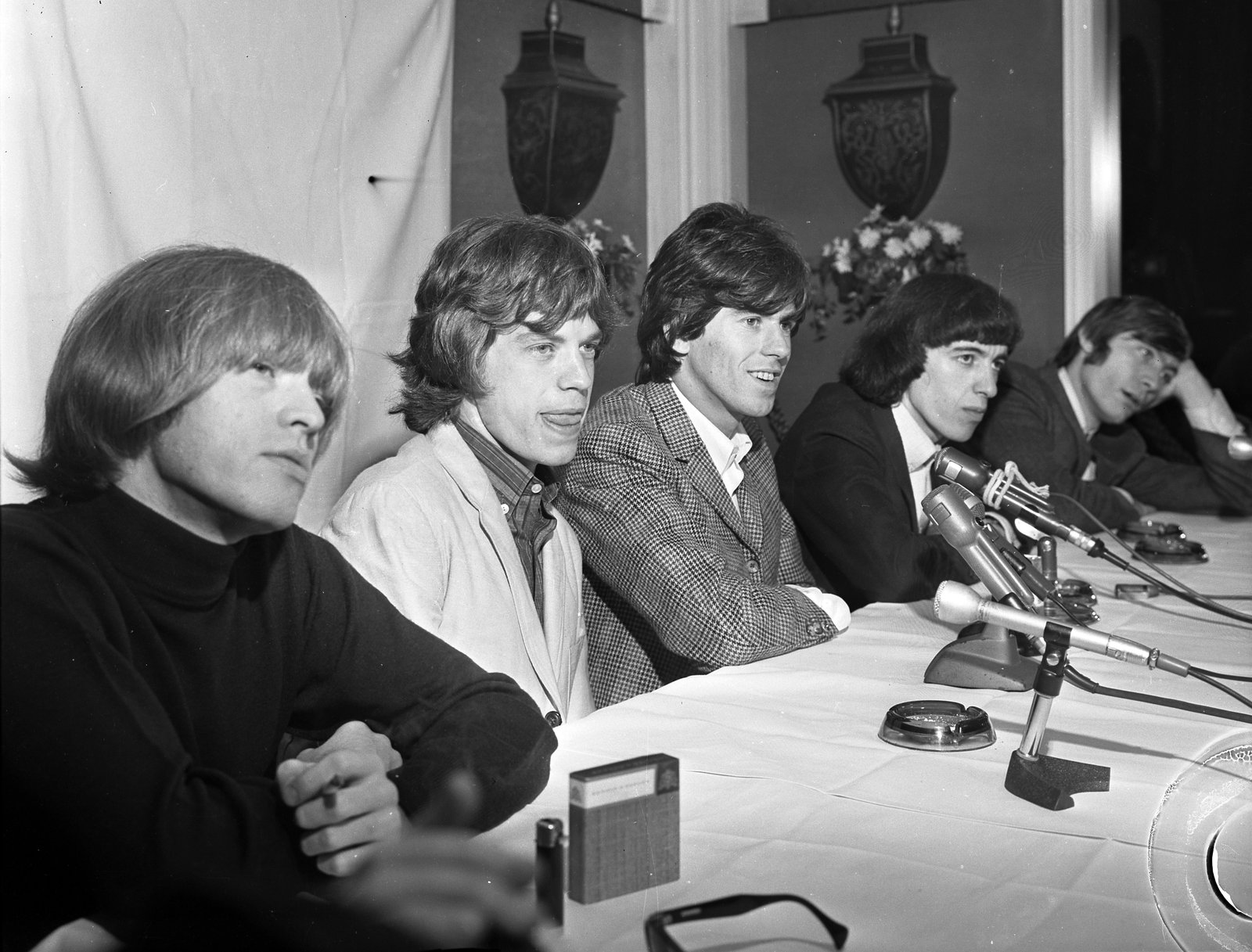
In 1966 a teenager from Chevy Chase reached through the window of a Rolling Stones equipment van behind Washington Coliseum and walked off with Brian Jones’s custom electric dulcimer. The recovery involved a letter to the Evening Star, a Bentley from the British Embassy, and a follow-up Beatles caper. The same barrel-vaulted shed had hosted the Beatles’ first American concert two years earlier.
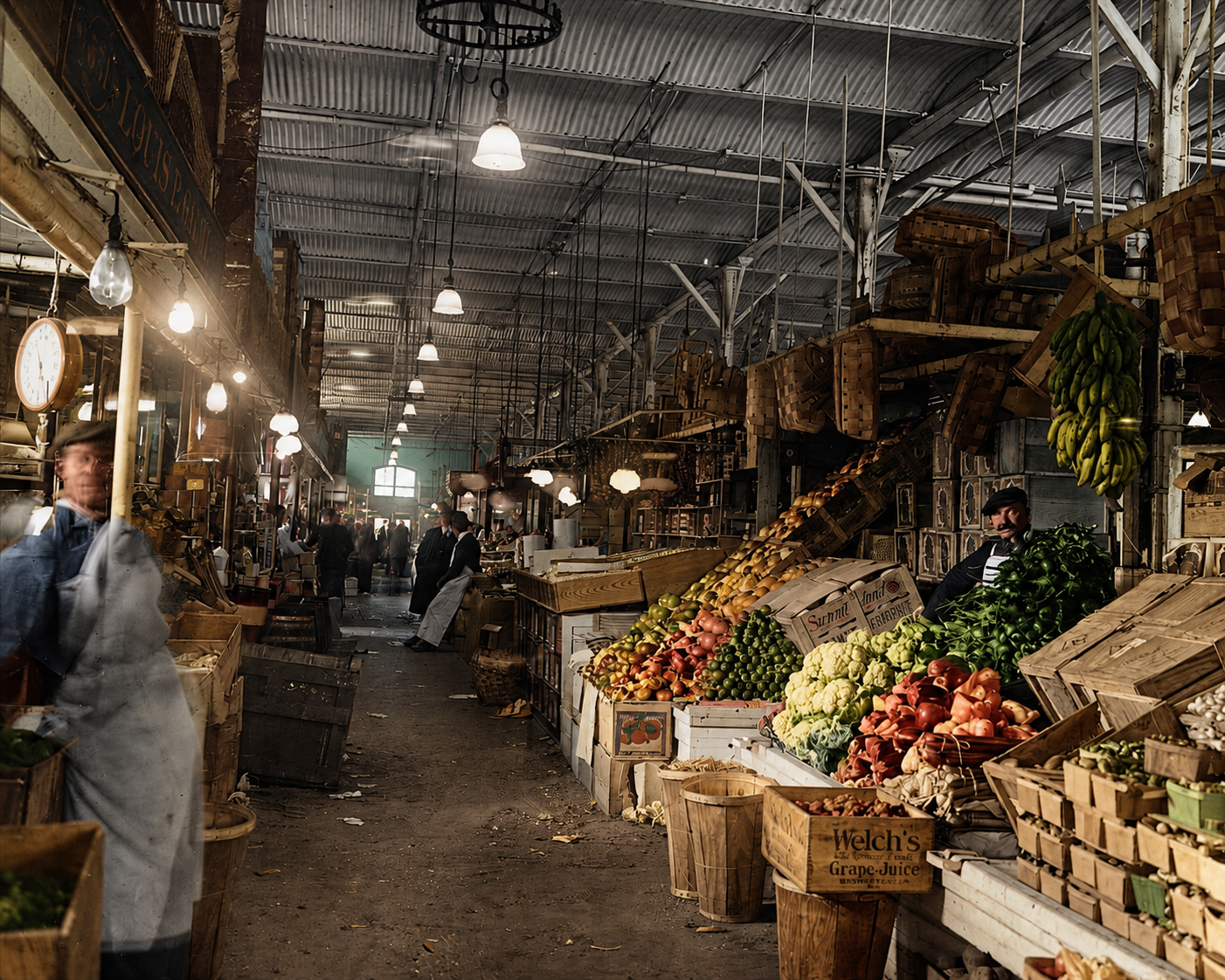
How a German-immigrant friend of Karl Marx designed the country’s largest market hall on Pennsylvania Avenue in 1872, why it ran for 59 years with 666 stalls and a refrigeration plant, and why the federal government tore it down in 1931 to build the National Archives.
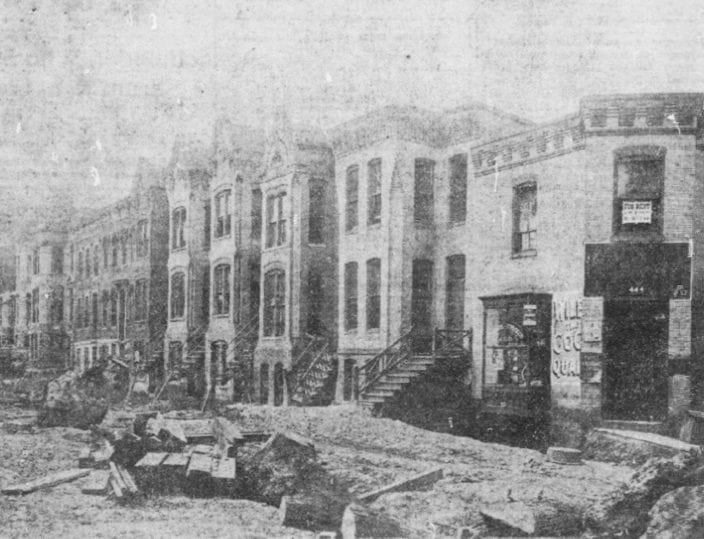
A rough, all-Irish neighborhood called Swampoodle once stood where Union Station is now. The railroad cleared it, and DC forgot.
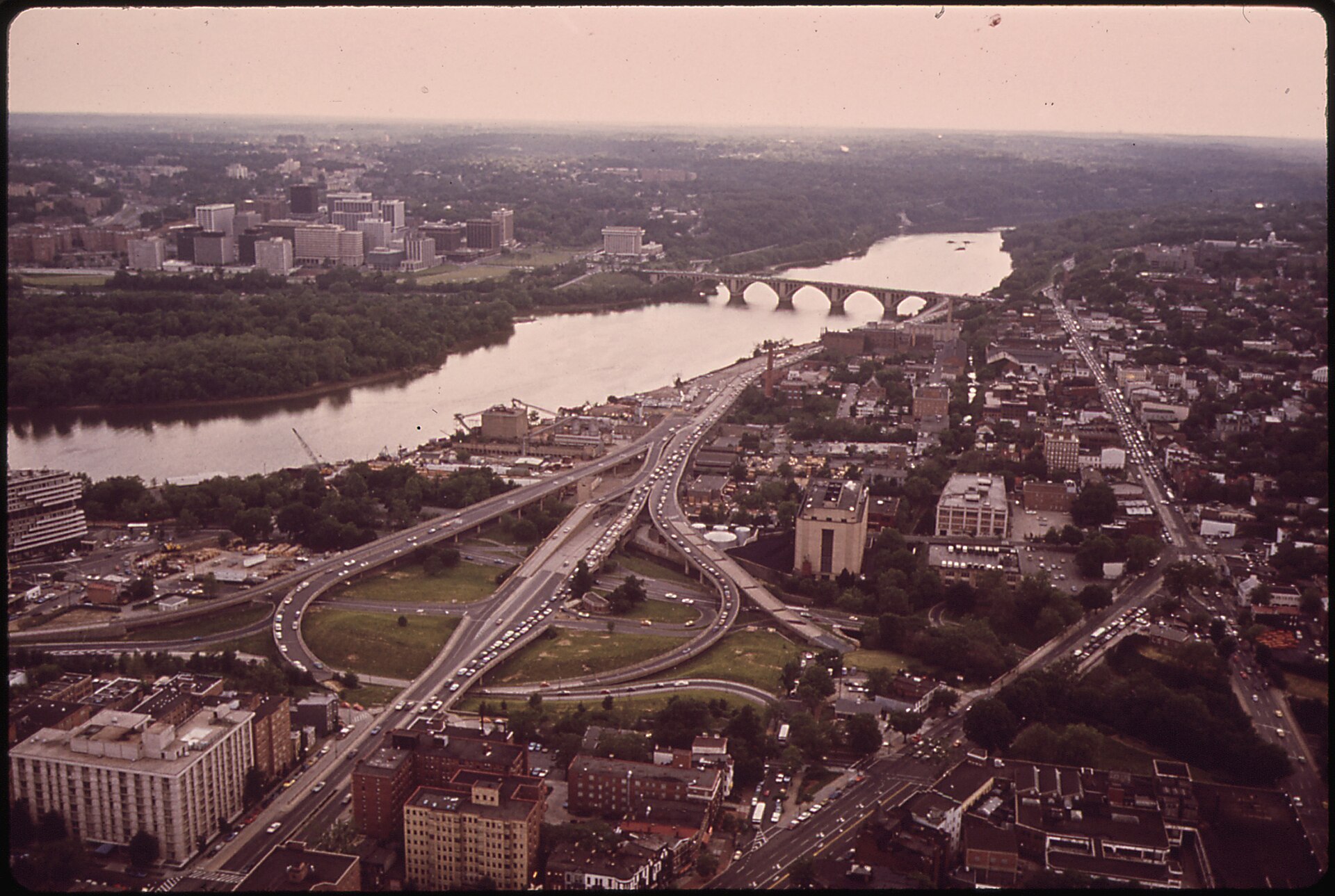
In April 1963, DC’s three appointed commissioners begged the federal government to build every freeway on the map: the Three Sisters Bridge, the Inner Loop, the East Leg, the North-Central. Almost none of it survived the decade.
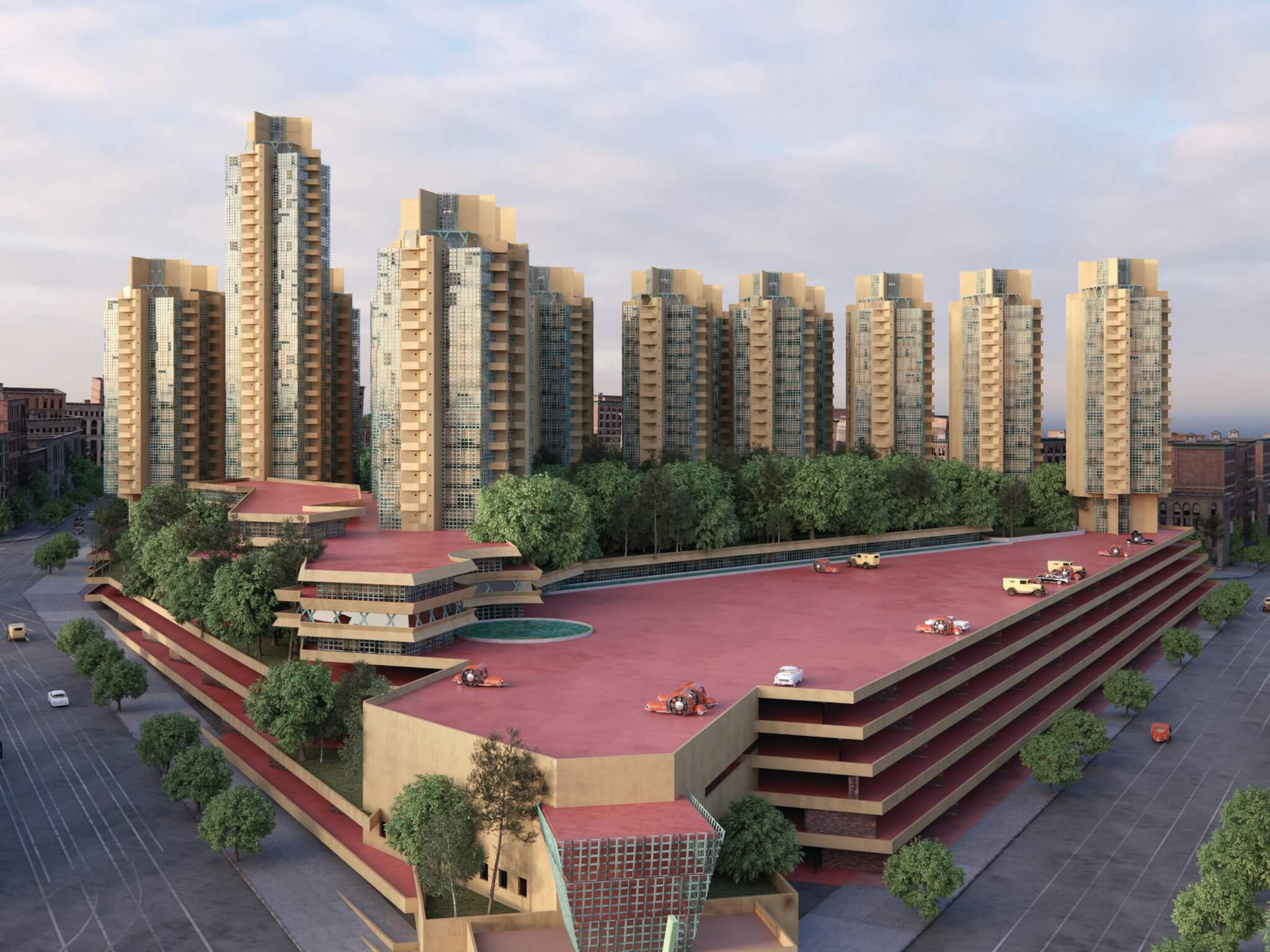
Frank Lloyd Wright drew Washington a glass city of twenty-one towers on a Connecticut Avenue hill. The height limit refused to let it rise.
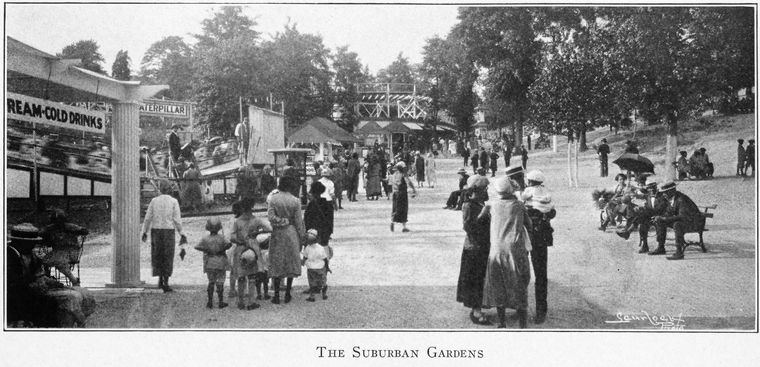
Suburban Gardens opened at 50th and Hayes NE in June 1921, built by a Black-owned company. It was the only major amusement park ever inside the District, born because the region’s white parks barred Black Washingtonians.