
Frank Lloyd Wright’s Crystal Heights: DC’s Lost Glass City
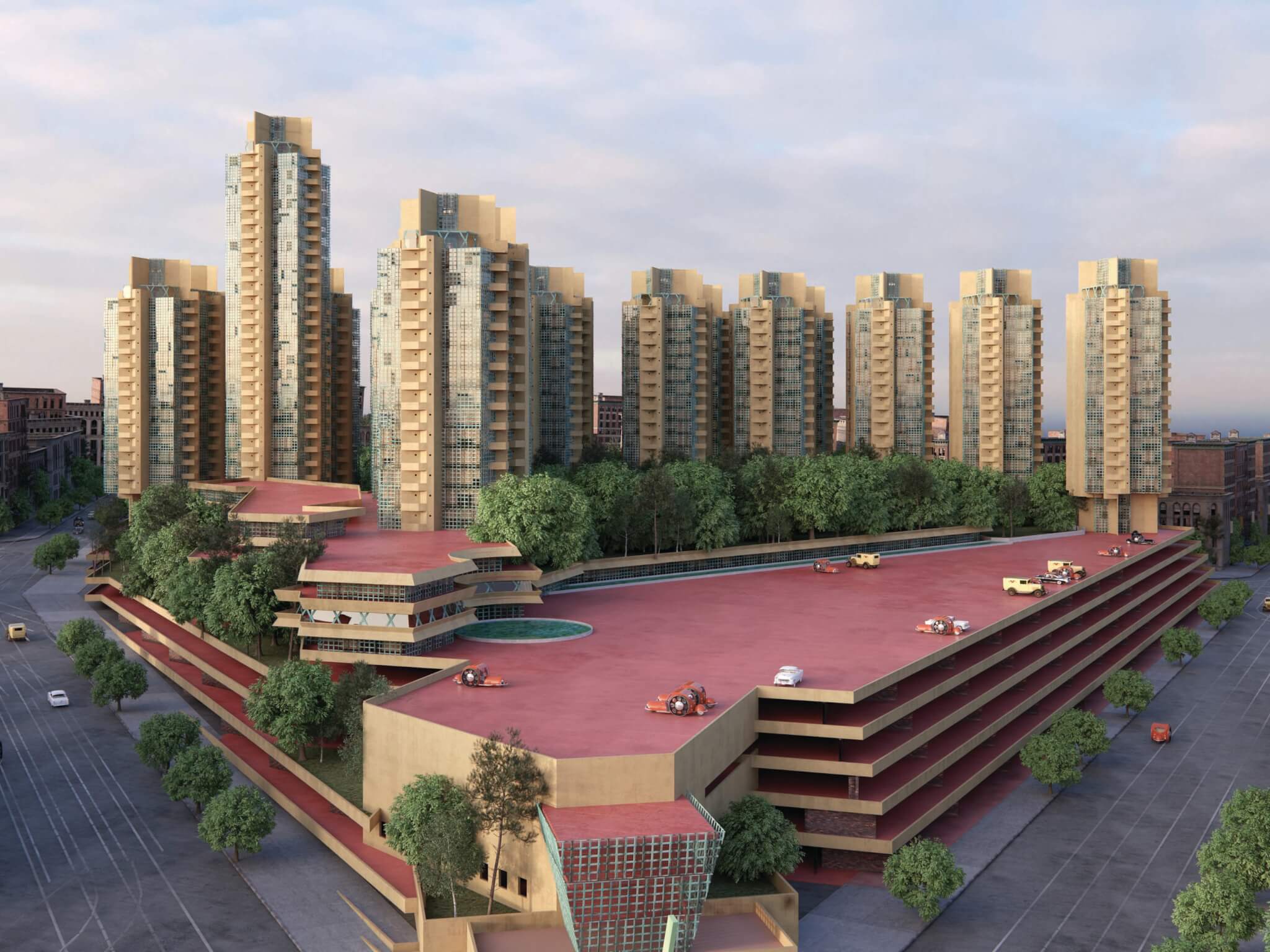
Frank Lloyd Wright drew Washington a glass city of twenty-one towers on a Connecticut Avenue hill. The height limit refused to let it rise.
Washington, DC neighborhoods and buildings that aren’t there anymore. Murder Bay, the old Center Market, brownstones erased for federal office blocks.
Frank Lloyd Wright drew Washington a glass city of twenty-one towers on a Connecticut Avenue hill. The height limit refused to let it rise.
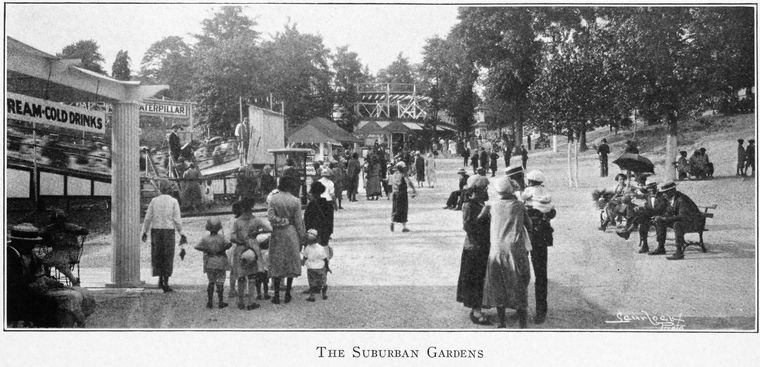
Suburban Gardens opened at 50th and Hayes NE in June 1921, built by a Black-owned company. It was the only major amusement park ever inside the District, born because the region’s white parks barred Black Washingtonians.
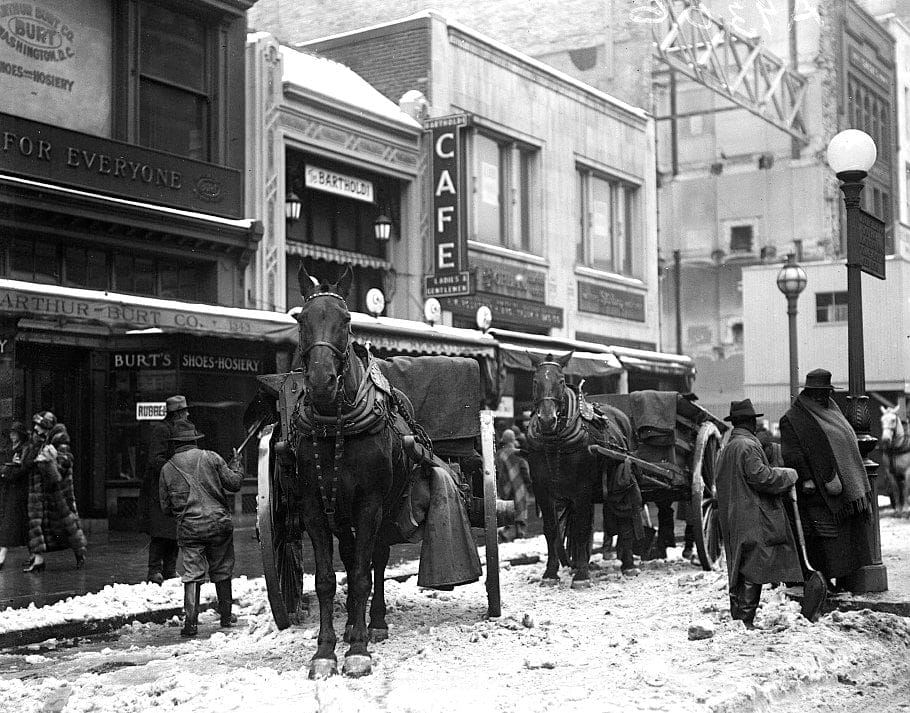
In 1925 the District banned horses from Sixteenth Street. A Washington Times reporter beat the rule with a mule named Stupid.
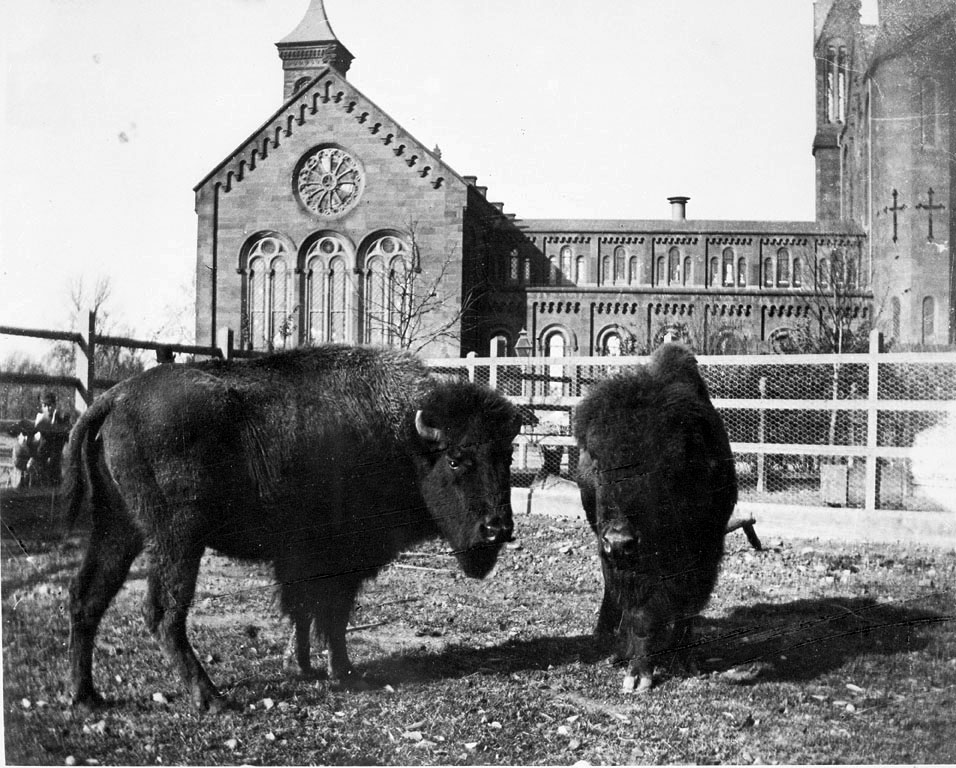
William Hornaday penned live bison behind the Smithsonian Castle in 1886 to save the species. The Mall menagerie became the National Zoo by 1889.
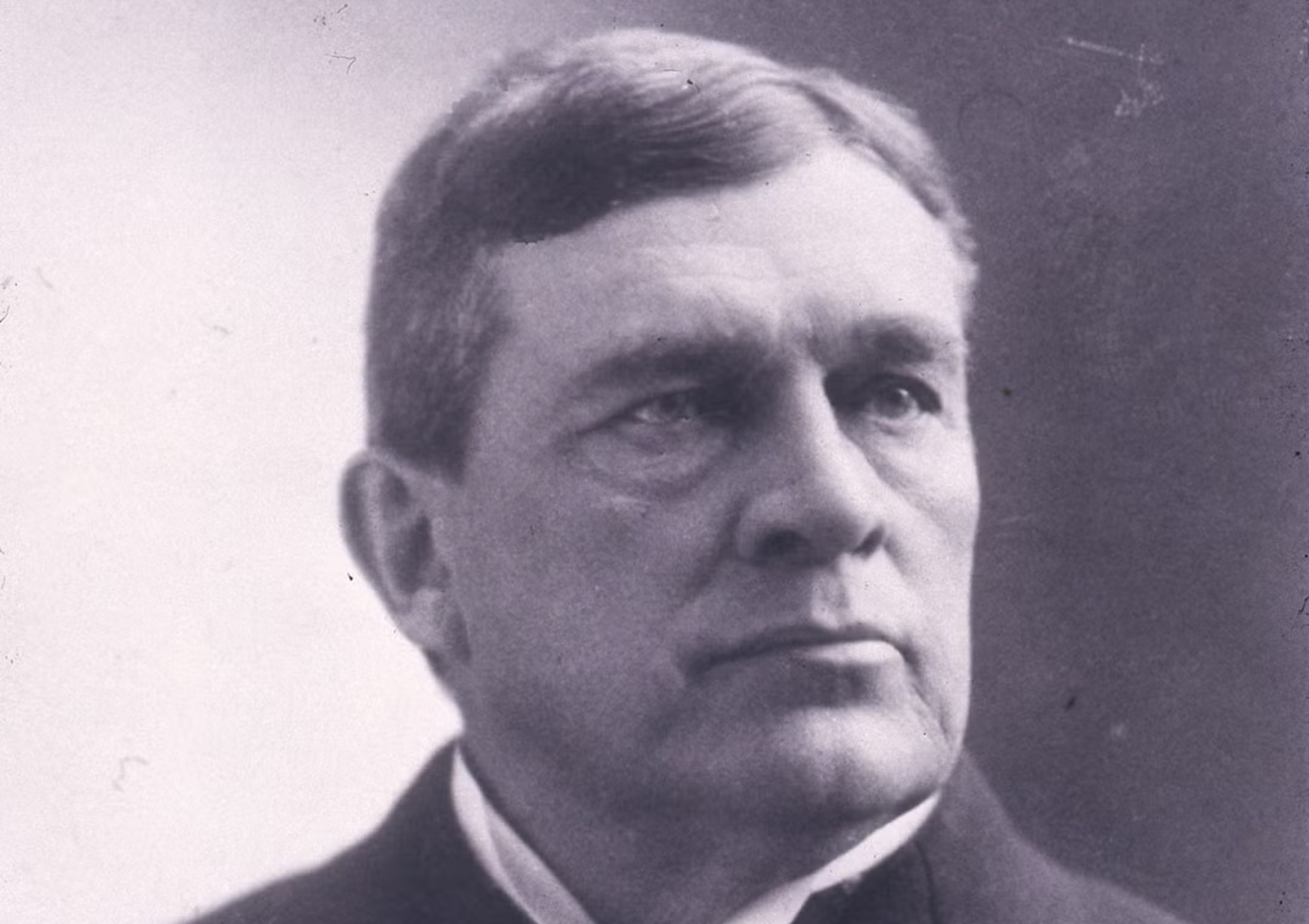
Alexander Robey “Boss” Shepherd paved Washington, lit its gas lamps, and planted 64,000 trees, then bankrupted the territorial government in 1874 and cost the city home rule for 99 years.
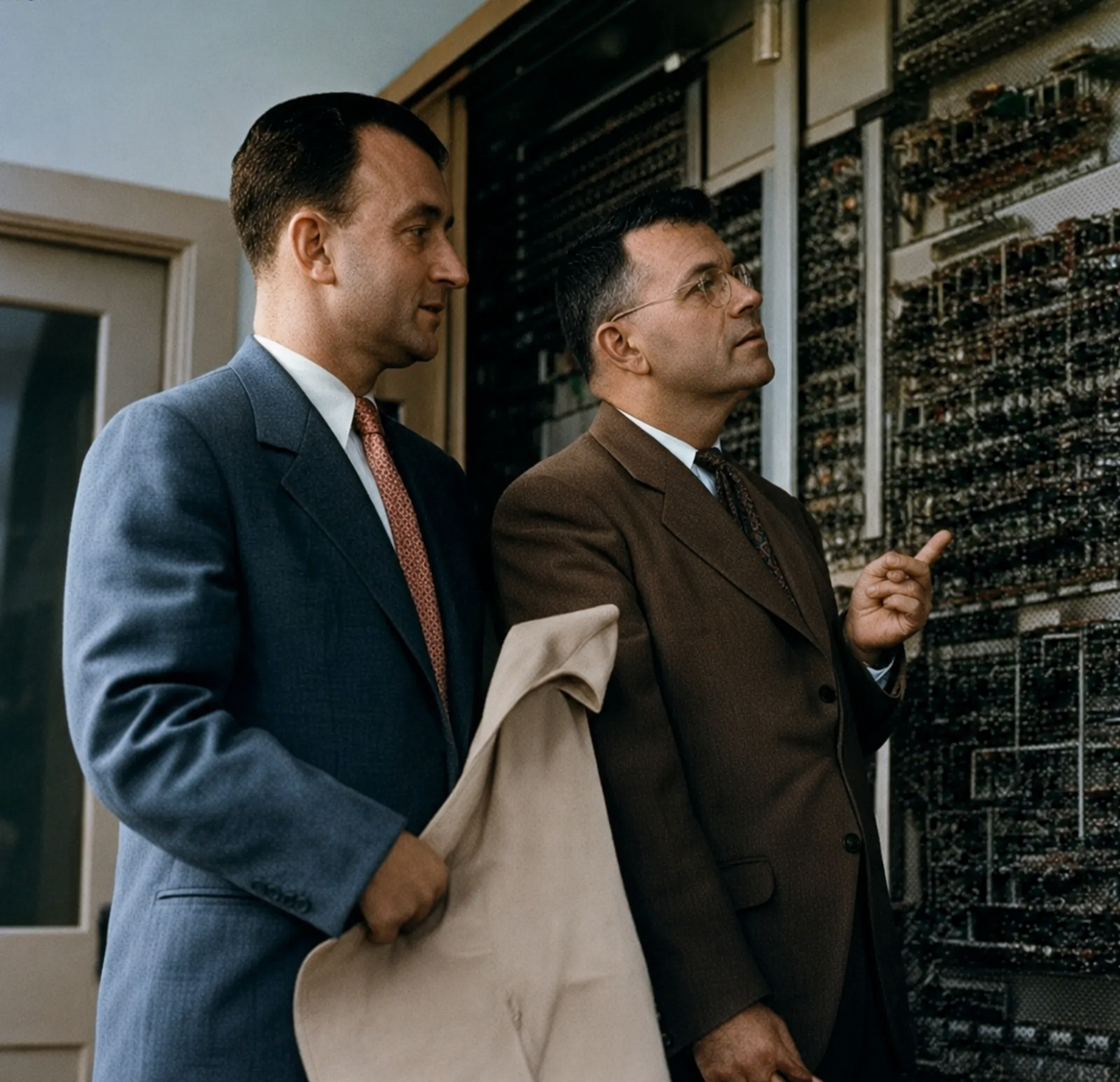
AI anxiety isn’t new. In 1949, an MIT professor turned down a corporate contract because he feared machines would replace human judgment. A year later, Washington had its own “electronic brain” on Connecticut Avenue. We’ve been having this argument for 75 years.
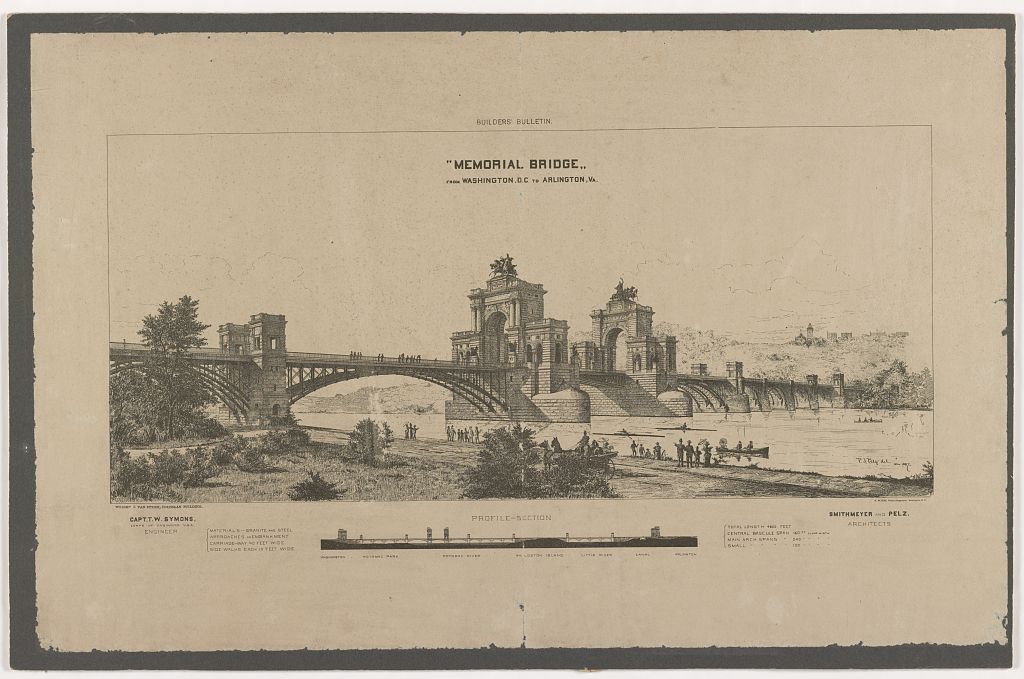
In 1931, gold-topped columns were killed for being too tall for airplanes. Now a 250-foot arch is proposed at the same spot. The full history since 1886.
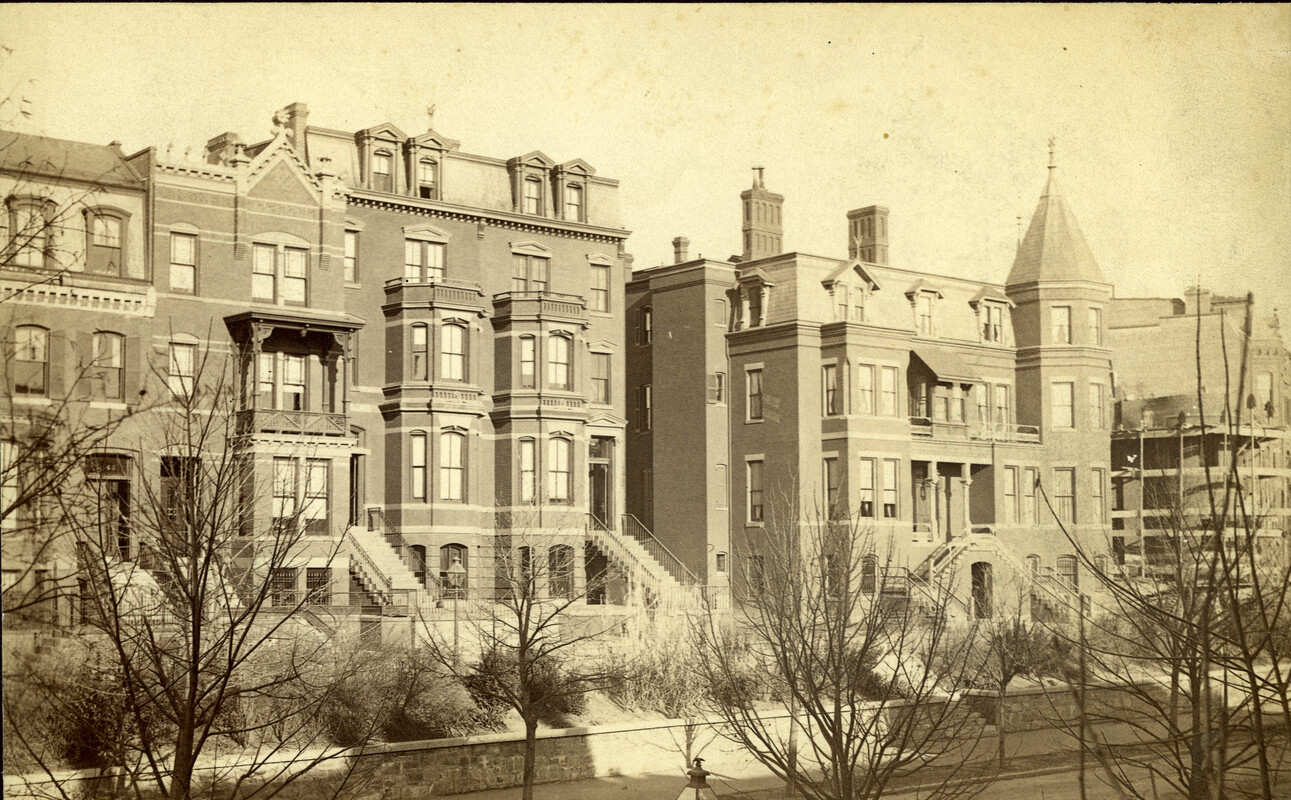
How Count von Bernstorff left the German Embassy at 1435 Massachusetts Avenue in 1917, and what became of the seventy-room mansion before and after.
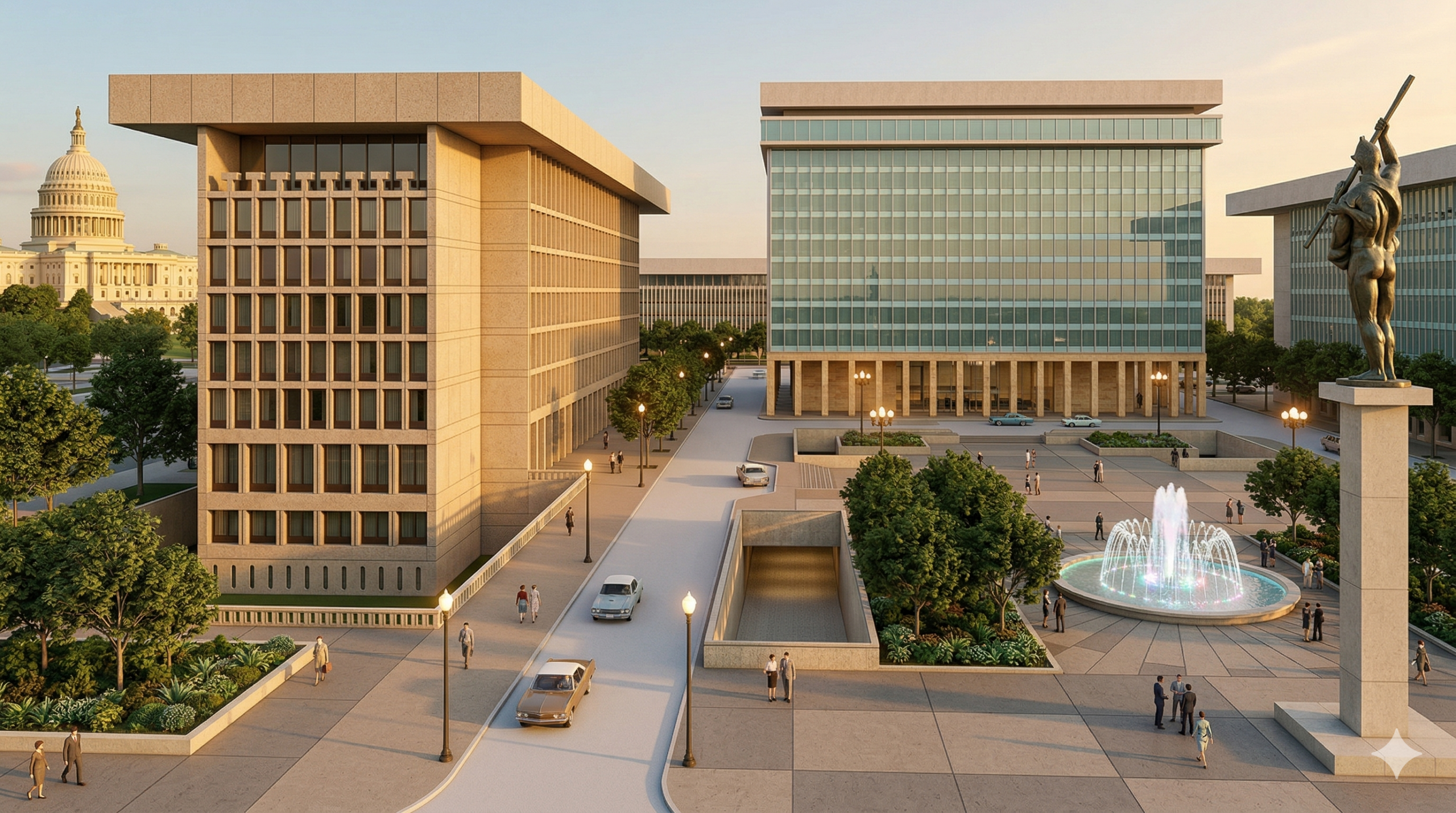
Before L’Enfant Plaza’s Brutalist towers, Southwest DC was a thriving neighborhood. We dug into the Evening Star archives to trace the full story, from the 1954 demolition to the Fedlandia proposals reshaping the area today.