Is the Old Stone House Haunted? Georgetown’s 1765 Survivor
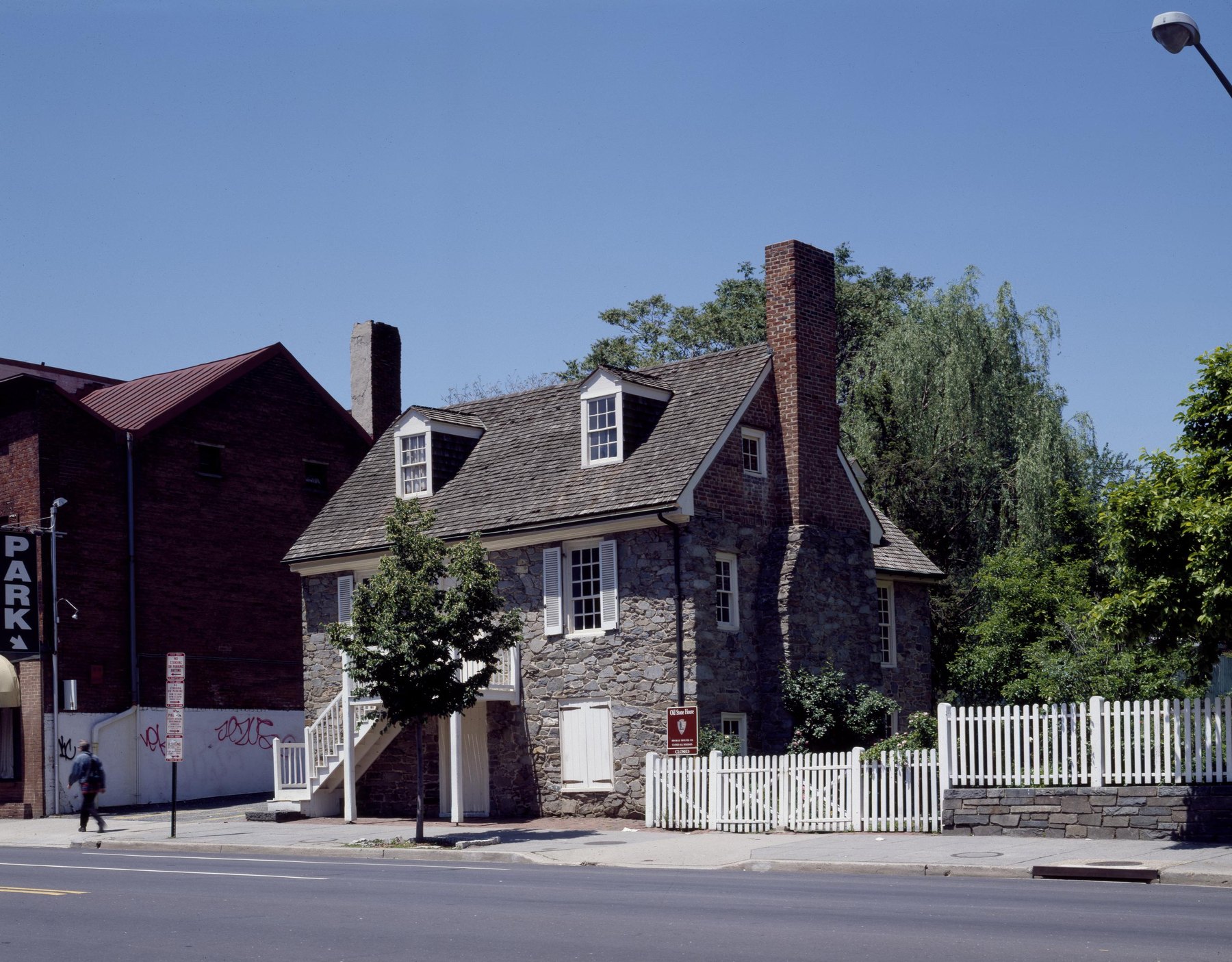
In 1899 a marble sign called this M Street house George Washington’s headquarters. It wasn’t true. It probably saved the house.
Postwar Washington was prosperous and anxious in equal measure. The suburbs of Virginia and Maryland exploded with development as families left the city, while downtown hummed with Cold War government activity. The civil rights movement was gaining momentum, and the city’s neighborhoods were beginning a long transformation.
In 1899 a marble sign called this M Street house George Washington’s headquarters. It wasn’t true. It probably saved the house.
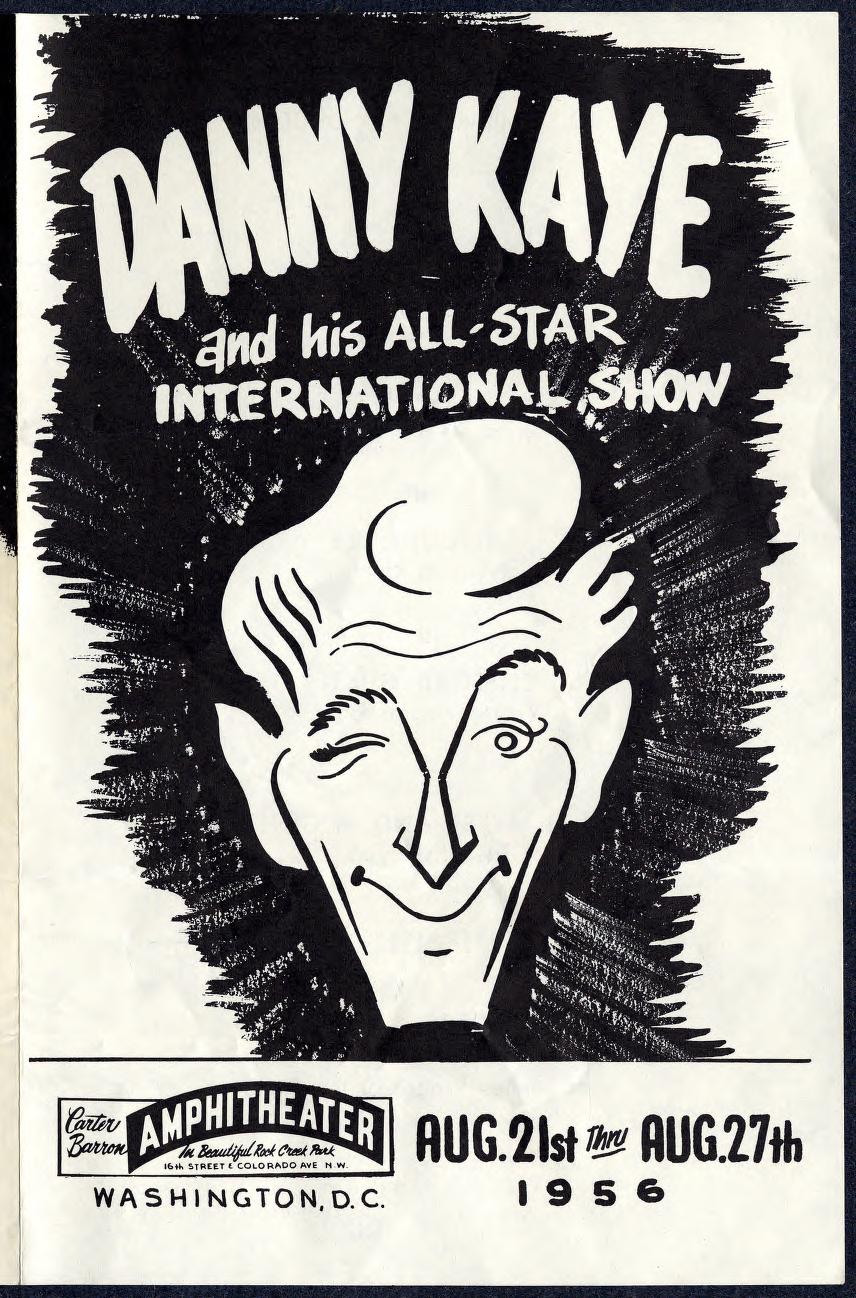
For a generation, a 4,200-seat bowl on a Rock Creek Park hillside was the summer stage of Washington. Nat King Cole sang there. So did Ella Fitzgerald, Louis Armstrong, Danny Kaye, Stevie Wonder. Silent since 2017, the Carter Barron Amphitheater is coming back.
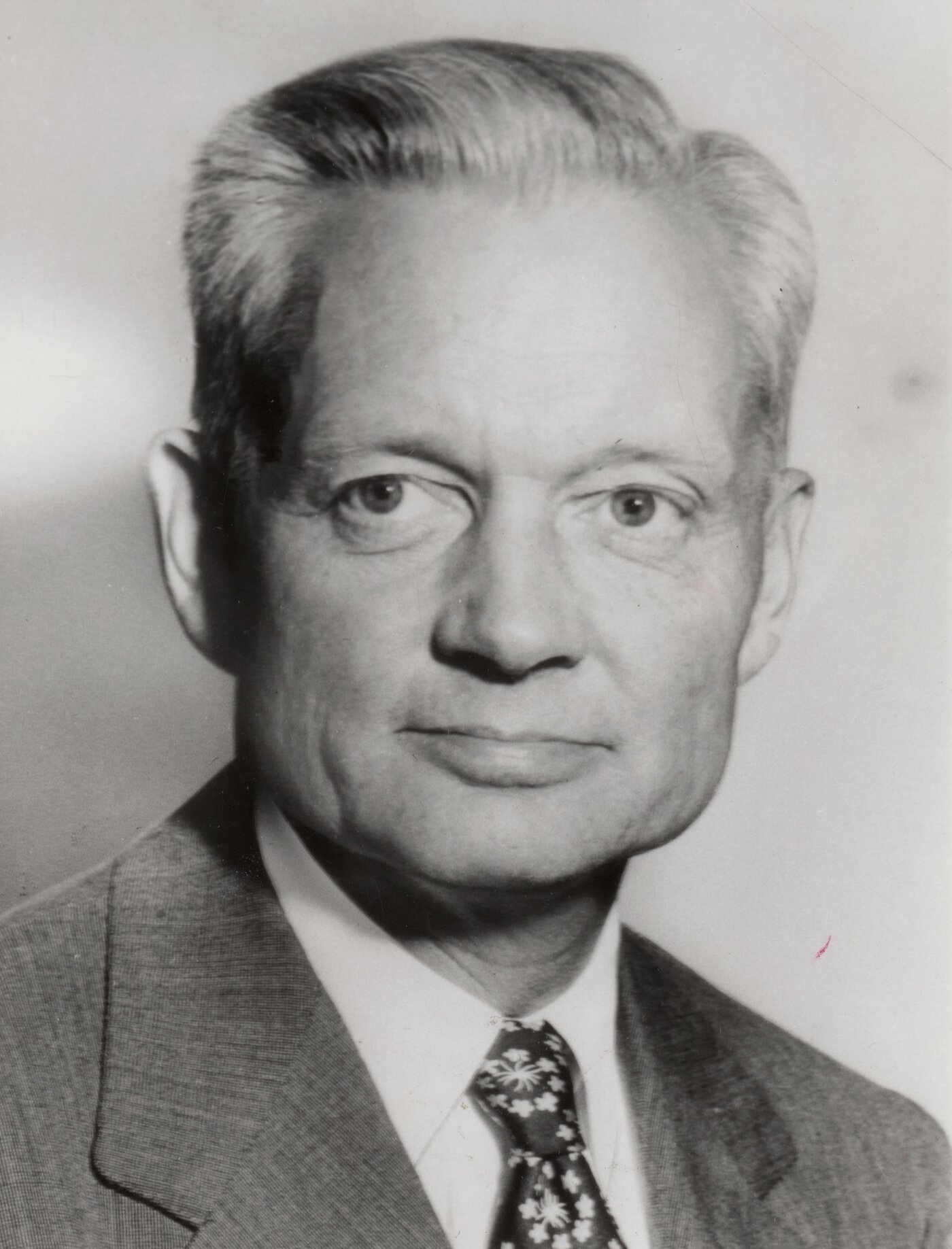
Halfway down the Rock Creek slope at 2400 Tilden Street NW stands Isaac Peirce’s 1811 whiskey still. In 1954 Sherman Adams moved in and ran the Eisenhower White House from a converted distillery three miles from Lafayette Square.
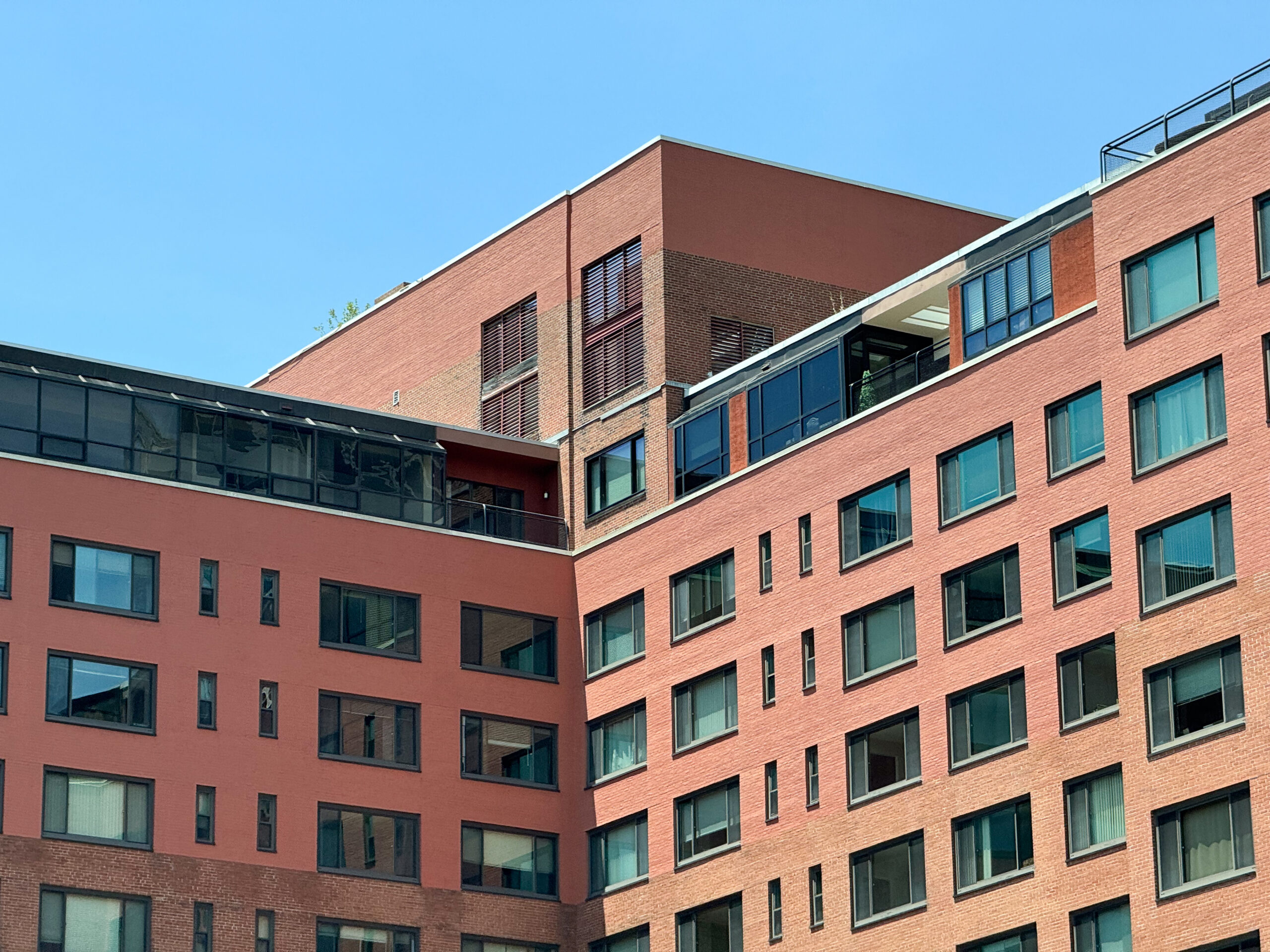
Own a home at River Place in Rosslyn and you don’t own the land beneath it. In 2052, the 99-year lease on the old Arlington Towers runs out. Inside the history of Rosslyn’s brick towers, from a diplomats’ training garage to Arlington’s cheapest river view.
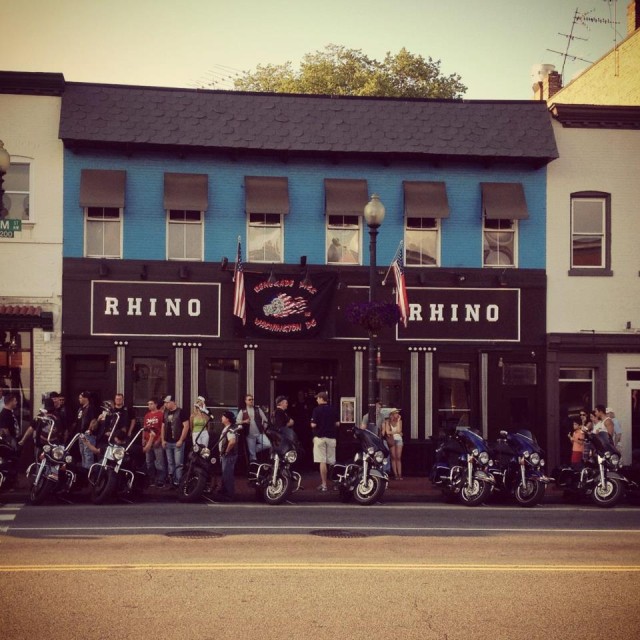
Three bars in 63 years at one Georgetown address: Shamrock 1952, Winston’s 1972, Rhino Bar 1998. The full arc of 3295 M Street NW before retail took it.
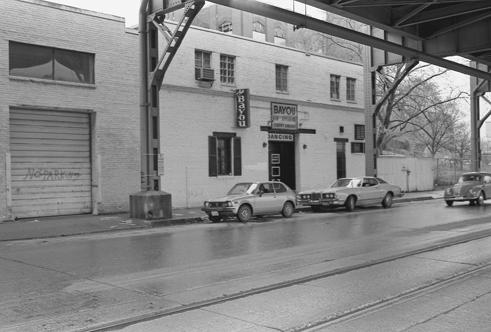
Forty-five years of Georgetown’s loudest room. The Bayou opened in 1953, closed in 1998, and put U2, Dave Matthews, and a whole DC scene through its doors.
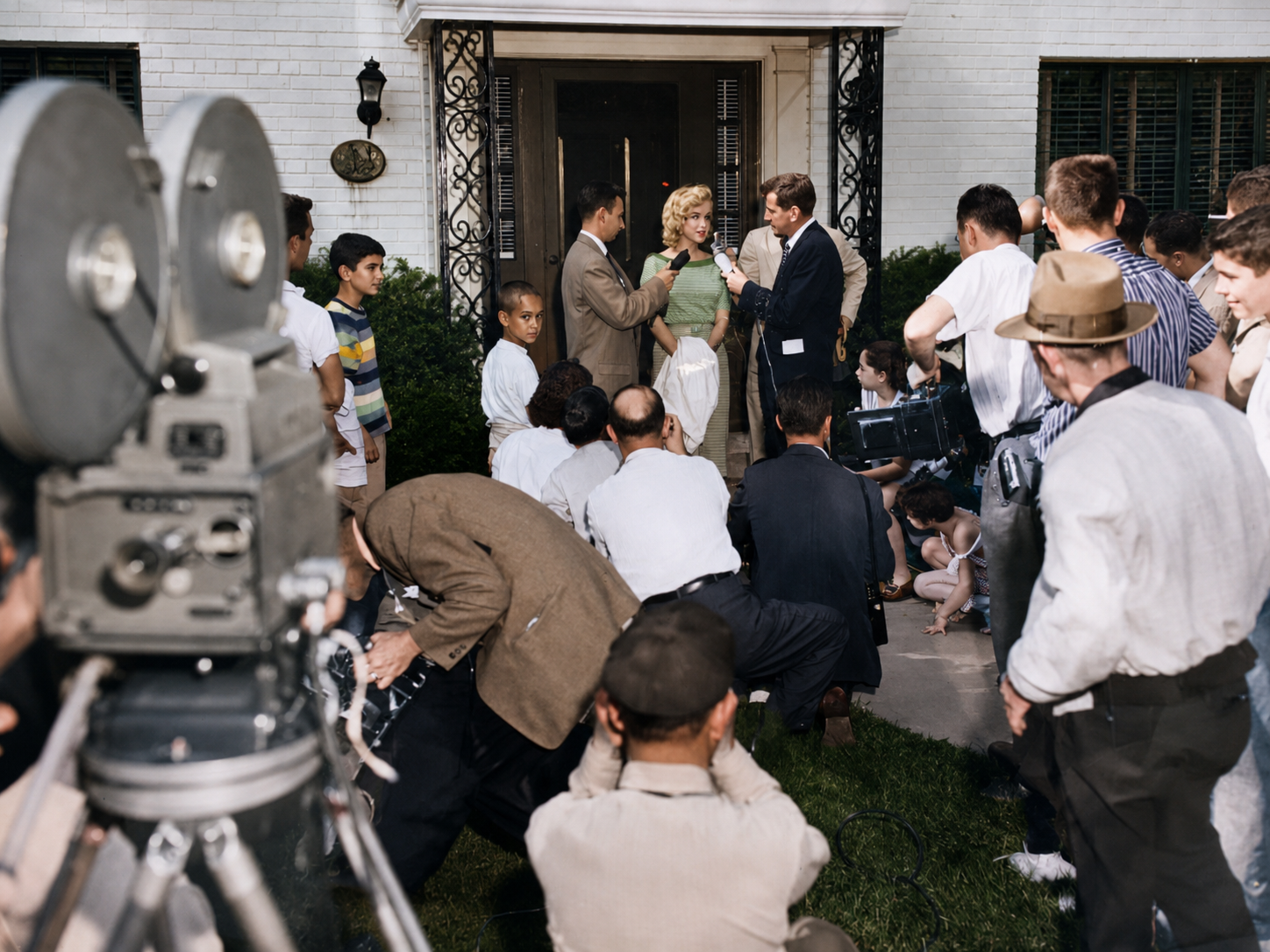
In late May 1957, Marilyn Monroe slept on a sofa bed in a Forest Hills den while her husband Arthur Miller stood trial in Federal Court for contempt of Congress. She bicycled the neighborhood in sunglasses, sat by a backyard pool, and held one news conference on the front lawn at 3625 Appleton Street NW. For seven days, the biggest movie star in the world was a houseguest in Northwest DC.
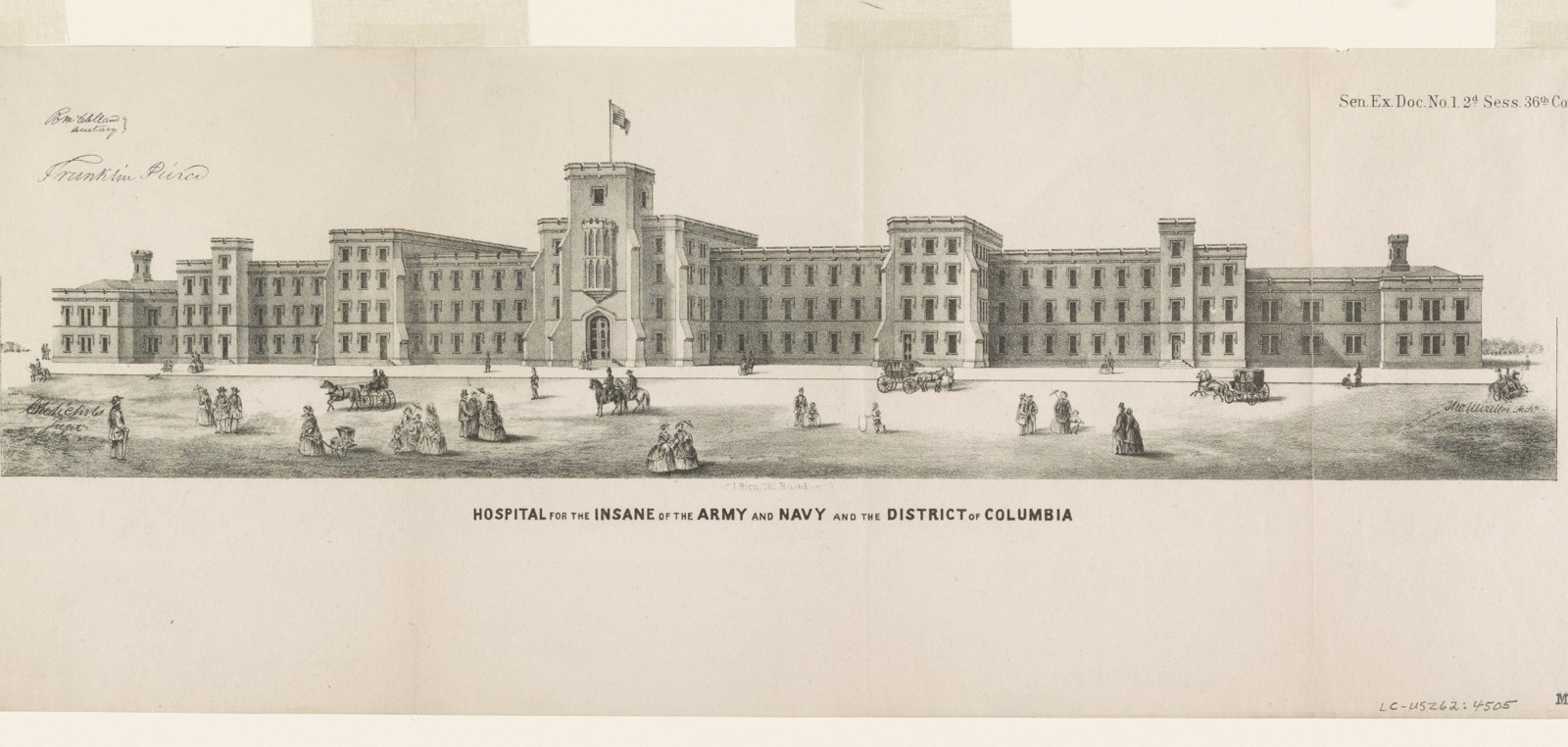
On January 31, 1958, the Evening Star started calling Dallas O. Williams “the Bad Man of Swampoodle.” The nickname stuck through five trials, three vacated convictions, and a 1961 double murder that exposed the broken machinery of DC’s insanity defense.
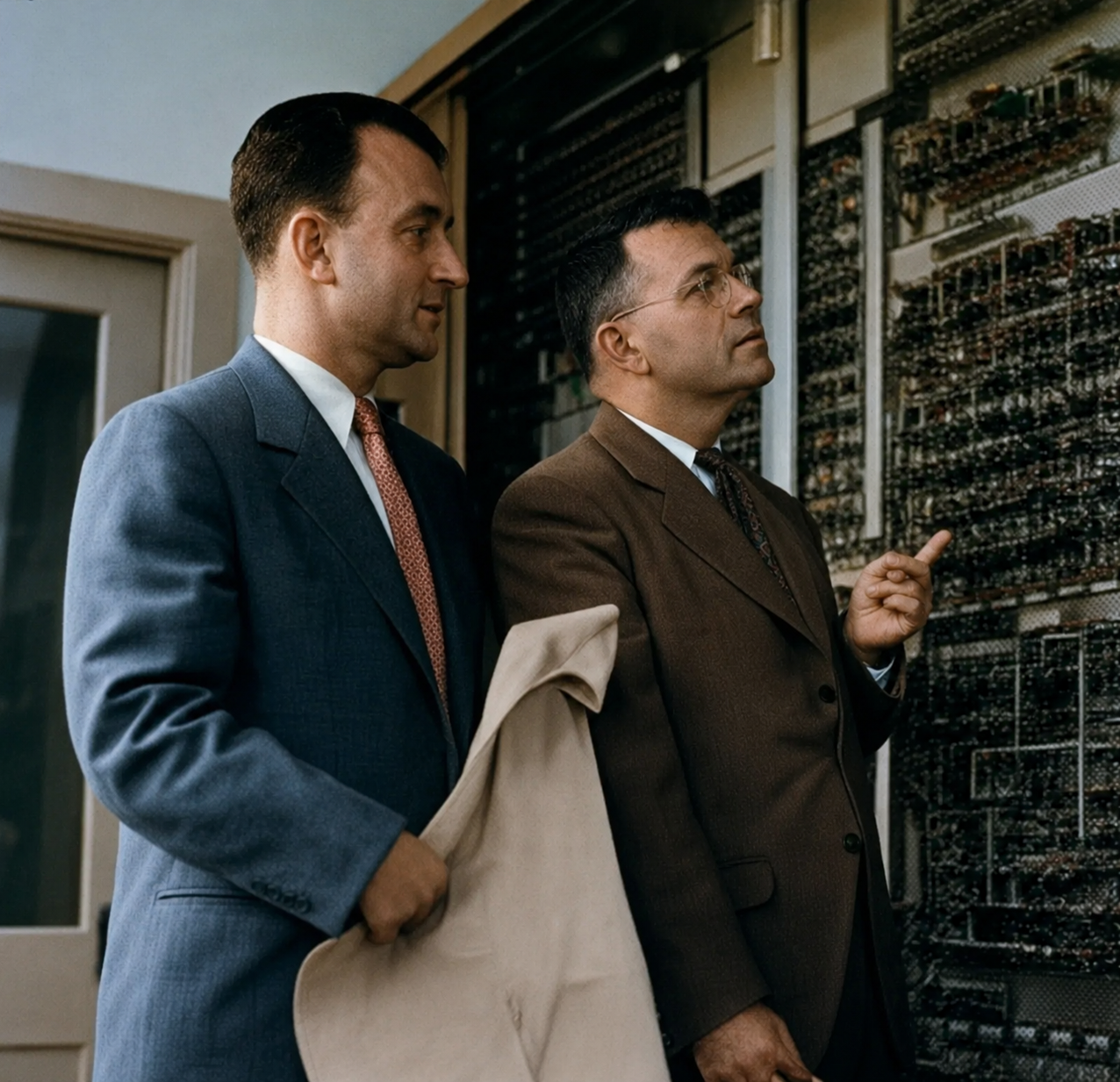
AI anxiety isn’t new. In 1949, an MIT professor turned down a corporate contract because he feared machines would replace human judgment. A year later, Washington had its own “electronic brain” on Connecticut Avenue. We’ve been having this argument for 75 years.