

1940s
World War II reshaped Washington completely. The Pentagon rose across the river in just 16 months, the federal workforce exploded, and the city became the command center for the Allied war effort. Housing was impossibly scarce, rationing was everywhere, and Washington hummed with wartime urgency from 1941 to 1945.
 Ella Watson’s Home: The House Behind American Gothic
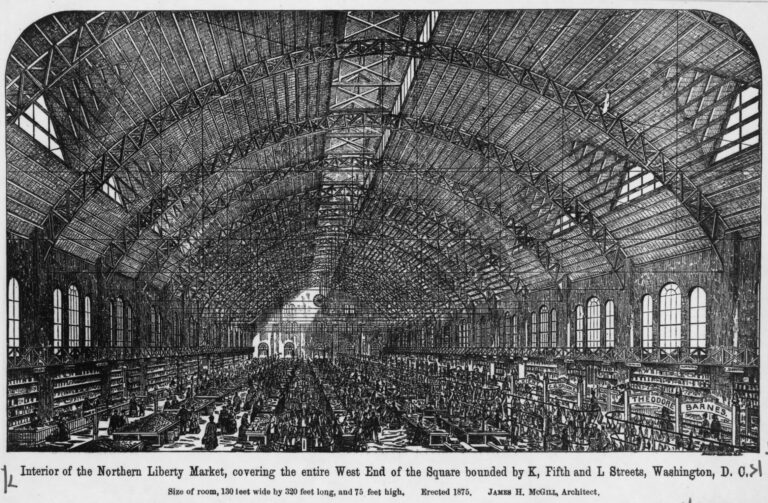 Northern Liberty Market and Boss Shepherd’s 1872 Raid
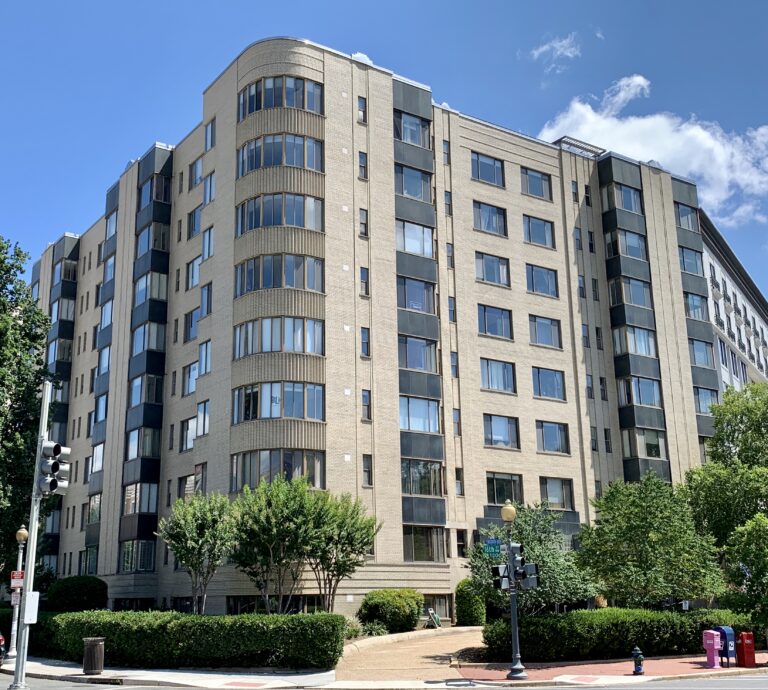 The General Scott Apartments: A 1940 Deco Landmark on Scott Circle
Get new stories by email
The lost and untold stories of Washington, DC, in your inbox.
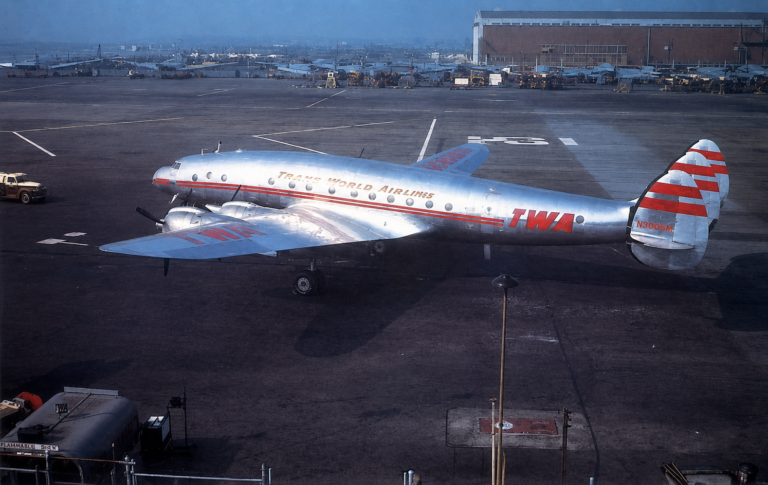 The “Paris Sky Chief”: When a Constellation Flew From National Airport to Paris
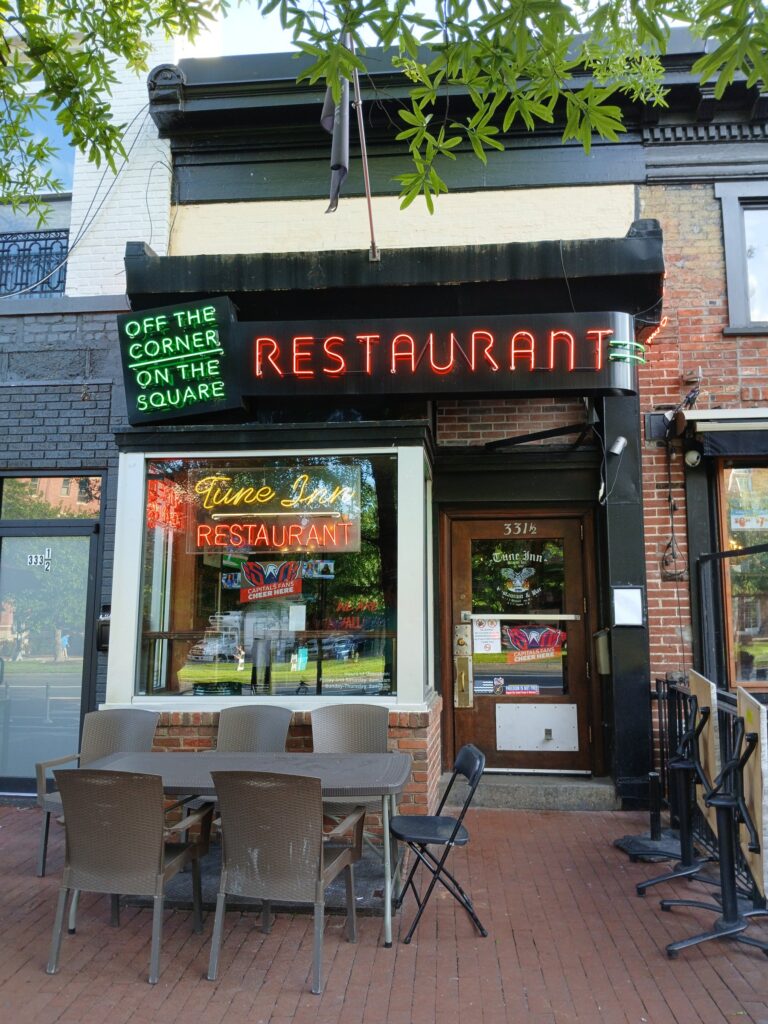 Tune Inn Capitol Hill: 79 Years of a DC Dive Bar
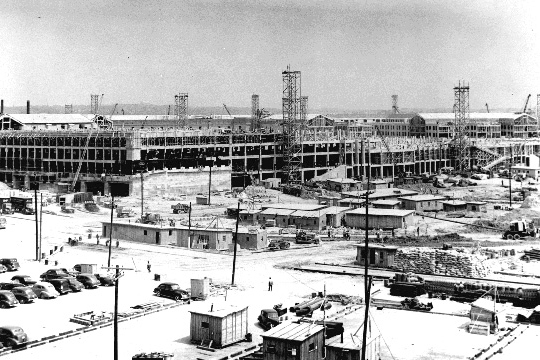 When Was the Pentagon Built? The 16-Month Wartime Sprint
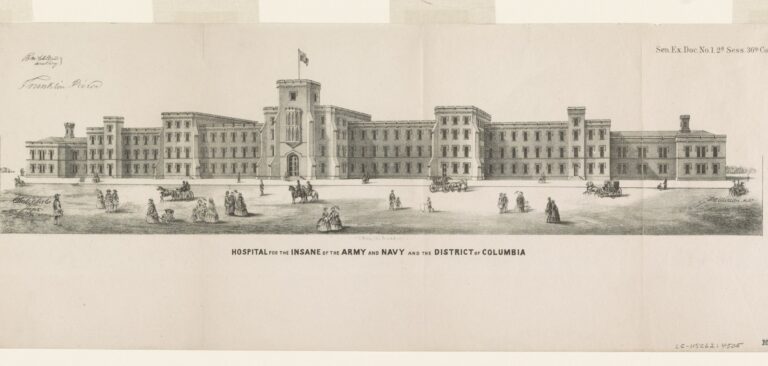 Dallas Williams, the Bad Man of Swampoodle
 Frank Lloyd Wright’s Crystal Heights: DC’s Lost Glass City
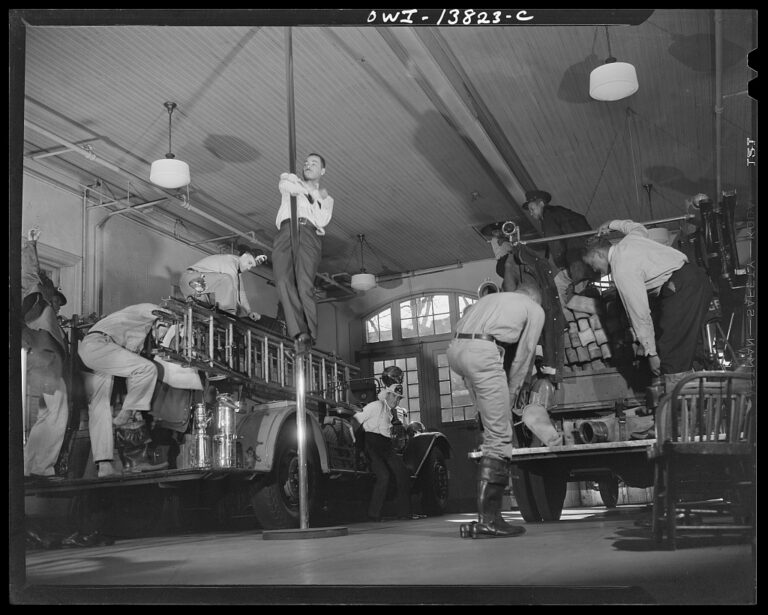 Engine Company No. 4: DC’s First All-Black Firehouse
More storiesShowing 9 of 147