Gas Rationing in Washington, D.C.: The Long Lines of 1942
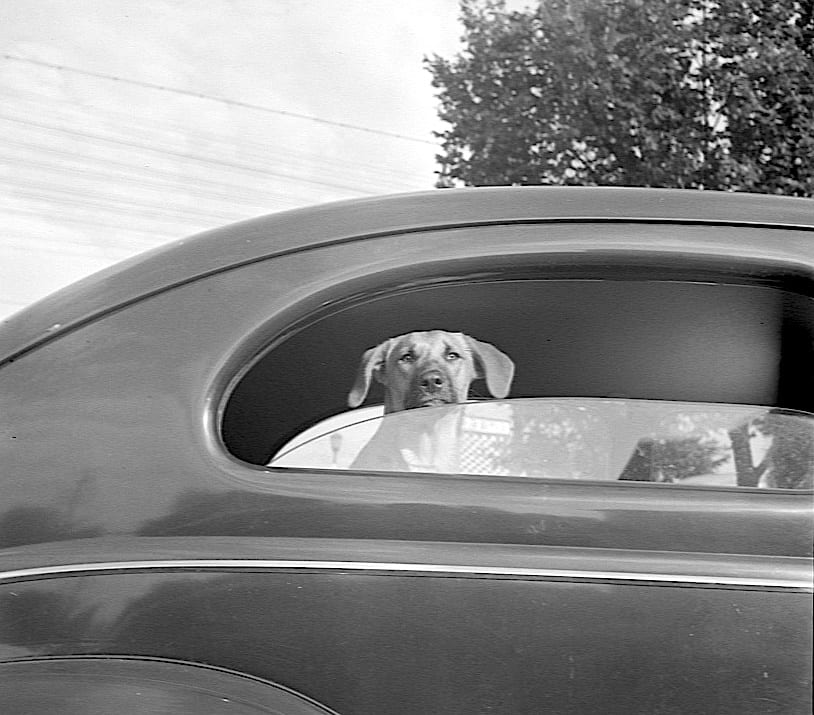
In June 1942, Washington D.C. gas stations on upper Wisconsin Avenue ran dry by 8:30 a.m. These Office of War Information photos show how the city lived through wartime gas rationing.
World War II reshaped Washington completely. The Pentagon rose across the river in just 16 months, the federal workforce exploded, and the city became the command center for the Allied war effort. Housing was impossibly scarce, rationing was everywhere, and Washington hummed with wartime urgency from 1941 to 1945.
In June 1942, Washington D.C. gas stations on upper Wisconsin Avenue ran dry by 8:30 a.m. These Office of War Information photos show how the city lived through wartime gas rationing.
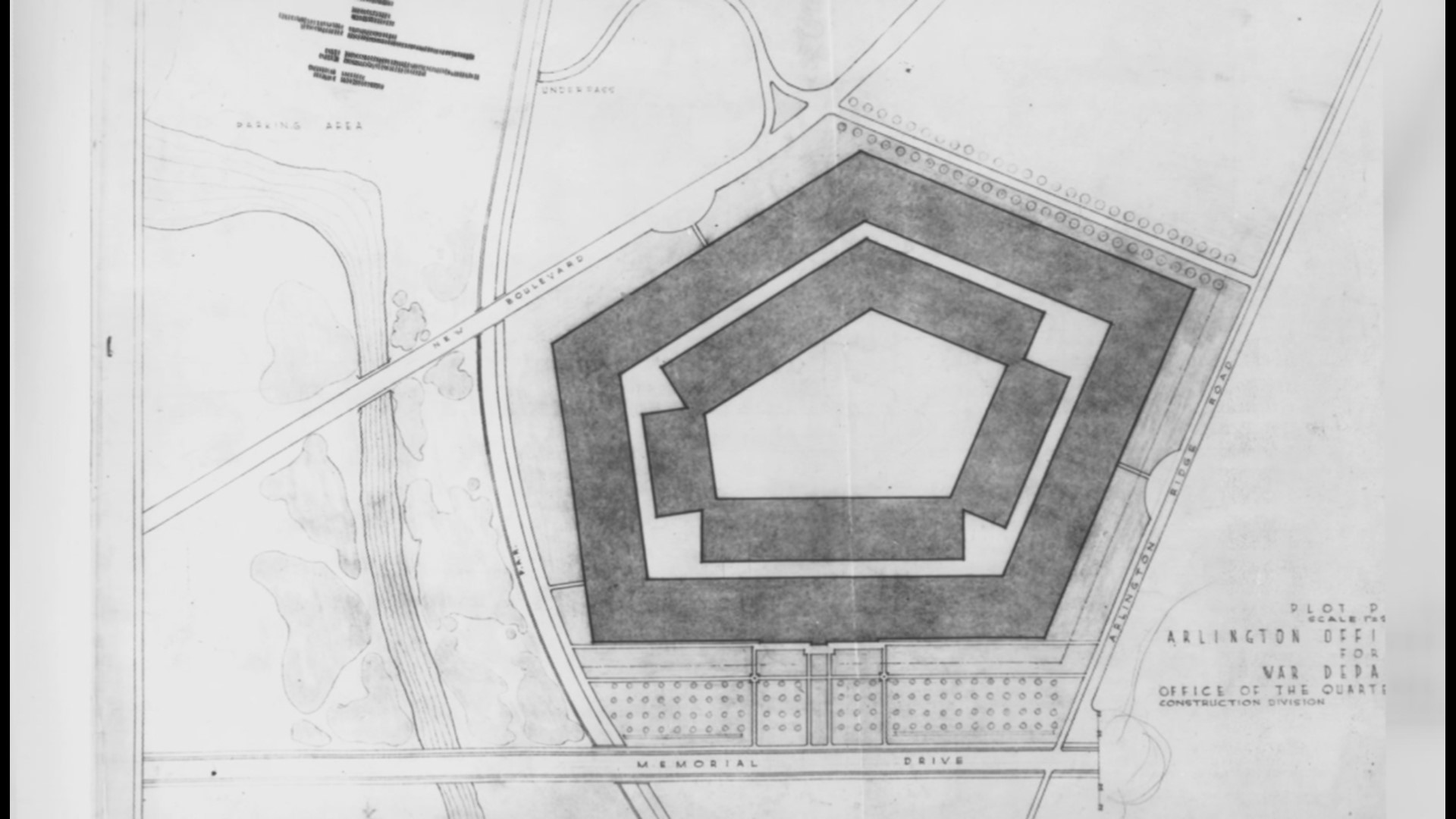
The Pentagon wasn’t designed to be five-sided. In 1941, architects had 72 hours to fit a building around a five-road intersection. The shape stuck.
A four-year-old cut the ribbon on the Whitehurst Freeway on October 8, 1949. It was Washington’s first elevated highway.
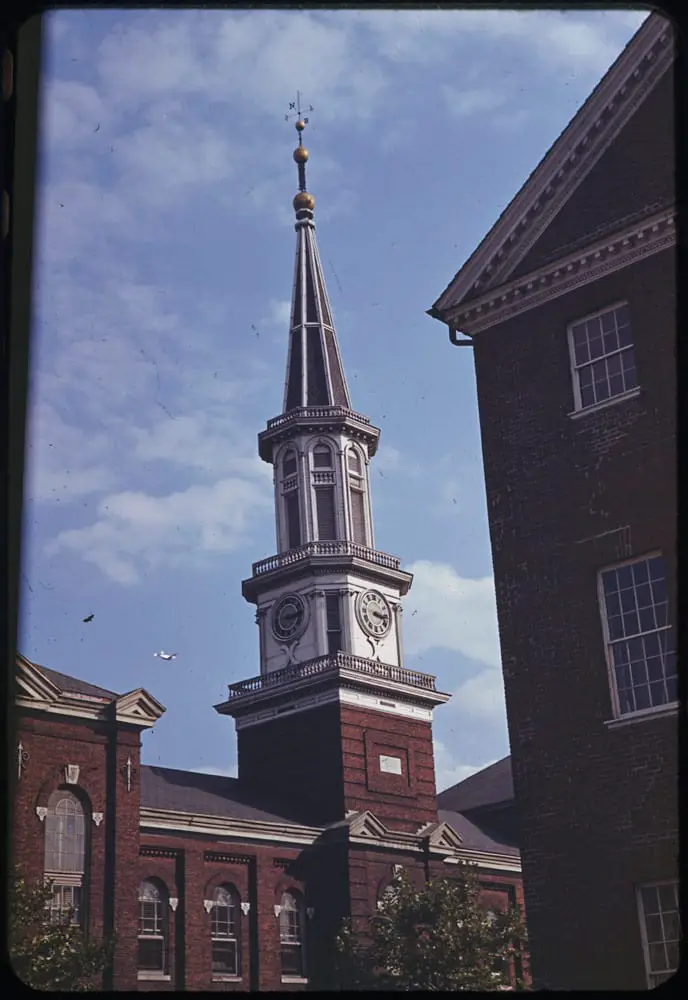
Four early Kodachrome color photos of Old Town Alexandria from a single September 23, 1940 afternoon, taken by an amateur named Charles Cushman. He shot four frames and drove away. The Pentagon broke ground eleven months later.
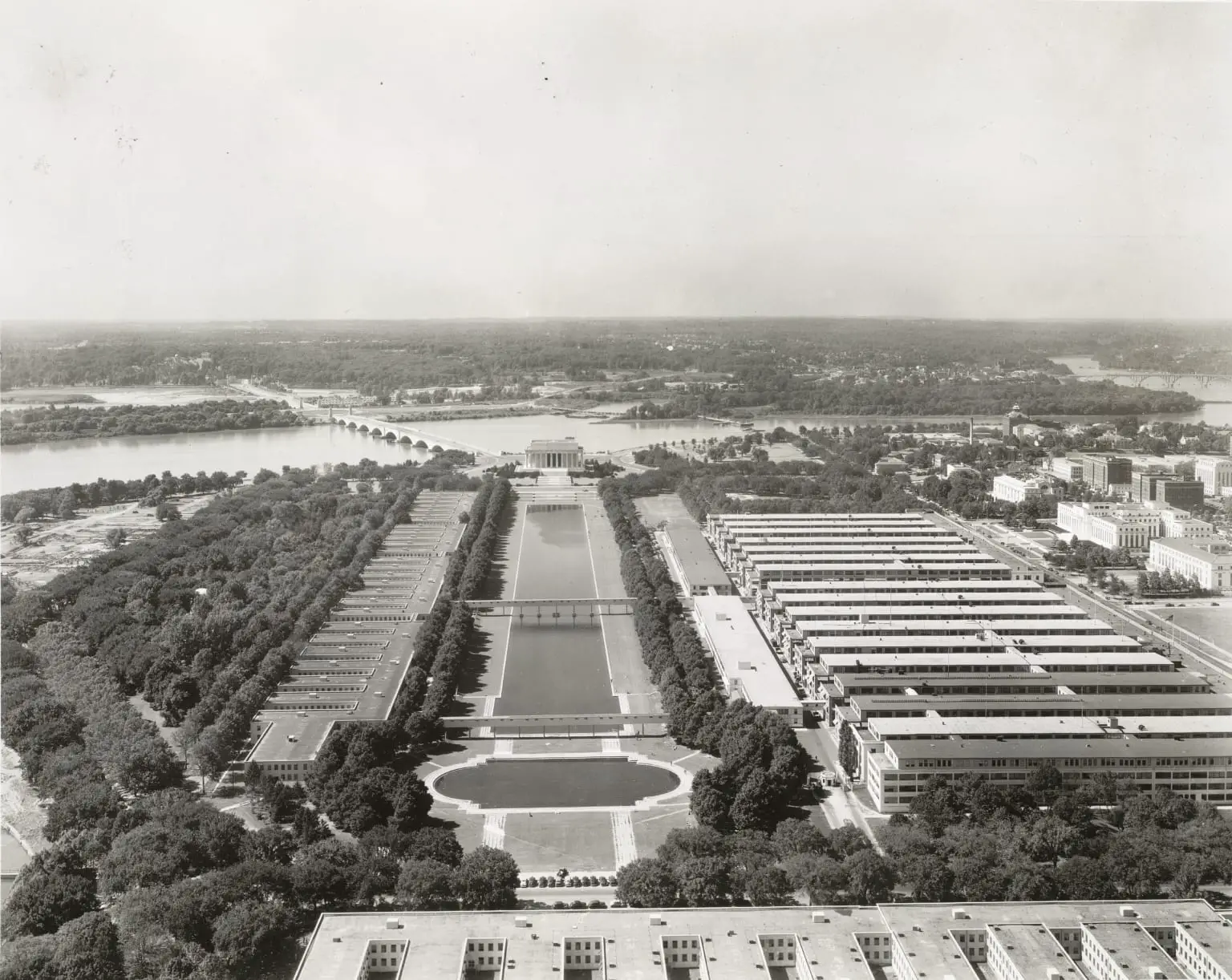
Take a rare glimpse of the massive Navy and Munitions Buildings erected on the Mall in 1918. See how massive they were from the Washington Monument in 1942 with this incredible vantage point.
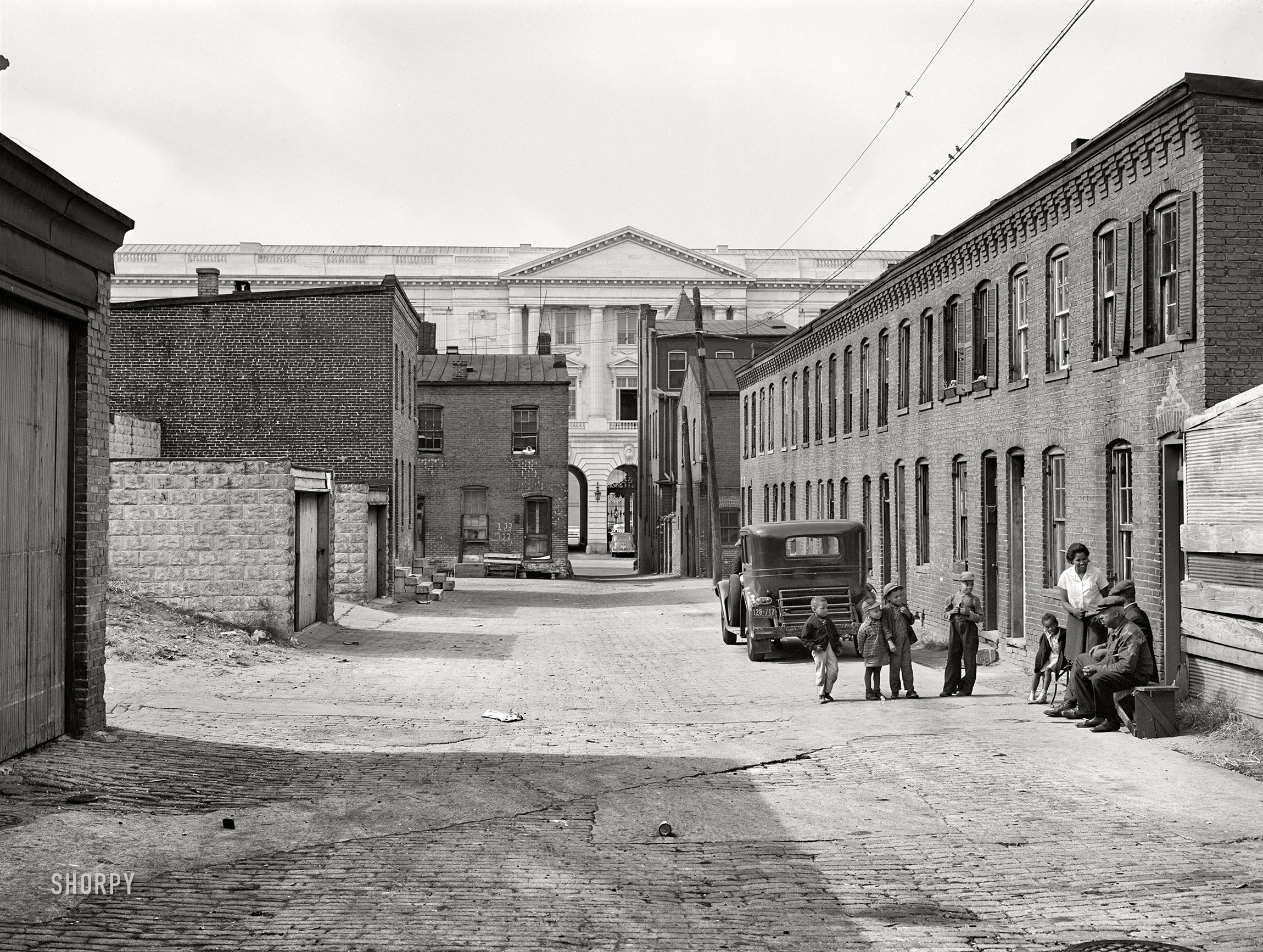
What was alley living like near Capitol Hill? This photo shows Schott’s Alley, razed in the 1940s to make way for the Dirksen Senate Office Building.
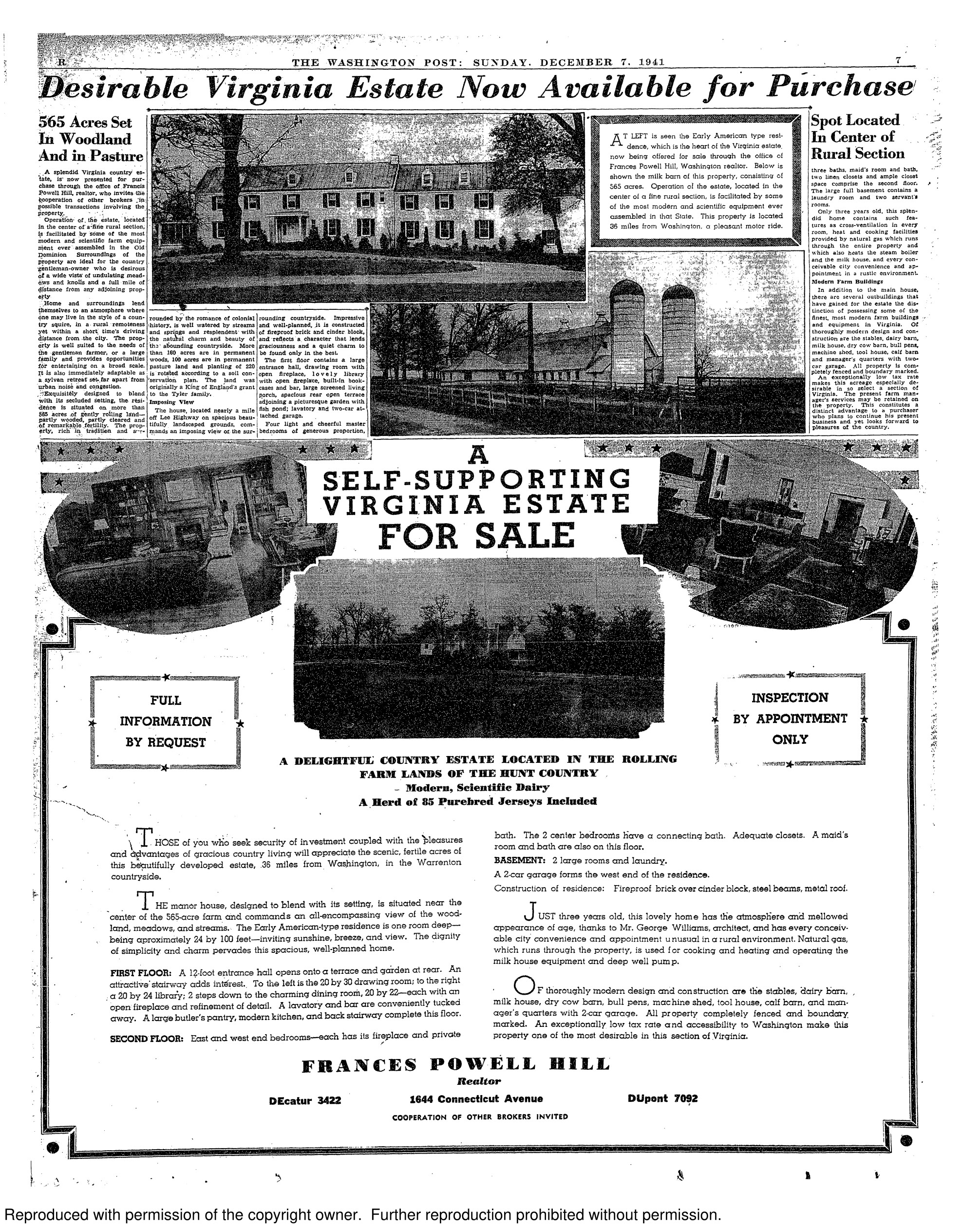
These three houses were advertised for sale in the Washington Post on December 7th, 1941. Help us identify the 565-acre estate in Warrenton, Virginia.
What was it like riding the streetcars of Washington on the 1940s? Take a look at this series of great old photos.
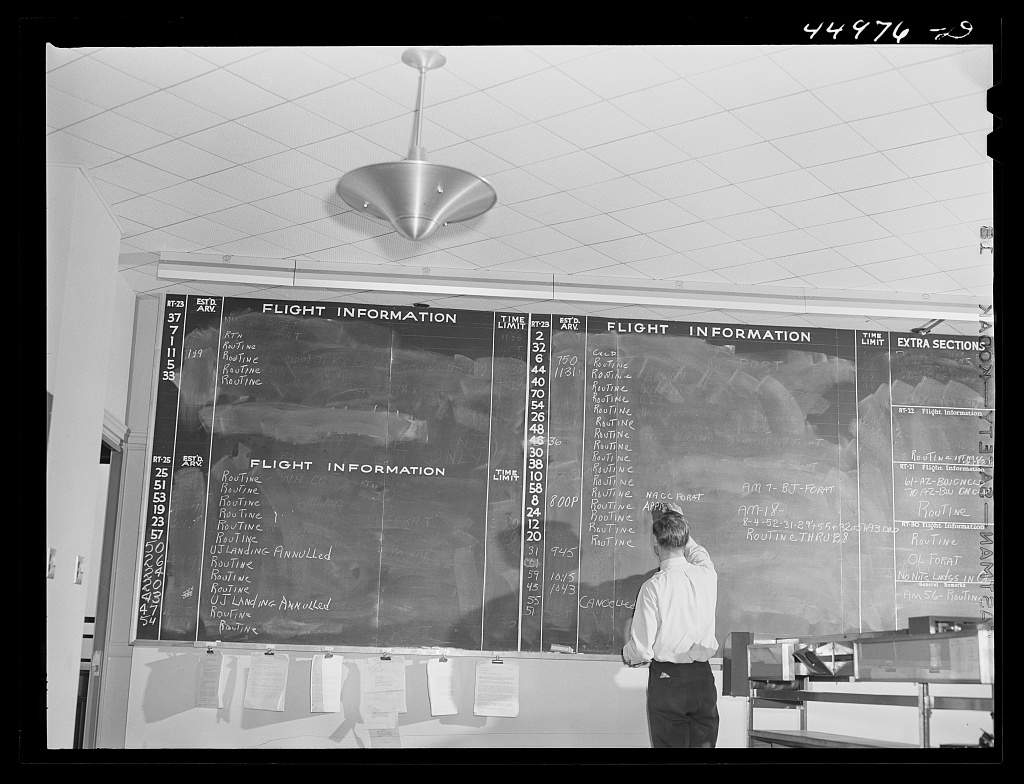
Washington’s new airport opened for business in June 1941. This series of detailed photos shows what flying was like 80 years ago, more glamorous, quaint, and dressed up.