Cottonwood Street, McLean: The 26 Acres a Black Farmer Bought in 1865
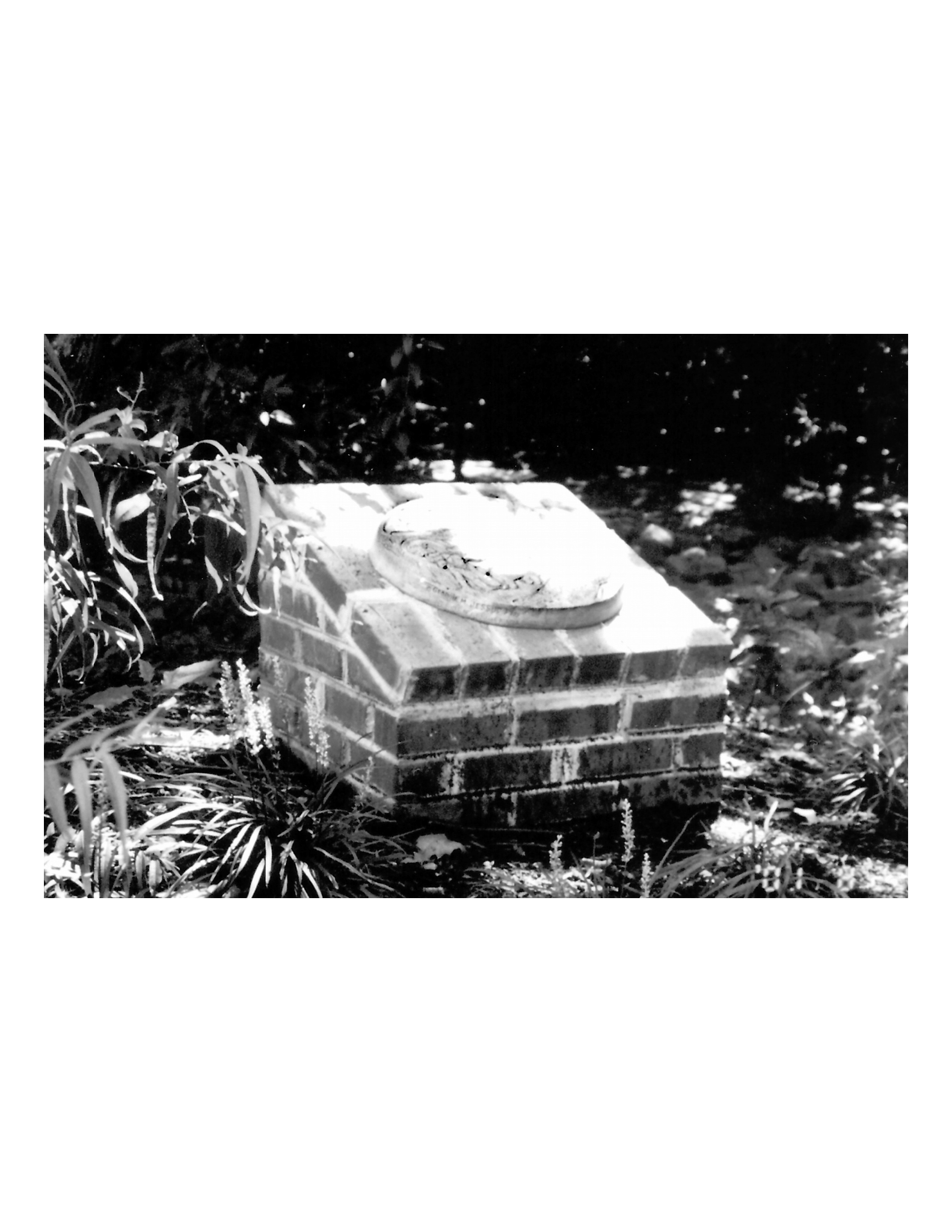
Off Kirby Road in McLean, Cottonwood Street runs through the 26-acre farm a Black farmer named Christopher Columbus Hall bought in 1865 and divided among his 11 children.
Washington spent most of the 1860s as a city at war. The Capitol dome was still under construction when the fighting started, and the city filled with soldiers, contraband camps, and field hospitals. Lincoln was shot at Ford’s Theatre in April 1865. These are 139 stories from the decade that defined the District.
Off Kirby Road in McLean, Cottonwood Street runs through the 26-acre farm a Black farmer named Christopher Columbus Hall bought in 1865 and divided among his 11 children.
Five forgotten people, robbed, slashed, shot, or stabbed in Washington’s Murder Bay slum between 1865 and 1868. We pulled their names out of the old Evening Star: named victims, named killers, and real intersections that no longer exist.
She walked into the Treasury Building on a Monday afternoon in 1865, shot the clerk who had courted her since she was twelve, and walked free in five minutes.
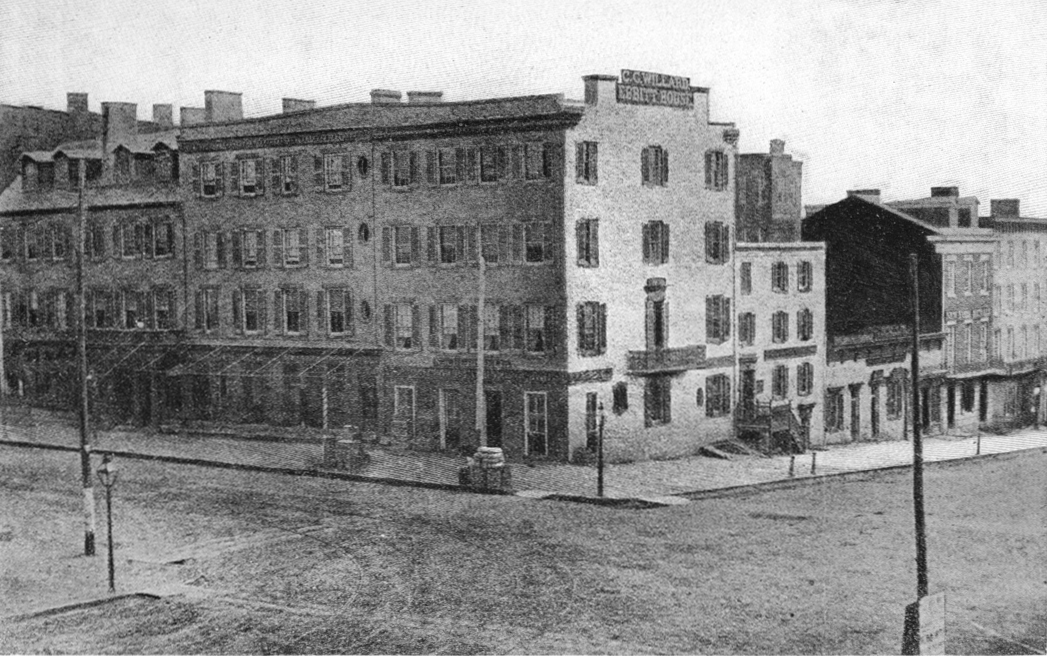
Three Willard brothers ran the Willard Hotel on Pennsylvania Avenue. The fourth, Caleb, ran a hotel just as big a block away. He just had the misfortune of calling it the Ebbitt House.
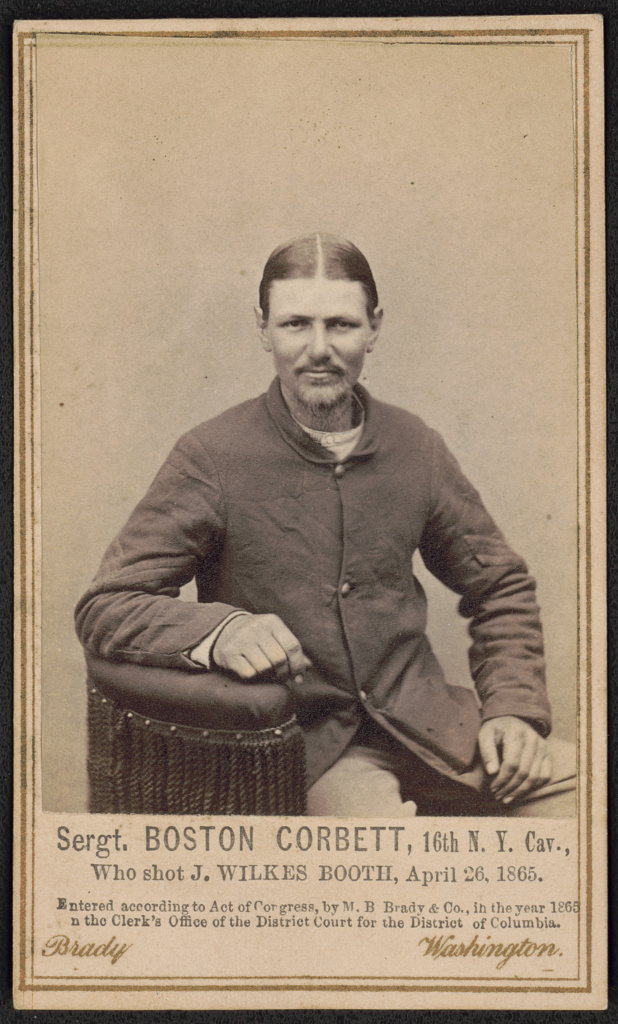
On May 17, 1865, Sergeant Boston Corbett took the stand at the Washington Arsenal and walked the military commission through the night he shot John Wilkes Booth in a Virginia barn. This is the DC chapter of his strange life.
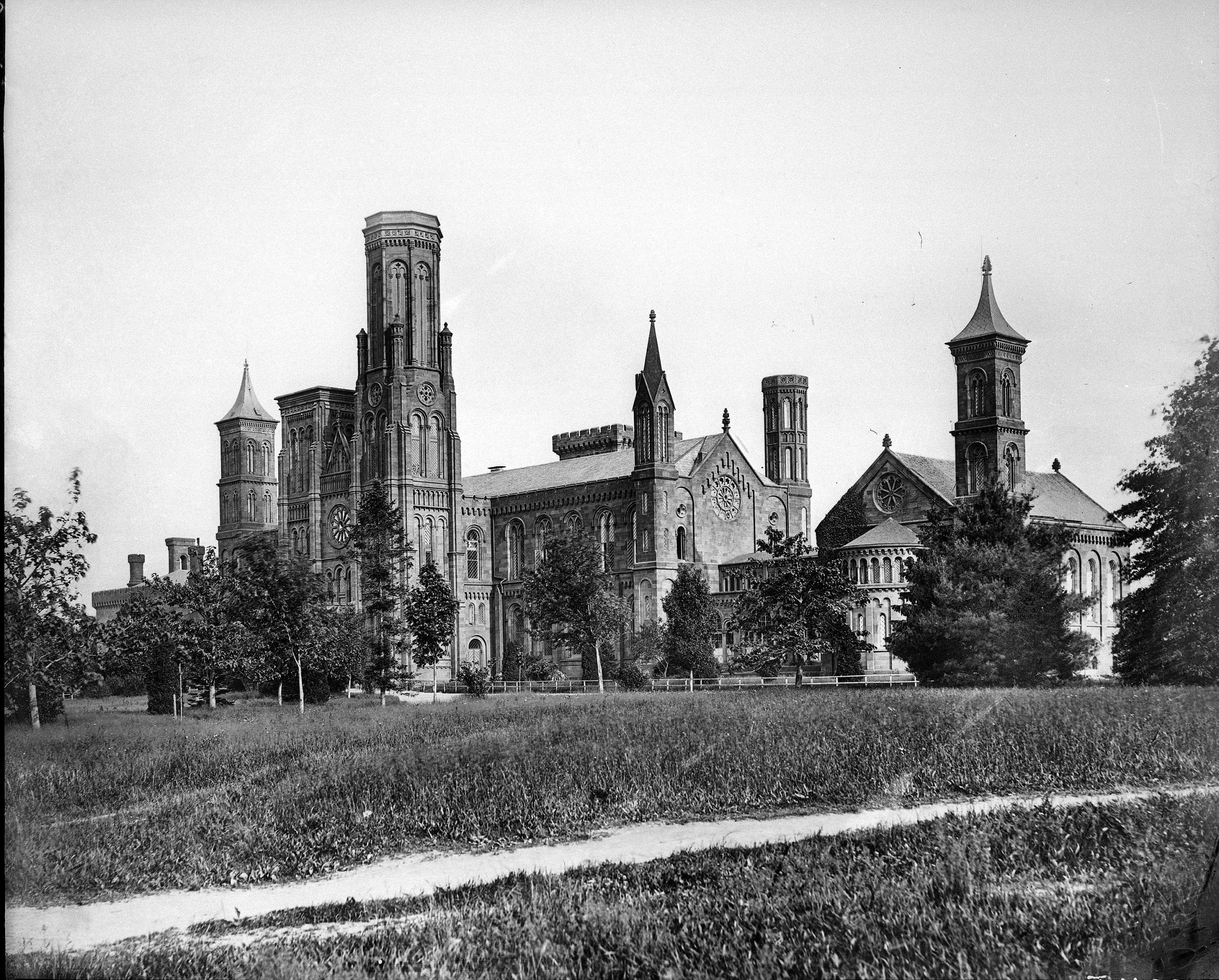
A photograph of the Smithsonian Castle taken around 1867, just two years after the Civil War ended. The red sandstone building was barely a decade old.
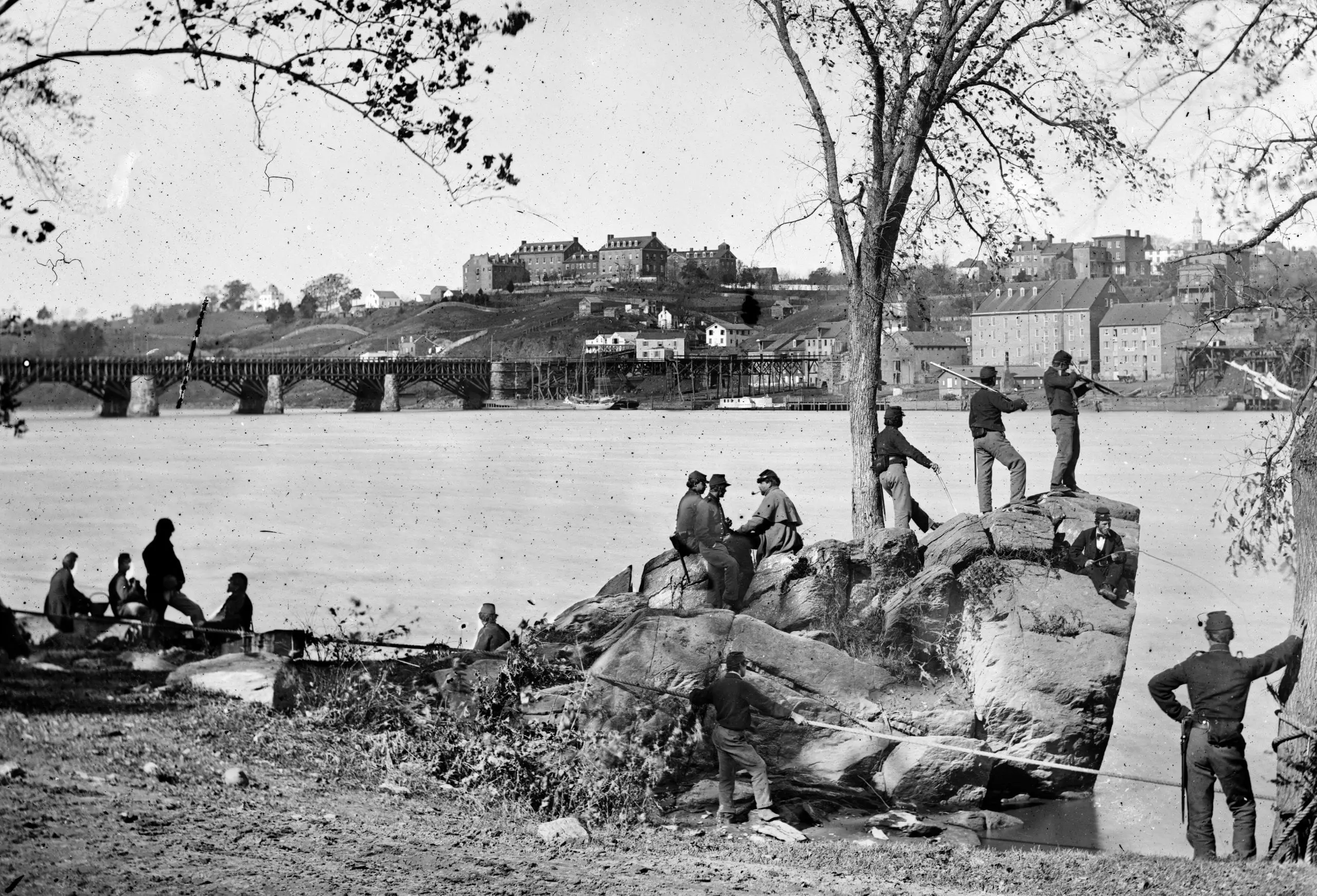
Take a rare look at Union soldiers guarding the Potomac River in Washington, DC in 1861. Georgetown University is visible in the background. Photo by George Barnard.
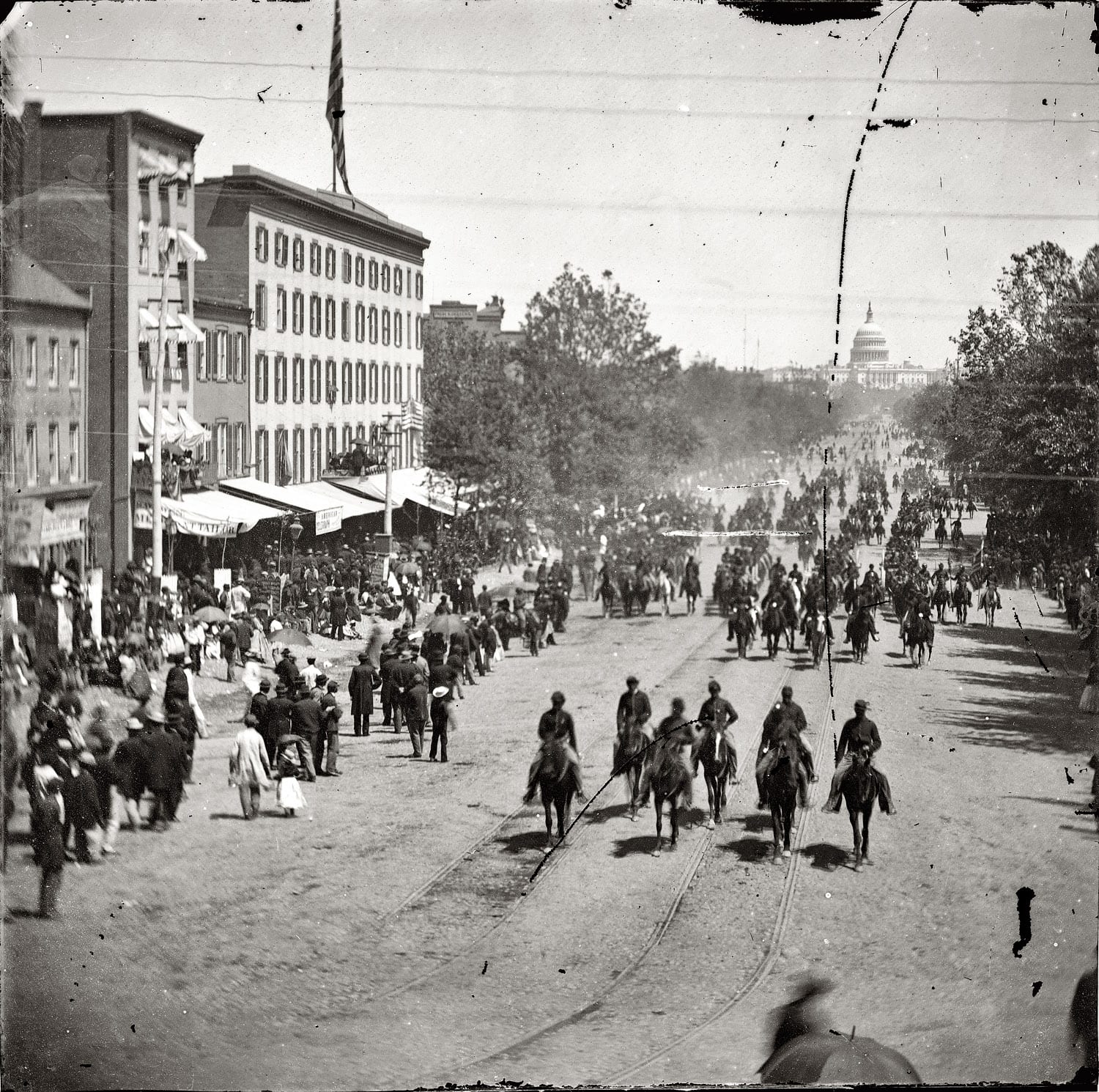
Discover a pivotal moment in history with Mathew Brady’s stunning photo of Washington, D.C. in 1865, capturing the end of the Civil War era.
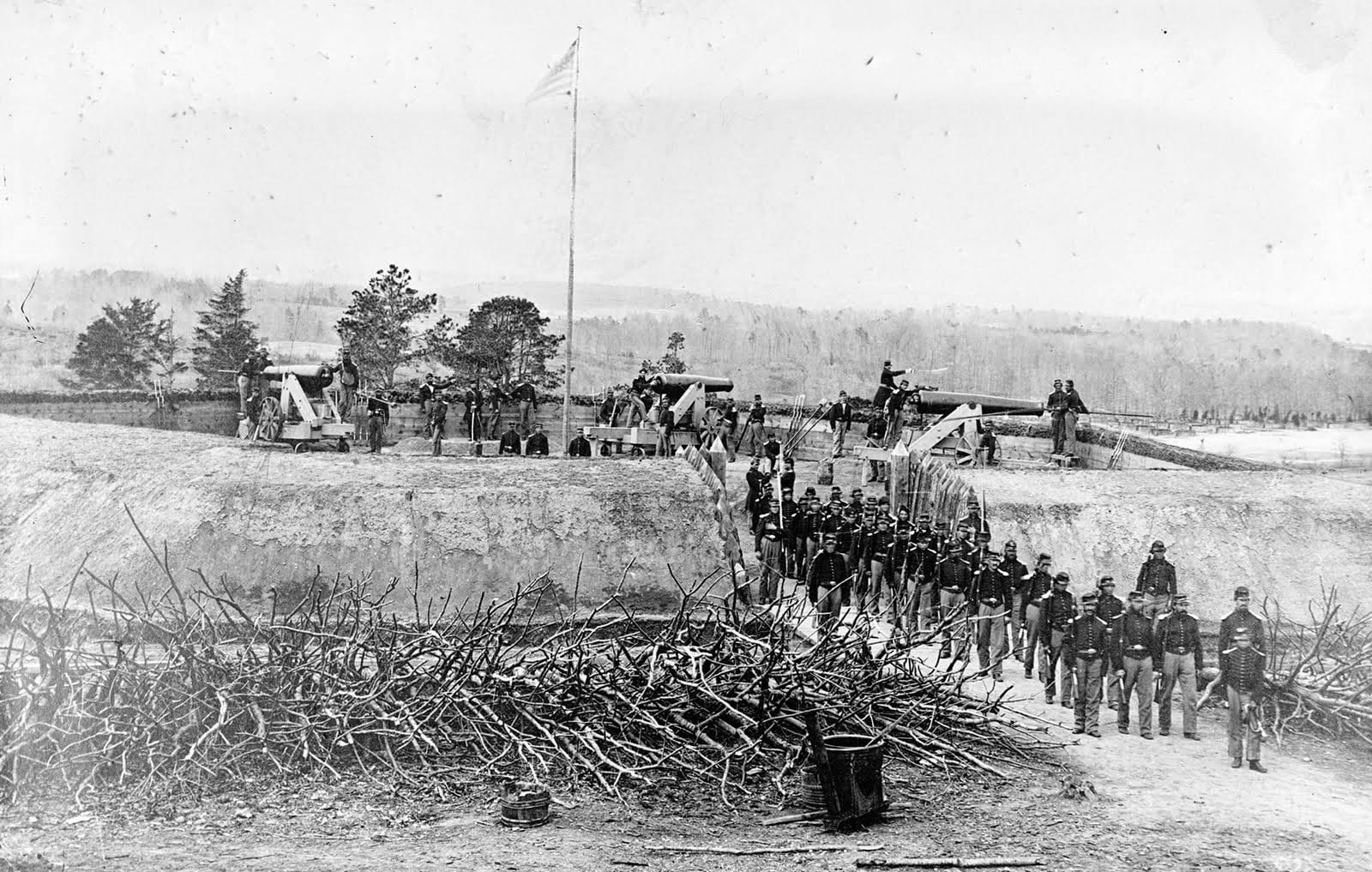
The Civil War reached the outer edges of Washington in 1864. It was so close that President Lincoln rode near the front lines of Fort Stevens and came under fire.