
Why Is It Named...?
The origin stories behind Washington, DC street names, neighborhood names, and landmark names. Who were these places named for?
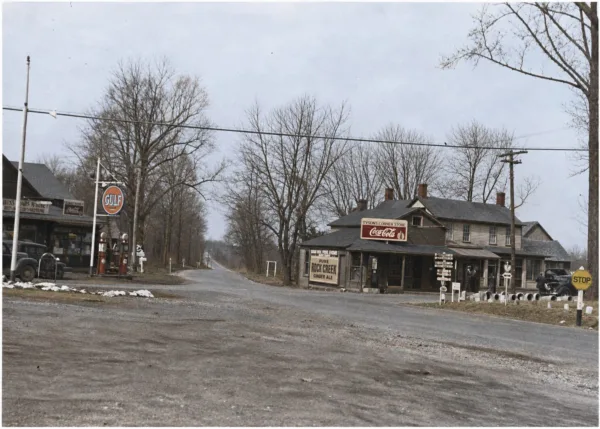
An 1862 Union Army map put “Tyson” beside the Peach Grove post office. Here is who he was, and how his country crossroads became plain Tysons in 2016.
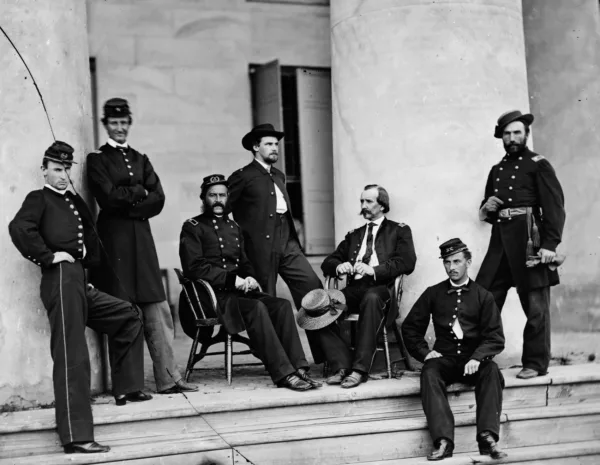
Arlington County has only been Arlington since 1920. The name came from a mansion on a hill above the Potomac, and the man who built it first called it Mount Washington.
The Adams and Morgan schools gave a neighborhood group its name in 1955. That effort helped give the surrounding neighborhood a name too.
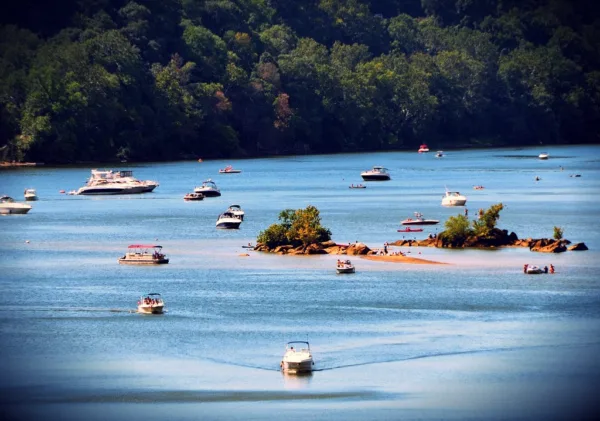
Three rocky islands in the Potomac come with a drowning legend that has been retold, and reinvented, since at least the 1890s. Here’s where it came from, who owned the rocks, and the bridge that nearly buried them.

Washington’s streets run H, I, K. The John Jay grudge story is a modern myth. The first engraved map already skipped J in 1792, and nobody wrote down why.
There’s more where these came from.
Lost Washington stories in your inbox most mornings: the newest, plus a few from the archive.
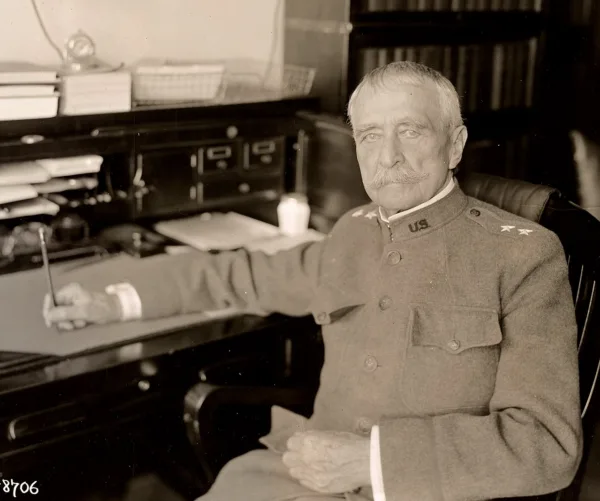
Peter Conover Hains helped turn Potomac mud flats into parkland. The point named for him grew out of a major river dredging project.

Phoebe Hearst helped fund free kindergartens and teacher training in Washington. The elementary school at 37th and Tilden bears her name.

Anacostia’s name traces back to the Nacotchtank people. Early maps and written accounts record the changing spellings of the name.

Wisconsin Avenue once carried different names through Georgetown and beyond. Old maps trace High Street, Tennallytown Road and the changes.
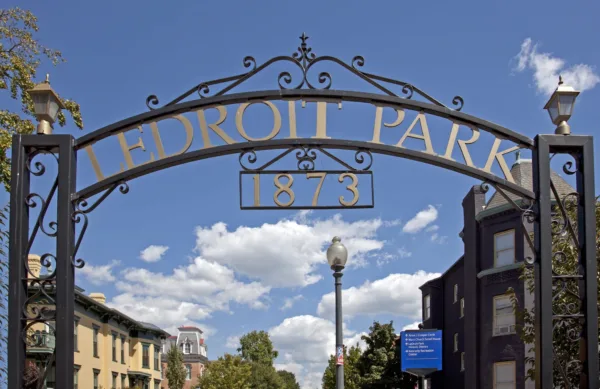
LeDroit Park began as a segregated suburb behind a fence. Its later residents helped make it an center of Black life in Washington.
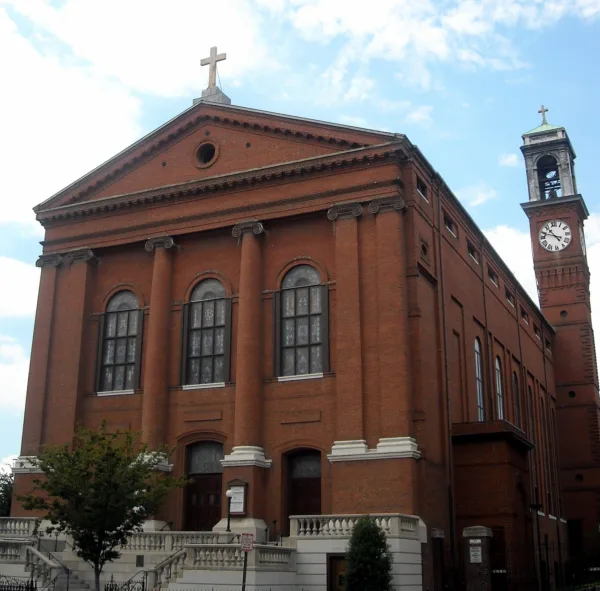
A rough, all-Irish neighborhood called Swampoodle once stood where Union Station is now. The railroad cleared it, and DC forgot.
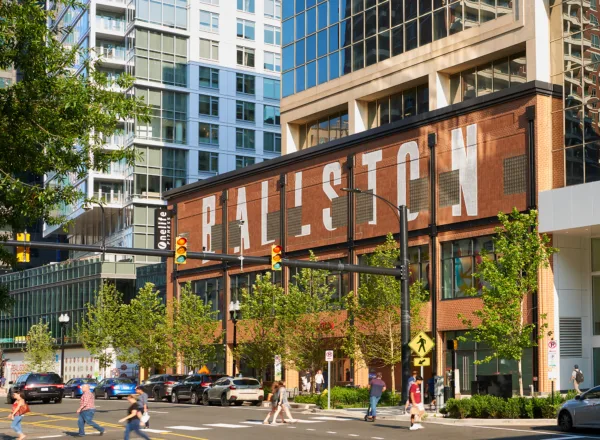
Ballston’s name goes back to the Ball family and a crossroads tavern, long before the Metro station and office towers arrived in Arlington.
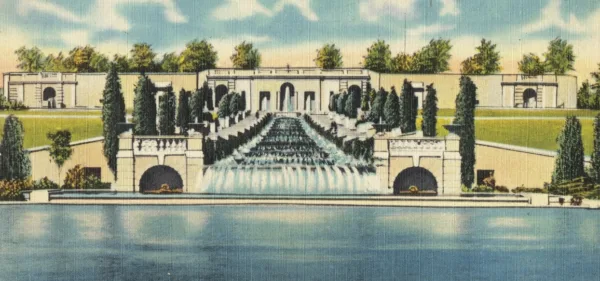
Meridian Hill Park’s story reaches beyond its terraces, from a proposed presidential home to the Malcolm X name and Sunday drums.
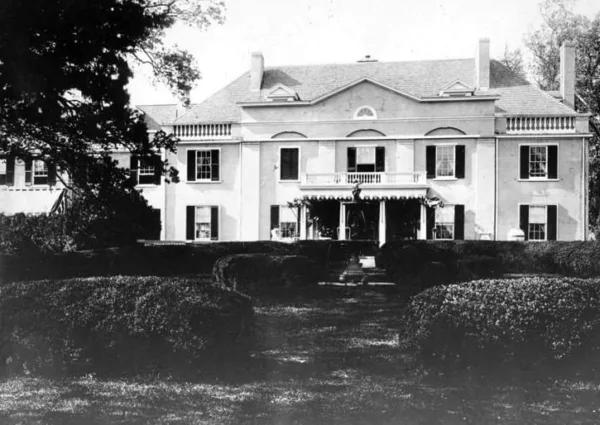
The McLean family’s Friendship estate gave way to housing for World War II workers. Those apartments became part of McLean Gardens.
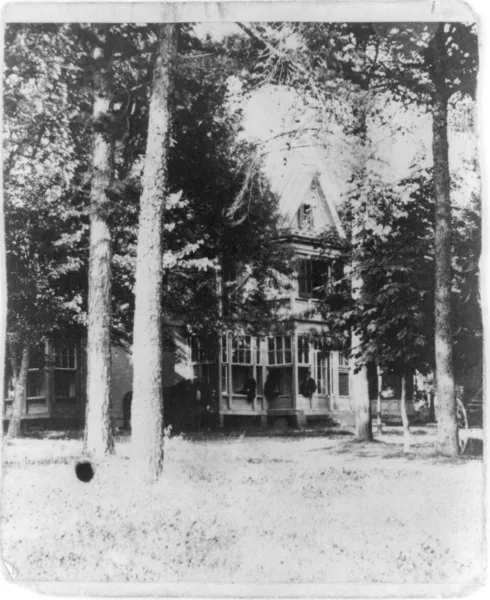
A spring flecked with mica gave Francis Preston Blair’s country estate its name. Silver Spring eventually became the name of the community.
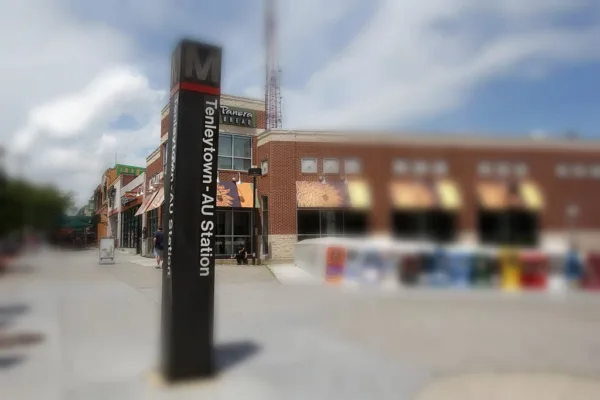
Tenleytown takes its name from John Tennally, an illiterate tavern keeper who ran an inn at the corner of River Road and the Georgetown-Rockville Turnpike around 1790. He signed his name with an X. The resulting spelling free-for-all lasted 200 years.
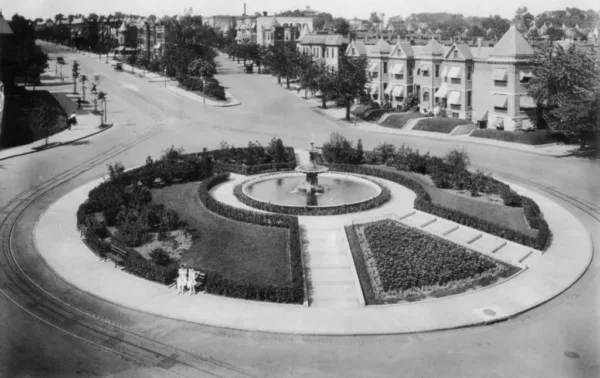
Truxton Circle lost its namesake traffic roundabout in 1947, but the story of how it got that name reaches back to the founding of the U.S. Navy and Commodore Thomas Truxtun, one of the most celebrated officers of the early republic.

Ross Elementary honors a former District commissioner and postmaster. The school first stood in Columbia Heights before moving to Dupont.
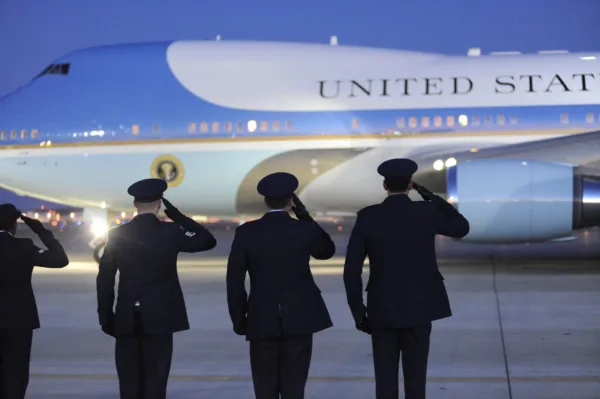
Andrews honors Lieutenant General Frank Maxwell Andrews. The base began as Camp Springs Army Air Base before its name changed in 1945.
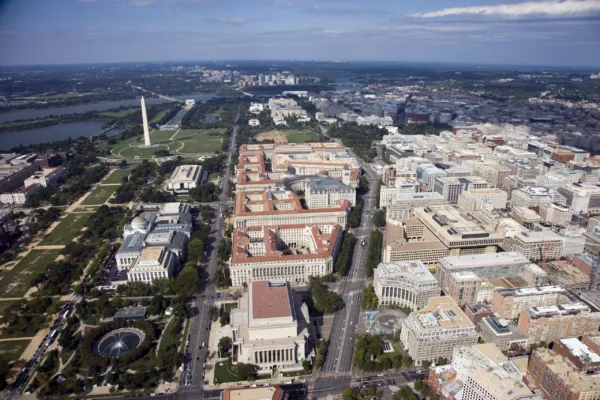
Federal Triangle’s name describes both its shape and its purpose. Government building plans transformed this part of downtown Washington.