Why Is It Named Clarendon?

Clarendon started as a rail-stop development along the Georgetown to Falls Church road, now Wilson Boulevard.
The origin stories behind Washington, DC street names, neighborhood names, and landmark names. Who were these places named for?
Clarendon started as a rail-stop development along the Georgetown to Falls Church road, now Wilson Boulevard.
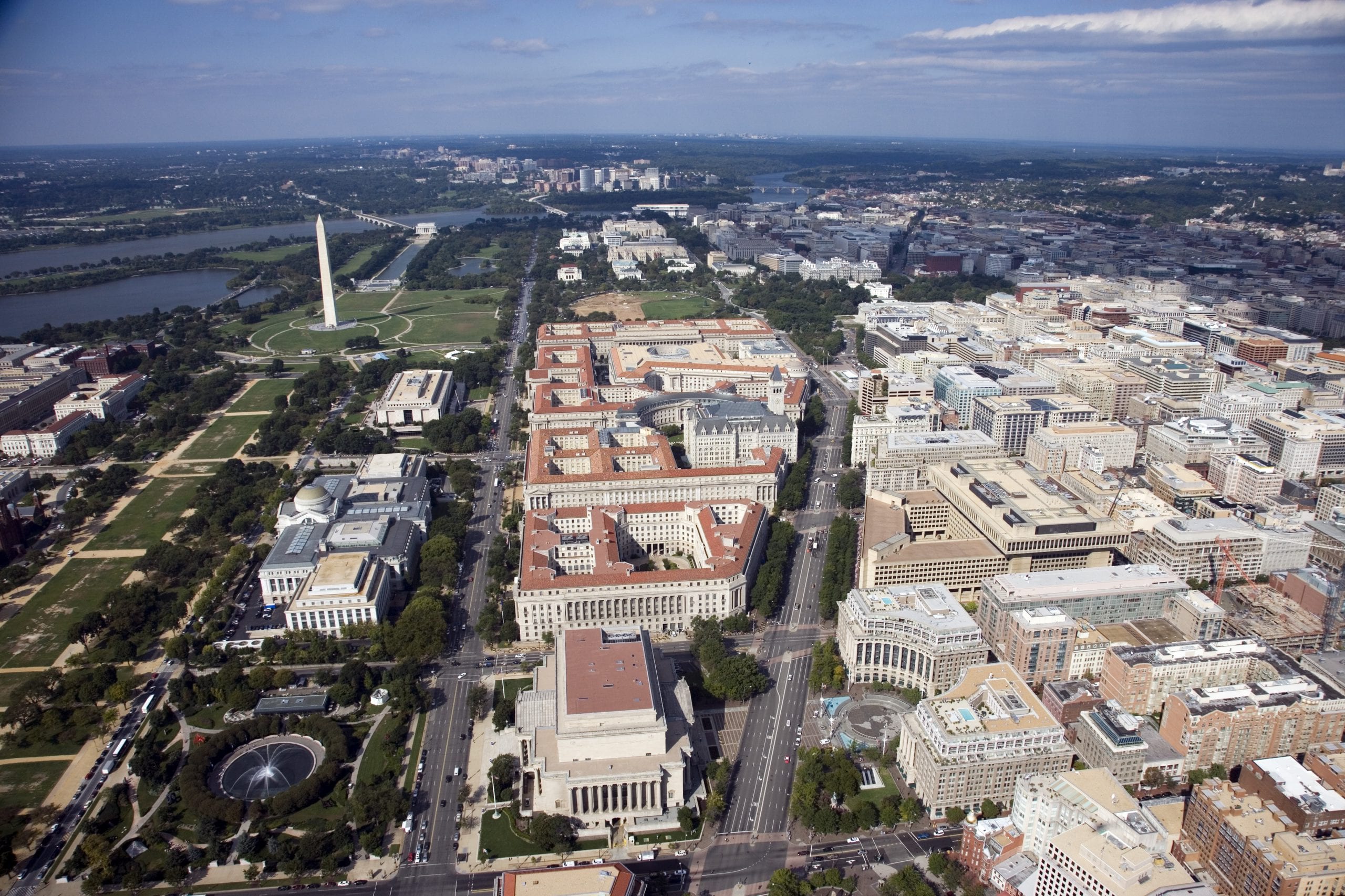
The name “Federal Triangle” replaced “Pennsylvania Avenue Triangle” as federal buildings rose in the 1920s. The shape of the land gave it both names.
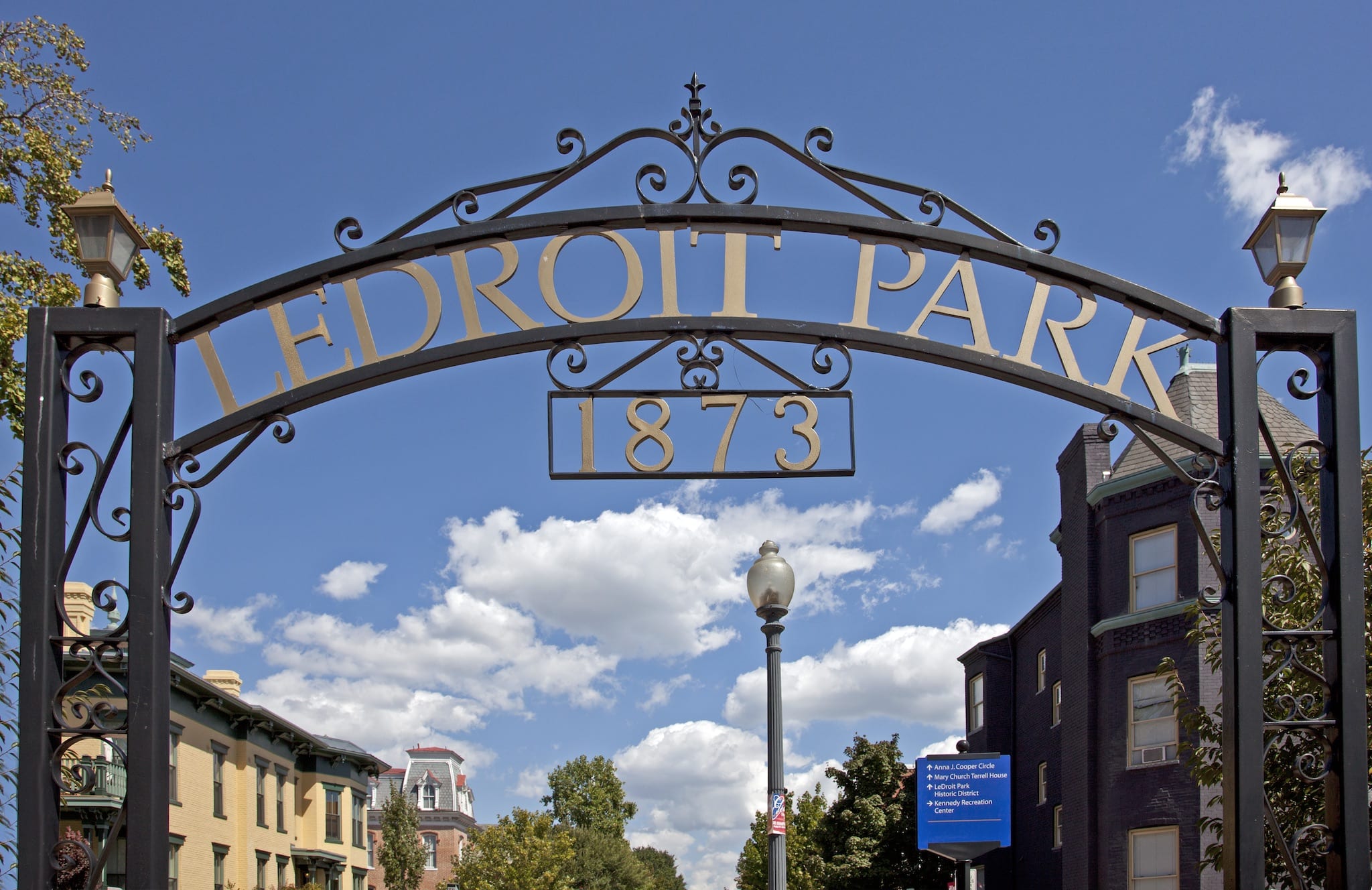
LeDroit Park began in 1873 as a fenced whites-only suburb dropped on Howard University’s doorstep. By 1888 the fence was on the ground. By 1920 Mary Church Terrell, Anna J. Cooper, and Paul Laurence Dunbar all kept addresses there.
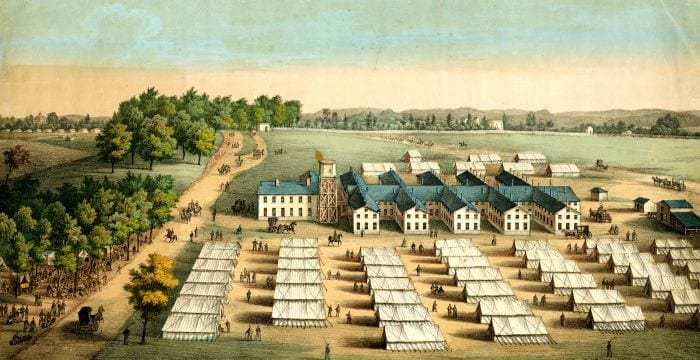
James Holmead received a land grant here in 1727. The area was known as Pleasant Plains, then The Raven, before becoming Mt. Pleasant.
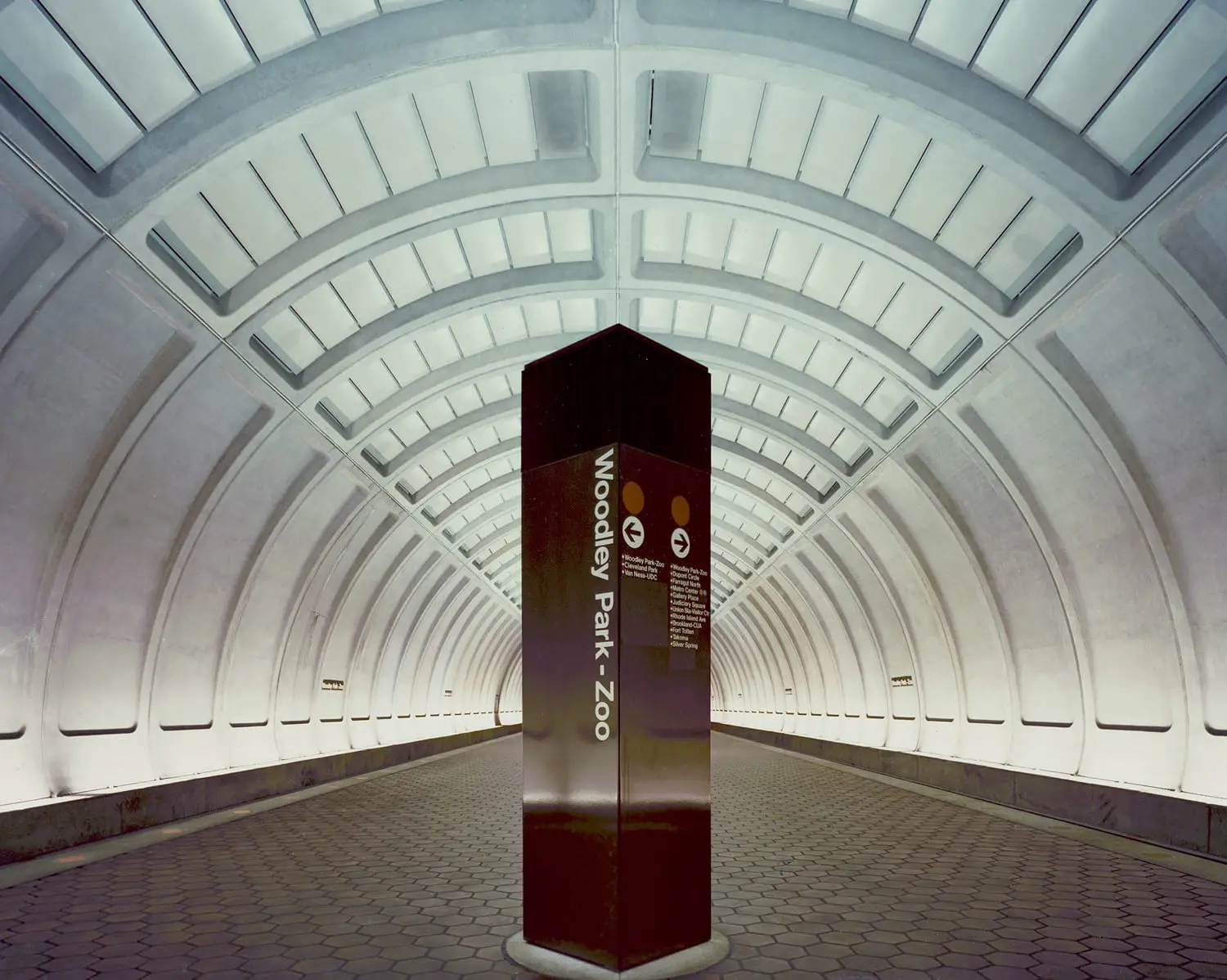
The Woodley estate in England was torn down in 1962. Its DC counterpart still stands on Connecticut Avenue and became part of Maret School in 1950.
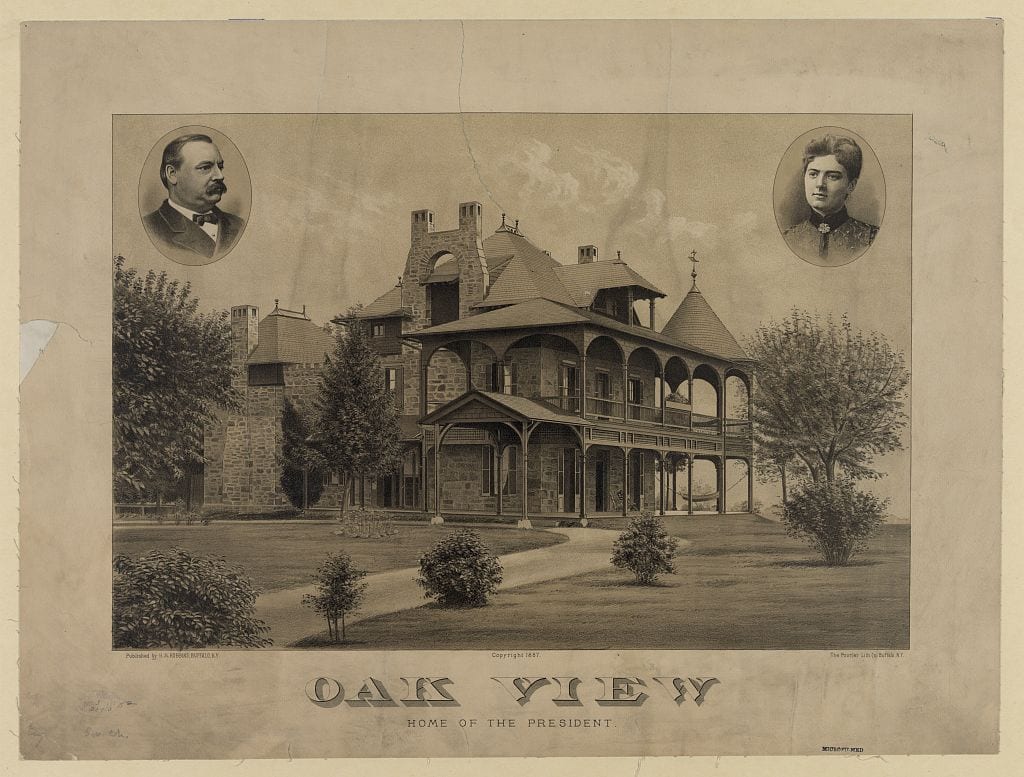
In the late 1800s, Cleveland Park was a summer retreat for wealthy Washingtonians, elevated and breezy, far from downtown’s heat.
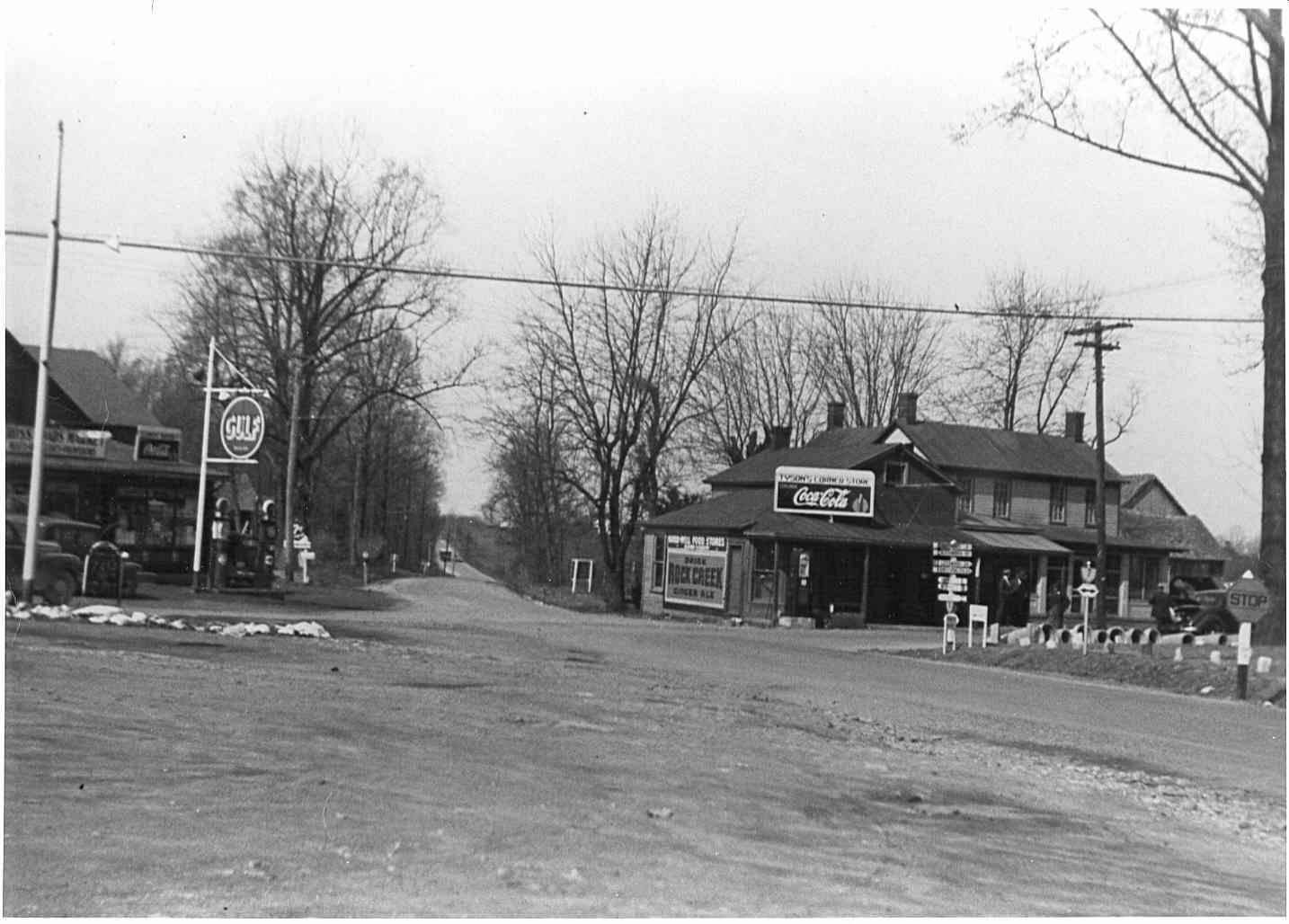
Tysons Corner or Tysons used to be called Peach Grove. William Tyson owned a farm west of DC which would become the site of a major shopping mall.
MacArthur Boulevard used to be called Conduit Road, named for the Washington Aqueduct conduit running 12 miles beneath it. Here’s how it got renamed in March 1942, while General Douglas MacArthur was still defending Corregidor.
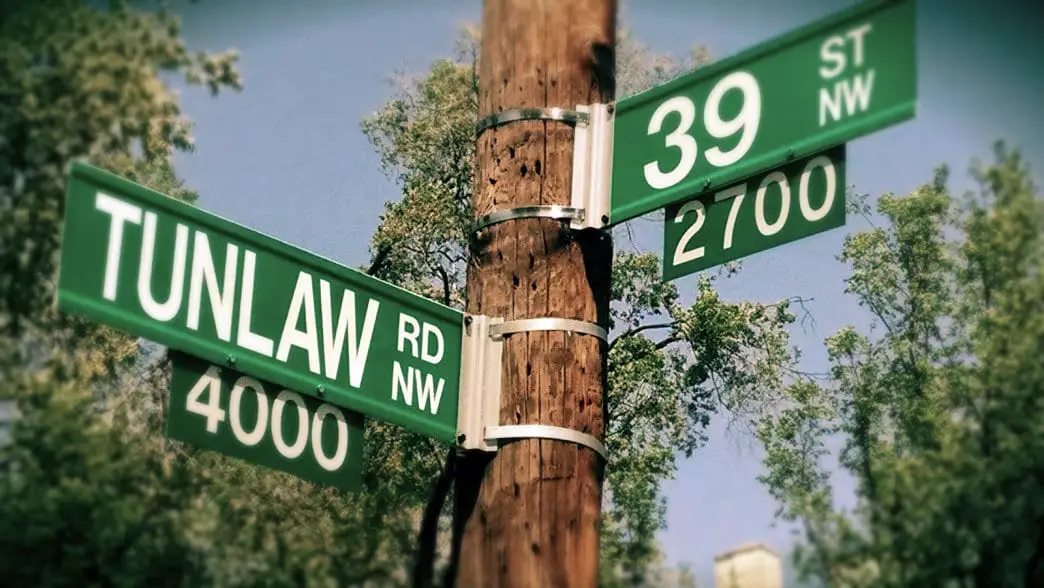
There once was a great suburban Washington estate called Tunlaw in what is today Wesley Heights. It stood at 45th and Klingle.