
1910s
The 1910s brought World War I and a massive wave of federal construction that reshaped downtown Washington. The war brought hundreds of thousands of workers flooding into the city, straining housing, transit, and every civic institution to its limits. Woodrow Wilson’s Washington was also the decade when the federal government was formally segregated.
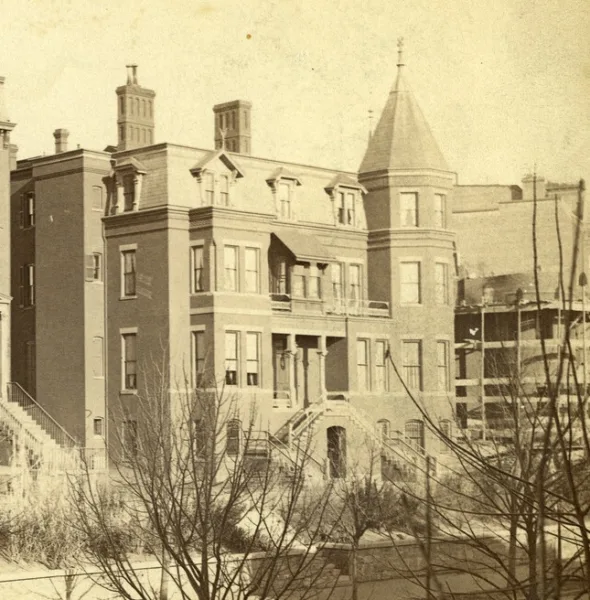
How Count von Bernstorff left the German Embassy at 1435 Massachusetts Avenue in 1917, and what became of the seventy-room mansion before and after.

The Lincoln Memorial rose from dredged Potomac mud on 122 piers sunk to bedrock. At its 1922 dedication, Robert Moton had to cut the ending that called it a “hollow mockery.”

The house had Parisian satin damask, imported chandeliers, and a bronze-and-gold staircase. A 1921 newspaper account reads like a tour of a French chateau.

One of Washington’s policewomen went to a Saturday night dance in March 1919 “all dolled up.” Her tip had a raider whispering “Riley” at an apartment door by morning.

In 1912 a boys’ Robin Hood Club shack behind 3314 Newark Street in Cleveland Park caught fire, and three engine companies came. Here’s the house’s story.
There’s more where these came from.
Lost Washington stories in your inbox most mornings: the newest, plus a few from the archive.

The Prince of Hawaiʻi kept a house on Mass Ave, sat with the Republican baseball team, and pushed a homestead act for his people.
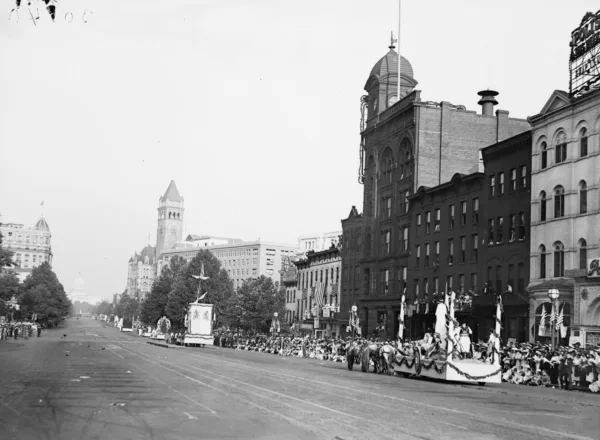
An international peace parade on Pennsylvania Avenue, huge crowds on the Ellipse, and the biggest Fourth Washington had ever seen. Photos from July 4, 1919.
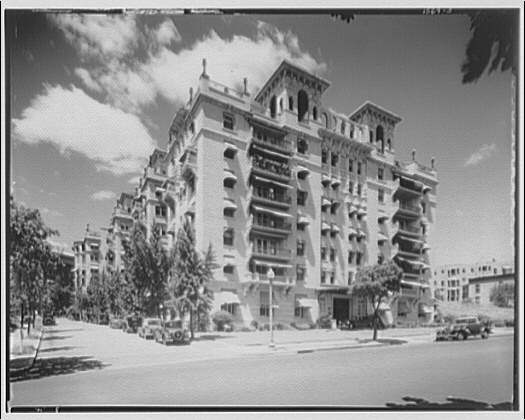
The 1918 apartment hotel at 2400 16th Street NW housed ten senators, hosted embassies, and unfurled the first Czechoslovak flag. Today it is The Envoy.
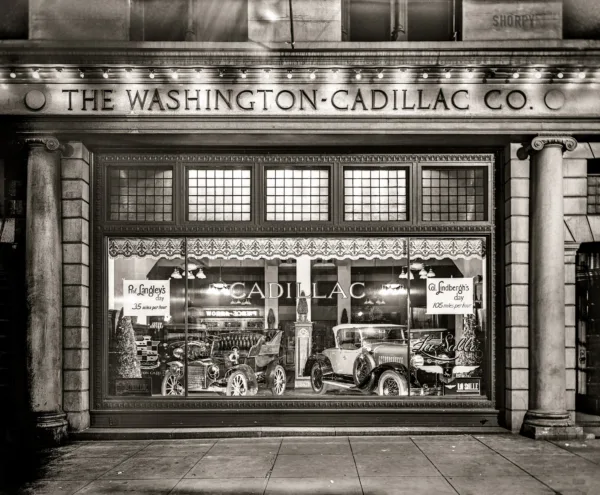
When Cook & Stoddard opened its Cadillac showroom at 1138 Connecticut Avenue NW in 1912, the Washington Post admired its granite front. By 1914, crowds packed the salesroom to see the new eight-cylinder model.

On Chinese New Year 1919, three Chinese diplomats were shot dead at the Mission house on Kalorama Road, and the case set in motion the Brandeis opinion that helped build Miranda.

The Northumberland at 2039 New Hampshire Ave NW is Harry Wardman’s 1910 luxury apartment house and DC’s oldest self-managed co-op.

The Maret School began in 1911 in a rented Washington apartment, founded by three immigrant sisters. The story of how it started, and of the school’s first student.
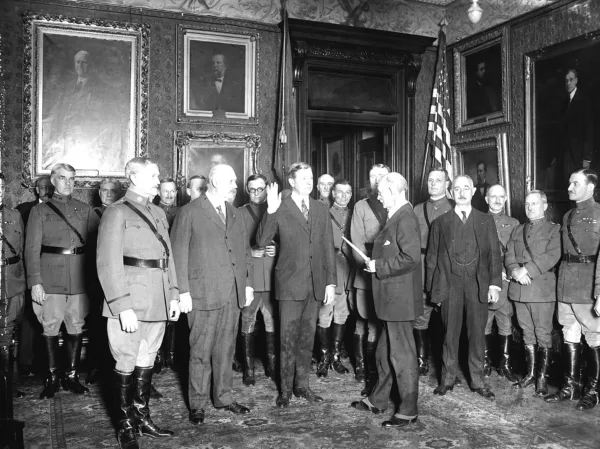
Three former US Secretaries of War, Jacob Dickinson, Newton Baker, and Dwight Davis, lived in three different Washington houses while serving in the Cabinet. All three buildings are still standing today.

The Hechinger hardware empire began in 1911 as a Southwest DC wrecking crew. The story of Sidney Hechinger, the navy-blue H, and the bankruptcy that ended it in 1999.
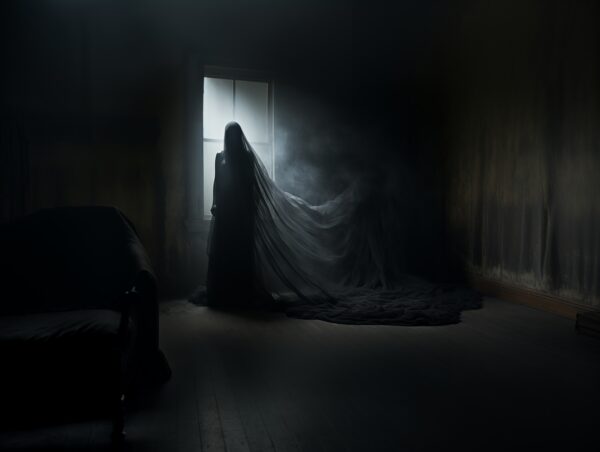
A GoDCer recalled a woman in black walking through a wall at 1815 Adams Mill Road. Her story led me to the Walter family and the newspaper archives.
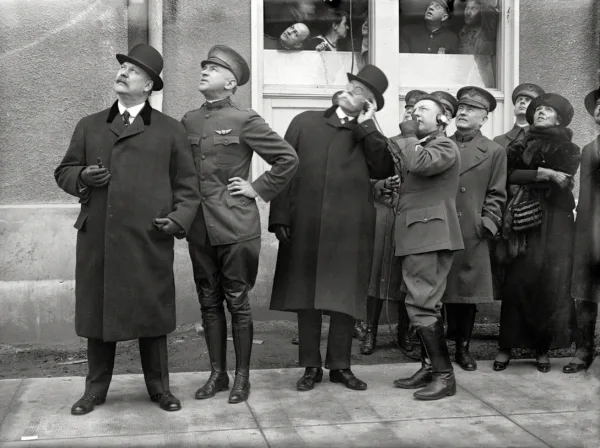
In 1918 the U.S. Senate Military Affairs Committee gathered in Washington to hear Col. C. C. Culver radio orders to a pilot in flight overhead. Inside that Signal Corps demo of the Army’s new air-to-ground radiotelephone.

In 1918 the brand-new Army Air Service photographed Washington from the air and pasted the prints into one mosaic. No Federal Triangle, no Jefferson Memorial.
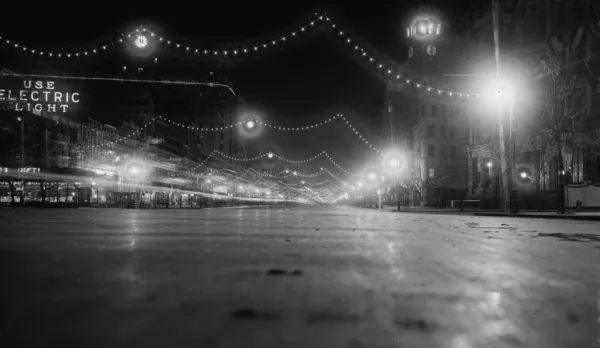
Nine or ten thousand electric bulbs over Pennsylvania Avenue, Peace Monument to 17th Street. There would be no ball this inauguration.
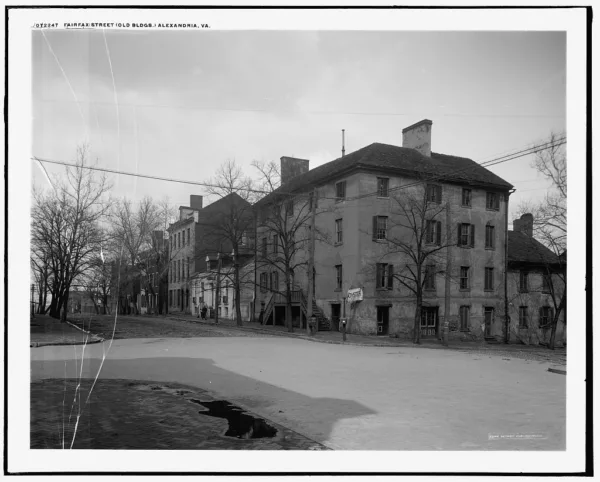
In 1910, Taft, Hannis Taylor, and Washington’s Board of Trade tried to undo the 1846 Alexandria retrocession. Virginia and a lame-duck clock stopped them.
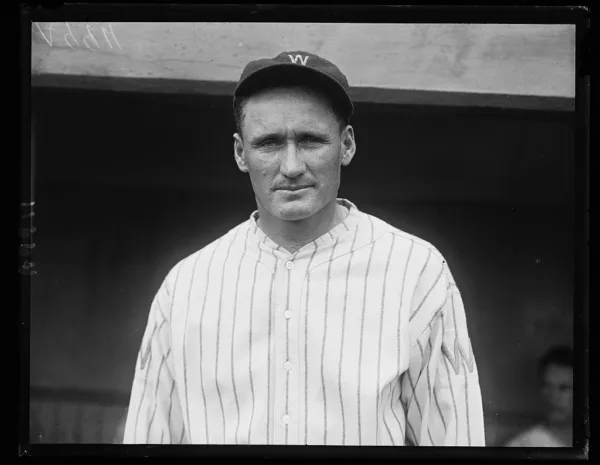
Walter Johnson arrived from Idaho at 19, won 417 games for Washington, and was elected to the inaugural 1936 Hall of Fame class.