
3314 Newark Street and the Robin Hood Club Fire of 1912
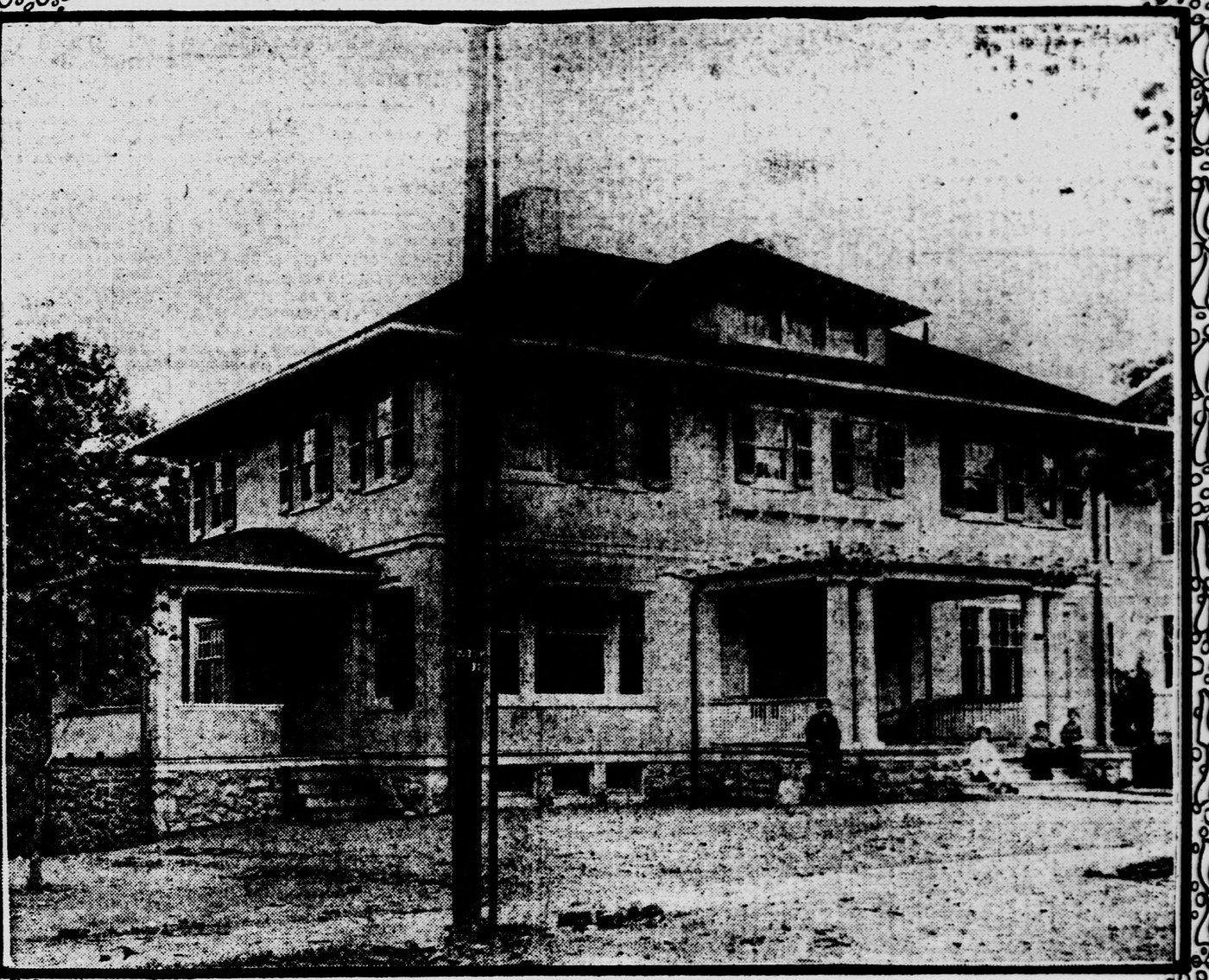
In 1912 a boys’ Robin Hood Club shack behind 3314 Newark Street in Cleveland Park caught fire, and three engine companies came. Here’s the house’s story.
Washington’s built environment is the product of grand ambitions, fierce debates, and brilliant (and sometimes terrible) ideas across more than two centuries. These posts dig into the buildings, architects, and design decisions that shaped the city we know today.
In 1912 a boys’ Robin Hood Club shack behind 3314 Newark Street in Cleveland Park caught fire, and three engine companies came. Here’s the house’s story.
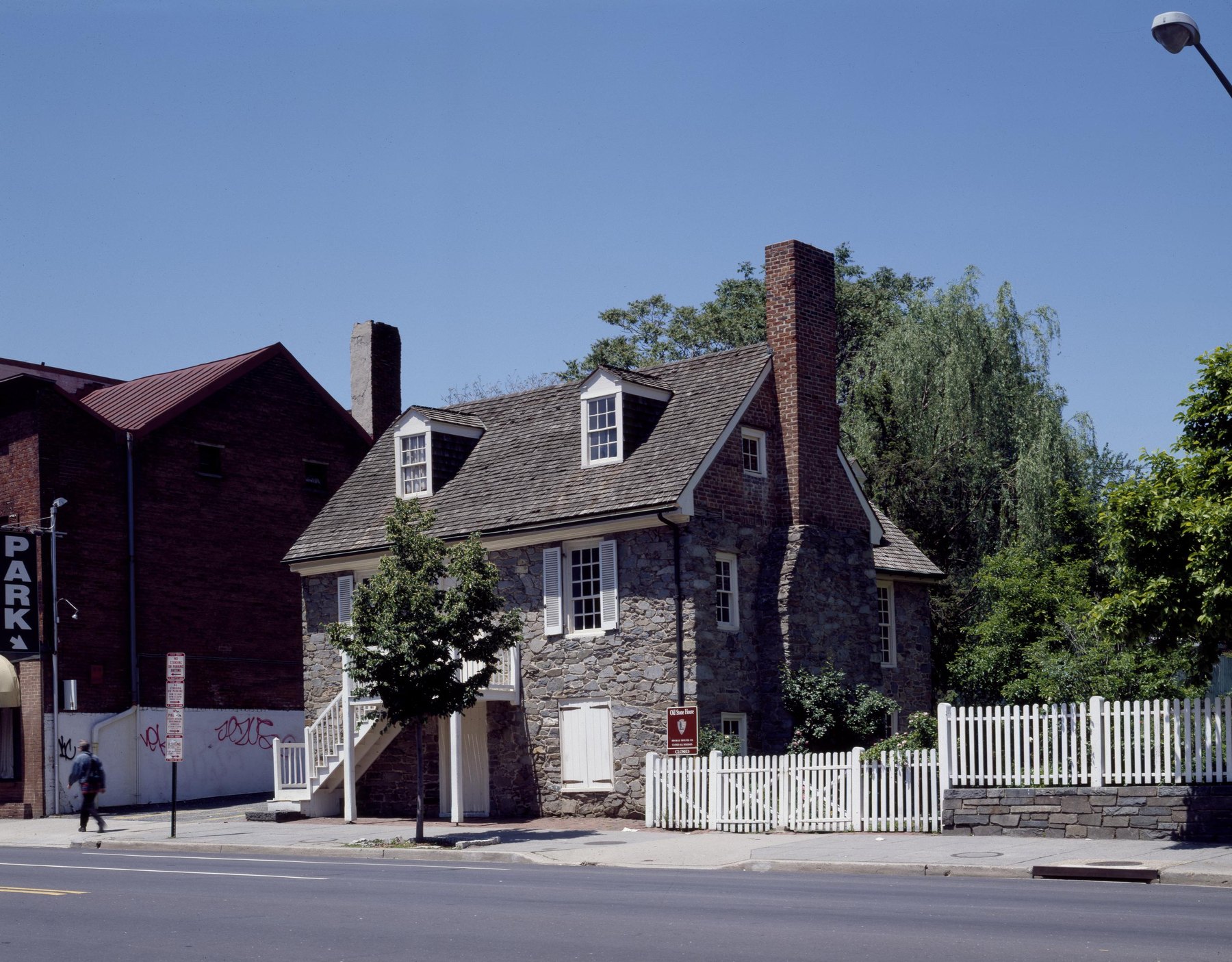
In 1899 a marble sign called this M Street house George Washington’s headquarters. It wasn’t true. It probably saved the house.
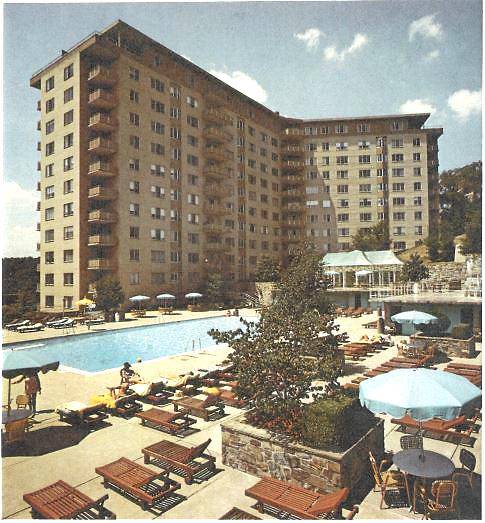
Four senators, a former Supreme Court Justice, and the Carter White House all lived in the same Glover Park high-rise. Reader tip from Bob.
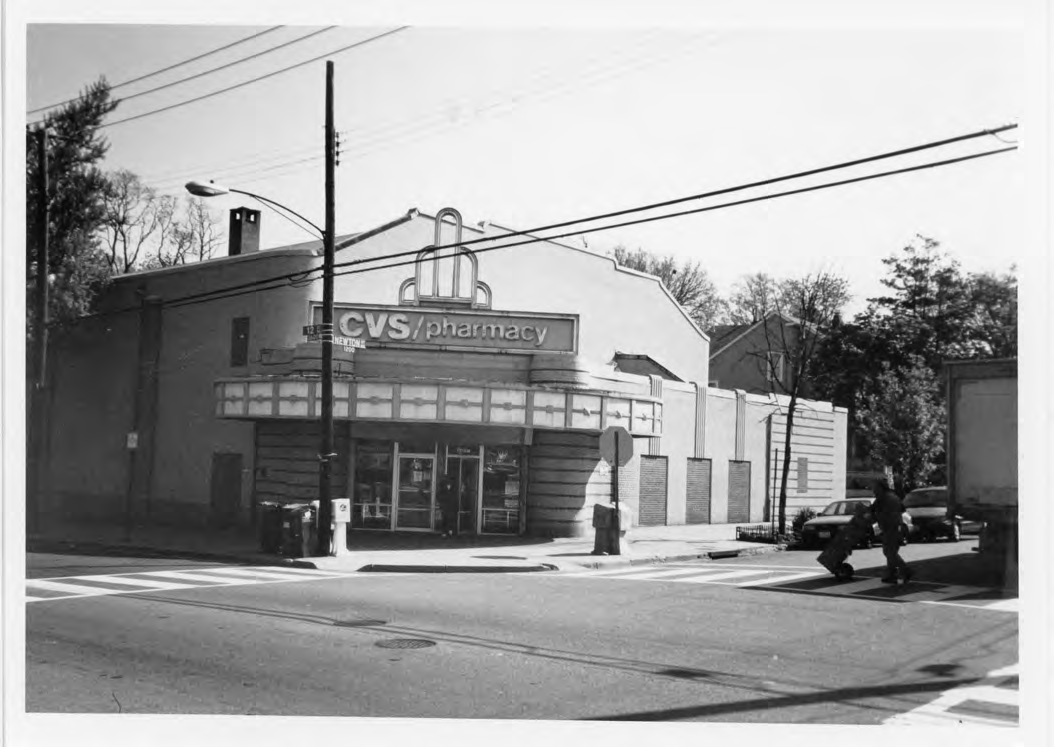
On July 29, 1937, a capacity crowd packed a brand-new 1,007-seat Art Deco movie house at 12th and Newton NE. Look up: the ziggurat is still there.
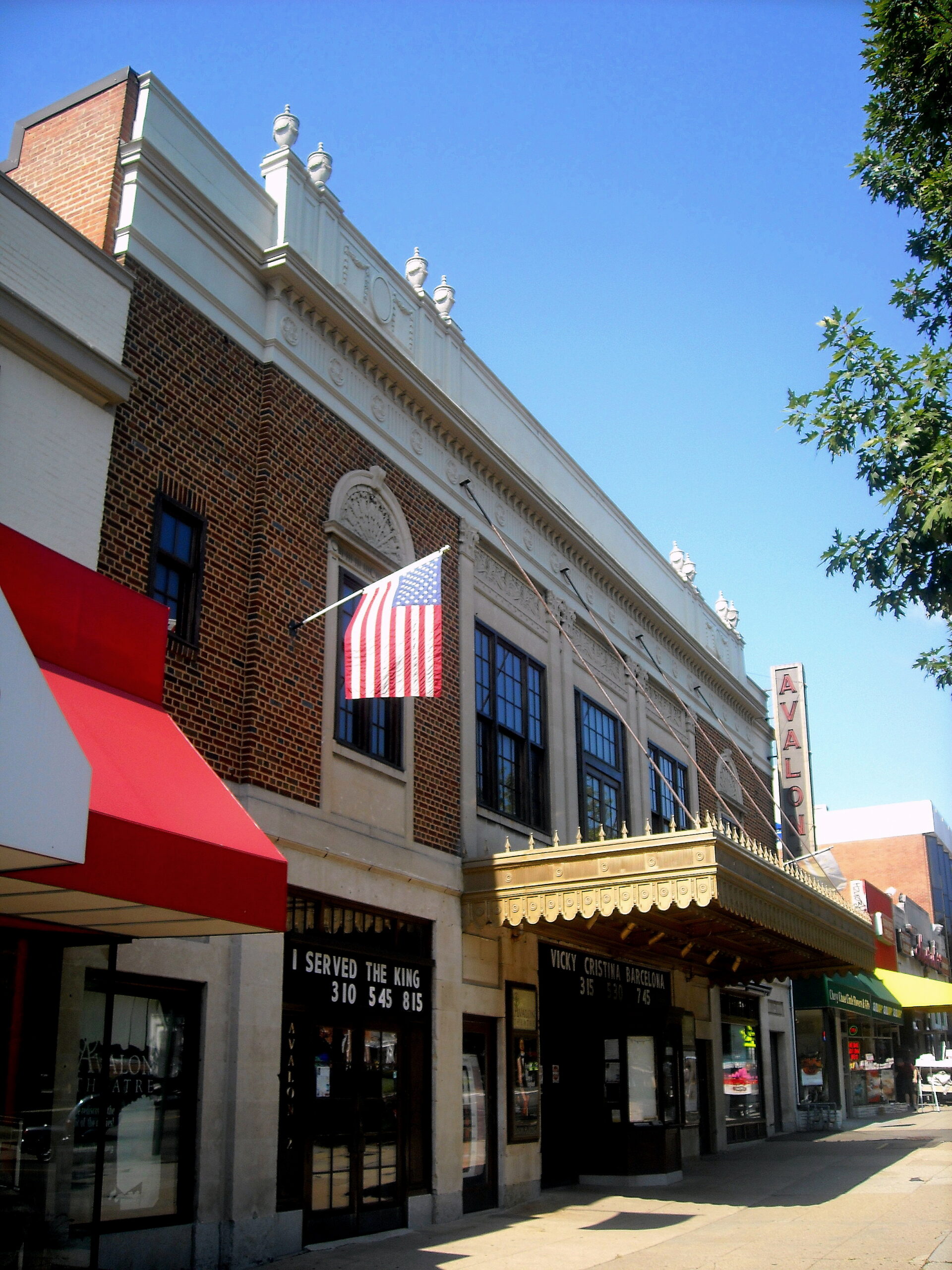
In 1923 the Chevy Chase Theatre opened at 5612 Connecticut Avenue NW. Renamed the Avalon in 1929, it survived 78 years of Hollywood and one Loews bankruptcy that gutted it in 2001. Neighbors raised roughly $750,000 and reopened it in April 2003. The lights are still on.
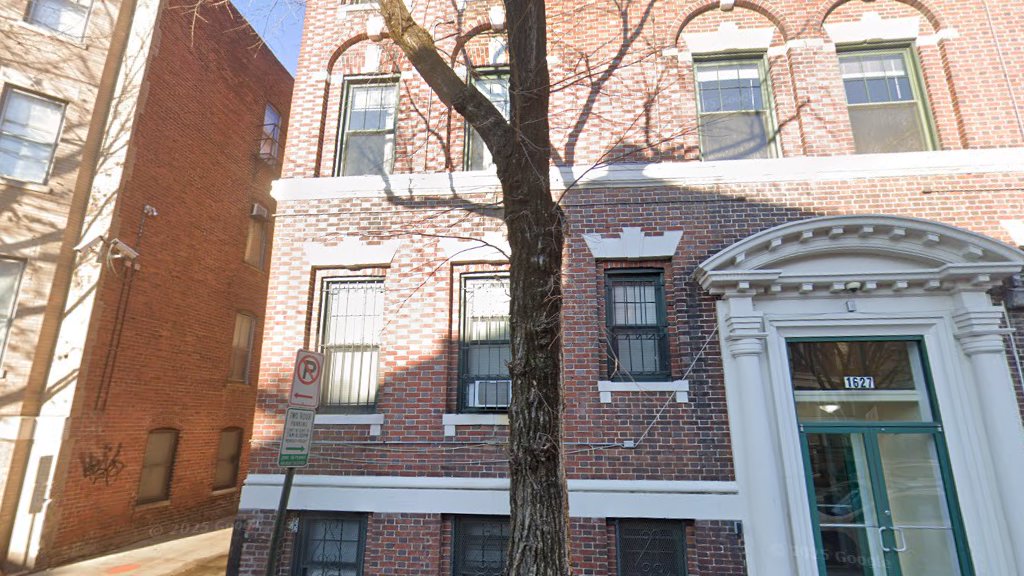
On the evening of September 21, 1927, a Washington attorney named Alexander G. Bentley walked into a room at the Houston Hotel on E Street near Ninth and shot himself. He was 52. The Washington Post ran it on page one the next morning. His home address, given in the second sentence: 1627 Lamont Street … Read more
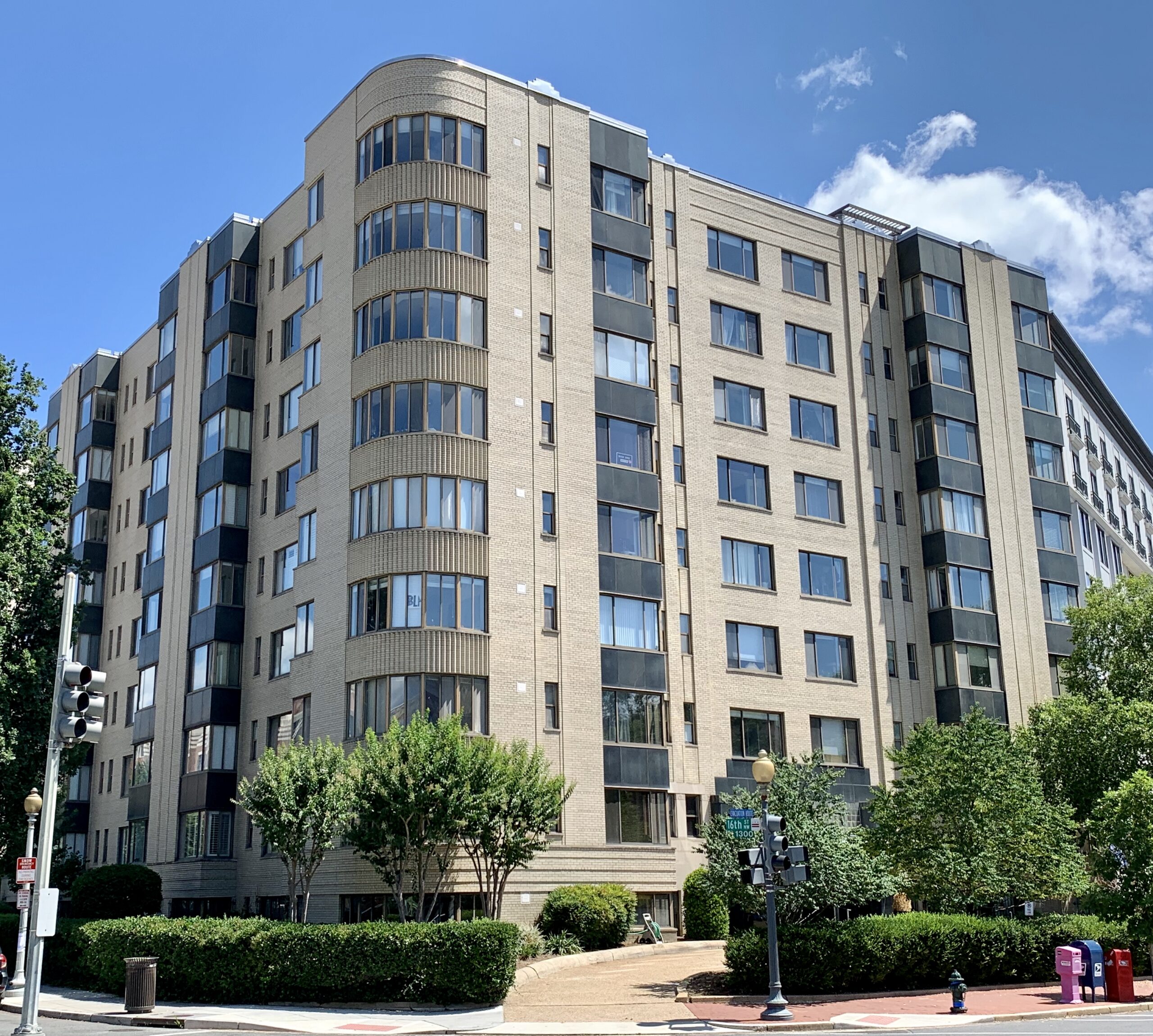
Robert O. Schultz’s 1940 General Scott Apartments at 1 Scott Circle NW, the mansions it replaced, the WPA underpass beneath, and the 1982 tenant buyout that saved it.
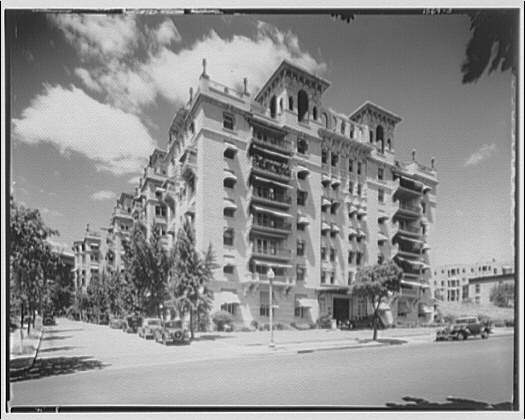
The 1918 apartment hotel at 2400 16th Street NW housed ten senators, hosted embassies, and unfurled the first Czechoslovak flag. Today it is The Envoy.
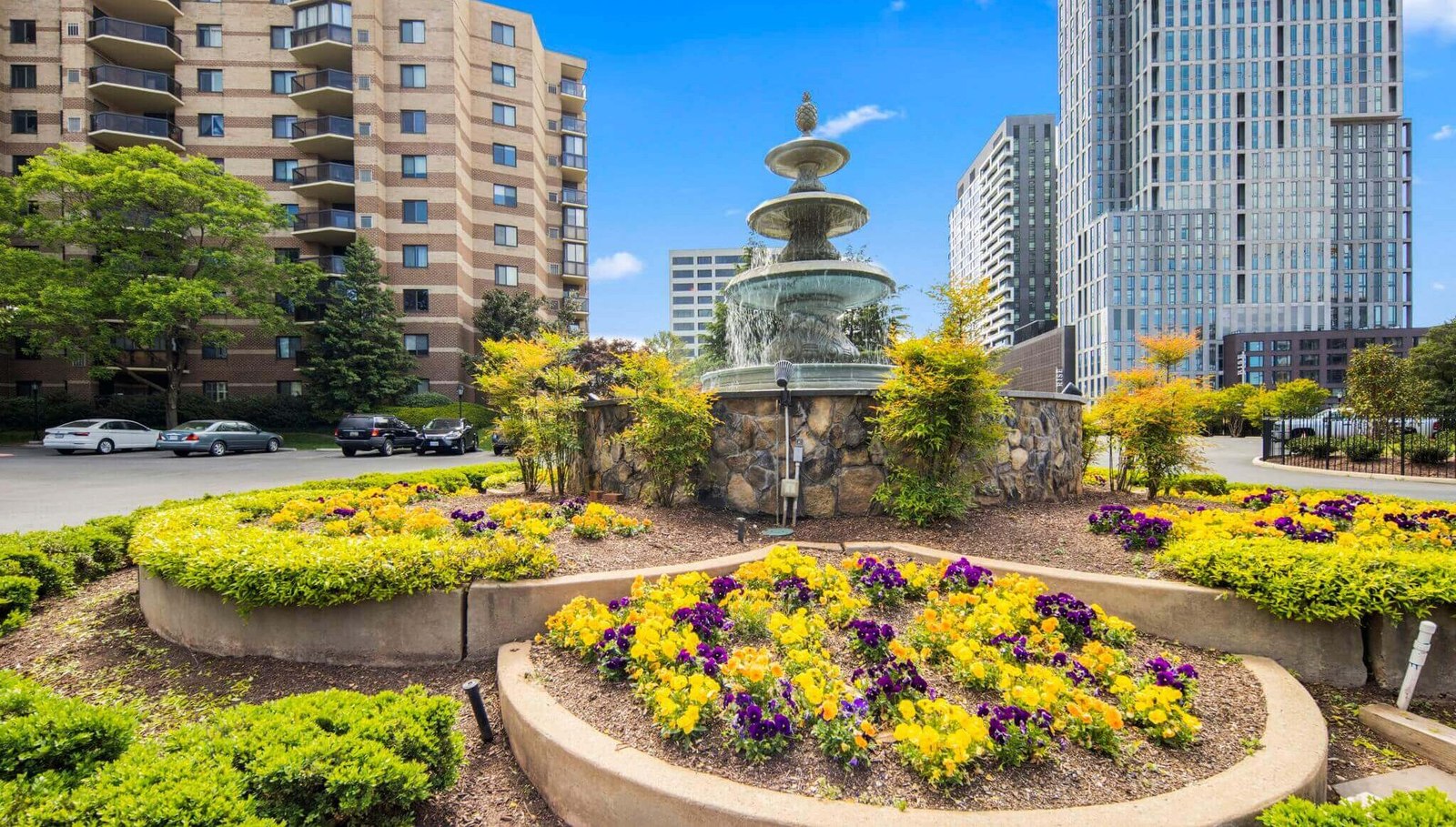
Five circular towers, 1,168 condominiums, and the man who built the Watergate built them too. The story of The Rotonda in McLean.