
Parks
Washington’s park system is one of the most extensive of any American city, with everything from the National Mall to tucked-away neighborhood greens. These posts explore the history of DC’s parks, who built them, what happened in them, and what they used to look like.
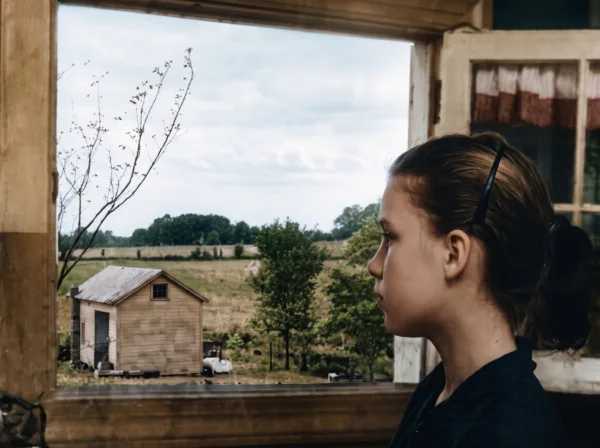
In May 1954, a carpenter on Pope’s Head Road shrugged at the Nike missile battery going up next door. At least, he said, folks would know where the road was.
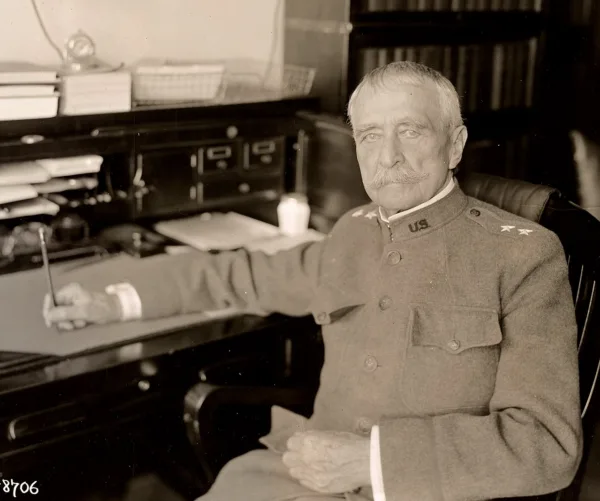
Peter Conover Hains helped turn Potomac mud flats into parkland. The point named for him grew out of a major river dredging project.
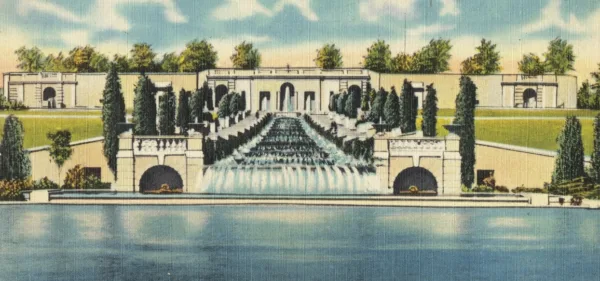
Meridian Hill Park’s story reaches beyond its terraces, from a proposed presidential home to the Malcolm X name and Sunday drums.
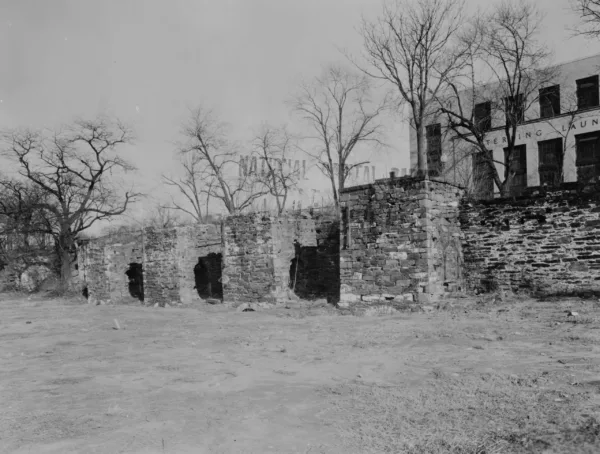
The stone arches near the Kennedy Center are the Godey Lime Kilns, Washington’s last 19th-century industrial ruin.

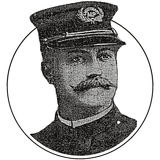
Charles C. Glover was a prominent banker, philanthropist, and backer of the City Beautiful movement in Washington during the 1880s-1930s. Read about his 50th wedding anniversary article in the Washington Post and his predictions for the future of the city.
There’s more where these came from.
Lost Washington stories in your inbox most mornings: the newest, plus a few from the archive.

The Washington Post reported that a bulldog had roamed the park at night, chasing pedestrians and snapping at motorists.
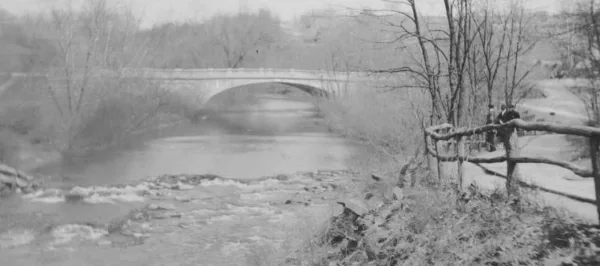
The old Harvard Street Bridge over Rock Creek in 1909, at the end of Harvard St within the National Zoo. A modern bridge was completed in 1965.

Before motels existed, Washington, D.C. had a tourist camp at East Potomac Park where travelers could pitch a tent. This 1925 photograph comes from Andy Moursund’s D.C. imagery collection on Flickr.
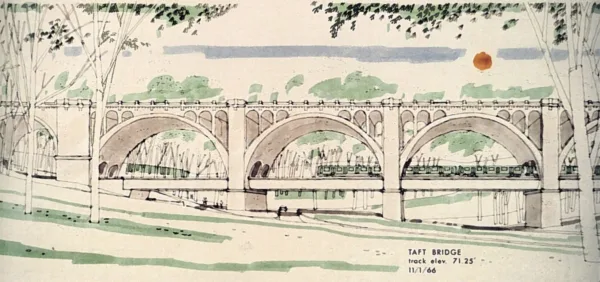
A 1966 design sent trains through the Taft Bridge supports. Another put the tracks alongside the bridge, briefly giving riders a view of Rock Creek.

Bartholdi, sculptor of the Statue of Liberty, couldn’t sell his Fountain of Light and Water for $12,000. Congress bought it in 1877 for $6,000.

Complaints about noise and fistfights led to a 1951 ban on public meetings in Franklin Park. Here’s what the newspaper reported.
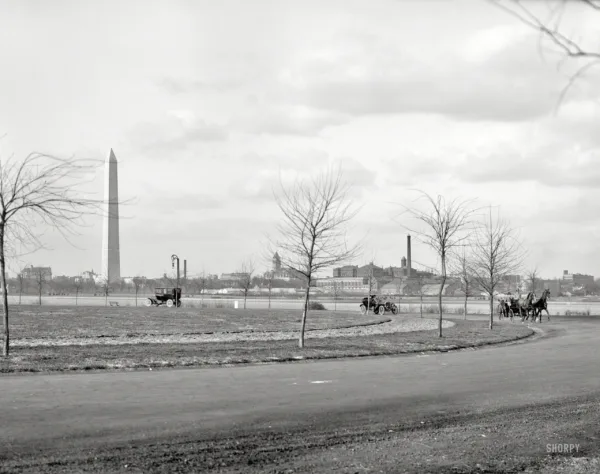
Two cars share the scene with a horse and buggy in this Potomac Park photograph.

Flowers fill this colorized view of West Potomac Park, attributed to Frances Benjamin Johnston.
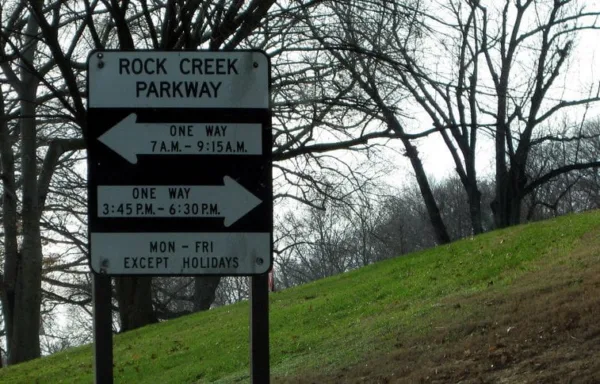
Newspaper accounts from 1938 and 1939 describe changes to the parkway’s one-way rush-hour traffic rules.
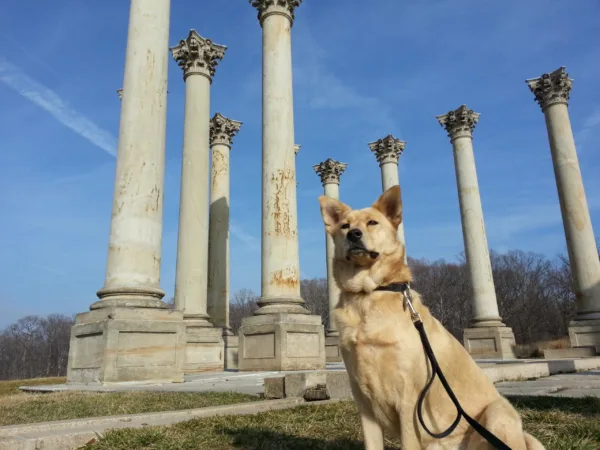
Newspaper reports trace plans for the National Arboretum, a police pistol competition and a brush fire that burned five acres.

In 1895, Graceland Cemetery plot owners sought to stop the transfer of graves to Woodlawn and the sale of the old burial ground.
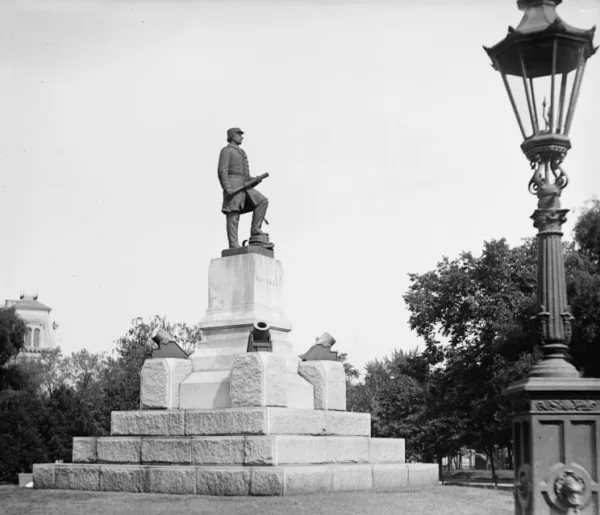
What is the history of Farragut Square in Washington, DC? Read three great stories from its past.