
Northern Liberty Market and Boss Shepherd’s 1872 Raid
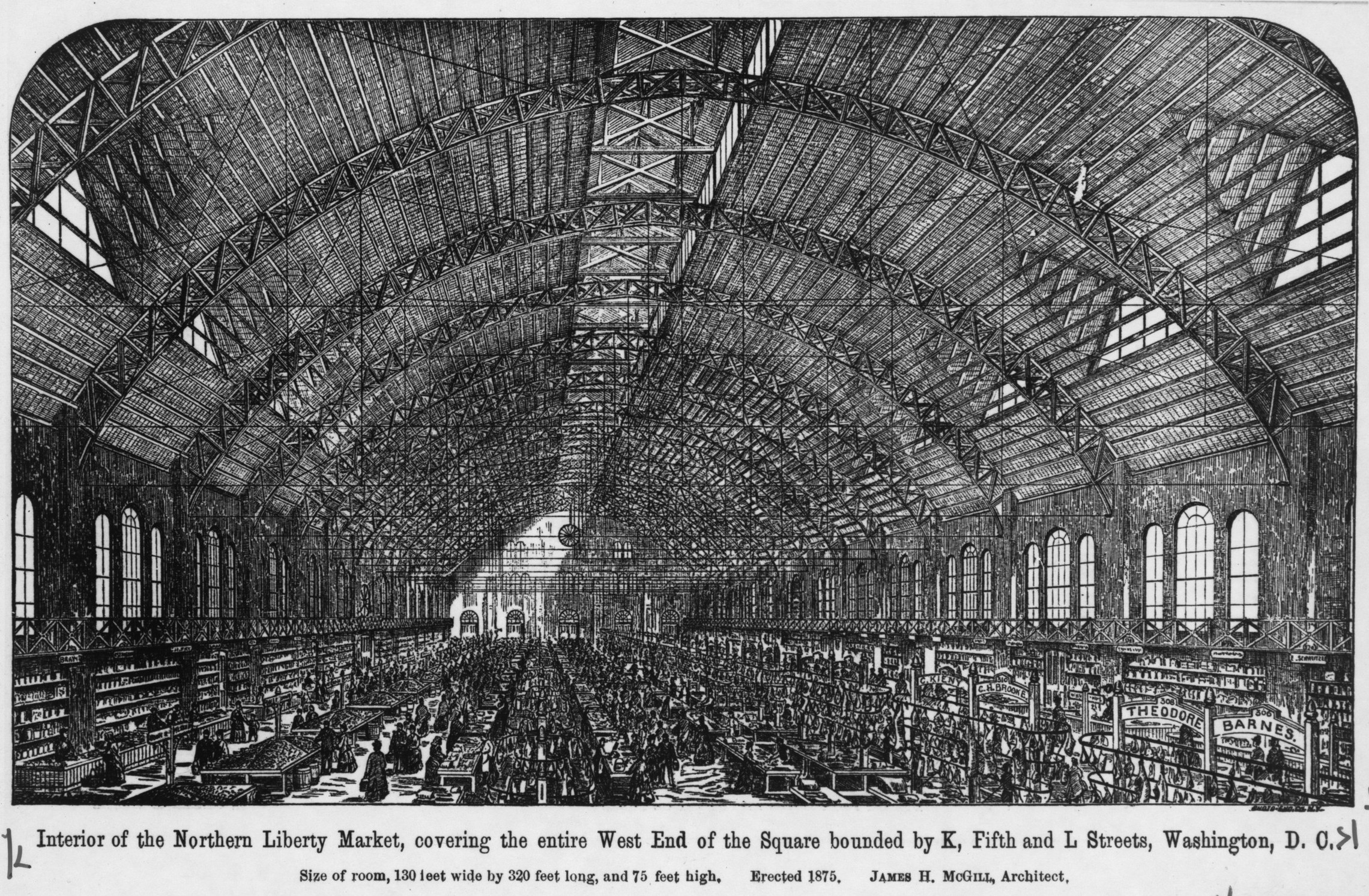
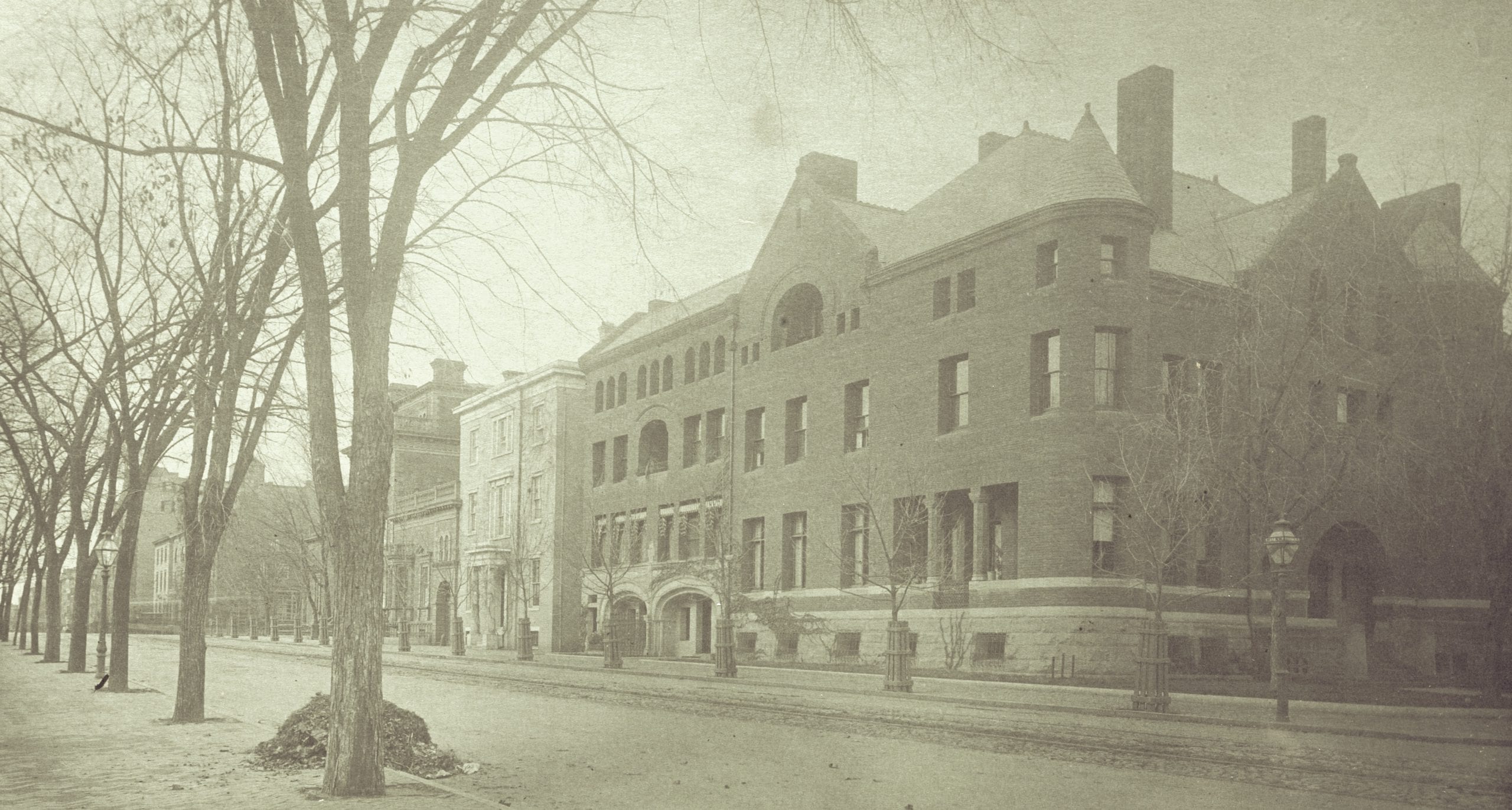
Nearly 200 laborers showed up at 6 p.m. with orders to tear down the Northern Liberty Market that night. By 11 the roof was gone.
Beyond the Mall and the monuments, Washington is full of landmarks with stories worth knowing. These posts cover the squares, circles, markets, arenas, and buildings that have defined the city’s geography and character over the centuries.
Nearly 200 laborers showed up at 6 p.m. with orders to tear down the Northern Liberty Market that night. By 11 the roof was gone.
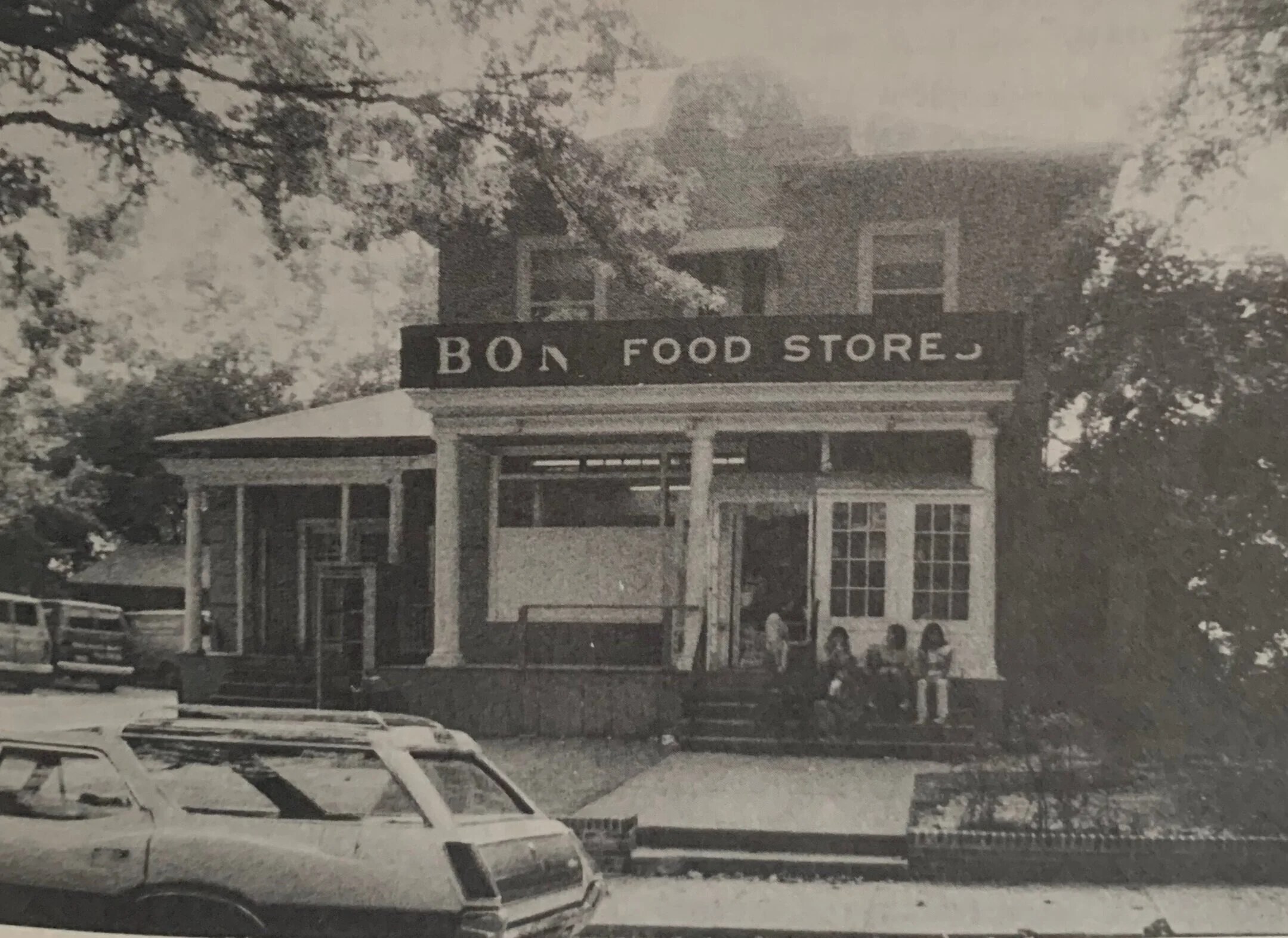
A boy on tiptoe peers into the candy bins at 5608 Broad Branch Road NW. The Bondareffs are behind the counter, Curly is out on the delivery route, and Lafayette Elementary is about to let out across the street.
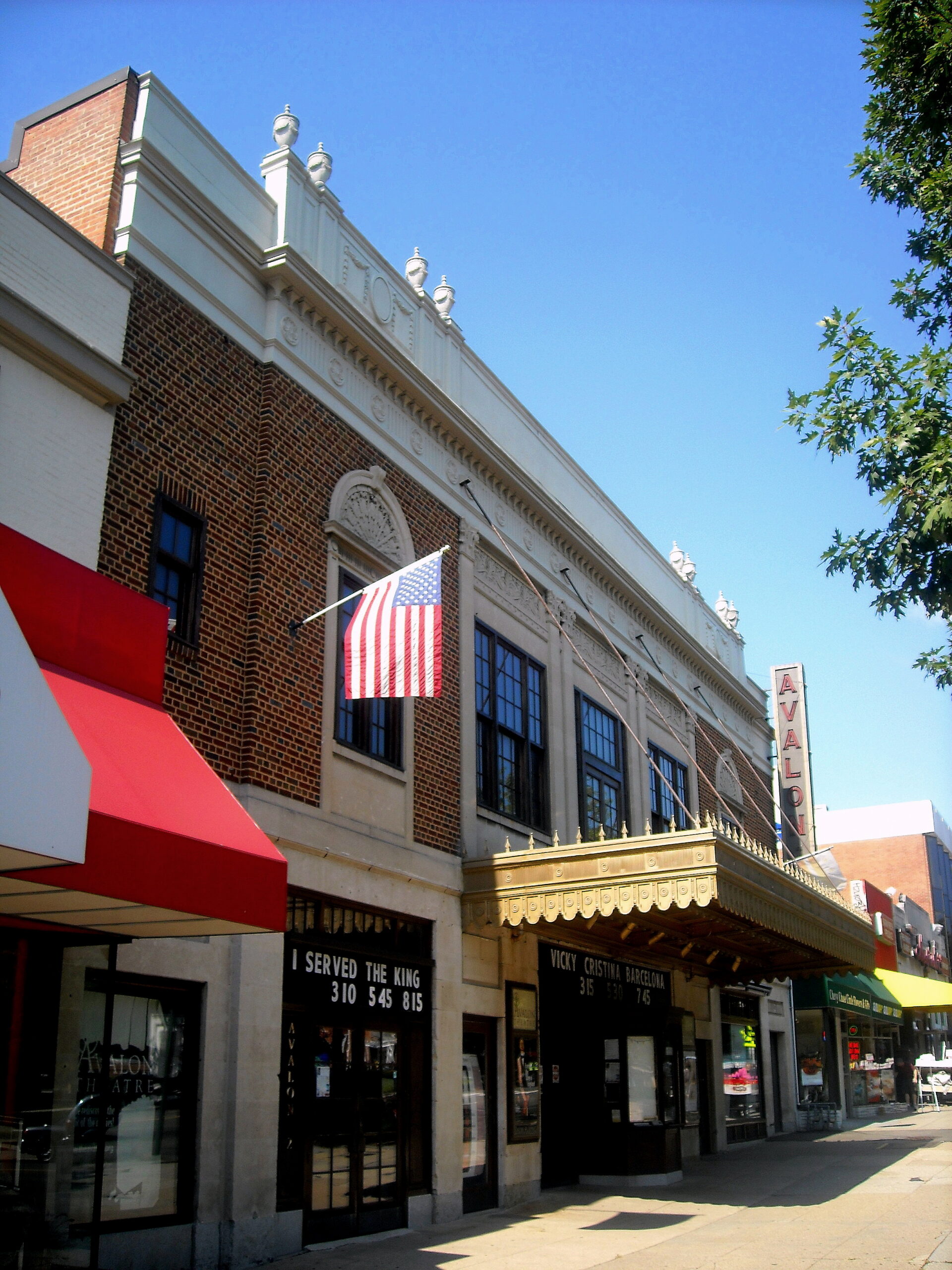
In 1923 the Chevy Chase Theatre opened at 5612 Connecticut Avenue NW. Renamed the Avalon in 1929, it survived 78 years of Hollywood and one Loews bankruptcy that gutted it in 2001. Neighbors raised roughly $750,000 and reopened it in April 2003. The lights are still on.
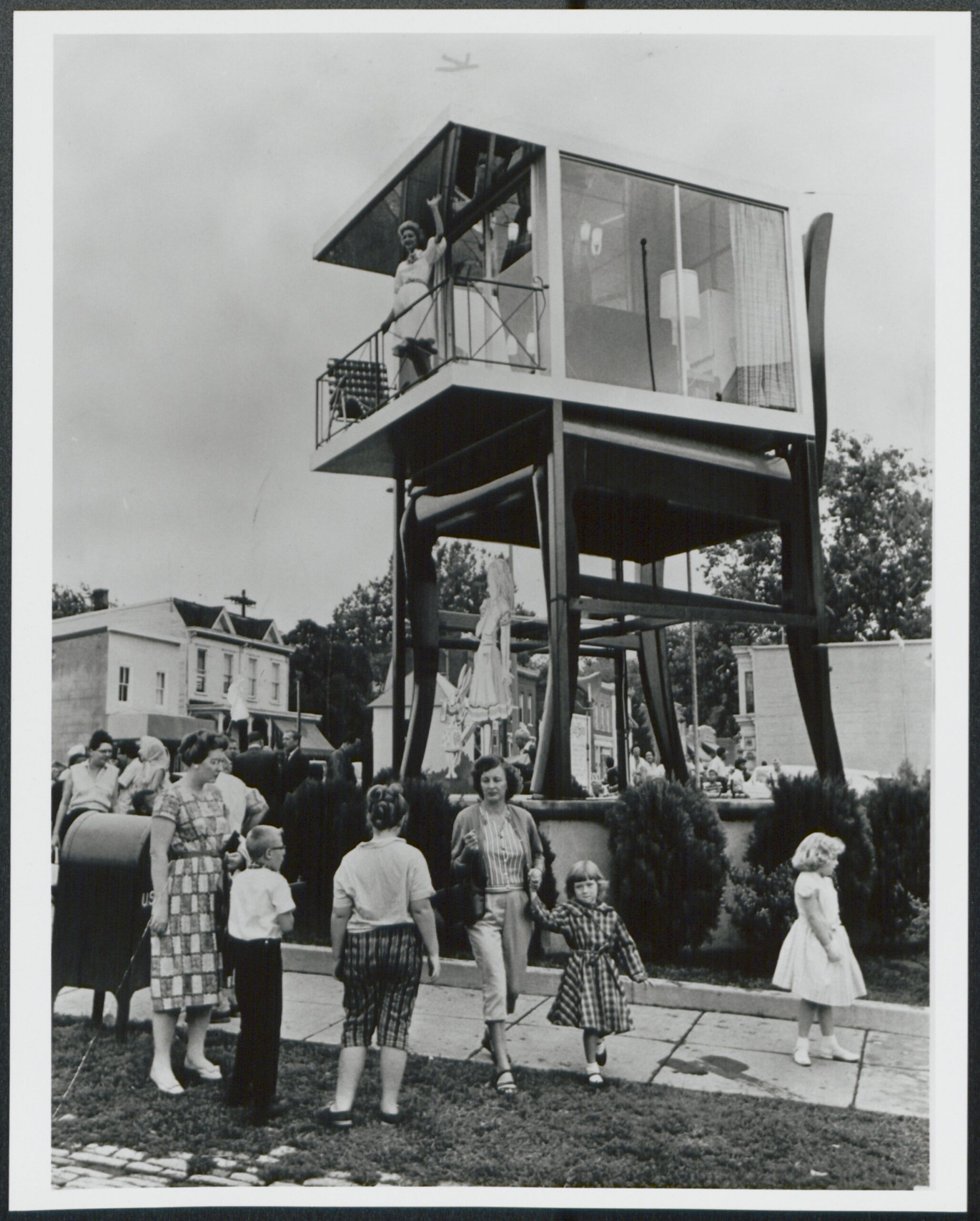
Charles Curtis had Bassett Furniture build a 19.5-foot mahogany chair outside his Anacostia showroom in 1959. A year later, model Lynn Arnold moved into a glass house on top of it for 42 days. The chair is still there.
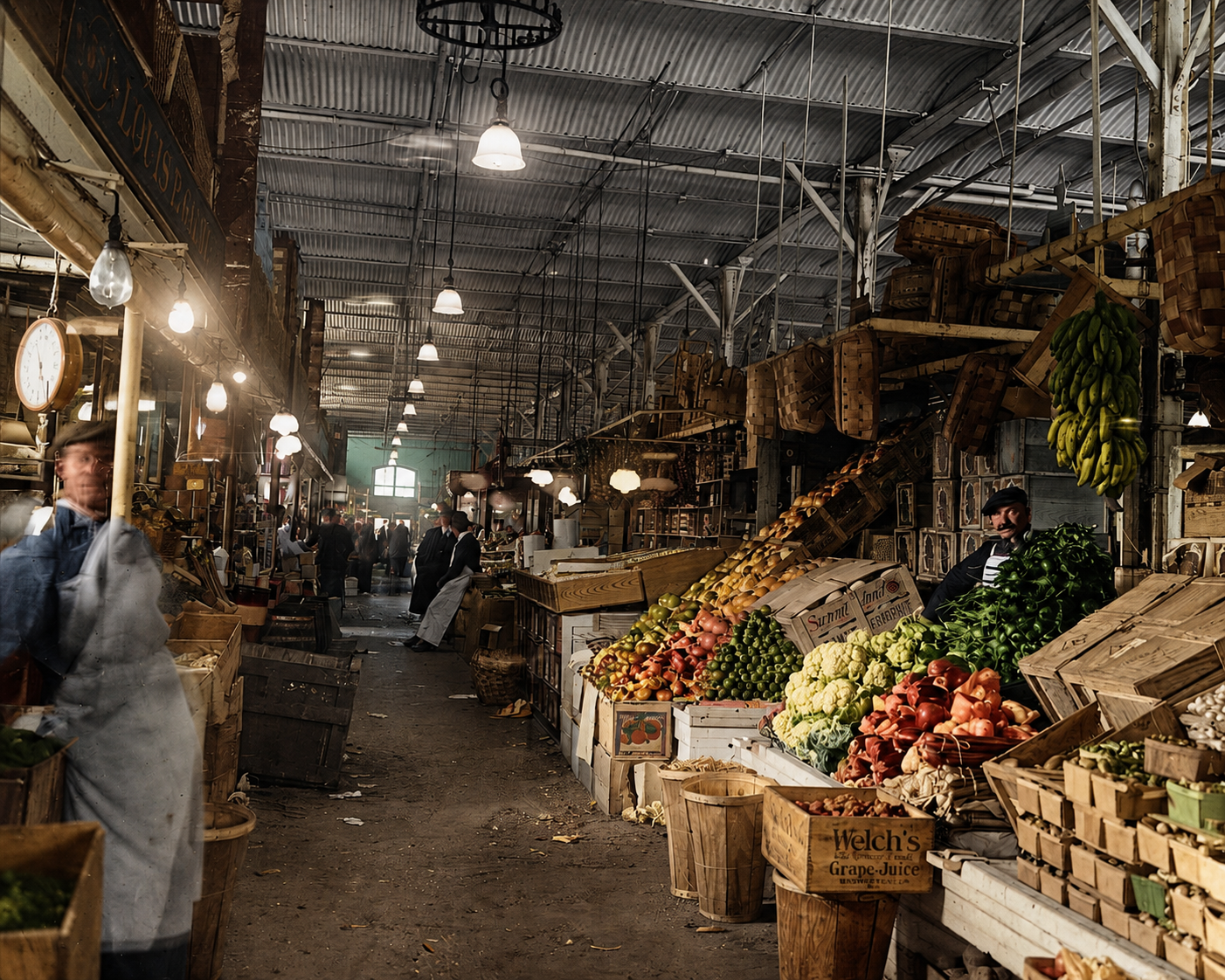
How a German-immigrant friend of Karl Marx designed the country’s largest market hall on Pennsylvania Avenue in 1872, why it ran for 59 years with 666 stalls and a refrigeration plant, and why the federal government tore it down in 1931 to build the National Archives.
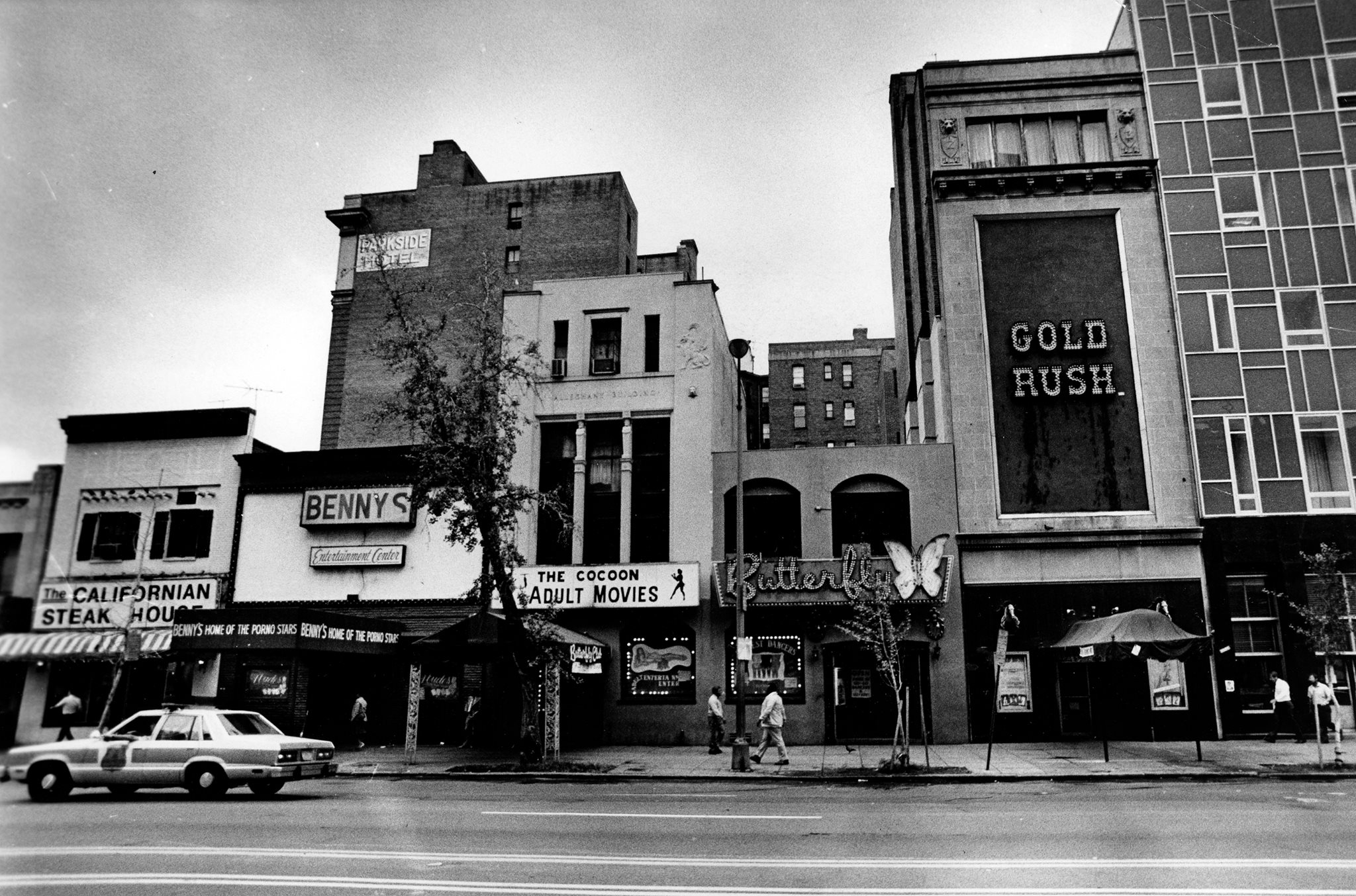
In the 1950s, the top entertainers in the country performed on 14th Street NW. By the early 1980s, it was known as Washington’s “combat zone,” lined with topless bars and adult bookstores. By 1986, it was rubble. What happened in between reveals how gentrification works when moral crusades and economic interests perfectly align.
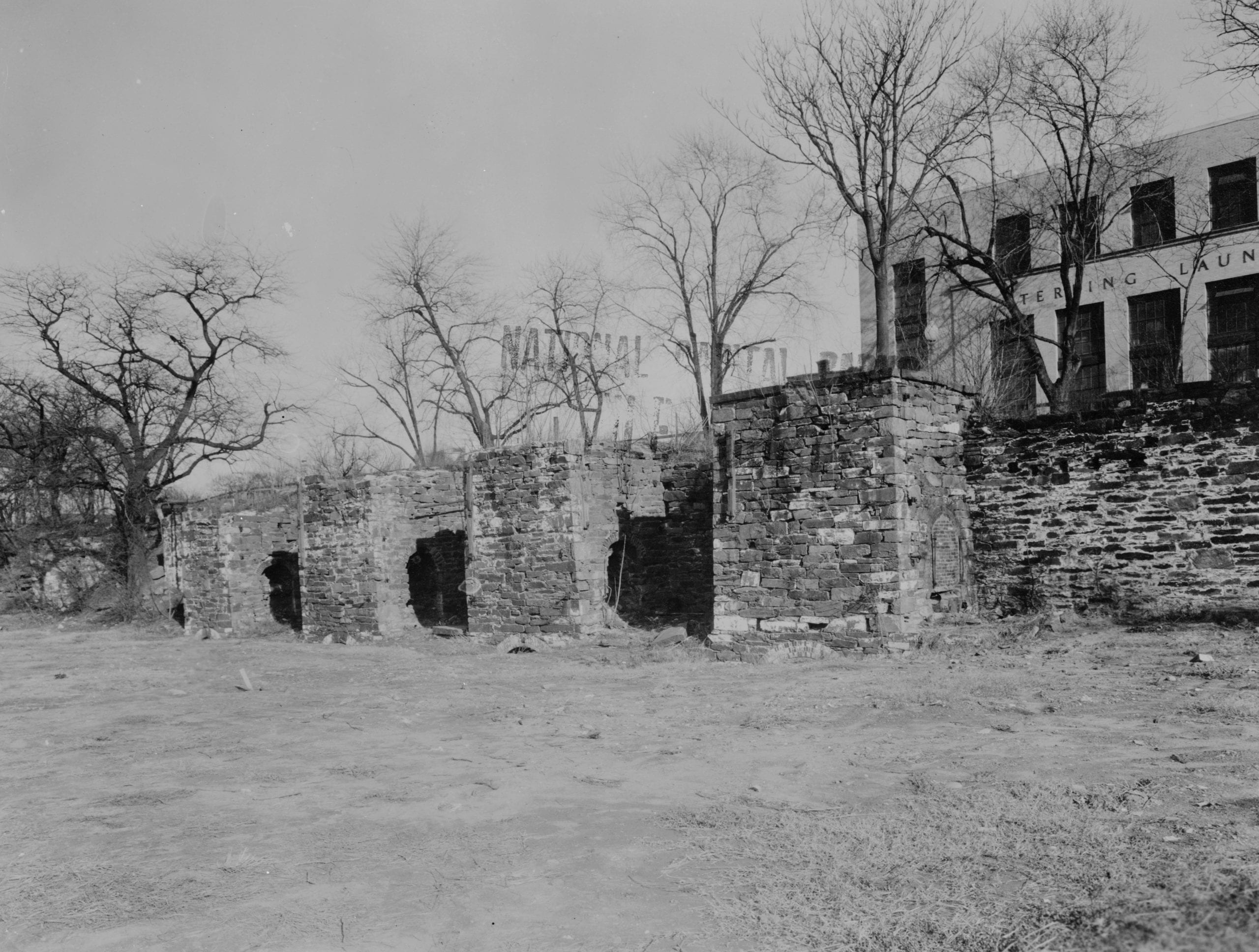
The stone arches near the Kennedy Center are the Godey Lime Kilns, Washington’s last 19th-century industrial ruin.
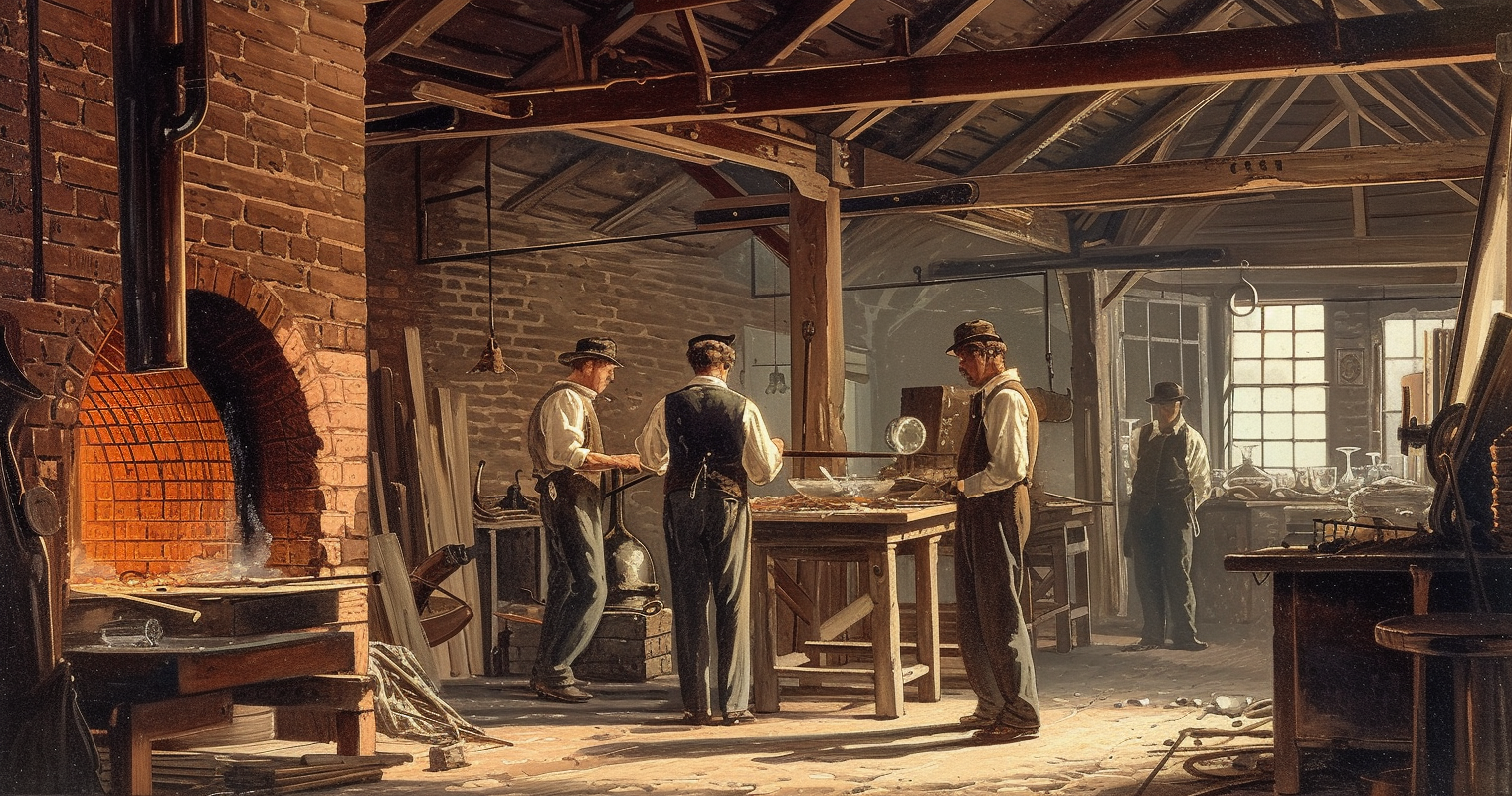
In 1807, two brothers named Andrew and George Way opened a glass factory on the Potomac, where the Lincoln Memorial stands today.
Before the Hay-Adams Hotel went up in 1928, the lot held the homes of John Hay, Lincoln’s secretary, and the writer Henry Adams.