
Landmarks
Beyond the Mall and the monuments, Washington is full of landmarks with stories worth knowing. These posts cover the squares, circles, markets, arenas, and buildings that have defined the city’s geography and character over the centuries.
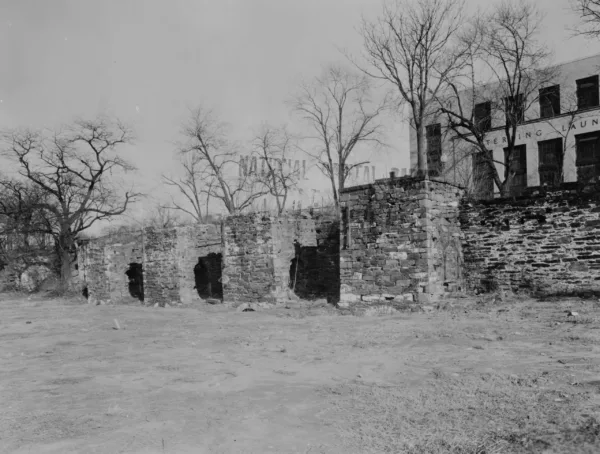
The stone arches near the Kennedy Center are the Godey Lime Kilns, Washington’s last 19th-century industrial ruin.

In 1807, two brothers named Andrew and George Way opened a glass factory on the Potomac, where the Lincoln Memorial stands today.
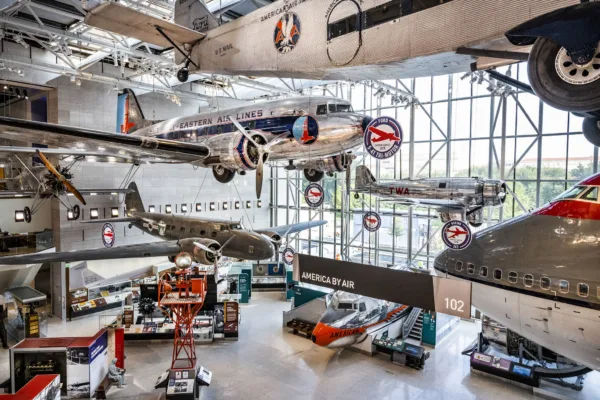
Plans, funding delays and design revisions preceded the National Air and Space Museum’s opening on the Mall in July 1976.

A photograph of the Smithsonian Castle taken around 1867, just two years after the Civil War ended. The red sandstone building was barely a decade old.

Gay Gatley, Eva Fridell, Anna Neibel and Iola Swinnerton were the four prize winners of the 1922 beauty contest at the Washington Bathing Beach.
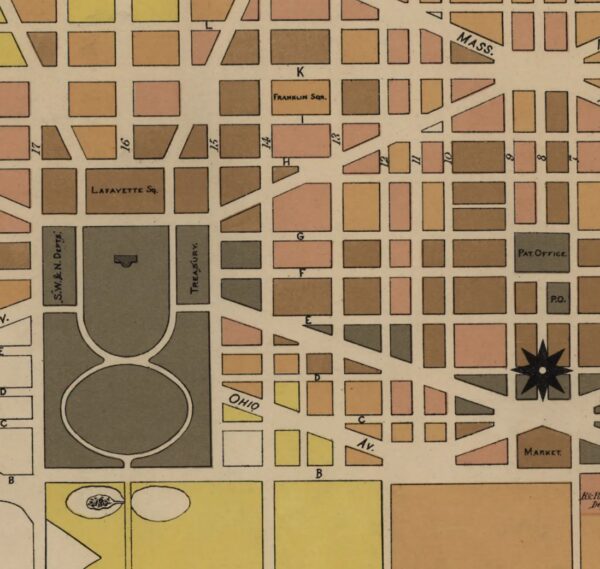
A series of 1880 maps showing property values, pavement conditions, public schools, railroads, and street sweeping schedules across Washington, D.C.

The first overland long-distance telegraph line in the United States was between Baltimore and Washington in 1843. This map shows all telegraph lines in Washington in 1880.

The Bartholdi Fountain on Capitol Hill was almost moved to Dupont Circle at the request of James Blaine. Until history intervened.
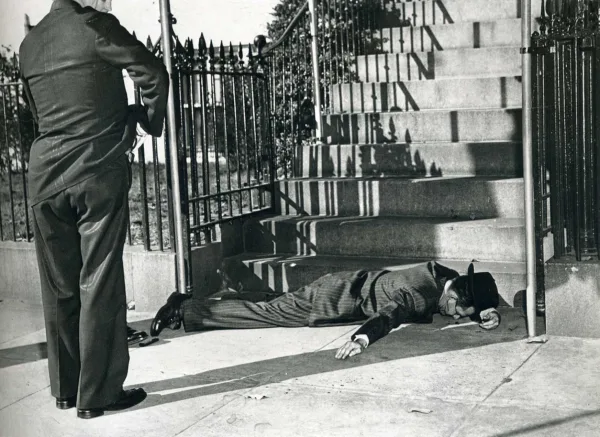
On November 1, 1950, two Puerto Rican nationalists tried to shoot their way into Blair House to kill Truman. He was upstairs, napping.

Before the Air and Space Museum opened in 1976, architects proposed very different buildings. These models and drawings show rejected ideas and the scheme that won.

This photograph shows the Woodward & Lothrop department store building in downtown Washington.
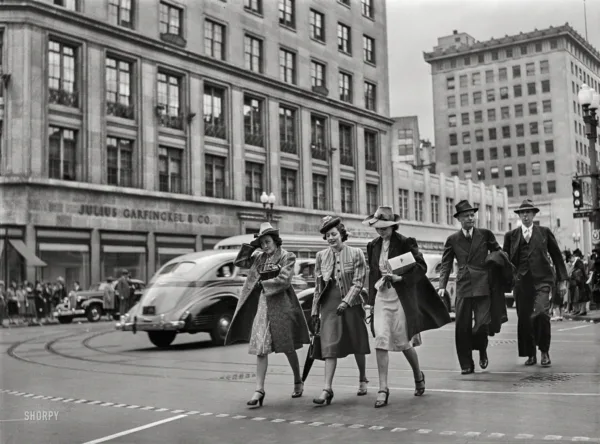
Garfinckel’s department store stood at 14th and F St. NW near the Treasury Building. The building still stands and is home to The Hamilton today.

Memorial Bridge under construction on May 15th, 1928. Note the mock-up statue the Commission of Fine Arts set on a pedestal to judge statue height.

A 1950s corner store at 4th and M St. SW, looking up 4th Street toward L. Typical life in Southwest Washington. The same corner looks different today.

In 1956, tourist buses still drove past the front of the White House. GoDCer Bill’s vacation photos show the Washington Monument, Jefferson Memorial, and Federal Triangle from that year.
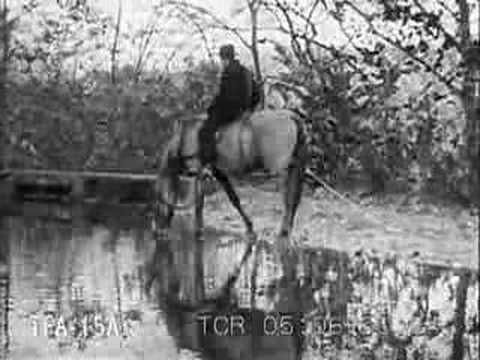
A 1917 film documents a seven-day boat journey down the Chesapeake and Ohio Canal from Cumberland, Maryland to Washington, one of the last working trips before the canal closed to commercial traffic.
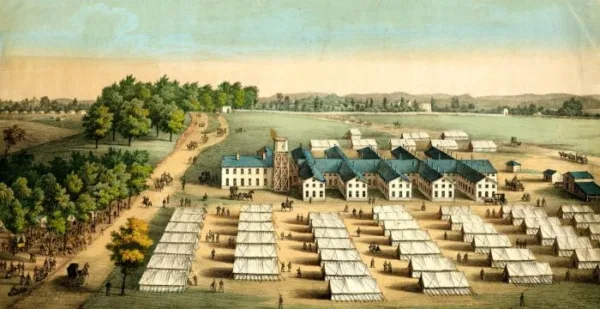
Mount Pleasant’s name grew out of the Pleasant Plains estate. A land survey helps trace the neighborhood’s beginnings north of the city.

At the Girl Scout Little House, scouts learned cooking and childcare, hosted first ladies and practiced community service.
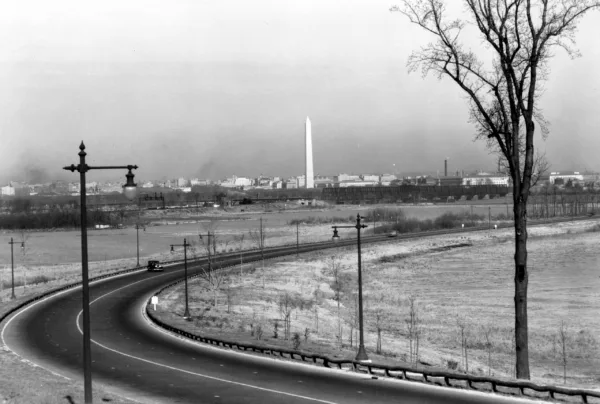
A 1932 photograph looks toward the Washington Monument from the George Washington Memorial Parkway.

An April 1943 photograph records Scott Circle after dark.