
The Podcast
Since 2012, Ghosts of DC has been digging up the lost and untold stories of Washington. Now we’re turning them into a podcast. Short episodes, built on the record, for your commute or a quiet few minutes.

Episodes

It is a little after 2:15 p.m. on Friday, March 2, 1973. The top floors of a 26-story apartment tower under construction at Bailey’s Crossroads are about to fall floor by floor. Fourteen men on the site will not go home.
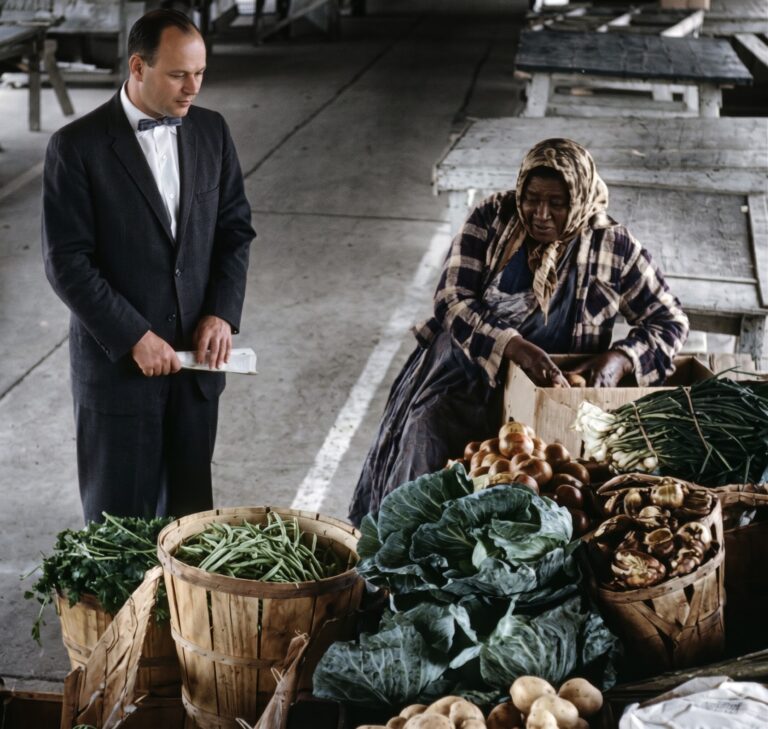
Union Market opened on February 16, 1931, at 5th Street and Florida Avenue NE, on a World War I army camp that had become the city’s circus lot. It was built by produce merchants pushed out of downtown by the Federal Triangle.
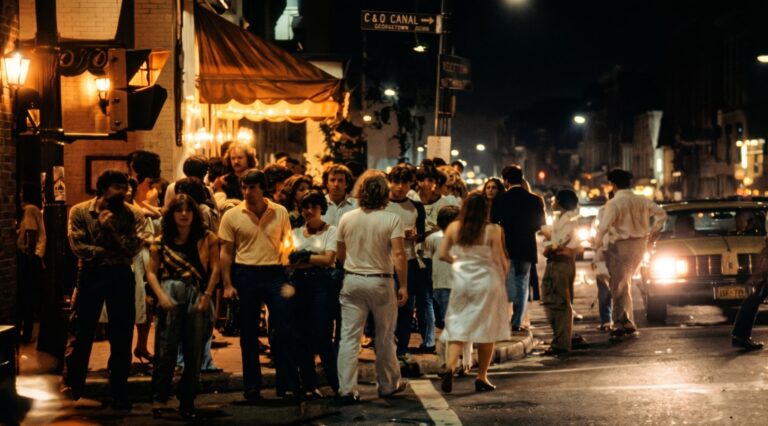
Until September 1986, any 18-year-old could legally buy beer and wine in Washington, DC, and Georgetown drew young drinkers from Maryland and Virginia. Then came a fatal Beltway crash and a 10 to 3 council vote.
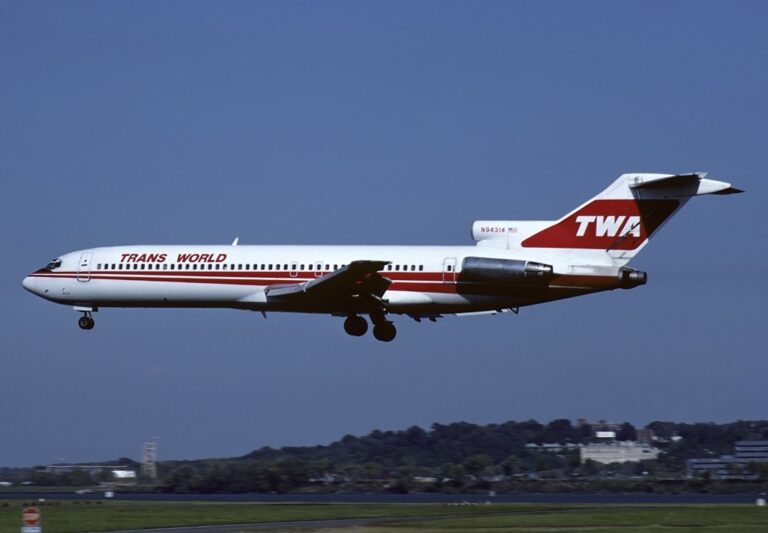
On June 4, 1970, a Phoenix man hijacked TWA Flight 486 and demanded $100 million from the Supreme Court over a $471.78 tax bill he refused to pay. It ended at Dulles with deer rifles, an empty gun and a wounded captain.

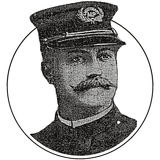
In 1908, retired policeman William West told the Sunday Star he had arrested President Ulysses S. Grant for fast driving at 13th and M Streets in 1872. We found no report of it in the 1872 Evening Star, but the papers did catch General Grant speeding twice in 1866.

In May 1975, Susan Ford hosted her Holton-Arms senior prom at the White House, the only one ever held there. President Gerald Ford’s daughter let the Class of ’75 take over the East Room.

In 1971, a dog named Ginger was found decapitated near Fletchertown Road in Bowie. Neighbors blamed the Maryland Goatman.
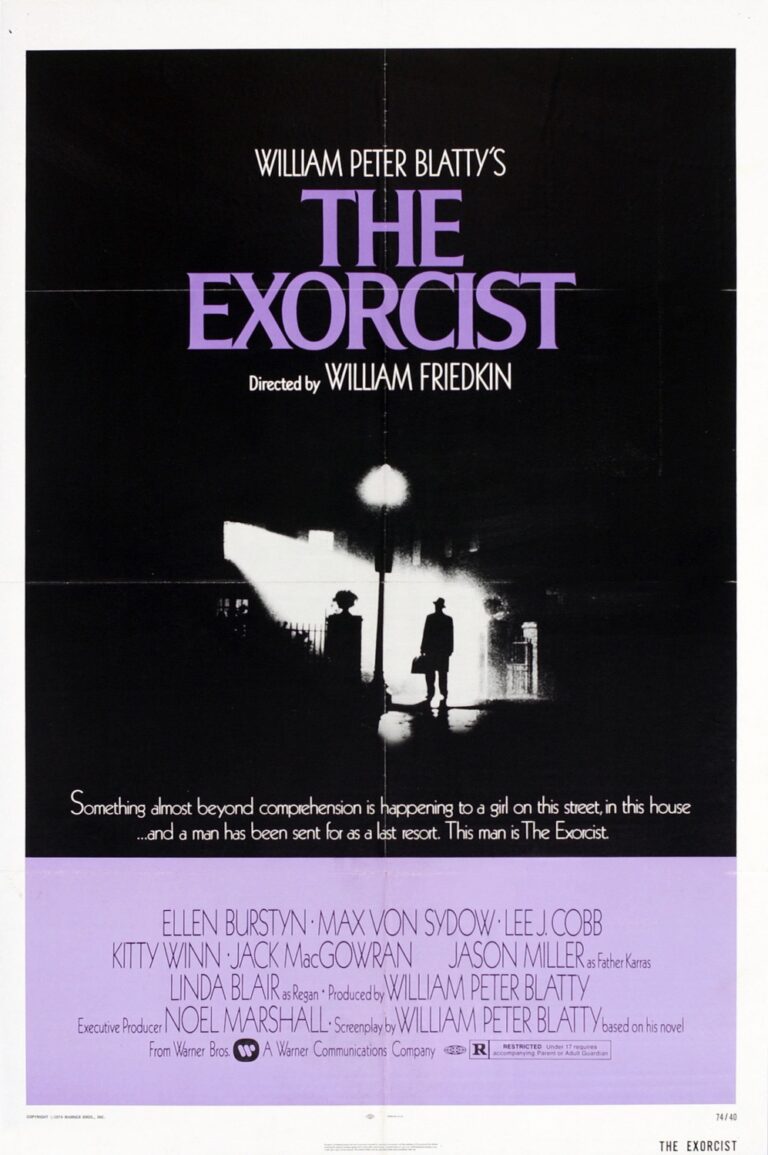
In August 1949 the Evening Star reported that a priest had freed “a 14-year-old Mount Rainier, Md., boy” from the devil. That phrase sent curiosity seekers to the wrong town for half a century. The family actually lived one town over, in Cottage City.
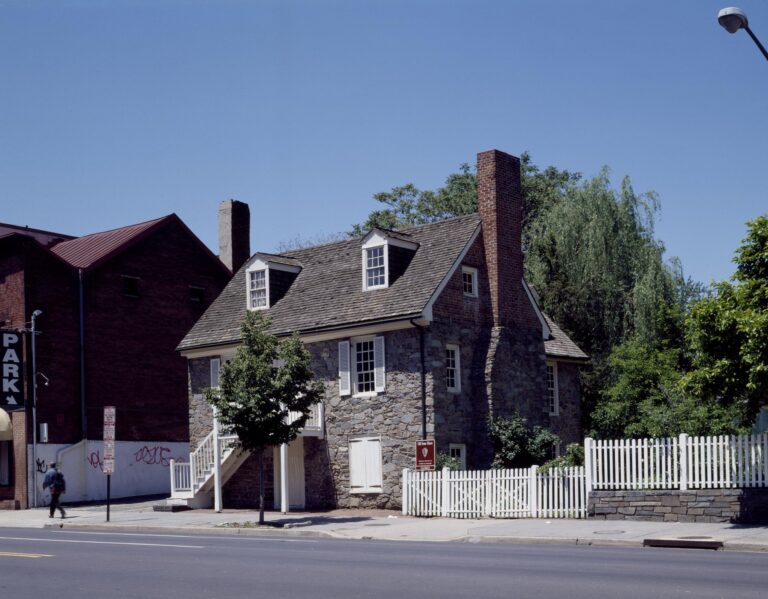
In 1899 a marble sign called this M Street house George Washington’s headquarters. It wasn’t true. It probably saved the house.
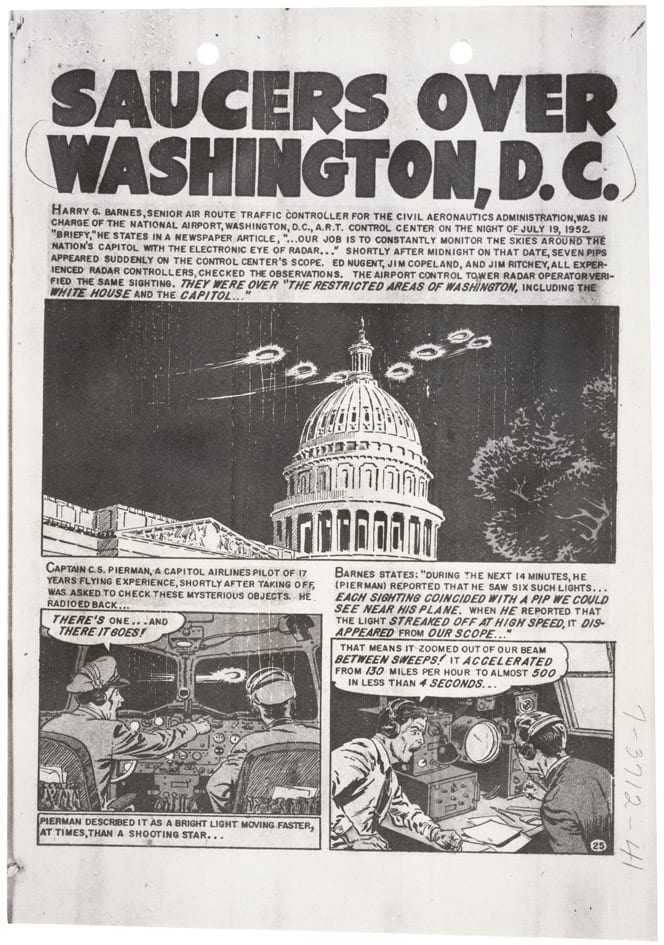
On July 19 and 26, 1952, radar at National Airport and Andrews tracked unknown targets over Washington. Jets were scrambled, and the Pentagon blamed the weather.
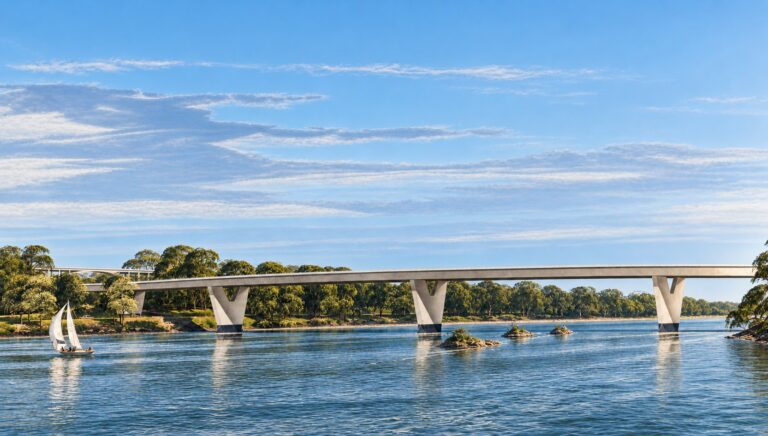
Planners proposed a bridge over the Potomac’s Three Sisters islands again and again. The 1960s version came closest, until a court fight killed it.

Three rocky islands in the Potomac come with a drowning legend that has been retold, and reinvented, since at least the 1890s. Here’s where it came from, who owned the rocks, and the bridge that nearly buried them.