The Reform School for Girls That Stood Where Sibley Hospital Is Now
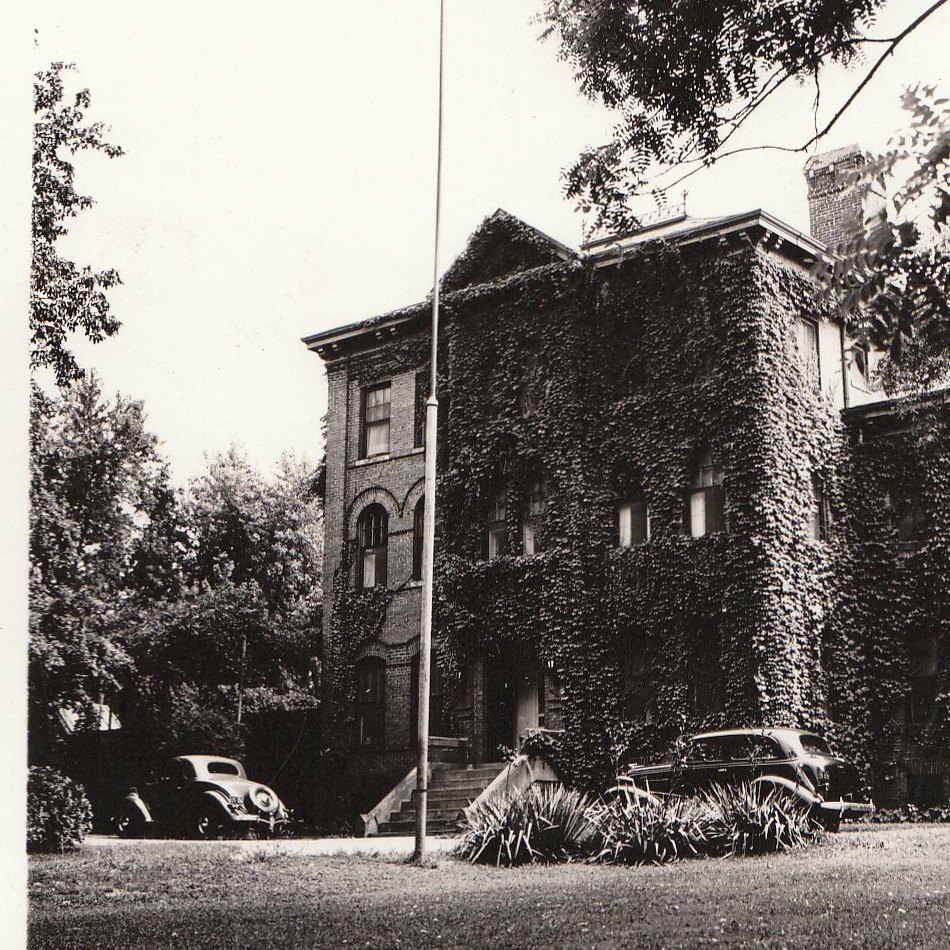
For sixty years a reform school for girls stood on the Palisades hill where Sibley Hospital is today. The troubled history of the National Training School for Girls, 1893 to 1953.
The 1890s were gilded years for Washington, with grand new buildings rising across the capital and the city’s population surging. The Library of Congress opened in 1897, the streetcar network expanded rapidly, and the rowhouses and apartment buildings that define Northwest DC filled in block by block.
For sixty years a reform school for girls stood on the Palisades hill where Sibley Hospital is today. The troubled history of the National Training School for Girls, 1893 to 1953.
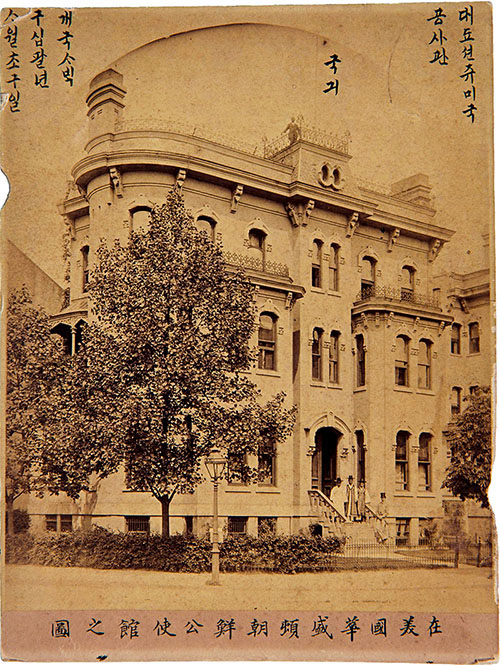
In 1891, King Gojong paid $25,000 for a Victorian townhouse on Iowa Circle to house Joseon’s first mission to the United States. Nineteen years later, after Japan forced the protectorate, the empire sold the building for five dollars. Korea bought it back in 2012 for $3.5 million. The museum opened in 2018.
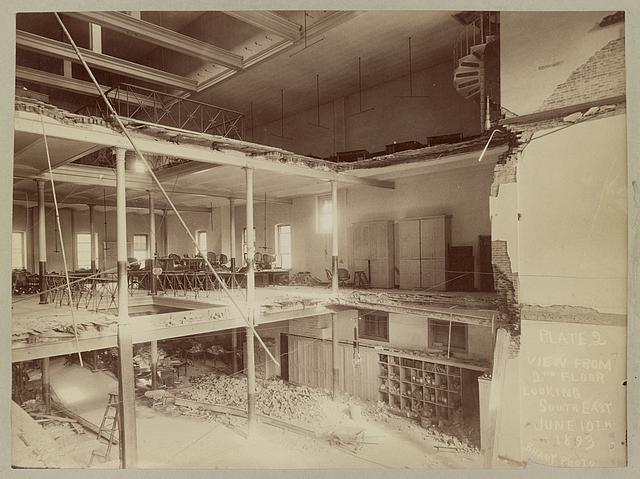
On June 9, 1893, the floors of Ford’s Theatre pancaked into the basement, killing 22 federal clerks 28 years after Lincoln was shot in the same building.
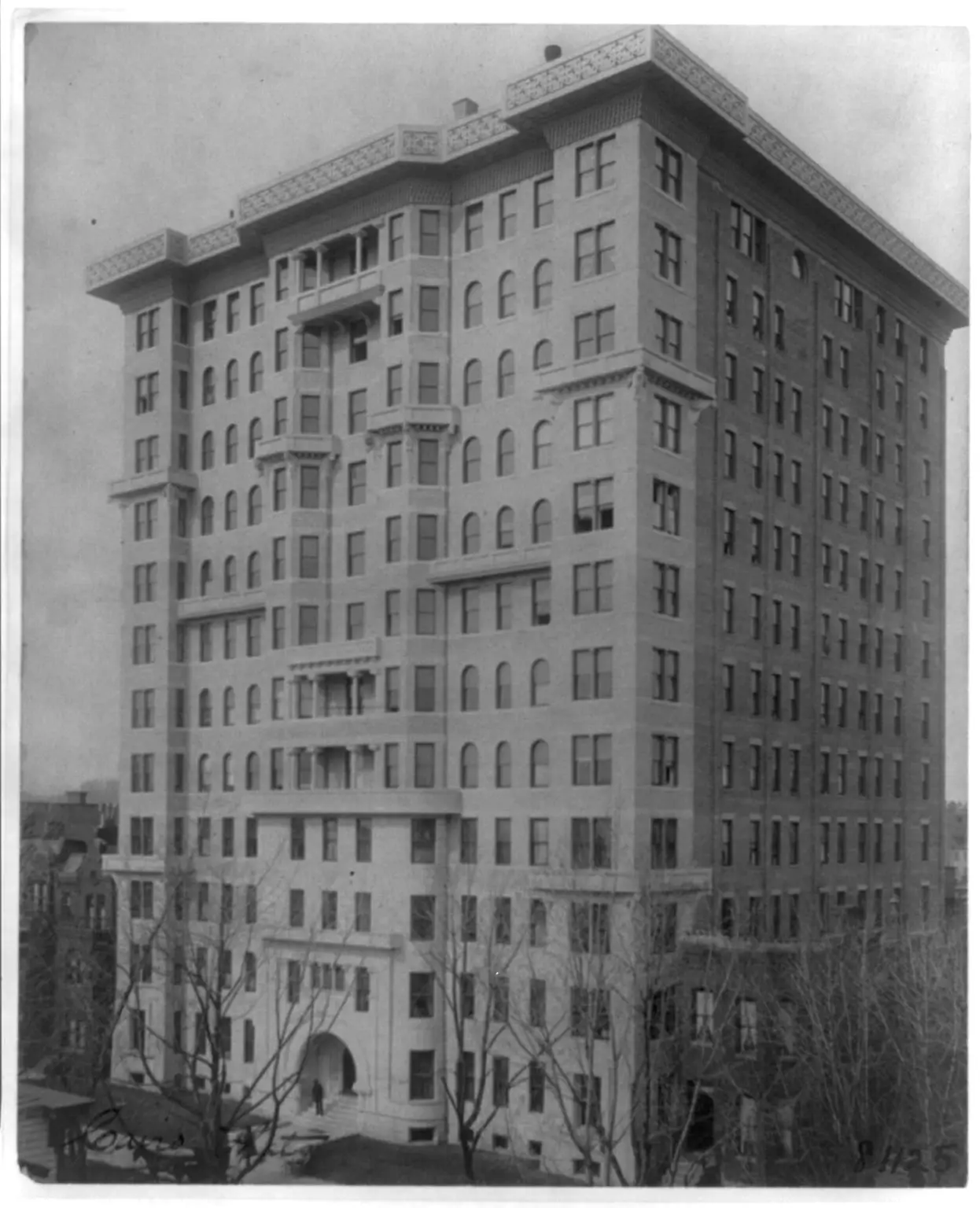
A 35-year-old architect built 164 feet of Moorish-fantasy hotel into a Dupont rowhouse block. Congress hated it so much it made a law.
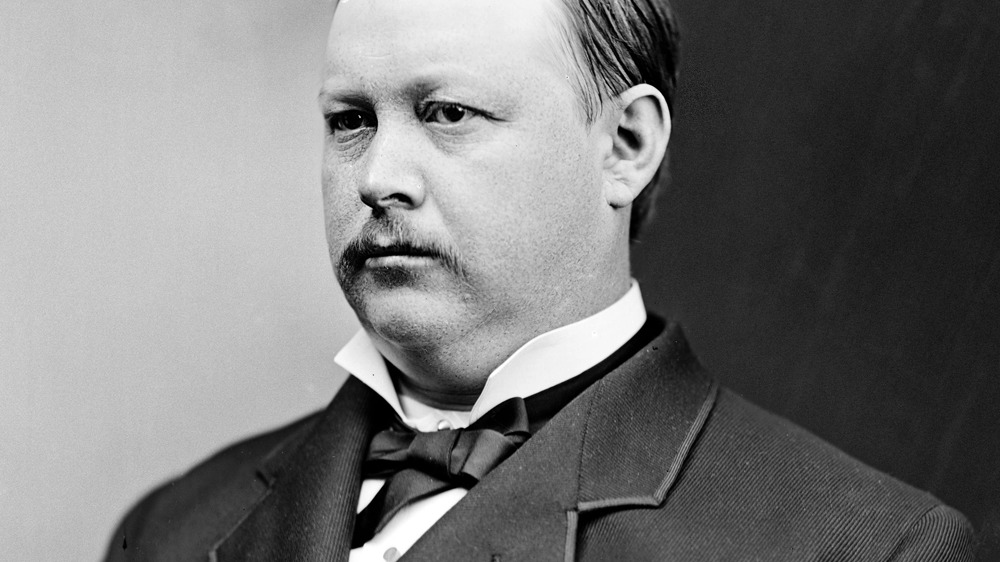
Thomas Brackett Reed rewrote the rules of Congress, crushed the filibuster, and walked away from power on principle. He died at the Arlington Hotel while a party raged downstairs.
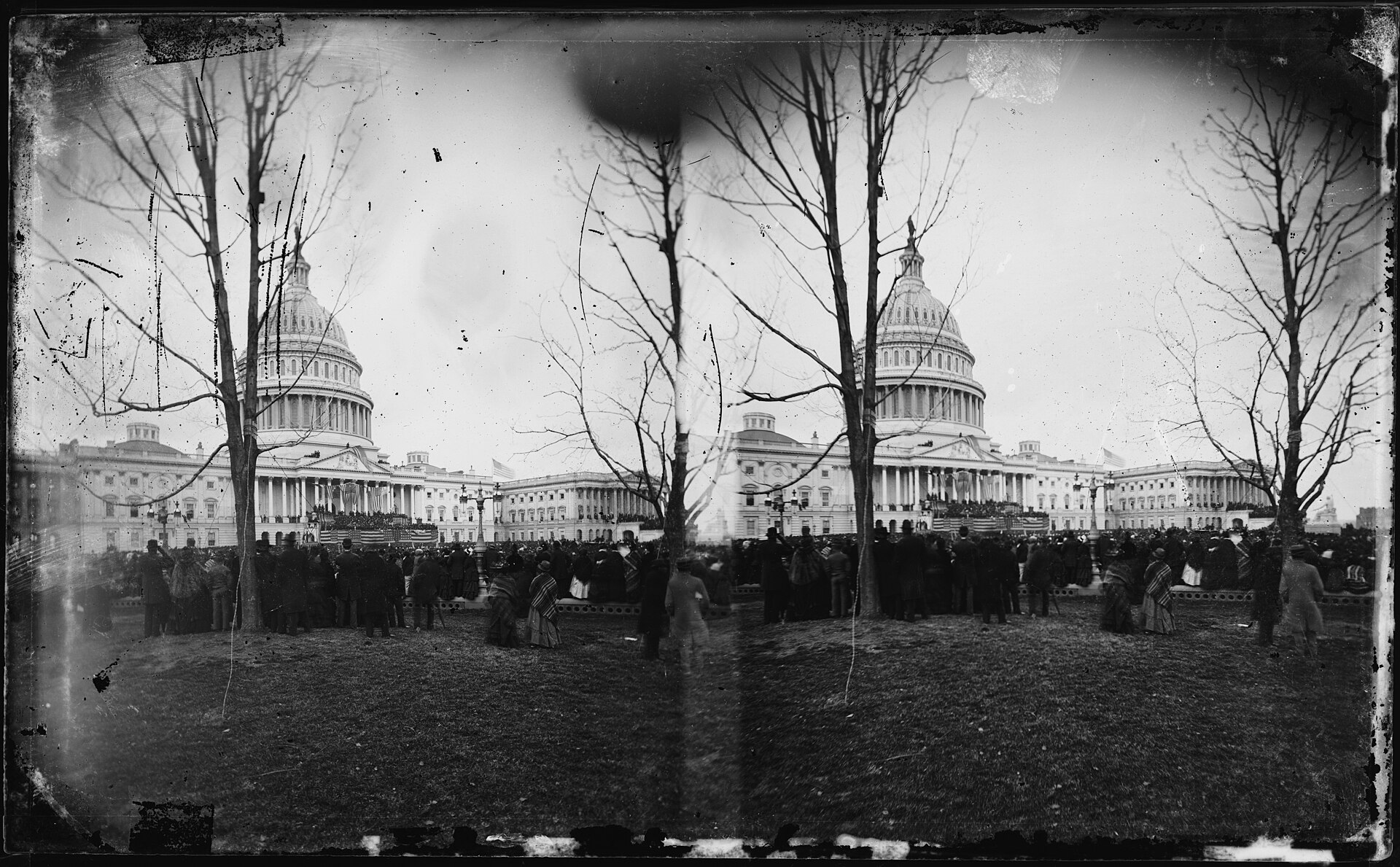
On February 28, 1890, former Kentucky Congressman William Taulbee was shot on the Capitol’s marble staircase by a journalist.
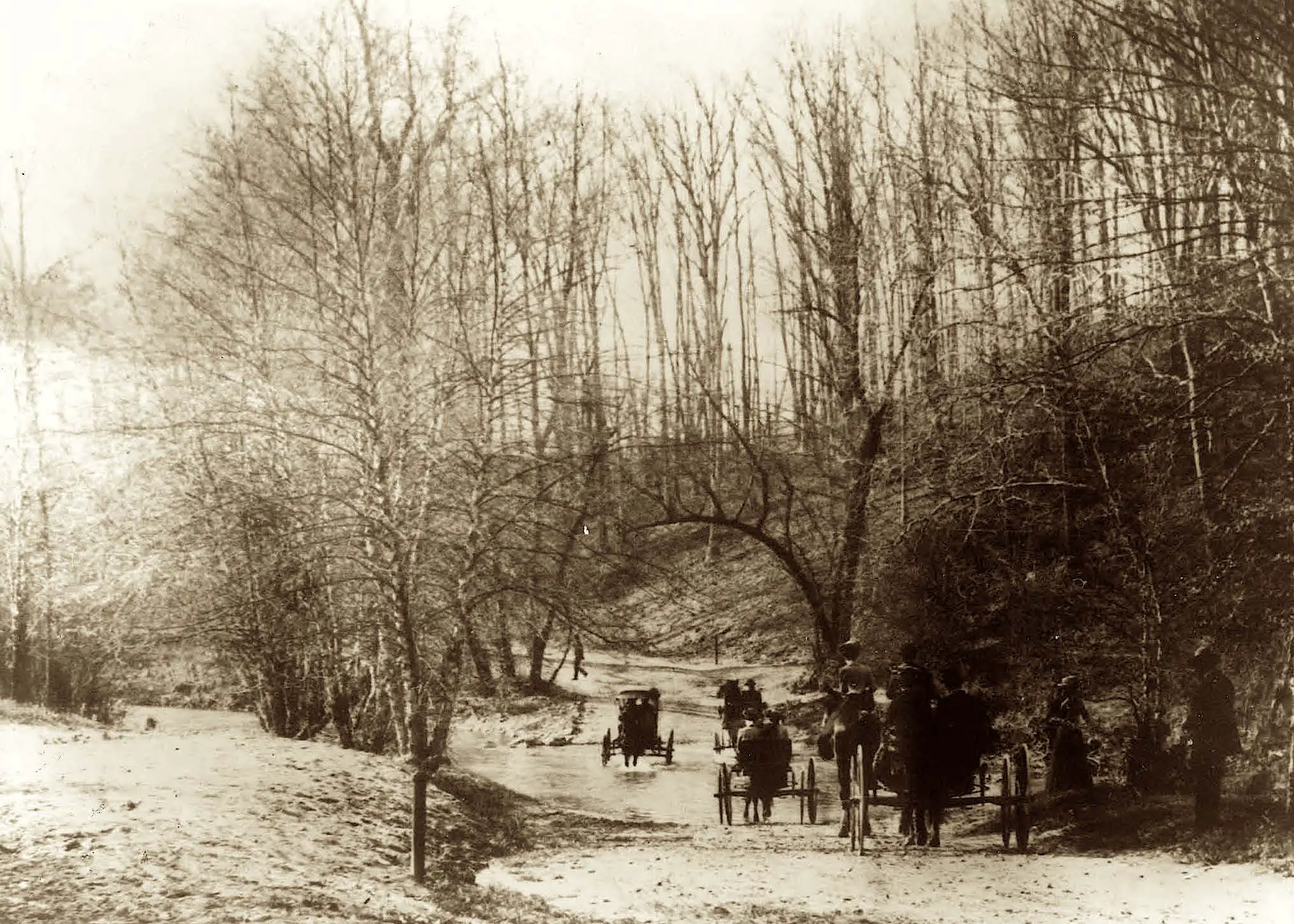
This 1890 photograph shows a group riding horse-drawn carriages through Rock Creek, years before the National Park Service formally established Rock Creek Park. See if you can recognize the area today.
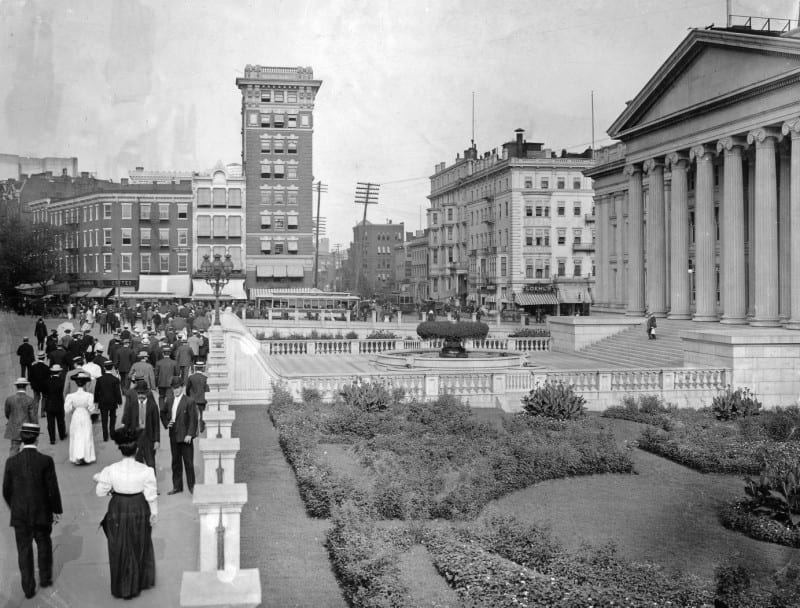
Take a step back in time and discover a glimpse into the past with this amazing photo of Pennsylvania Avenue in front of the Treasury Building. Discover more at the Historical Society of D.C. website.
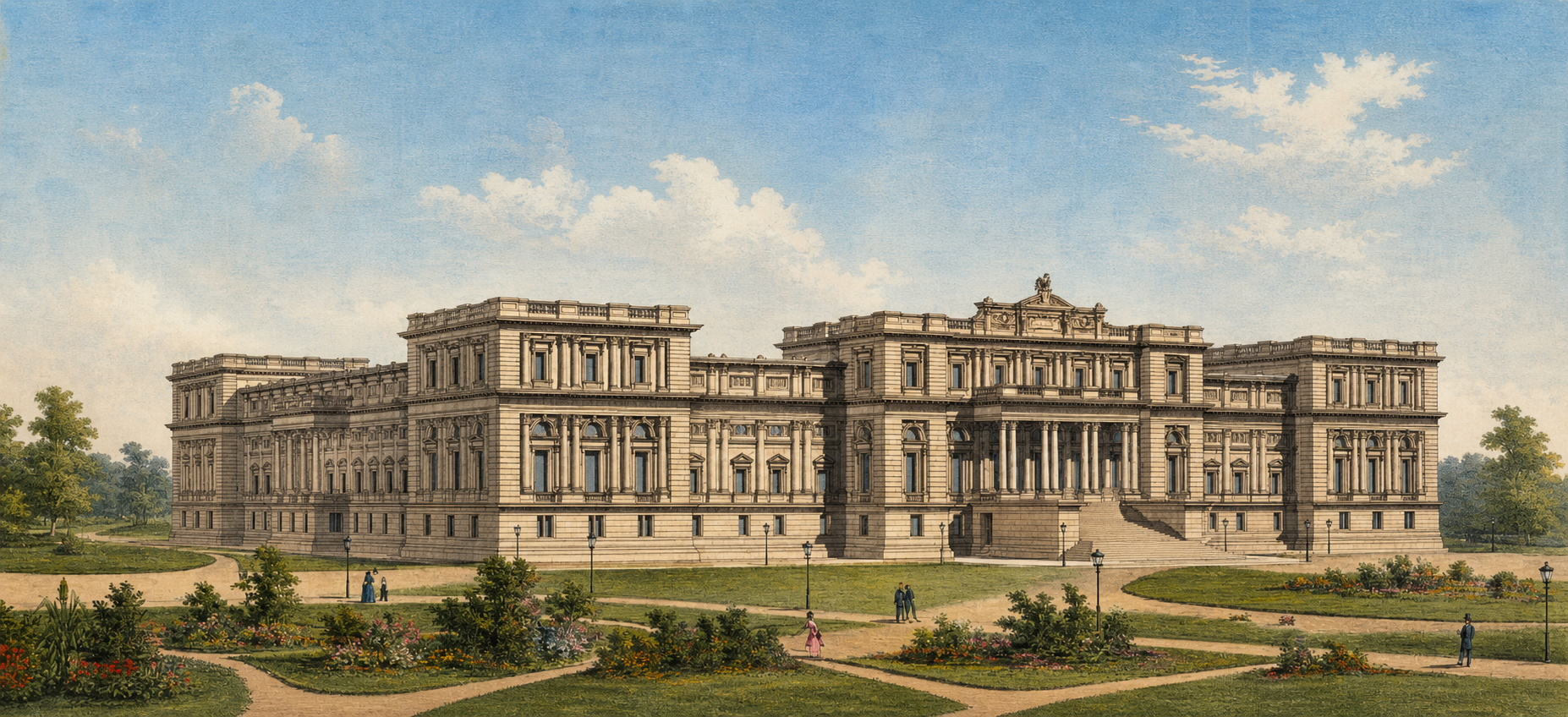
John Smithmeyer and Paul Pelz won the design competition in 1873. They spent 13 years redesigning it. Then Congress fired them. Here’s what happened next.