
Barnaby Woods’ 1937 Promise of ‘Social Restrictions’
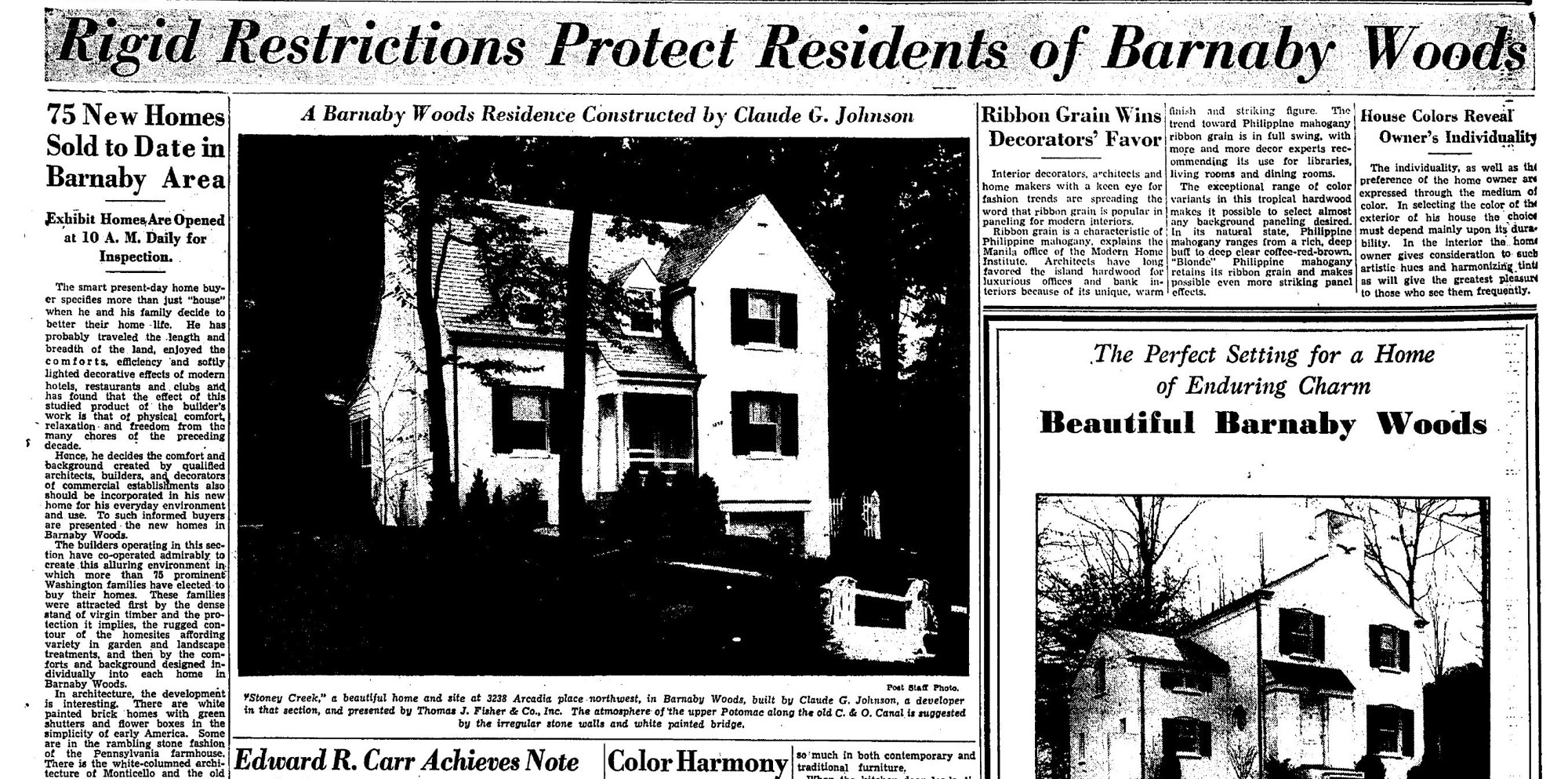
In 1937 the Post promised Barnaby Woods buyers “social restrictions.” The deeds we read don’t spell them out. One of its builders’ deeds nearby did.
The Great Depression hit Washington differently than most American cities. FDR’s New Deal brought a massive expansion of the federal government, filling the capital with new agencies, new buildings, and hundreds of thousands of new workers. The decade that devastated much of America actually transformed Washington into a modern metropolis.
In 1937 the Post promised Barnaby Woods buyers “social restrictions.” The deeds we read don’t spell them out. One of its builders’ deeds nearby did.
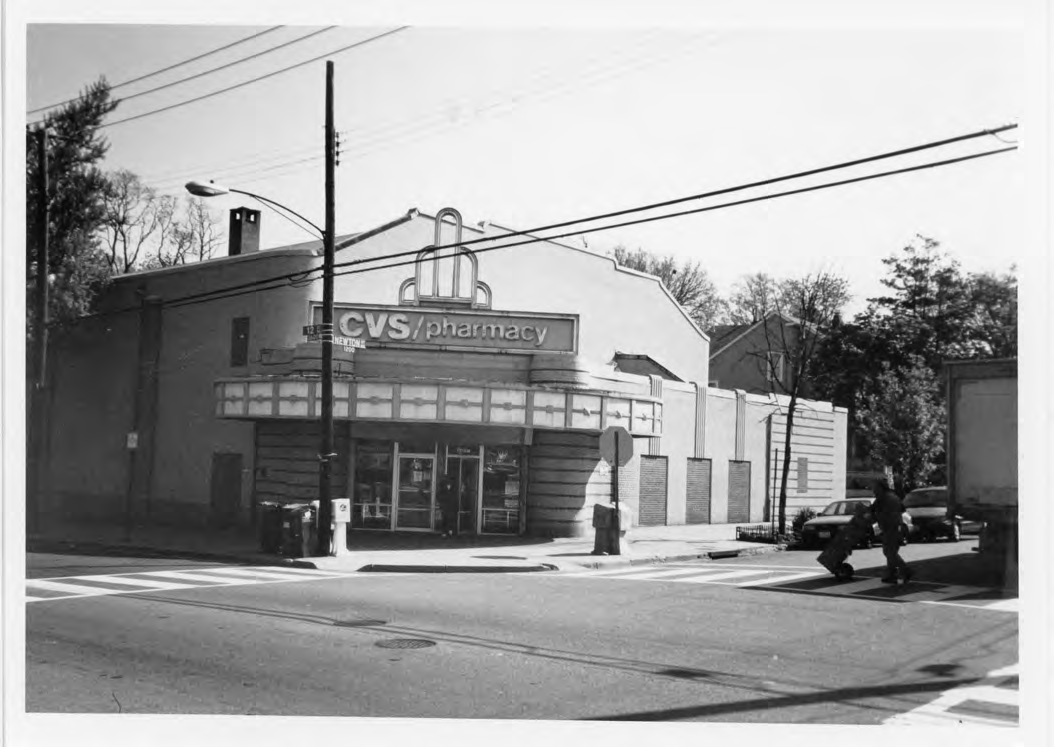
On July 29, 1937, a capacity crowd packed a brand-new 1,007-seat Art Deco movie house at 12th and Newton NE. Look up: the ziggurat is still there.
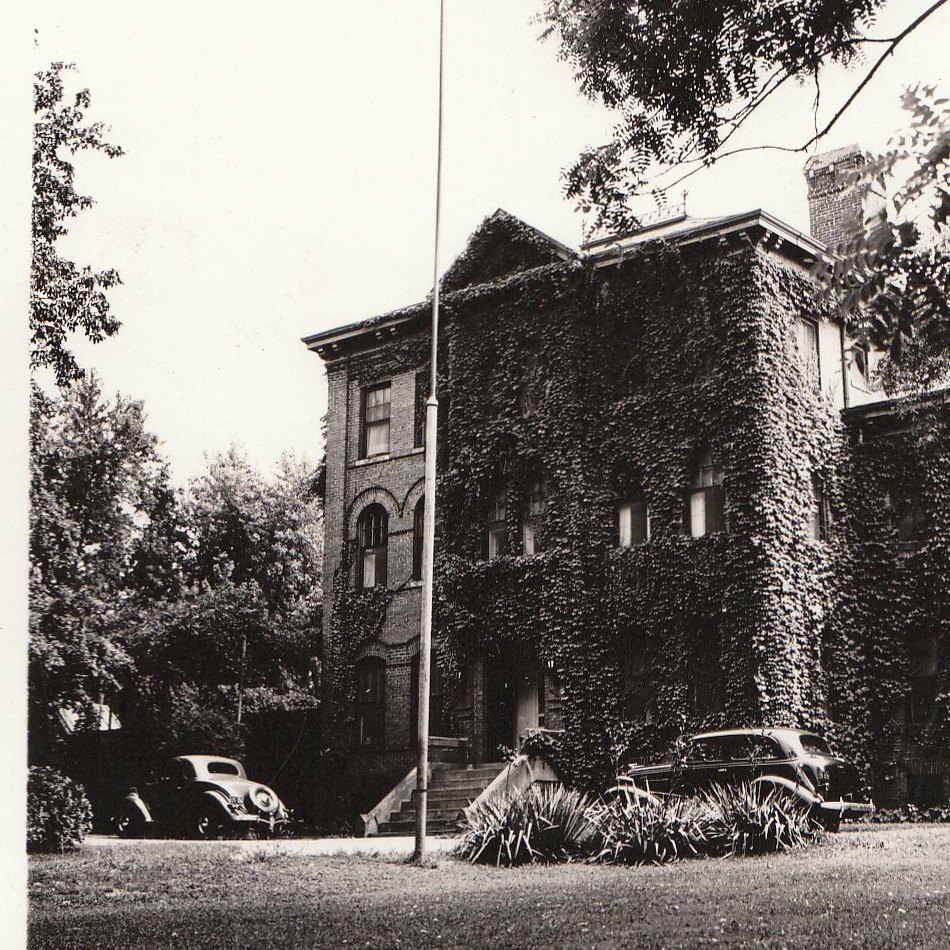
For sixty years a reform school for girls stood on the Palisades hill where Sibley Hospital is today. The troubled history of the National Training School for Girls, 1893 to 1953.
On December 28, 1938, in a small alley off 6th Street NW, a 31-year-old woman named Ruth McDonald accepted a drink from a young chemistry student and was dead within the hour.
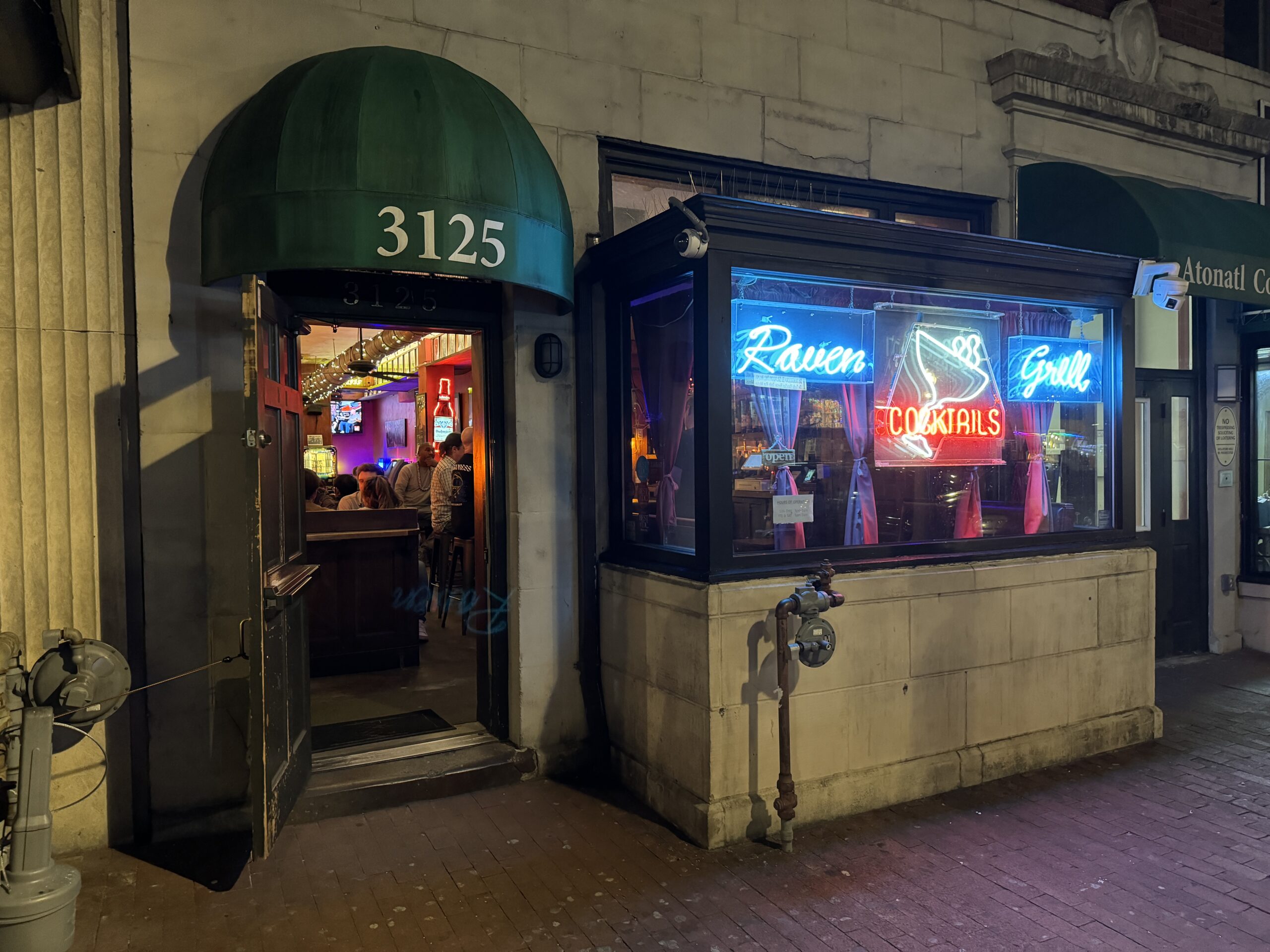
At 3125 Mount Pleasant Street NW, the Raven Grill has been a Washington DC dive bar since 1935. The booths are still the originals.
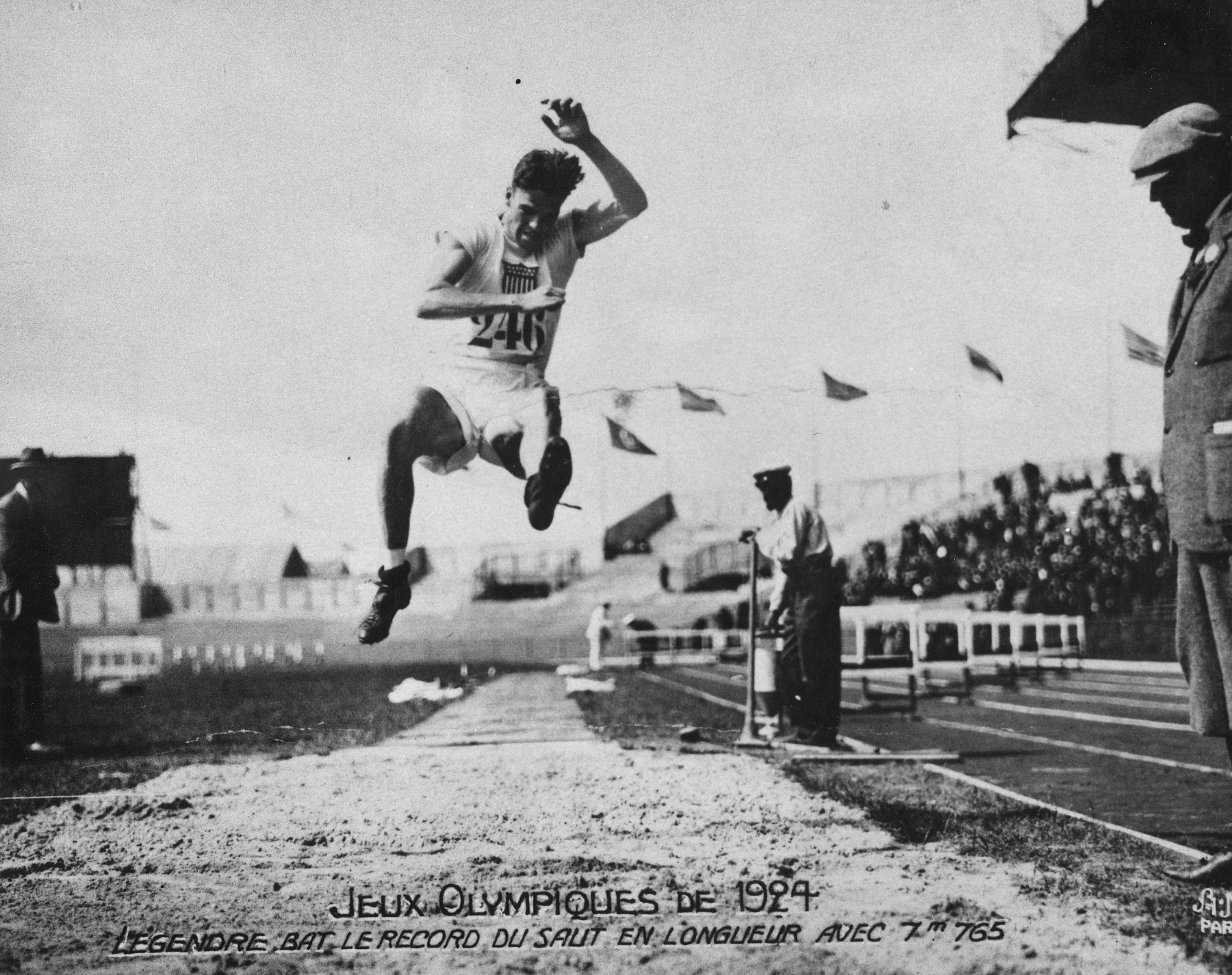
Robert LeGendre set a world record at the 1924 Olympics, then built a quiet life as a Washington dentist. When his granddaughter asked about the 1930 divorce that ended his marriage, we traced what the records could honestly tell her.
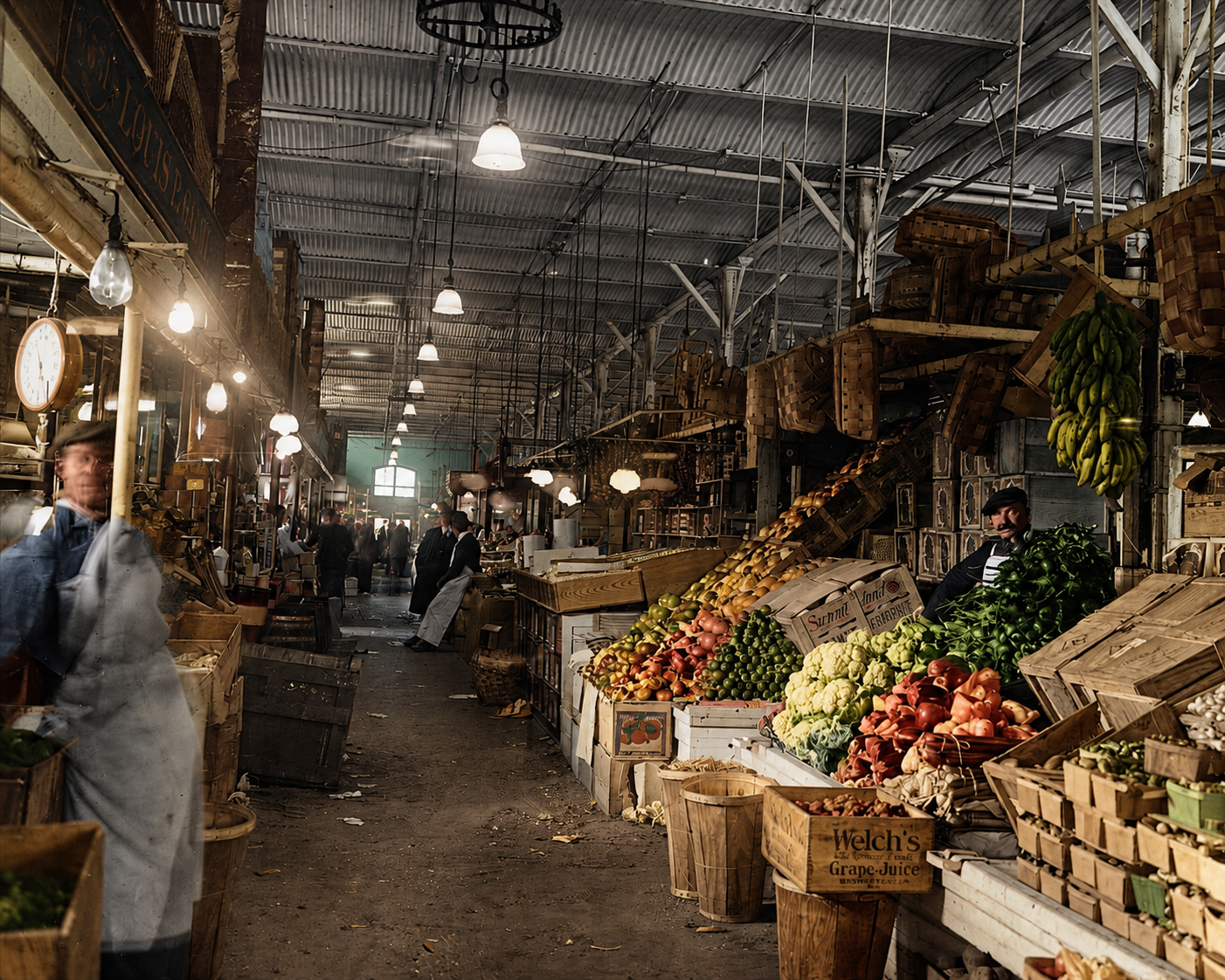
How a German-immigrant friend of Karl Marx designed the country’s largest market hall on Pennsylvania Avenue in 1872, why it ran for 59 years with 666 stalls and a refrigeration plant, and why the federal government tore it down in 1931 to build the National Archives.
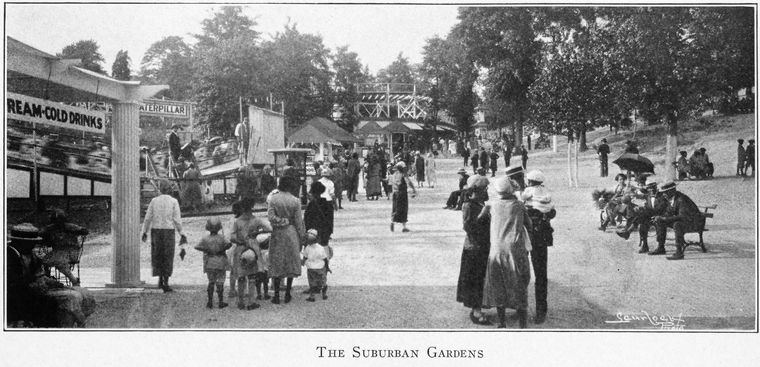
Suburban Gardens opened at 50th and Hayes NE in June 1921, built by a Black-owned company. It was the only major amusement park ever inside the District, born because the region’s white parks barred Black Washingtonians.
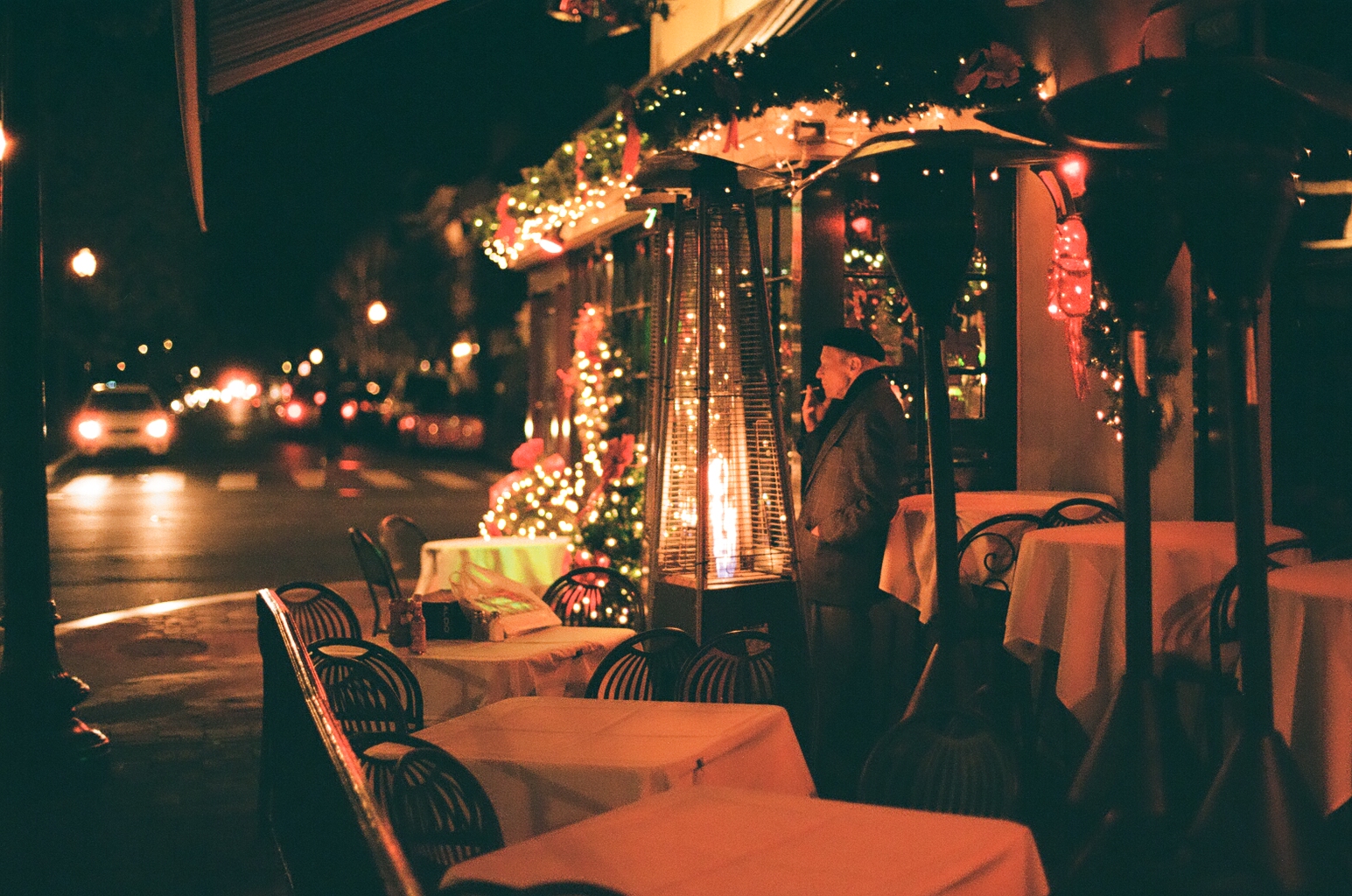
The man whose name is over the door at 1264 Wisconsin Avenue was a Boston Braves shortstop in the 1914 World Series before he opened a Georgetown tavern the year Prohibition ended. Ninety-three years and four generations later, it is still open, still owned by the same family, and still has a brass plaque on the booth where John F. Kennedy proposed to Jacqueline Bouvier.