
Prince Kūhiō in Washington: Hawaiʻi’s Delegate, 1903-1922
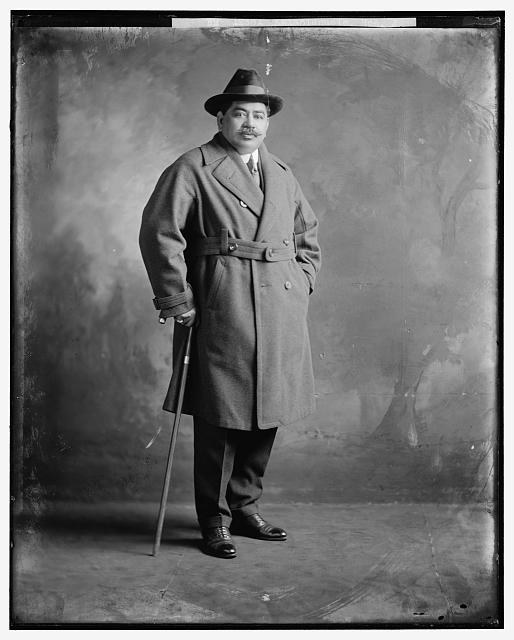
The Prince of Hawaiʻi kept a house on Mass Ave, sat with the Republican baseball team, and pushed a homestead act for his people.
Washington in the 1920s was a city in full swing. The decade brought jazz clubs, speakeasies, and a building boom that filled in the last great gaps in the city’s streetscape. Calvin Coolidge’s Washington was prosperous and busy, even as Prohibition tried to shut down the good times. These posts explore the capital’s roaring decade.
The Prince of Hawaiʻi kept a house on Mass Ave, sat with the Republican baseball team, and pushed a homestead act for his people.
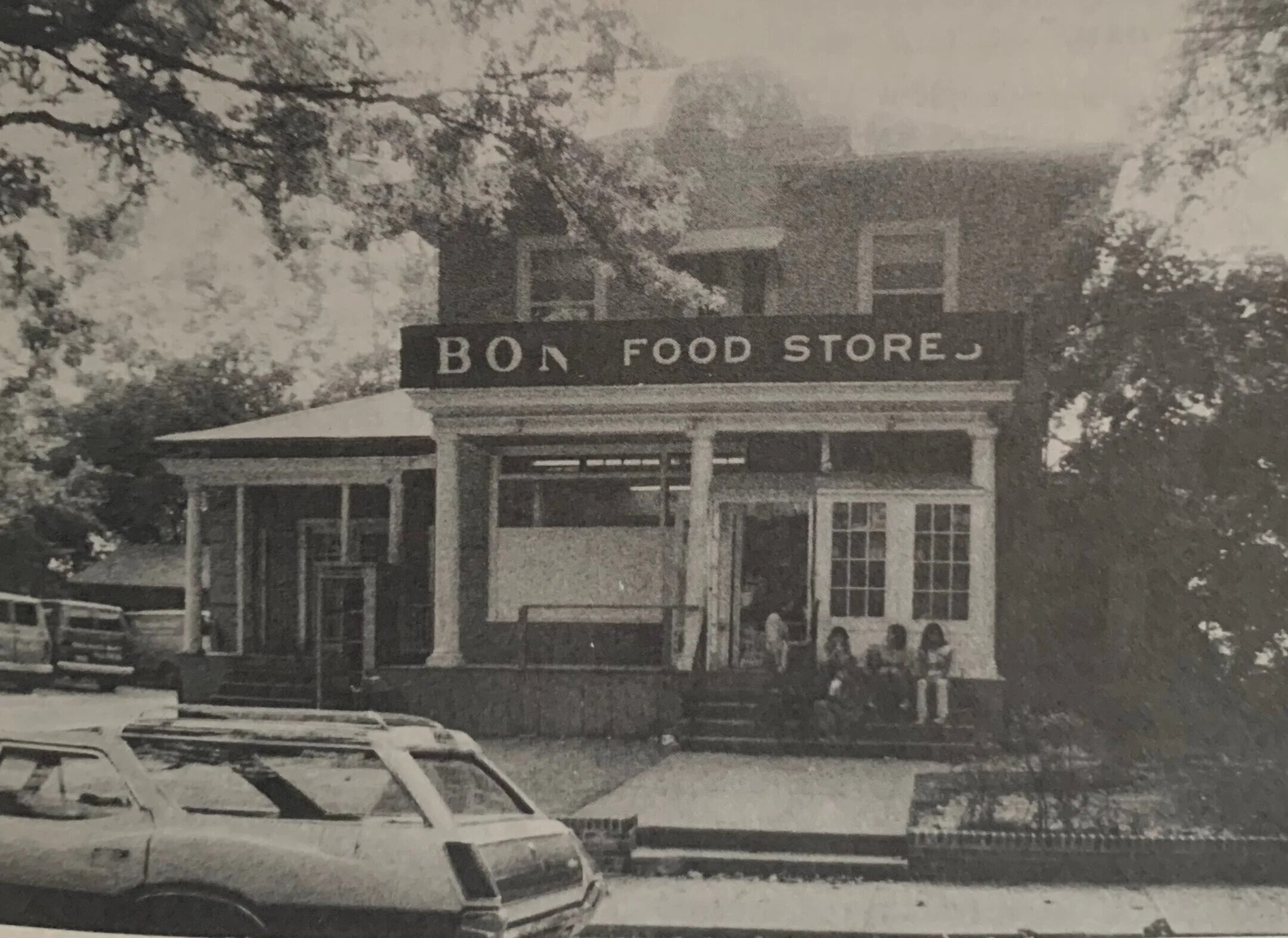
A boy on tiptoe peers into the candy bins at 5608 Broad Branch Road NW. The Bondareffs are behind the counter, Curly is out on the delivery route, and Lafayette Elementary is about to let out across the street.
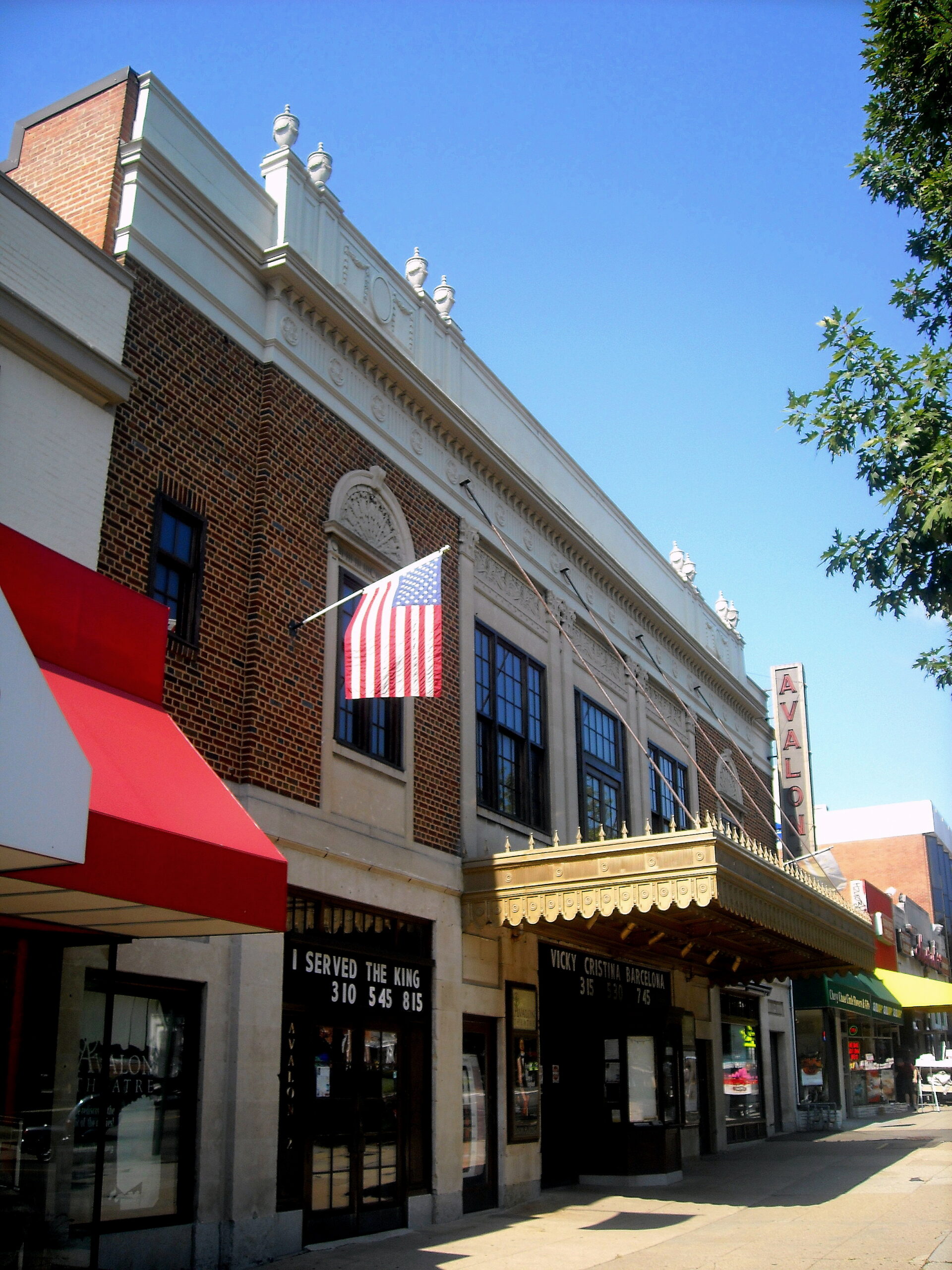
In 1923 the Chevy Chase Theatre opened at 5612 Connecticut Avenue NW. Renamed the Avalon in 1929, it survived 78 years of Hollywood and one Loews bankruptcy that gutted it in 2001. Neighbors raised roughly $750,000 and reopened it in April 2003. The lights are still on.
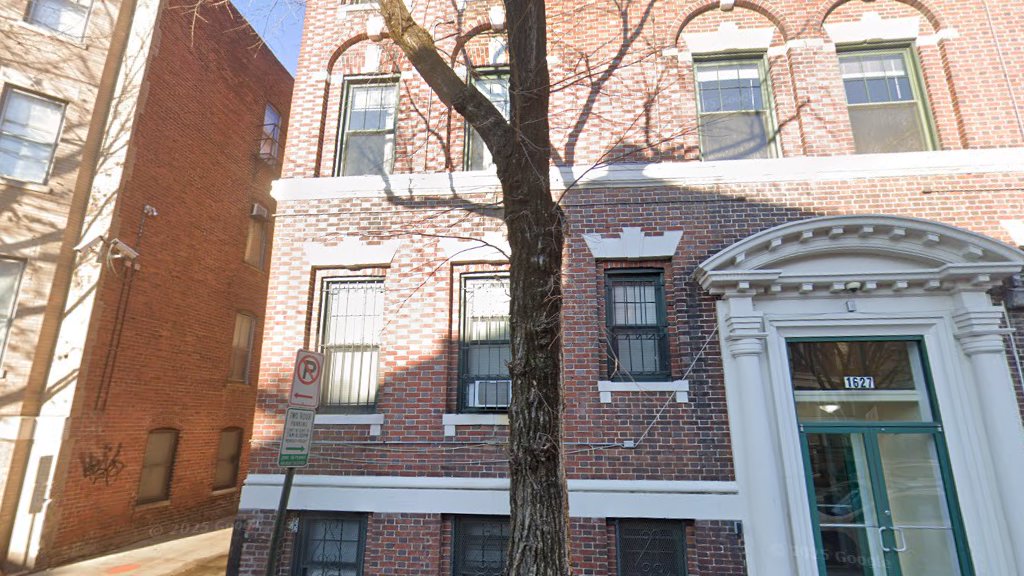
On the evening of September 21, 1927, a Washington attorney named Alexander G. Bentley walked into a room at the Houston Hotel on E Street near Ninth and shot himself. He was 52. The Washington Post ran it on page one the next morning. His home address, given in the second sentence: 1627 Lamont Street … Read more
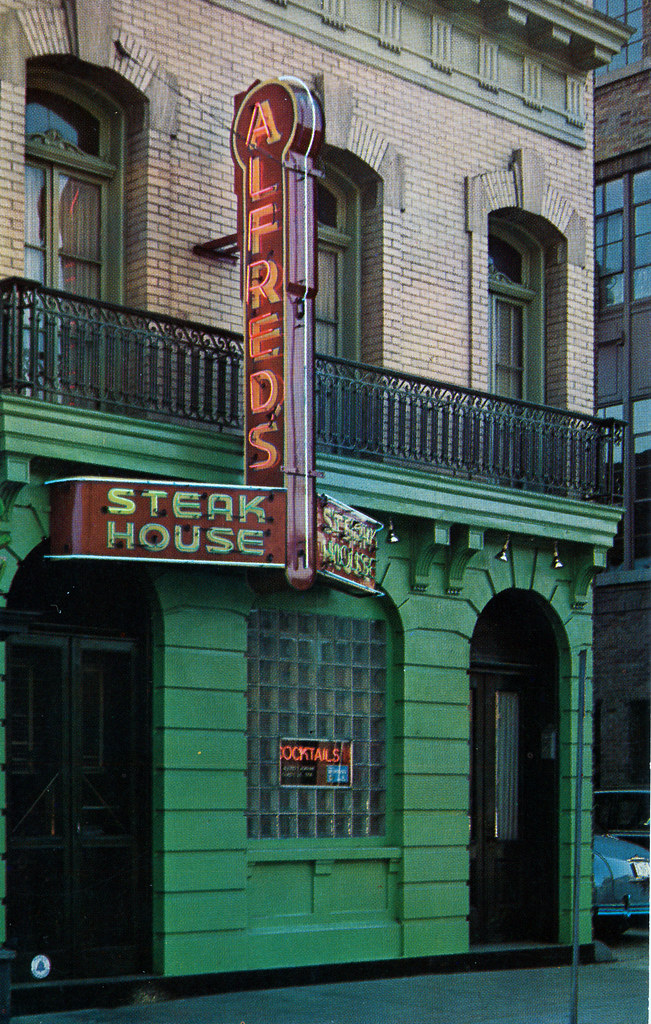
Long before Stetson’s Famous Bar & Grill filled 1610 U Street NW with punk shows and cheap beer, the same storefront was a Prohibition speakeasy. Federal agents raided it five times between 1921 and 1924. Then they raided it again in 1930.
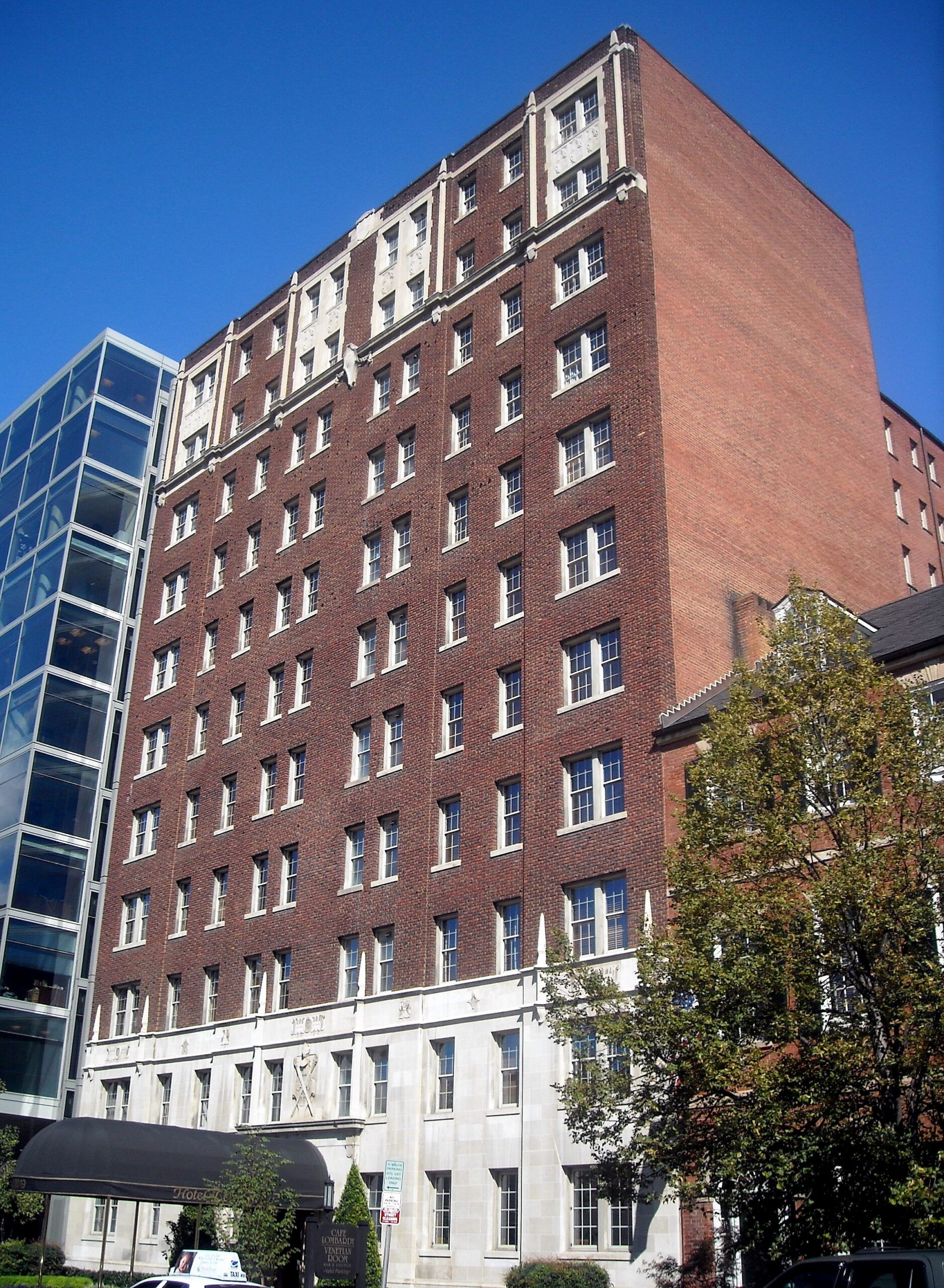
Walk into Hotel Lombardy and you feel a hotel from another era. Chinoiserie panels, a bar Oyster once called ‘a British manor in colonial Shanghai,’ and an attendant-operated elevator that hung on until 2011. The Foggy Bottom landmark started as apartments in 1929.
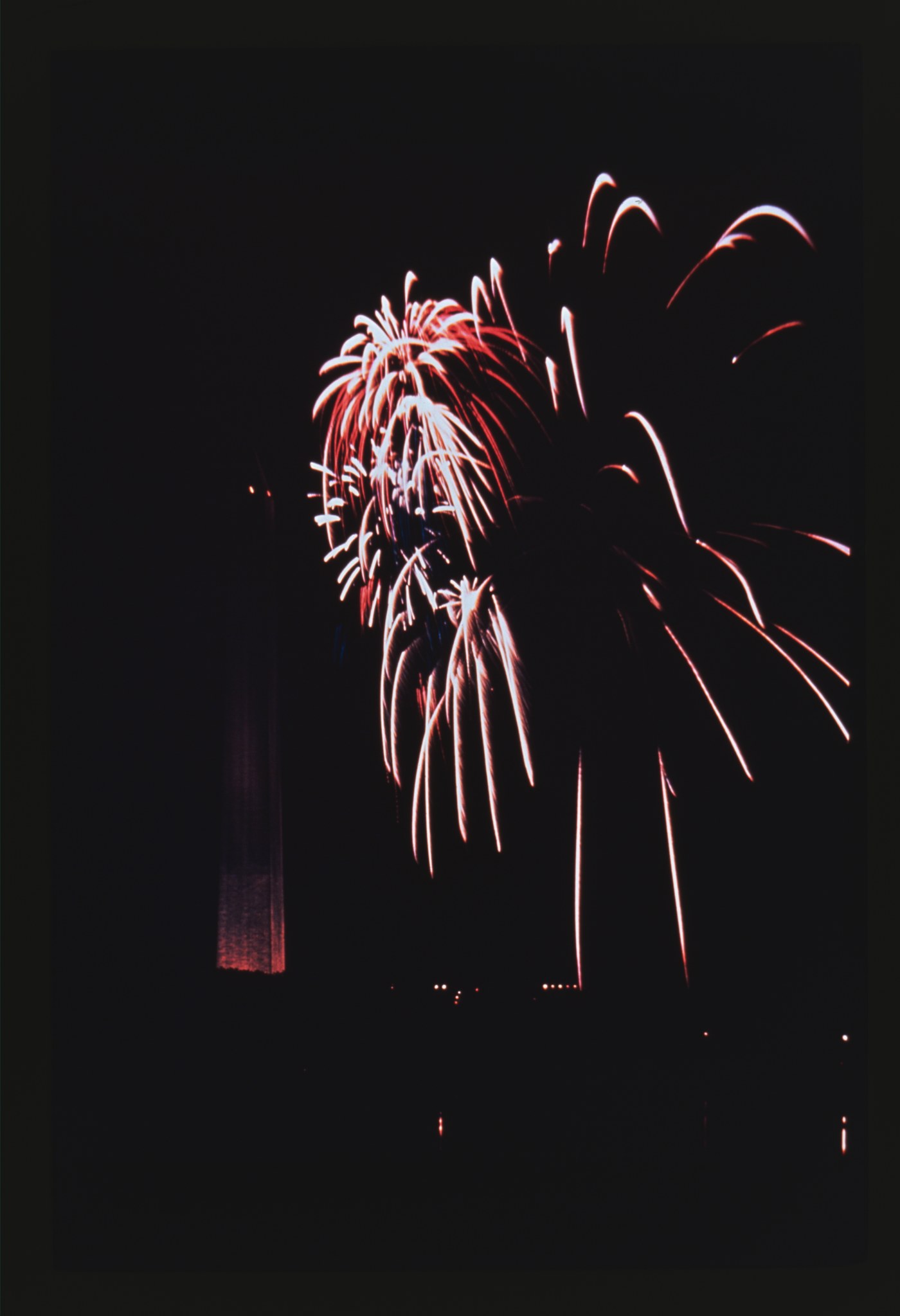
A cast of 1,000 on the Capitol steps, 50,000 at the Monument fireworks, and a plea for DC voting rights. How Washington celebrated America’s 150th birthday in 1926.
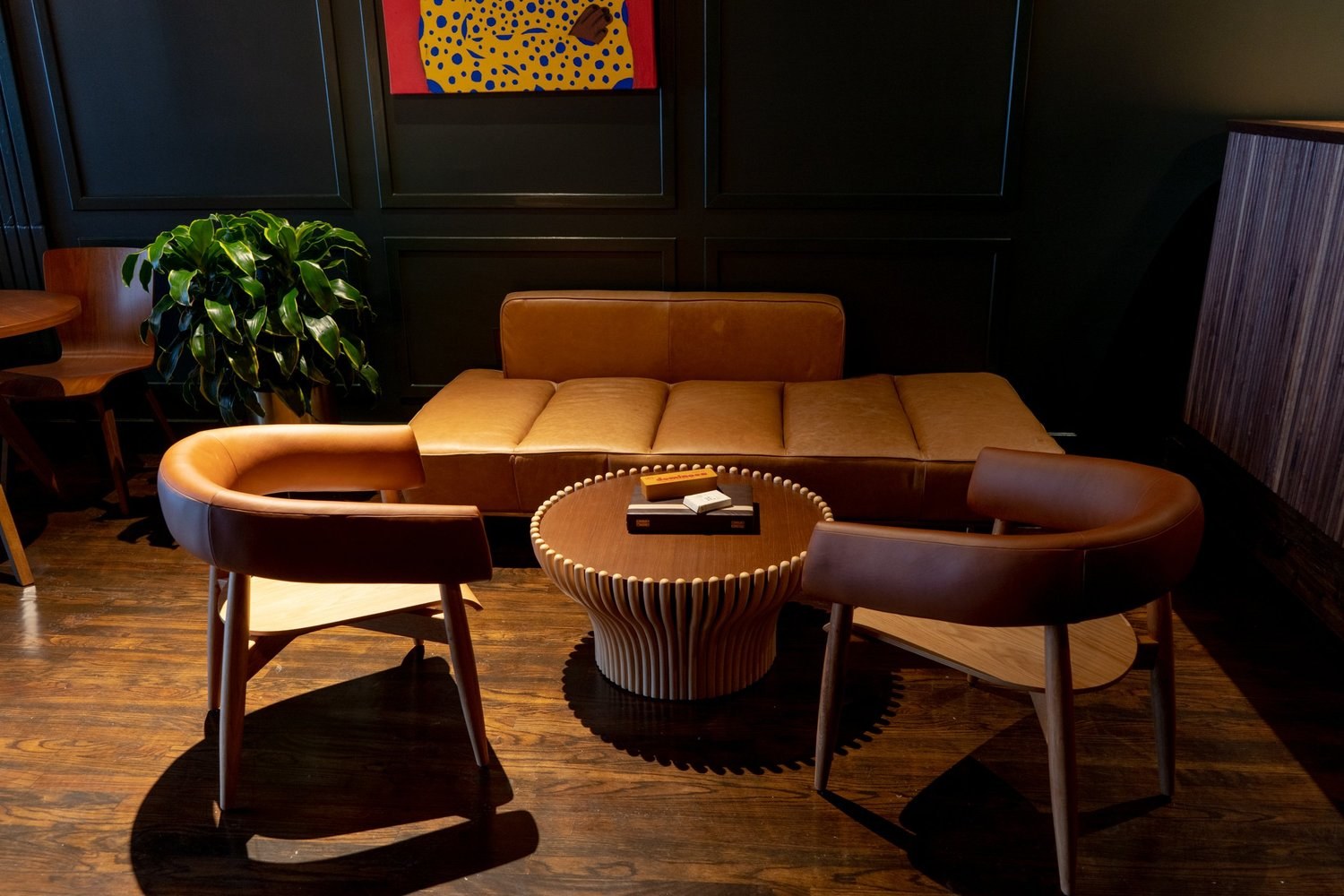
Shanklin Hall and Columbia Station made 2325 18th Street NW famous for music. A century ago the same Adams Morgan storefront was the home, store, and headquarters of D.G.S. founder William Hornstein.
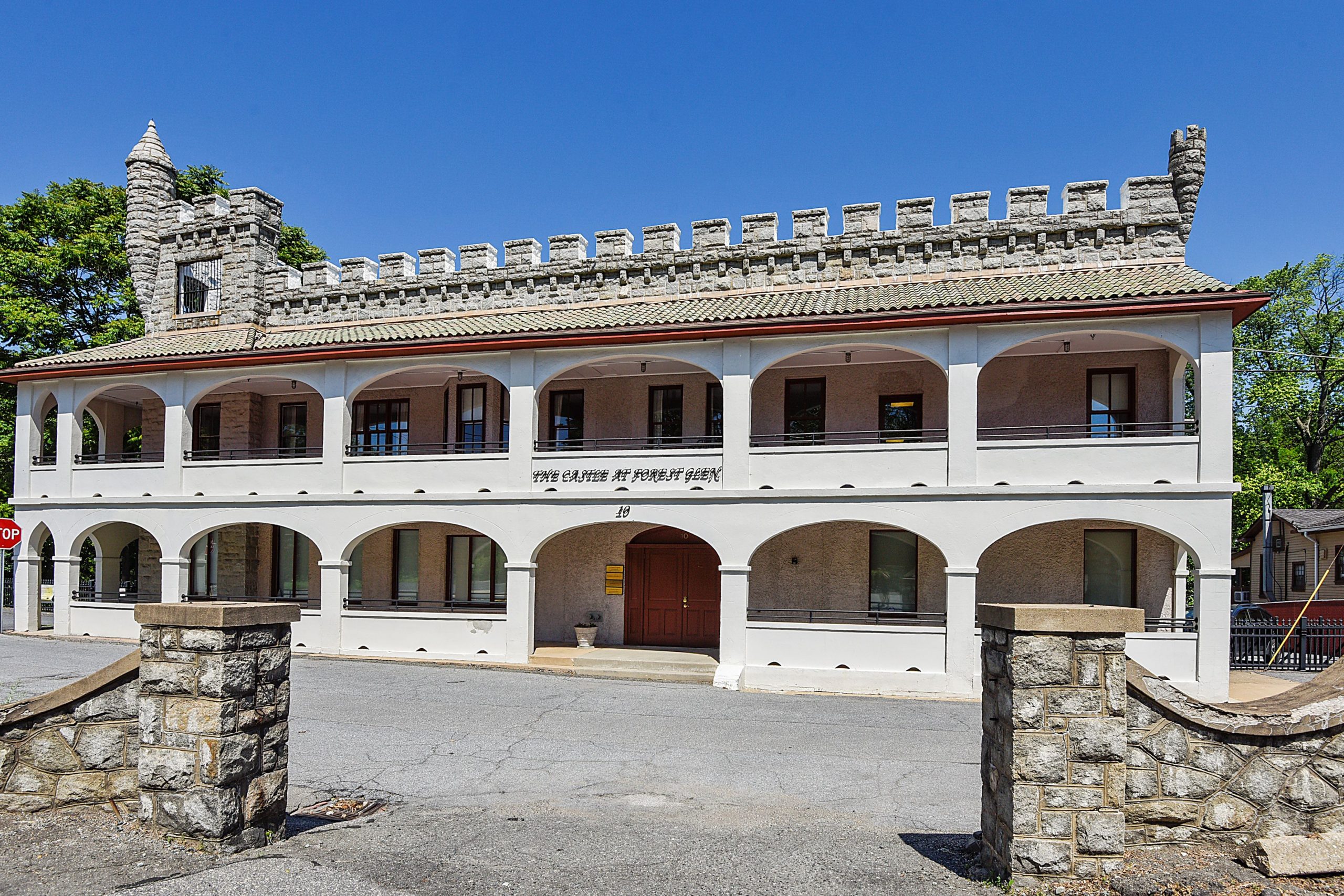
The Castle at 10 Post Office Road in Silver Spring is not a 19th-century folly. It is what a midnight furnace fire on April 24, 1922 left of the Forest Glen Trading Company, plus the granite a Pittsburgh oilman and the Seminary president bolted on top.