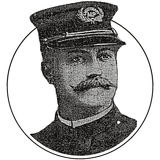

1980s
The 1980s were a tale of two Washingtons. The corridors of power hummed with Reagan-era confidence, while the crack epidemic devastated neighborhoods across the city. Mayor Marion Barry dominated local politics throughout the decade, and the question of what kind of city DC would become hung over every block.
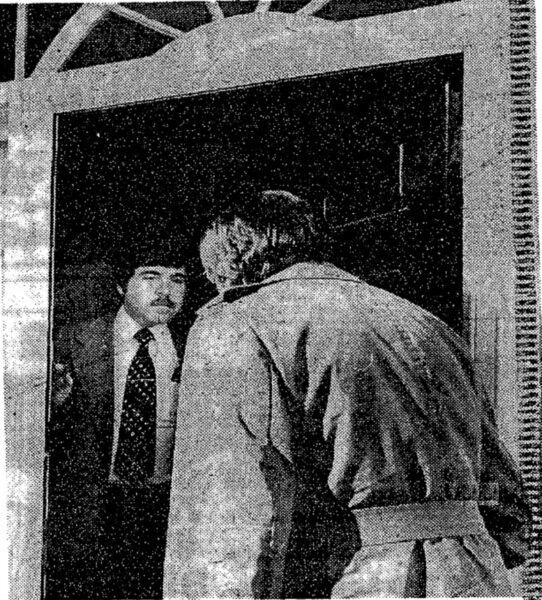
A Washington Post reporter rented his house off Foxhall Road in 1978. His tenant was the FBI, and the basement became the Washington set for Abscam.
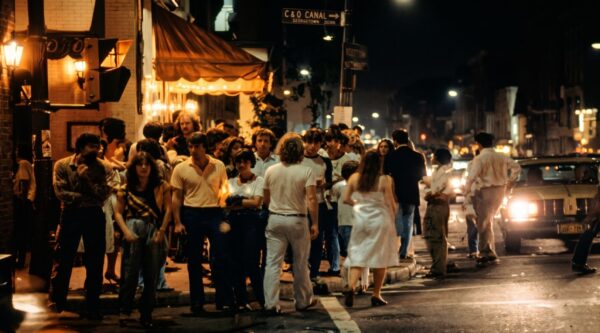
Until September 1986, any 18-year-old could legally buy beer and wine in Washington, DC, and Georgetown drew young drinkers from Maryland and Virginia. Then came a fatal Beltway crash and a 10 to 3 council vote.
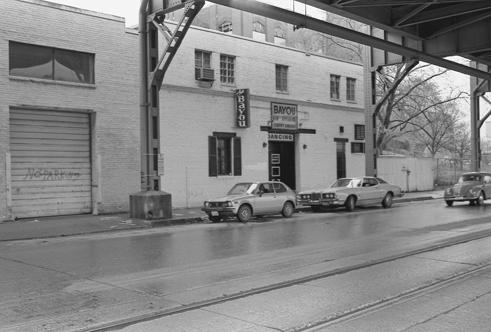
Forty-five years of Georgetown’s loudest room. The Bayou opened in 1953, closed in 1998, and put U2, Dave Matthews, and a whole DC scene through its doors.
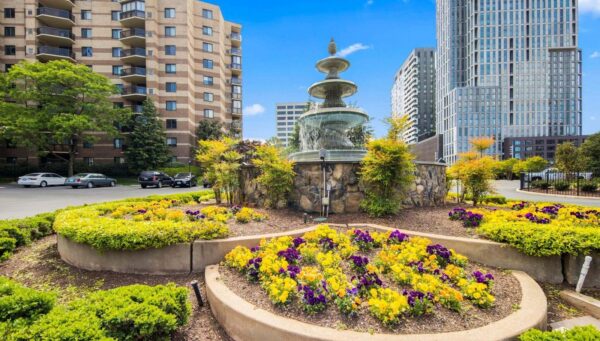
Five circular towers, 1,168 condominiums, and the man who built the Watergate built them too. The story of The Rotonda in McLean.
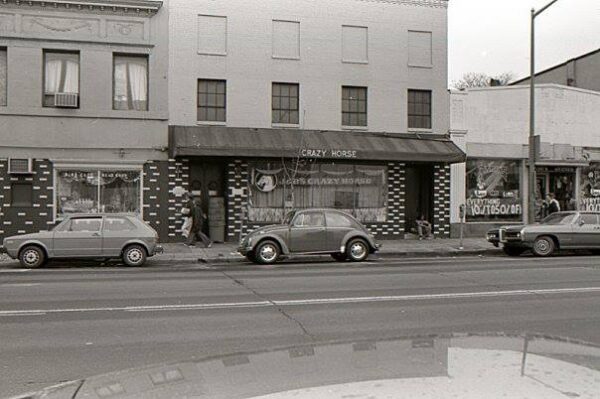
In 1985, the Crazy Horse at 3259 M Street went through more than 300 cases of beer a week, with eight bouncers on weekends.
Lost Washington stories, in your inbox.
The newest story, plus a few from the archive.
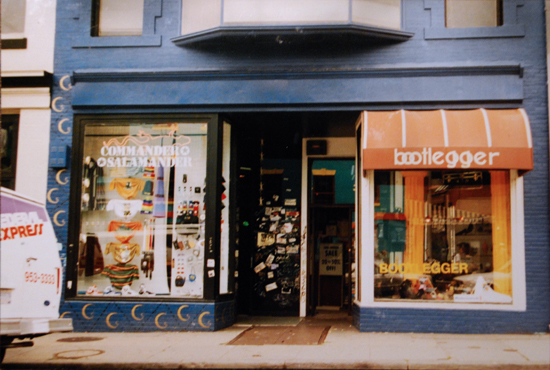
Before Commander Salamander made Georgetown punk, 1420 Wisconsin Avenue was a 1909 store and a quiet antique shop. The wild history of one storefront.
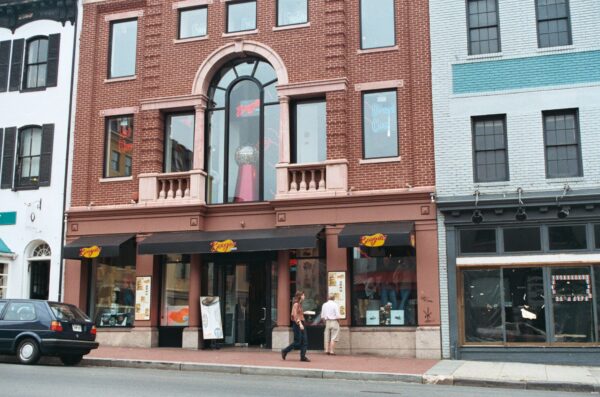
The building at 1229 Wisconsin Ave NW in Georgetown has a history that predates Apple. Here is the full story of one of DC’s most distinctive retail spaces.
Before Blockbuster, the DC area had Erol’s Video Club. Turkish immigrant Erol Onaran arrived in 1960 with $16, opened a Georgetown TV shop in 1963, started renting tapes in 1980, and built the largest privately owned video chain in America before selling to Blockbuster for $40 million in 1990.
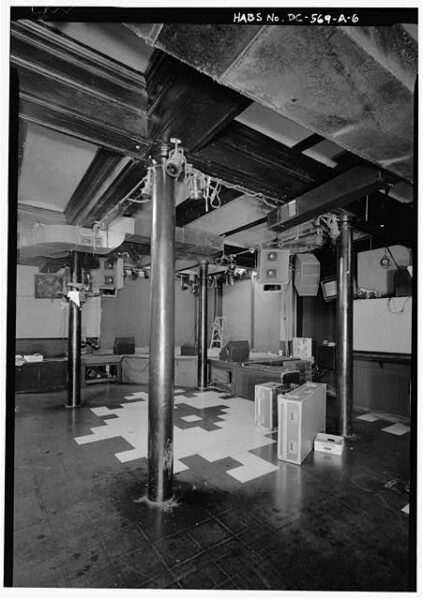
The original 9:30 Club occupied a former safe deposit room in an 1888 office building. Upstairs, the Atlantic Building had hosted civic meetings and federal workers long before bands loaded in through the back alley.

Six spires of Alabama marble, 288 feet tall. The Washington DC Mormon Temple was finished in 1974 near Kensington, Maryland, for $15 million.
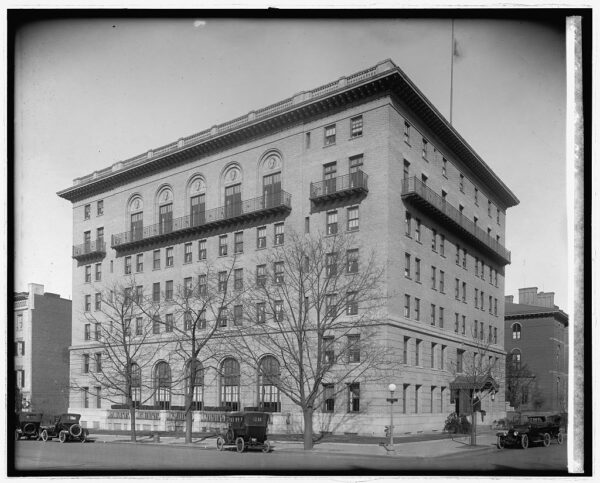
The Army and Navy Club has held the corner of 17th and I Streets NW since 1891, in a building that opened in 1912. In 1987 Shalom Baranes gutted everything behind that facade. The facade survived. Almost nothing else did.

The McLean family’s Friendship estate gave way to housing for World War II workers. Those apartments became part of McLean Gardens.
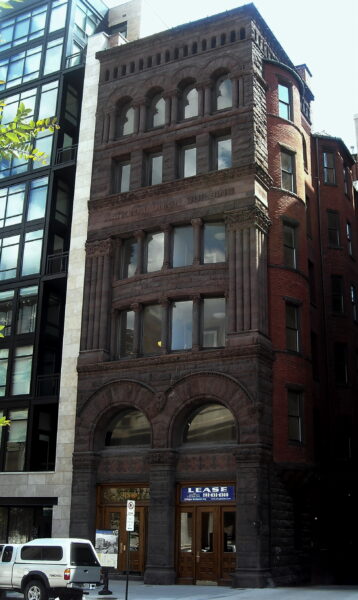
918 F Street has held Civil War generals, a $30,000 diamond heist, the city’s biggest gambling raid, and a unicorn that hit zero.

A few minutes before 3 a.m. on November 10, 1984, the dancers at Benny’s Home of the Porno Stars took the stage for the last time. By daybreak, the landlord was pulling down the awning.

The bridge at Calvert Street over Rock Creek opened to a 30,000-person parade on December 19, 1935. Renamed for Ellington in 1974.
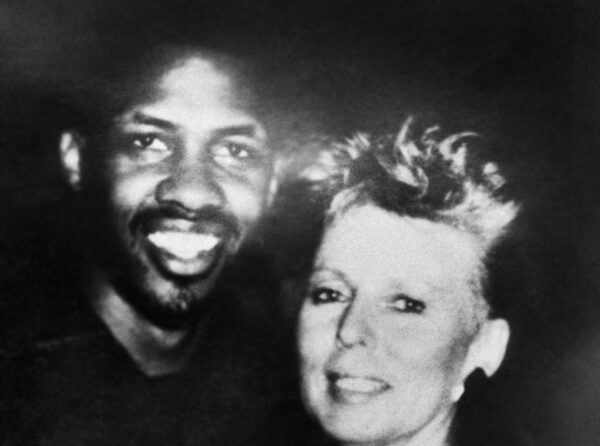
Rayful Edmond III ran a DC crack cocaine empire bringing in $2 million a week before his 1989 arrest. Released in July 2024, he died in December 2024 at 60.
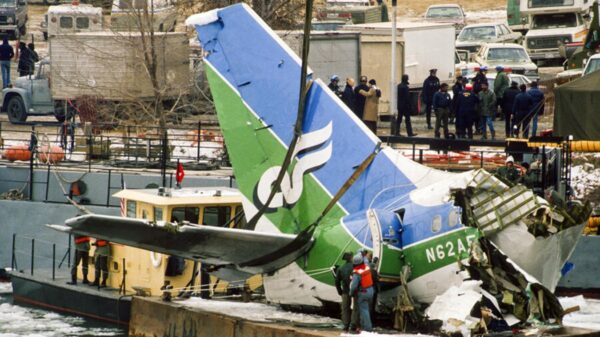
On January 13, 1982, Air Florida Flight 90 struck the 14th Street Bridge and fell into the icy Potomac as rescuers struggled to reach survivors.
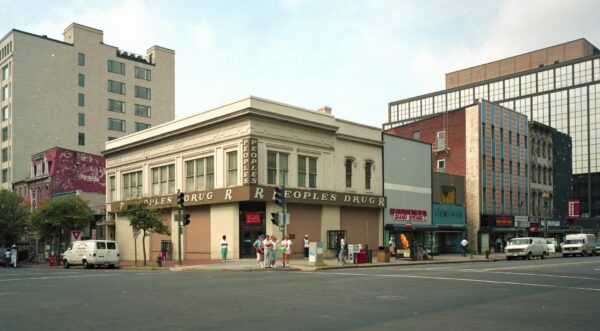
Peoples Drug was DC’s beloved pharmacy chain for over 80 years, from its first store at 824 7th St. NW in 1905 to CVS’s acquisition in 1990.

This Library of Congress photograph shows the waterfowl sanctuary near Gravelly Point from the air.

The Willard Hotel closed without warning in 1968 and sat empty for 18 years. How a $73 million renovation saved one of Washington’s most historic buildings.