
The 1977 Hanafi Siege: 39 Hours That Held Washington Hostage
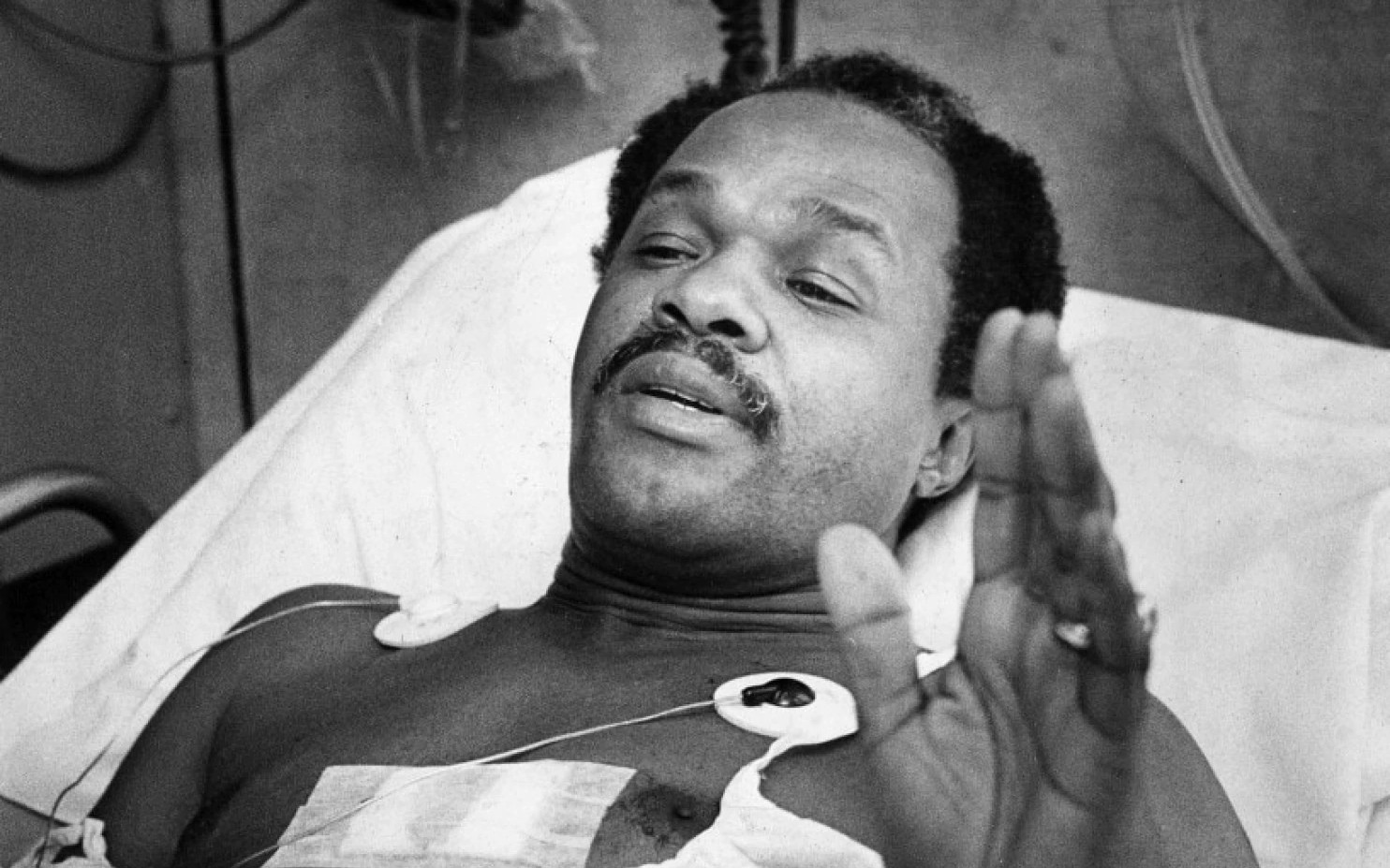
A radio reporter stepped off an elevator on the fifth floor of the District Building and into a shotgun blast. The councilman down the hall was hit too.
Washington in the 1970s was a city reinventing itself. Home rule arrived in 1973, giving DC its first elected mayor. Metro opened in 1976, remaking how the region moved. Watergate consumed the political establishment for two years. And neighborhoods that had been devastated by the 1968 riots slowly started to find their footing again.
A radio reporter stepped off an elevator on the fifth floor of the District Building and into a shotgun blast. The councilman down the hall was hit too.
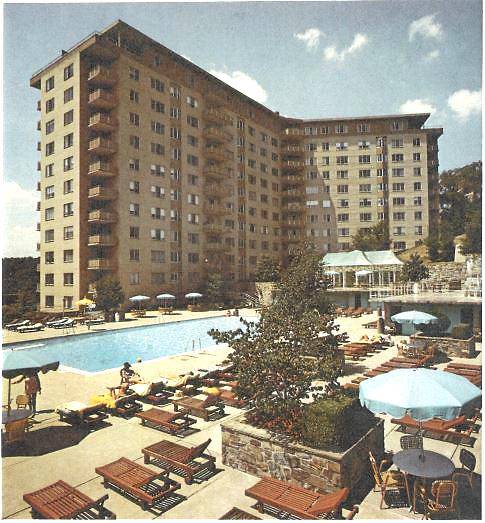
Four senators, a former Supreme Court Justice, and the Carter White House all lived in the same Glover Park high-rise. Reader tip from Bob.
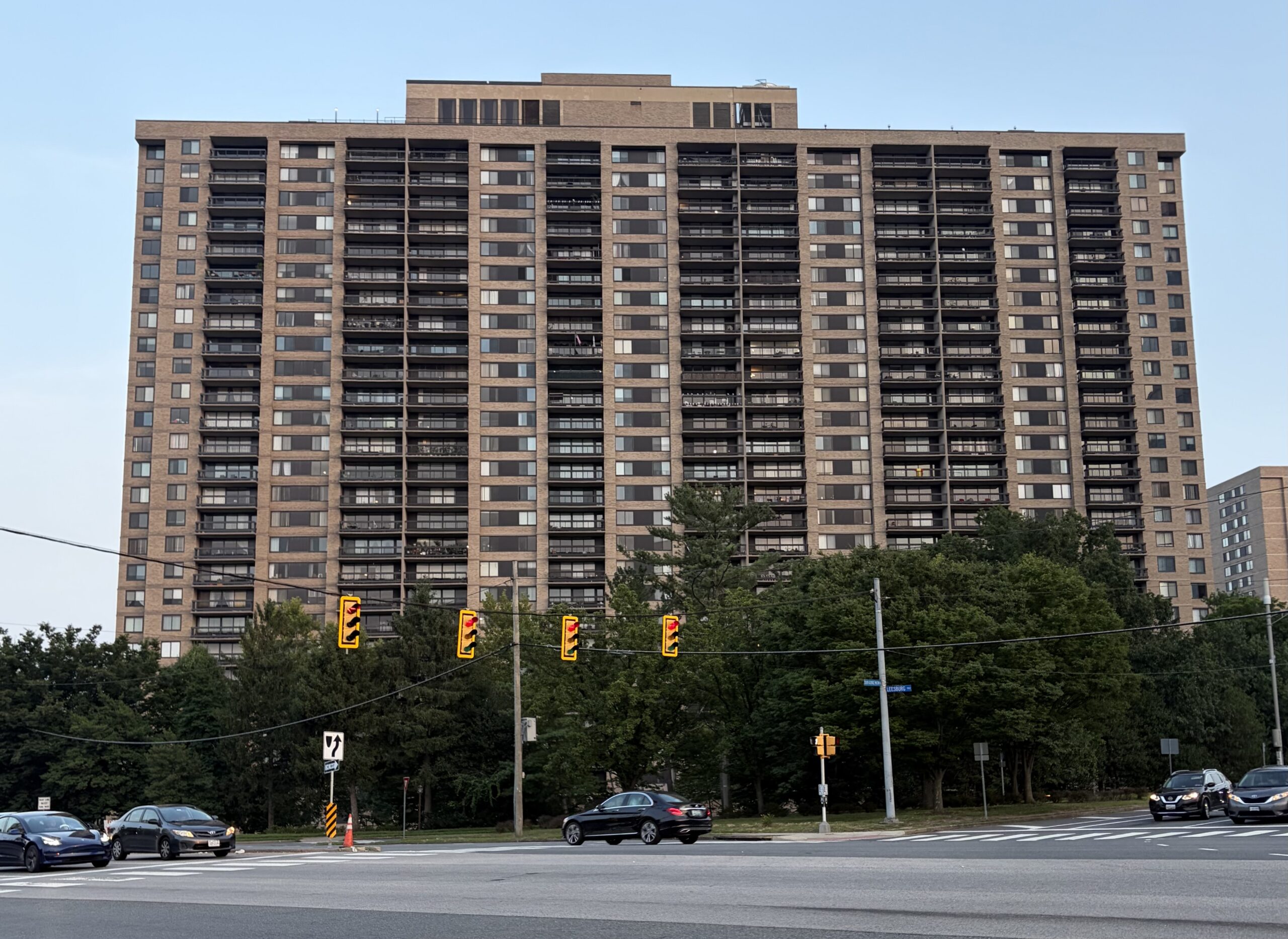
It is 2:18 p.m. on Friday, March 2, 1973. The top floors of a 26-story apartment tower under construction at Bailey’s Crossroads are about to fall floor by floor. Fourteen of the men working there will not go home.
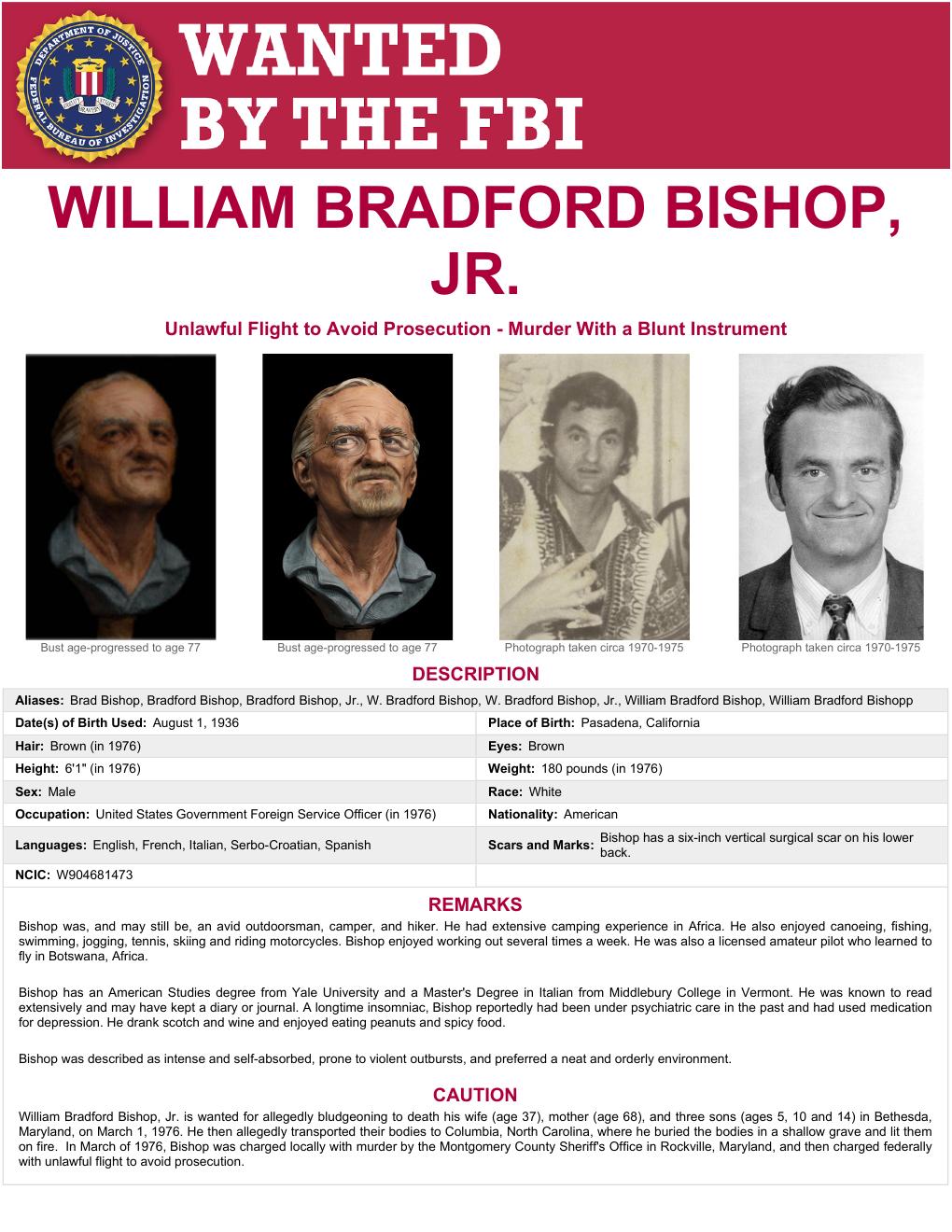
On March 1, 1976, a Foreign Service officer killed his family in their Carderock Springs home and vanished. The manhunt, now 50 years old, is still open.
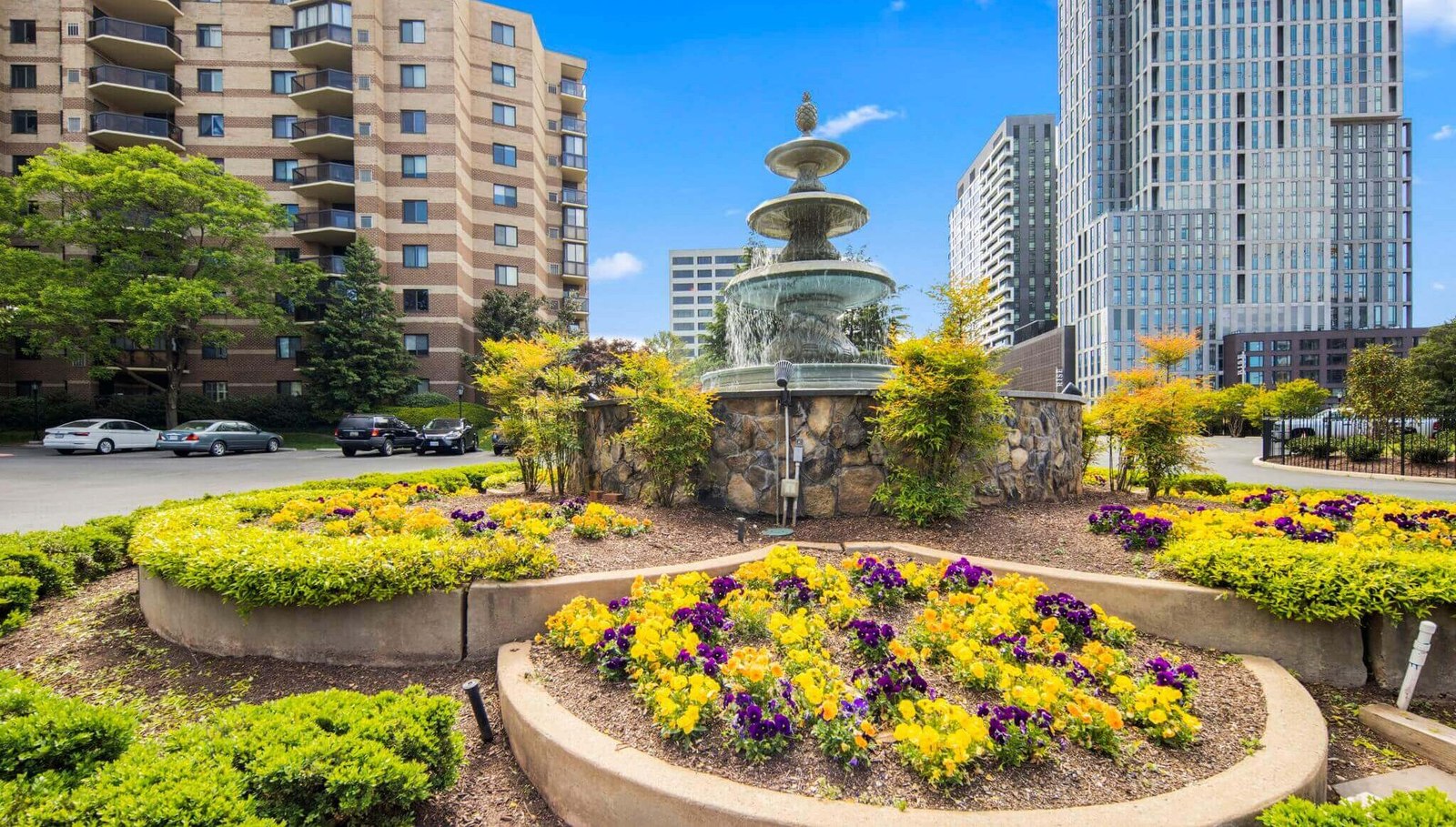
Five circular towers, 1,168 condominiums, and the man who built the Watergate built them too. The story of The Rotonda in McLean.
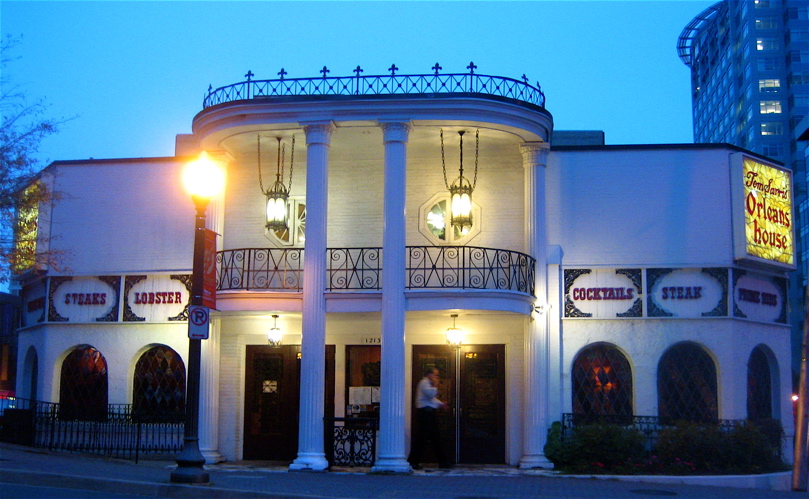
For 43 years, Tom Sarris’ Orleans House held the corner of Wilson and Lynn in Rosslyn, complete with iron balconies and a steamboat salad bar.
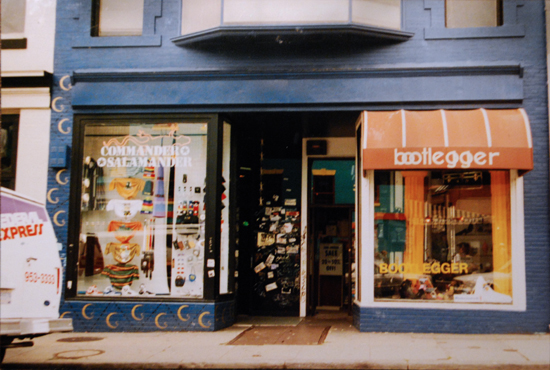
Before Commander Salamander made Georgetown punk, 1420 Wisconsin Avenue was a 1909 store and a quiet antique shop. The wild history of one storefront.
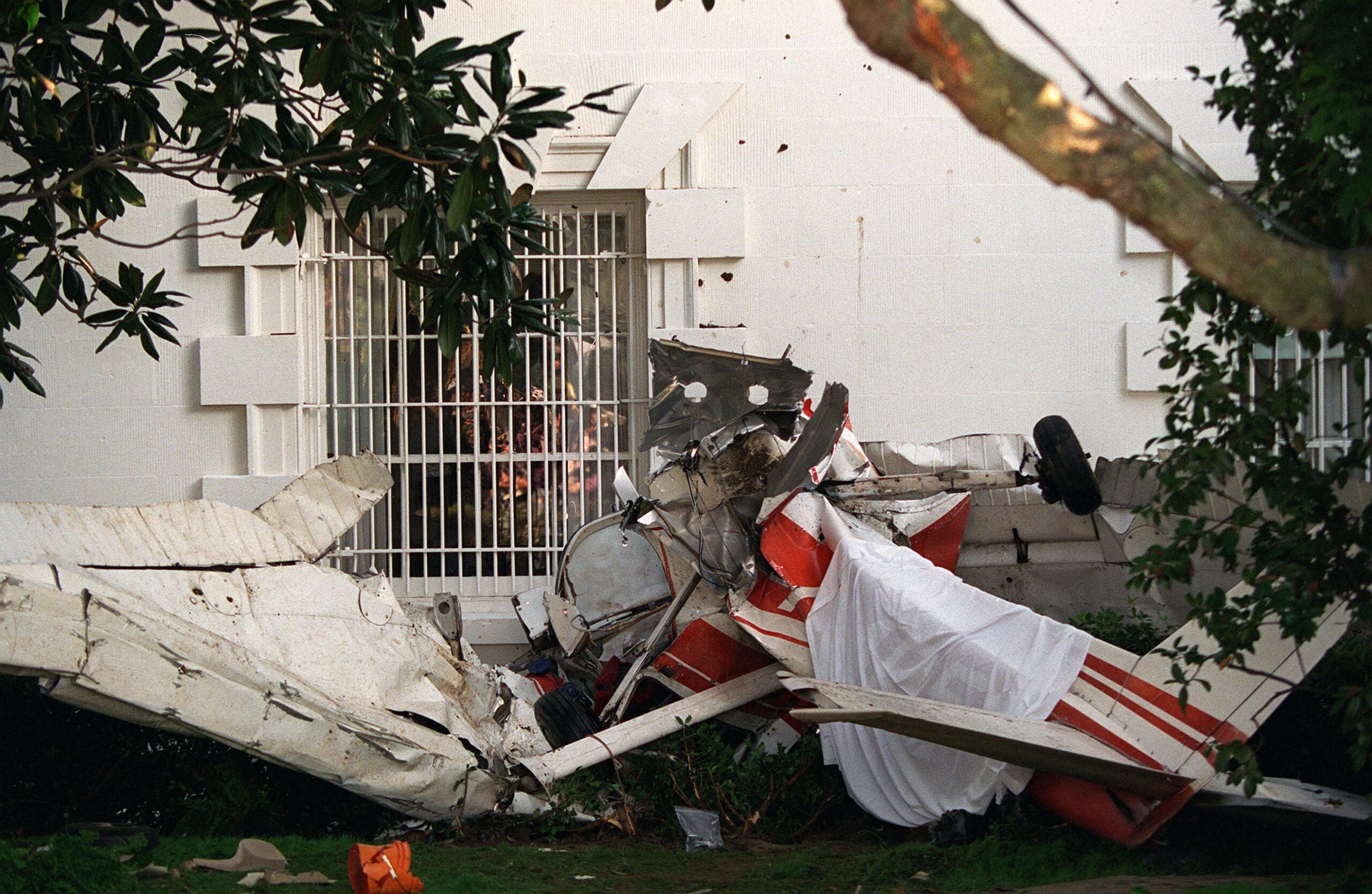
Twice in twenty years, someone climbed into a stolen aircraft and put it down on the White House South Lawn. In 1974 it was a 20-year-old Army private in a stolen Huey. In 1994 it was a depressed truck driver in a stolen Cessna. Both times, the president was away. Both times, the Secret Service had to rewrite the rules.
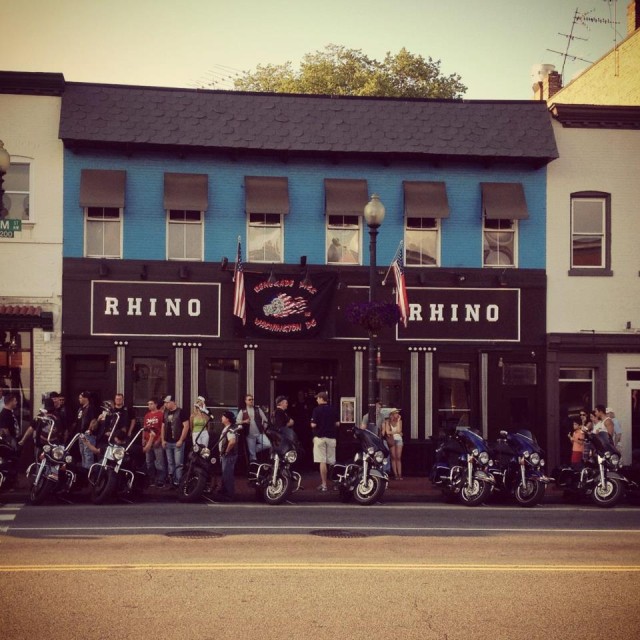
Three bars in 63 years at one Georgetown address: Shamrock 1952, Winston’s 1972, Rhino Bar 1998. The full arc of 3295 M Street NW before retail took it.