
The Bayou DC: 45 Years Under the Whitehurst Freeway
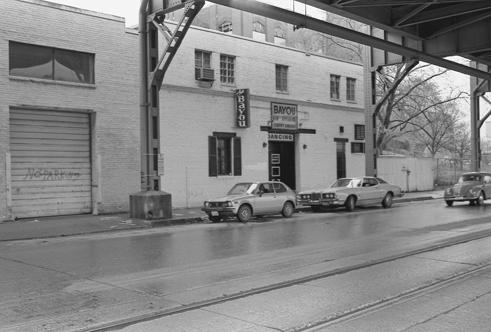
Forty-five years of Georgetown’s loudest room. The Bayou opened in 1953, closed in 1998, and put U2, Dave Matthews, and a whole DC scene through its doors.
Washington in the 1970s was a city reinventing itself. Home rule arrived in 1973, giving DC its first elected mayor. Metro opened in 1976, remaking how the region moved. Watergate consumed the political establishment for two years. And neighborhoods that had been devastated by the 1968 riots slowly started to find their footing again.
Forty-five years of Georgetown’s loudest room. The Bayou opened in 1953, closed in 1998, and put U2, Dave Matthews, and a whole DC scene through its doors.
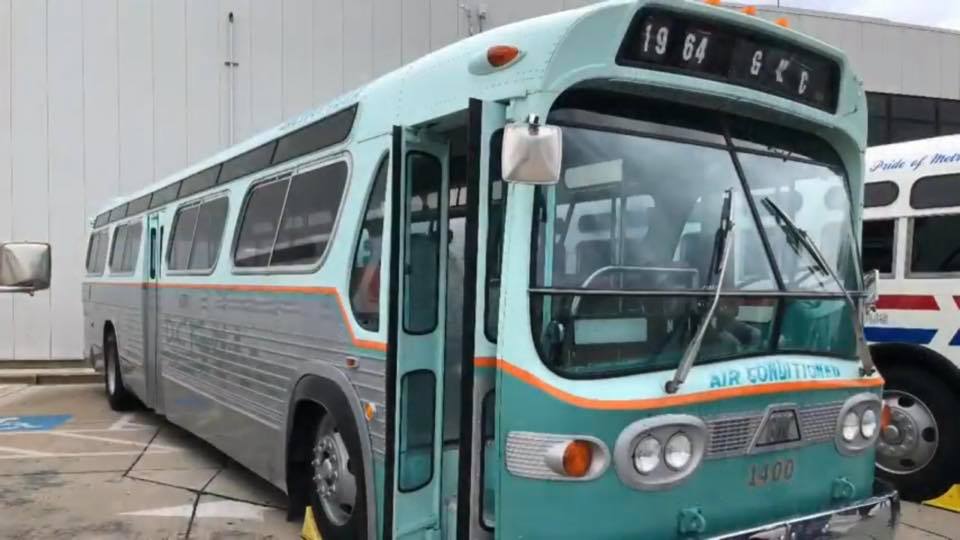
Just after 2 a.m. on January 14, 1973, WMATA condemned D.C. Transit and its suburban sister company out of existence. The owner was a New York lawyer named O. Roy Chalk, and he had run Washington’s bus system for sixteen and a half years.
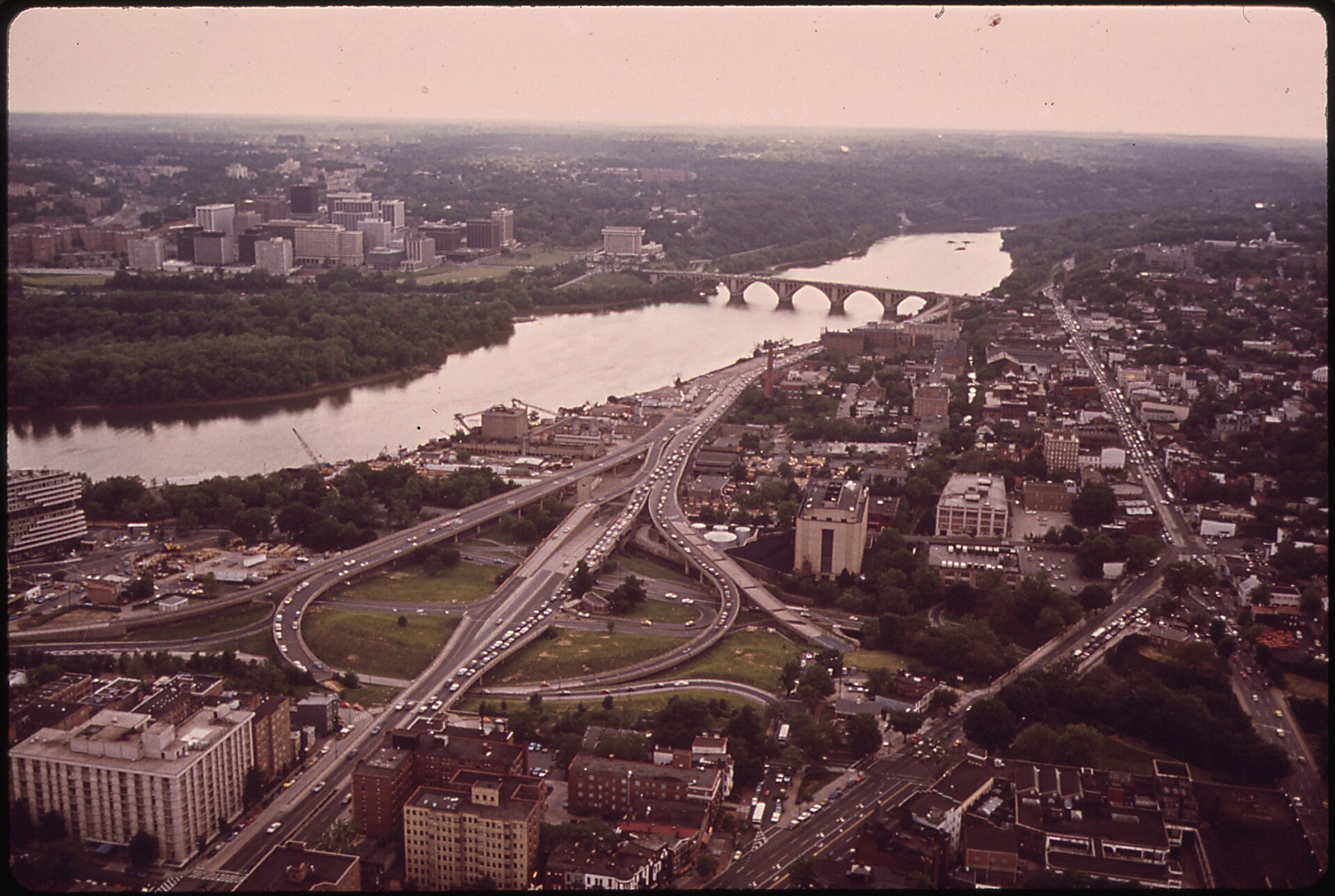
In April 1963, DC’s three appointed commissioners begged the federal government to build every freeway on the map: the Three Sisters Bridge, the Inner Loop, the East Leg, the North-Central. Almost none of it survived the decade.
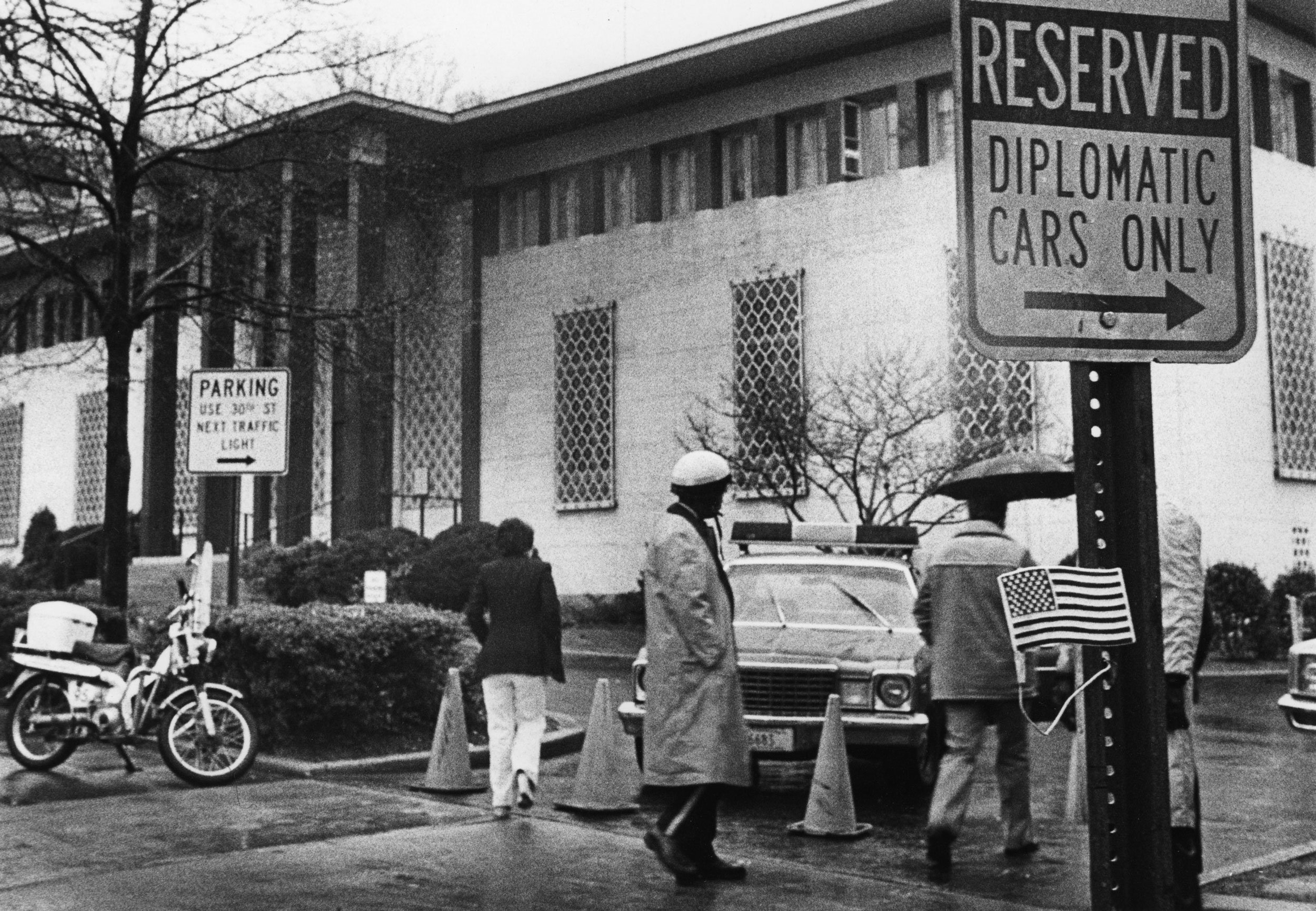
The buildings at 3003 and 3005 Massachusetts Avenue NW have been locked and silent for 46 years. Before the doors closed, they saw legendary parties, student protests, 4,000 bottles of champagne poured down the drain, and hundreds of riot police. This is the full story.

Just after midnight on October 18, 1970, a man in a white bunny suit threw a hatchet through a parked car’s window on Guinea Road in Fairfax County.

Explore the visionary plan for revitalizing Pennsylvania Avenue, blending history with modernity to reimagine “America’s Main Street” for the future.

In 1971, a dog named Ginger was found decapitated near Fletchertown Road in Bowie. Her owner blamed the Maryland Goatman.

Discover the origins of the Air and Space Museum in this historical journey – when was it built and how it became an iconic institution.
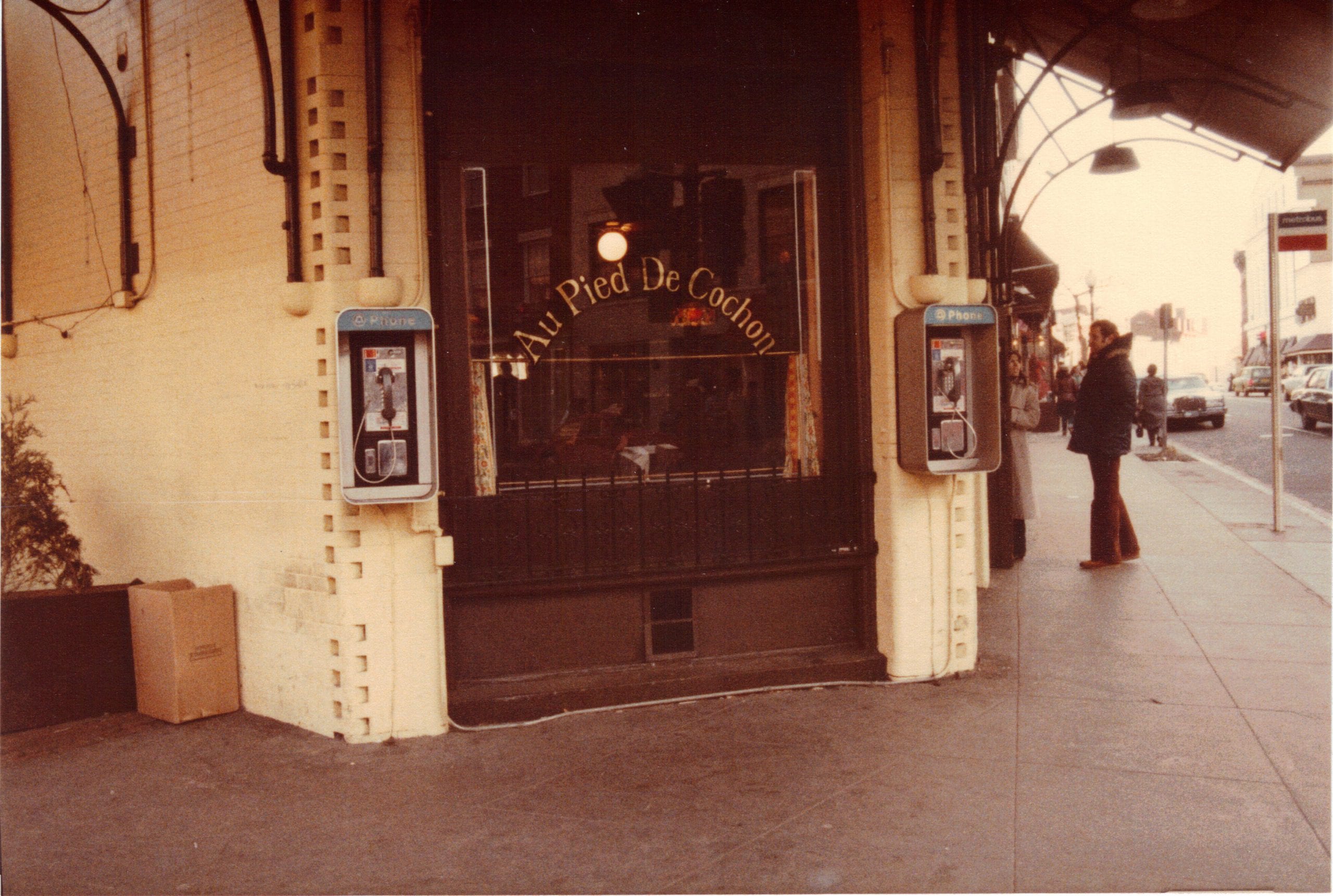
Au Pied de Cochon, a 24-hour French bistro at 1335 Wisconsin Avenue NW, hosted one of the Cold War’s strangest KGB defections in 1985.