Frank Lloyd Wright’s Crystal Heights: DC’s Lost Glass City
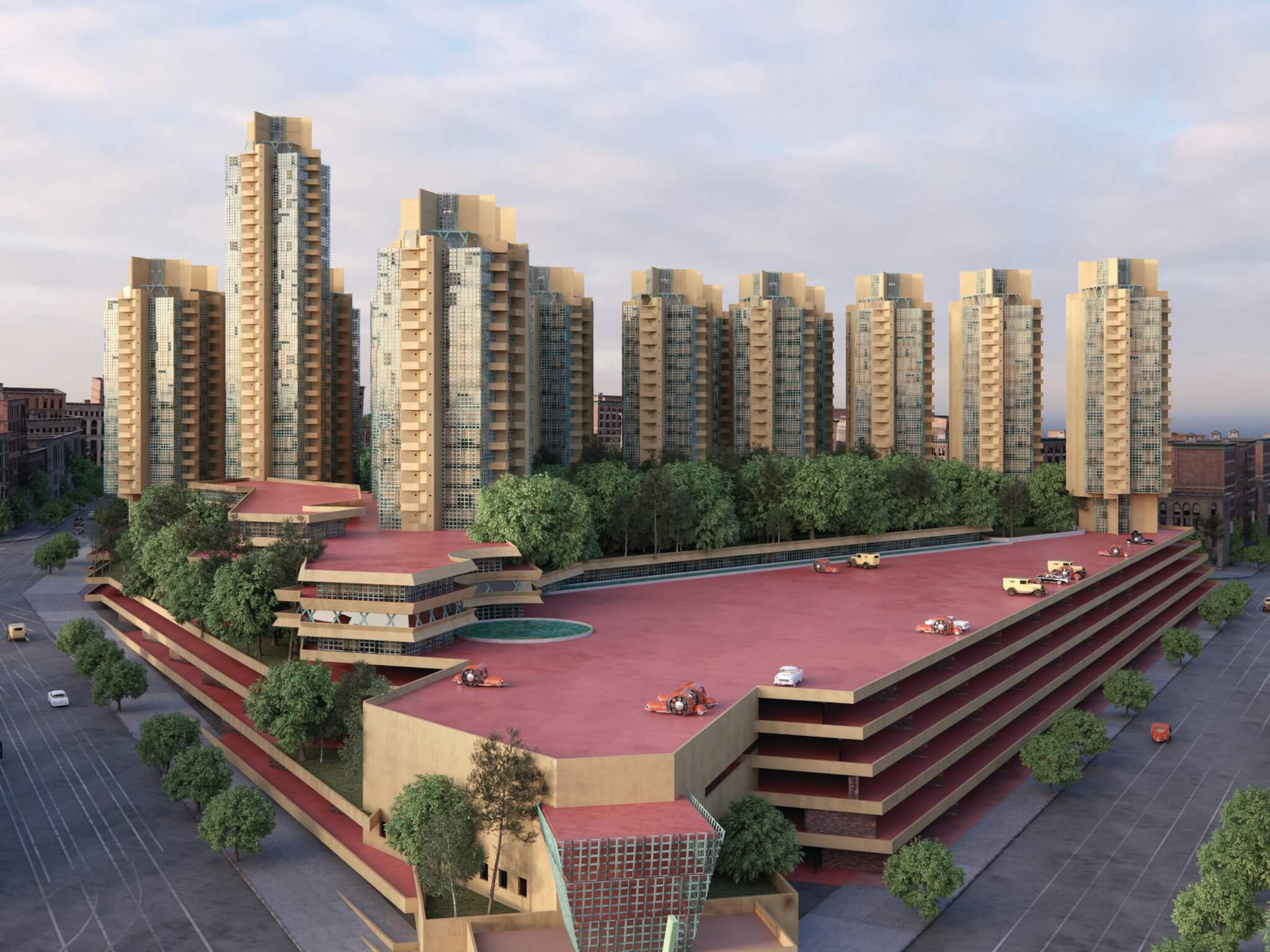
Frank Lloyd Wright drew Washington a glass city of twenty-one towers on a Connecticut Avenue hill. The height limit refused to let it rise.
Washington’s built environment is the product of grand ambitions, fierce debates, and brilliant (and sometimes terrible) ideas across more than two centuries. These posts dig into the buildings, architects, and design decisions that shaped the city we know today.
Frank Lloyd Wright drew Washington a glass city of twenty-one towers on a Connecticut Avenue hill. The height limit refused to let it rise.
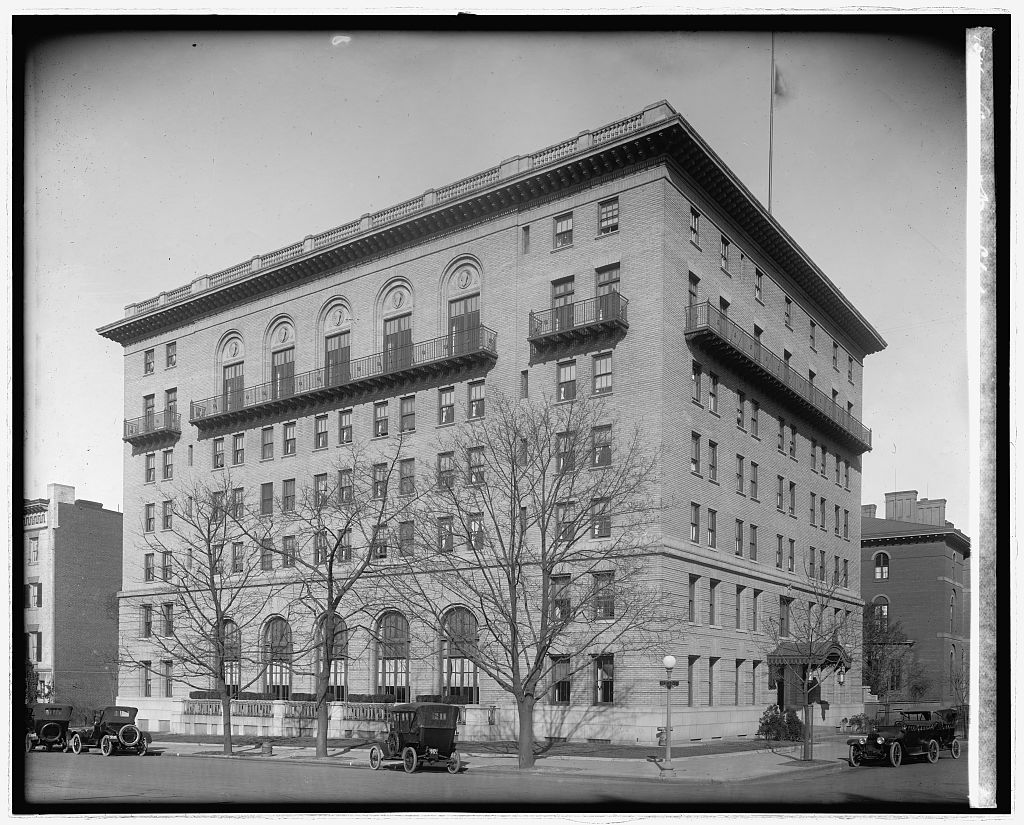
The Army and Navy Club has held the corner of 17th and I Streets NW since 1891, in a building that opened in 1912. In 1987 Shalom Baranes gutted everything behind that facade. The facade survived. Almost nothing else did.
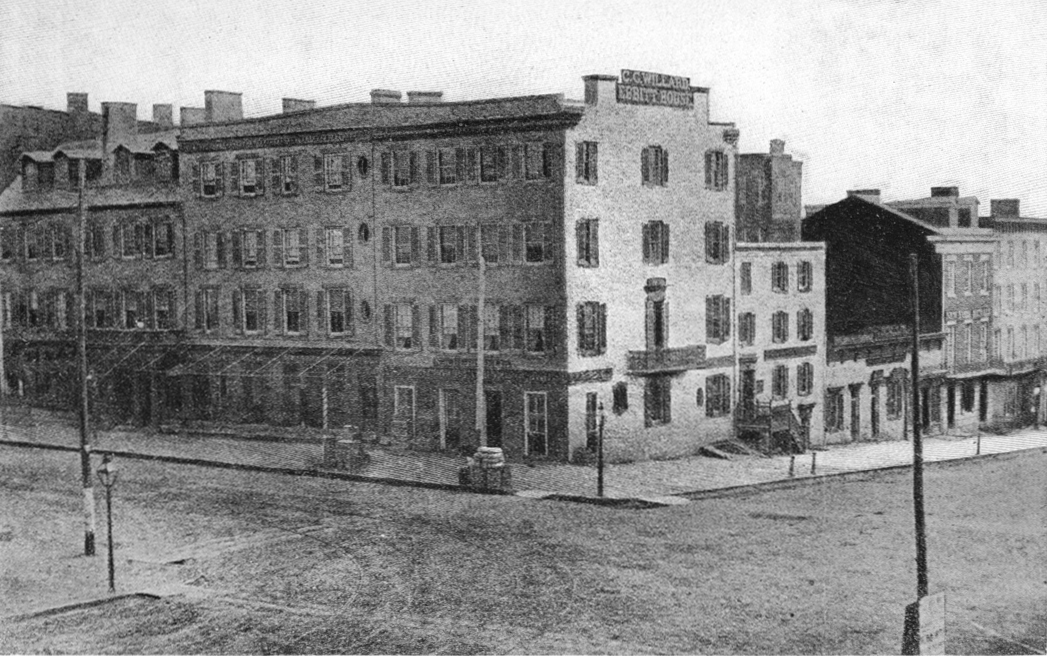
Three Willard brothers ran the Willard Hotel on Pennsylvania Avenue. The fourth, Caleb, ran a hotel just as big a block away. He just had the misfortune of calling it the Ebbitt House.
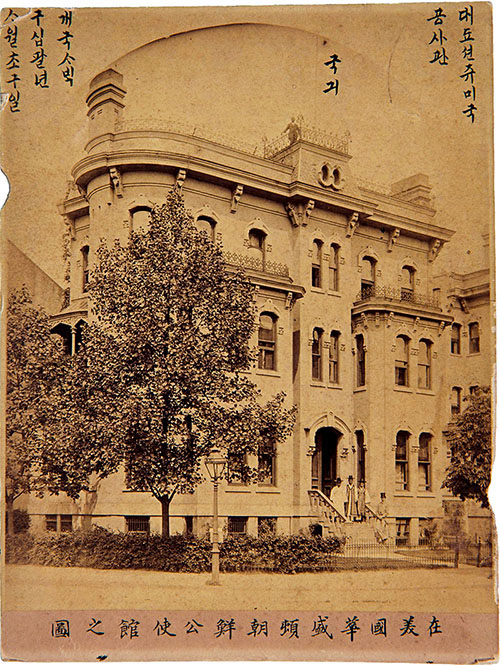
In 1891, King Gojong paid $25,000 for a Victorian townhouse on Iowa Circle to house Joseon’s first mission to the United States. Nineteen years later, after Japan forced the protectorate, the empire sold the building for five dollars. Korea bought it back in 2012 for $3.5 million. The museum opened in 2018.
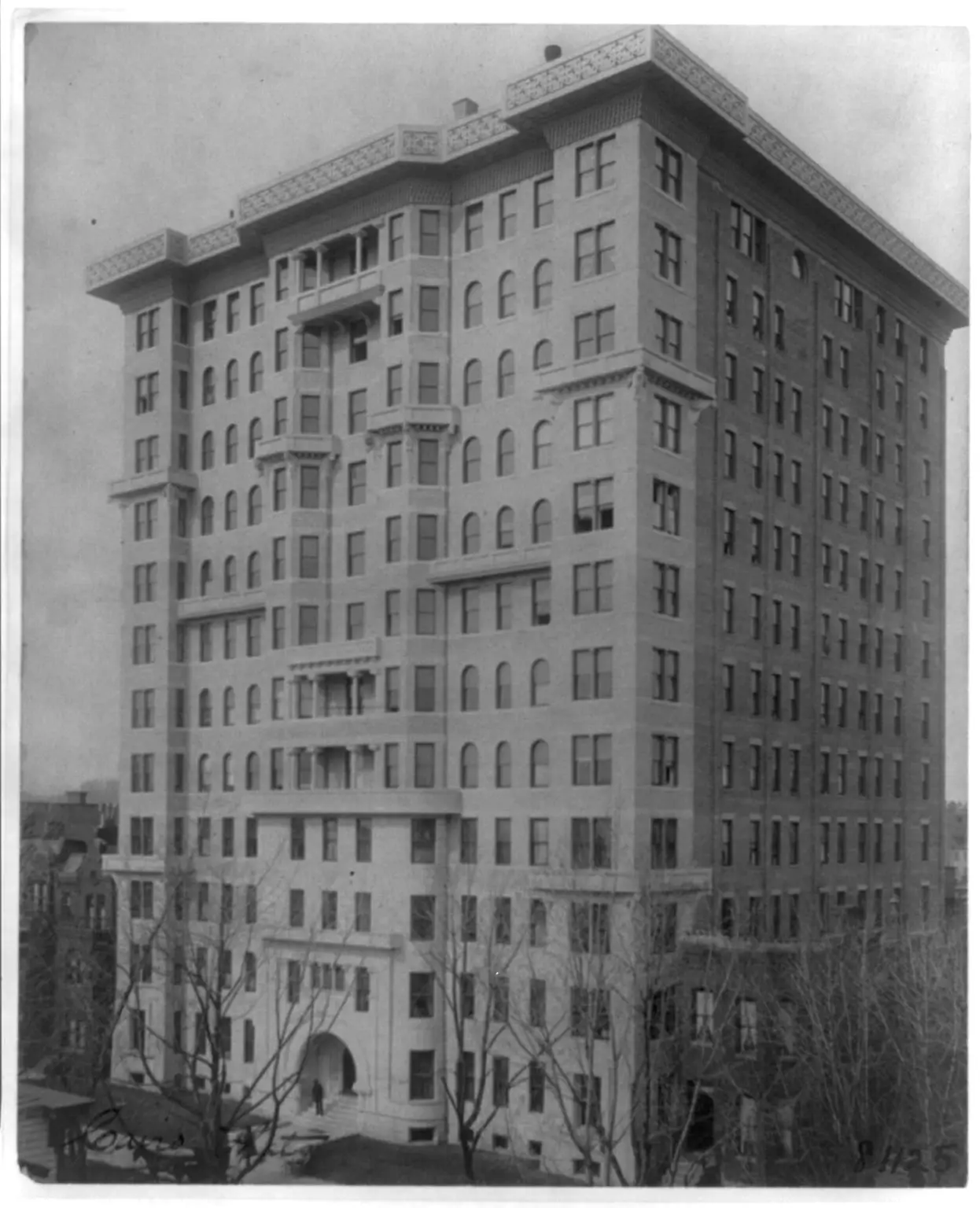
A 35-year-old architect built 164 feet of Moorish-fantasy hotel into a Dupont rowhouse block. Congress hated it so much it made a law.
The congregation built pews dedicated to Generals Grant and Lee, in the same sanctuary, five years after the war ended.
A four-year-old cut the ribbon on the Whitehurst Freeway on October 8, 1949. It was Washington’s first elevated highway.
The stone arches near the Kennedy Center are the Godey Lime Kilns, Washington’s last 19th-century industrial ruin.
In 1807, two brothers named Andrew and George Way opened a glass factory on the Potomac, where the Lincoln Memorial stands today.