
The Godey Lime Kilns: Washington D.C.’s Forgotten Industrial Relic
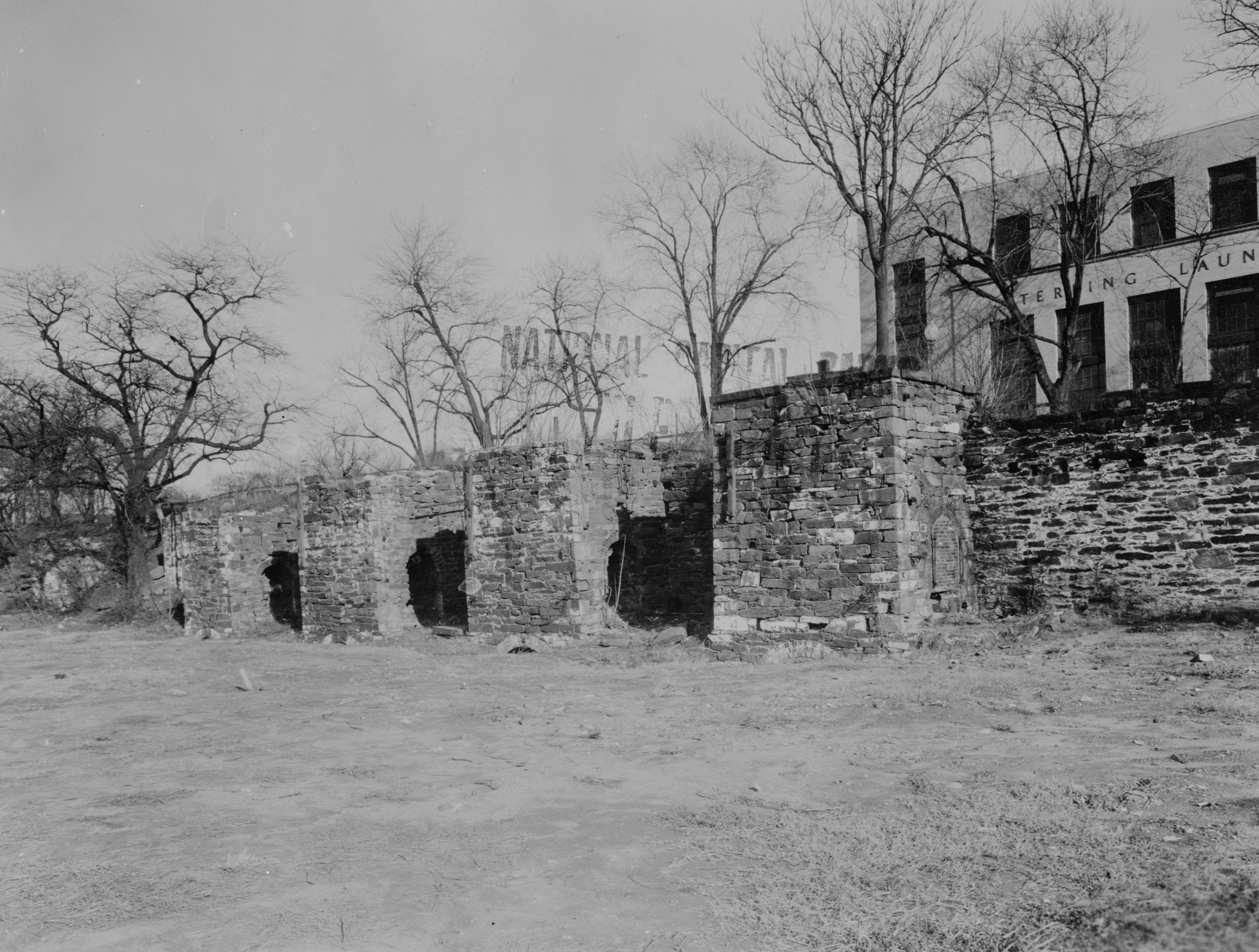
The stone arches near the Kennedy Center are the Godey Lime Kilns, Washington’s last 19th-century industrial ruin.
Washington’s built environment is the product of grand ambitions, fierce debates, and brilliant (and sometimes terrible) ideas across more than two centuries. These posts dig into the buildings, architects, and design decisions that shaped the city we know today.
The stone arches near the Kennedy Center are the Godey Lime Kilns, Washington’s last 19th-century industrial ruin.
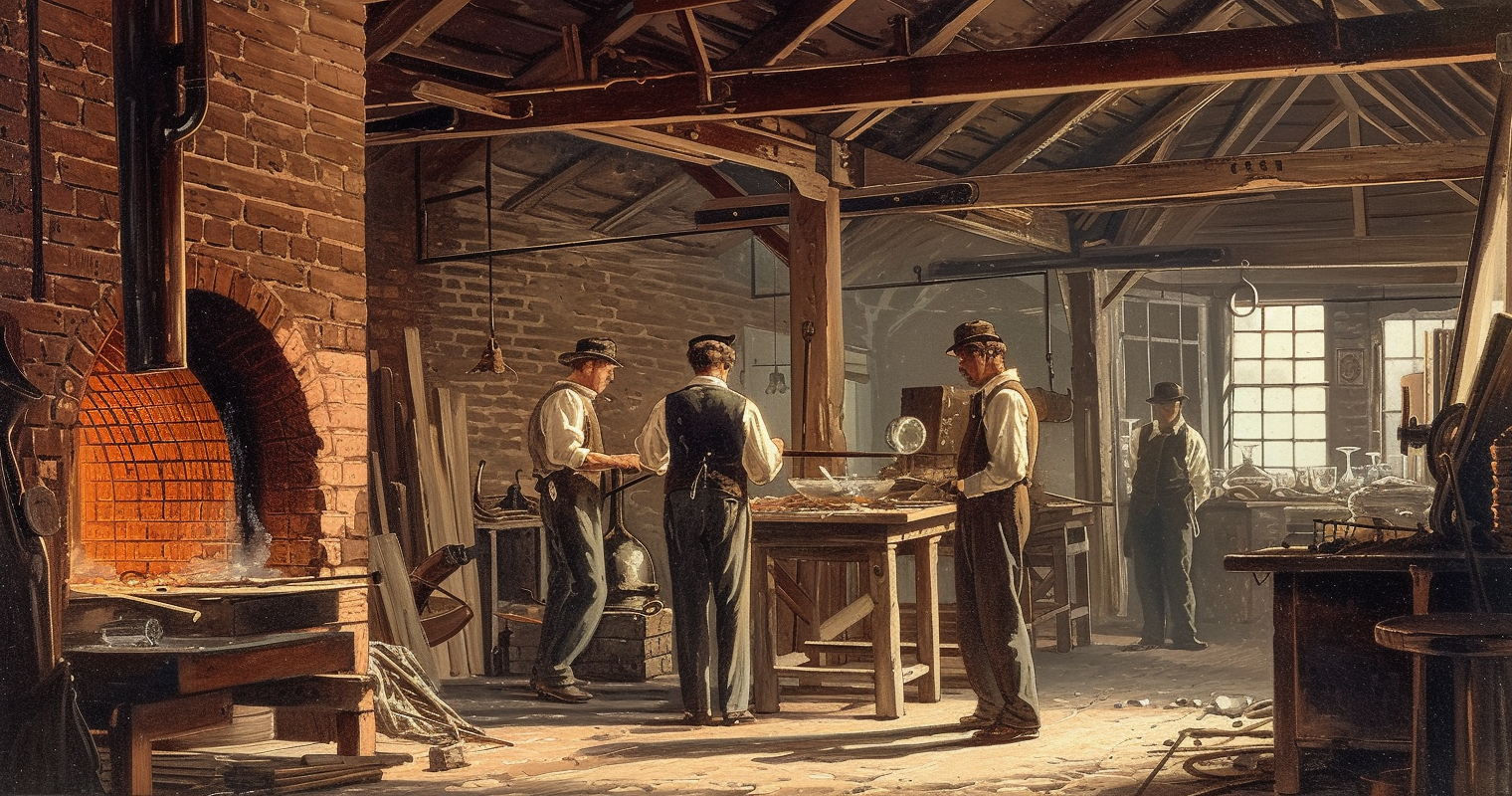
In 1807, two brothers named Andrew and George Way opened a glass factory on the Potomac, where the Lincoln Memorial stands today.
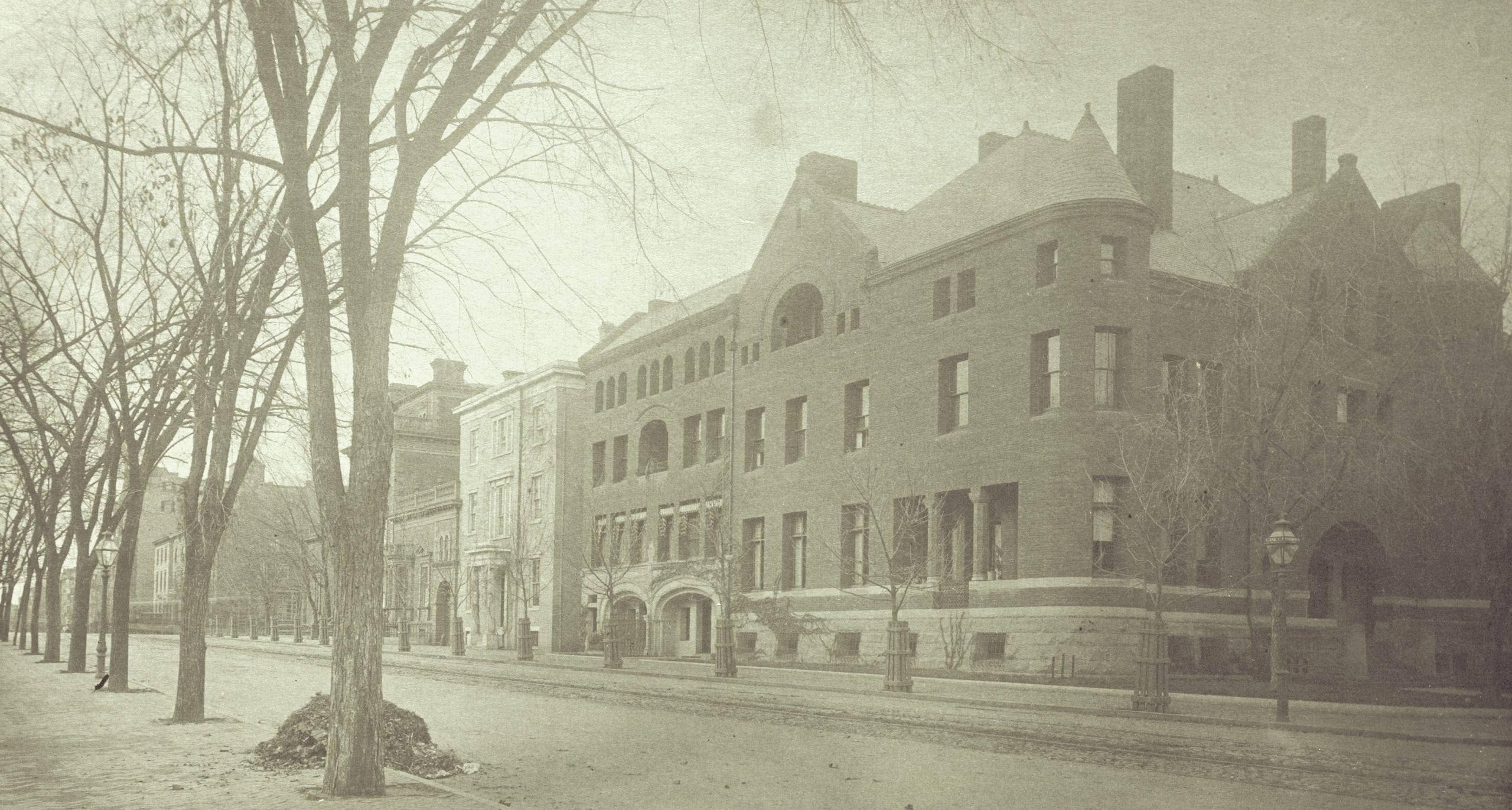
Before the Hay-Adams Hotel went up in 1928, the lot held the homes of John Hay, Lincoln’s secretary, and the writer Henry Adams.
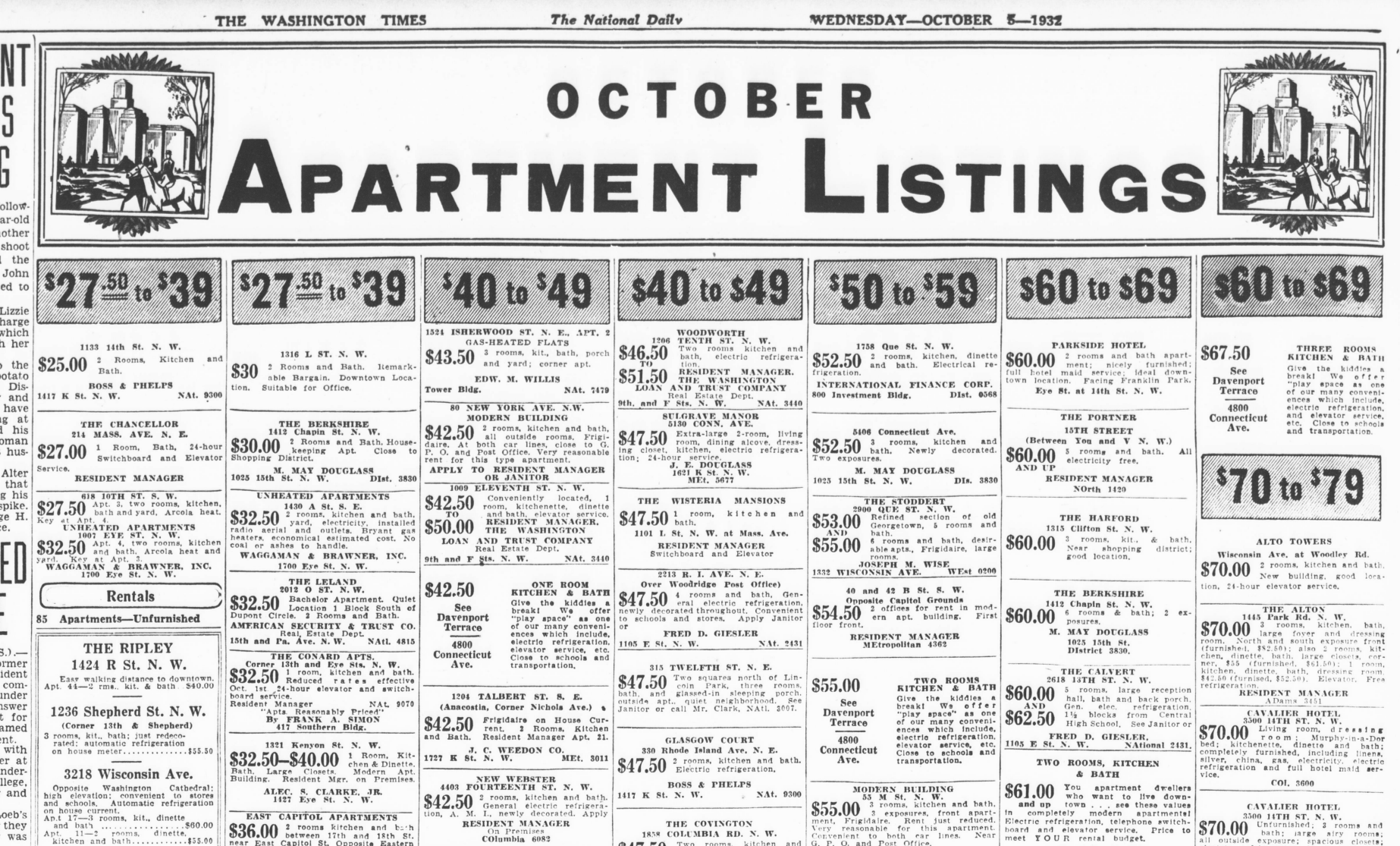
Delve into 1930s Washington D.C. apartment listings and discover how the Great Depression and the presidential campaign influenced living conditions. Explore affordable rents, modern amenities, and the challenges faced by residents in this historic era.
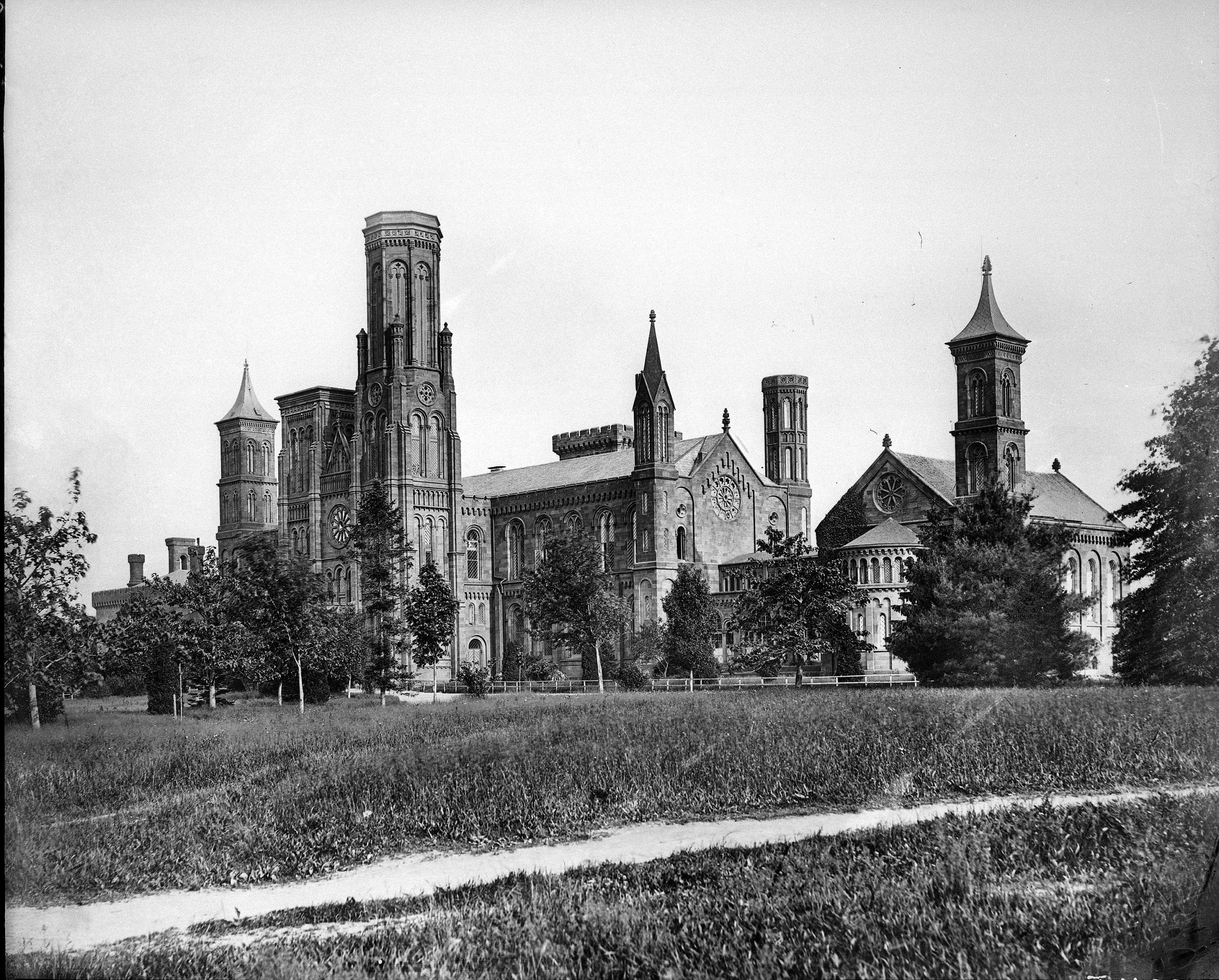
A photograph of the Smithsonian Castle taken around 1867, just two years after the Civil War ended. The red sandstone building was barely a decade old.
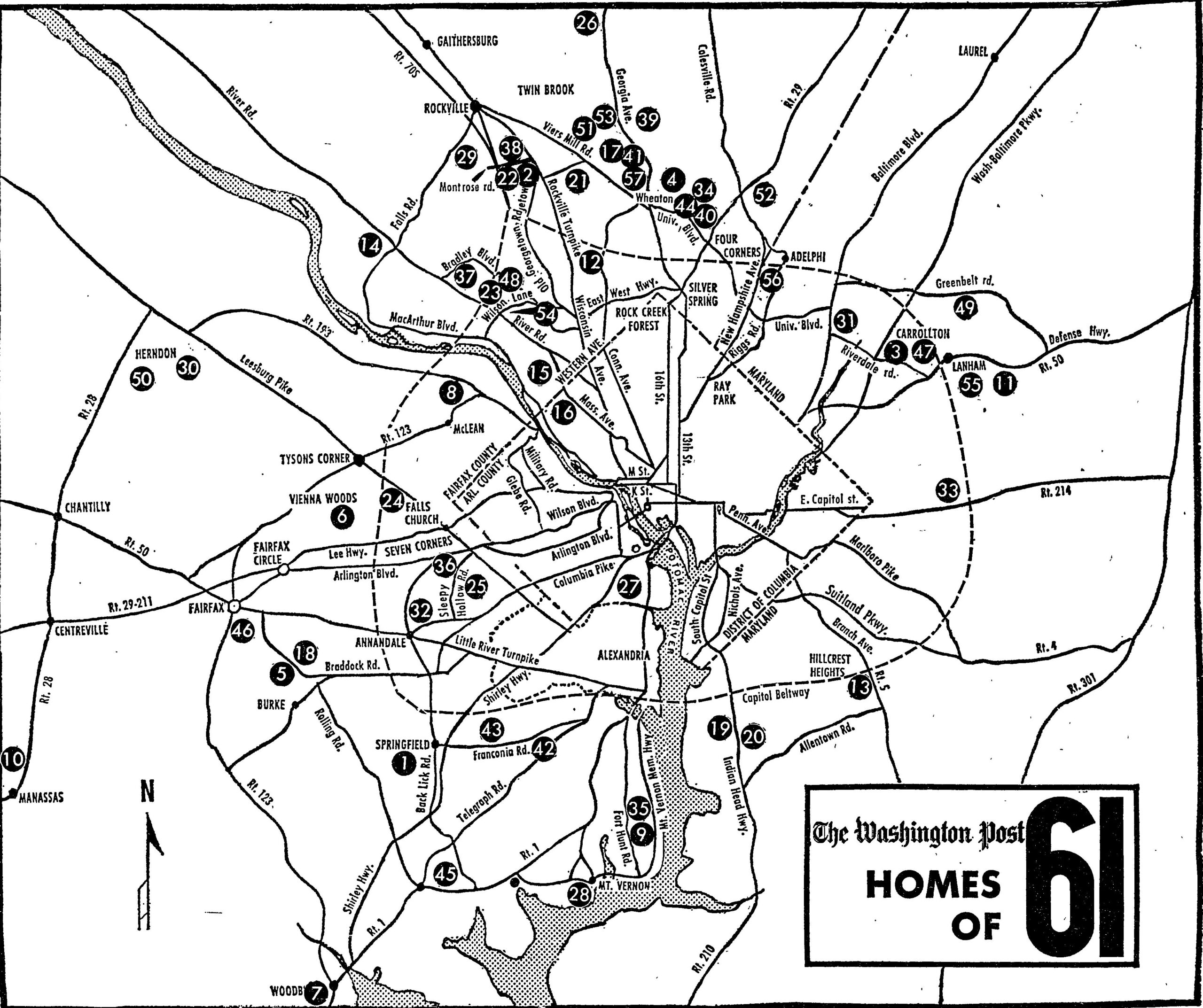
A 1961 Washington Post map plots every real estate subdivision ringing the city, capturing the postwar suburban explosion in Maryland and Virginia.
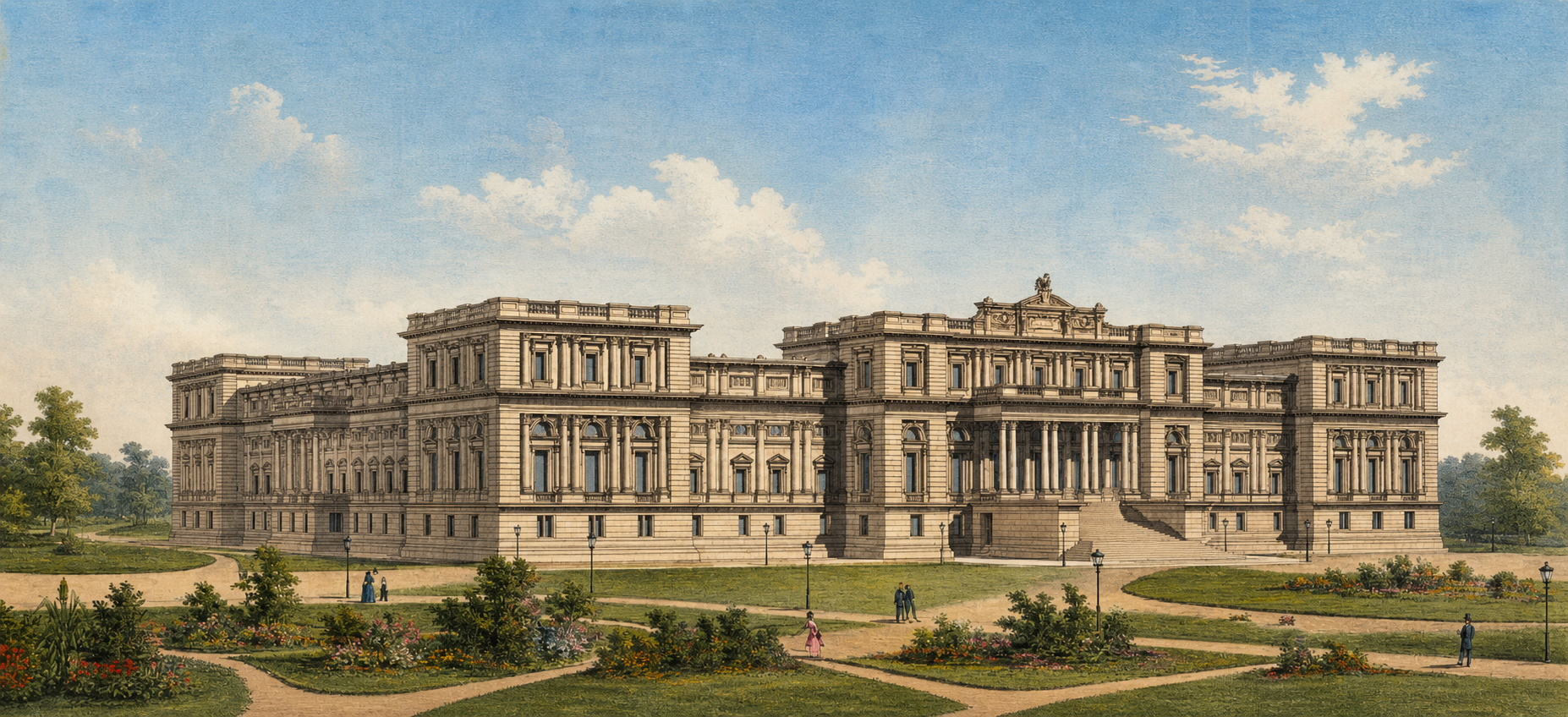
John Smithmeyer and Paul Pelz won the design competition in 1873. They spent 13 years redesigning it. Then Congress fired them. Here’s what happened next.
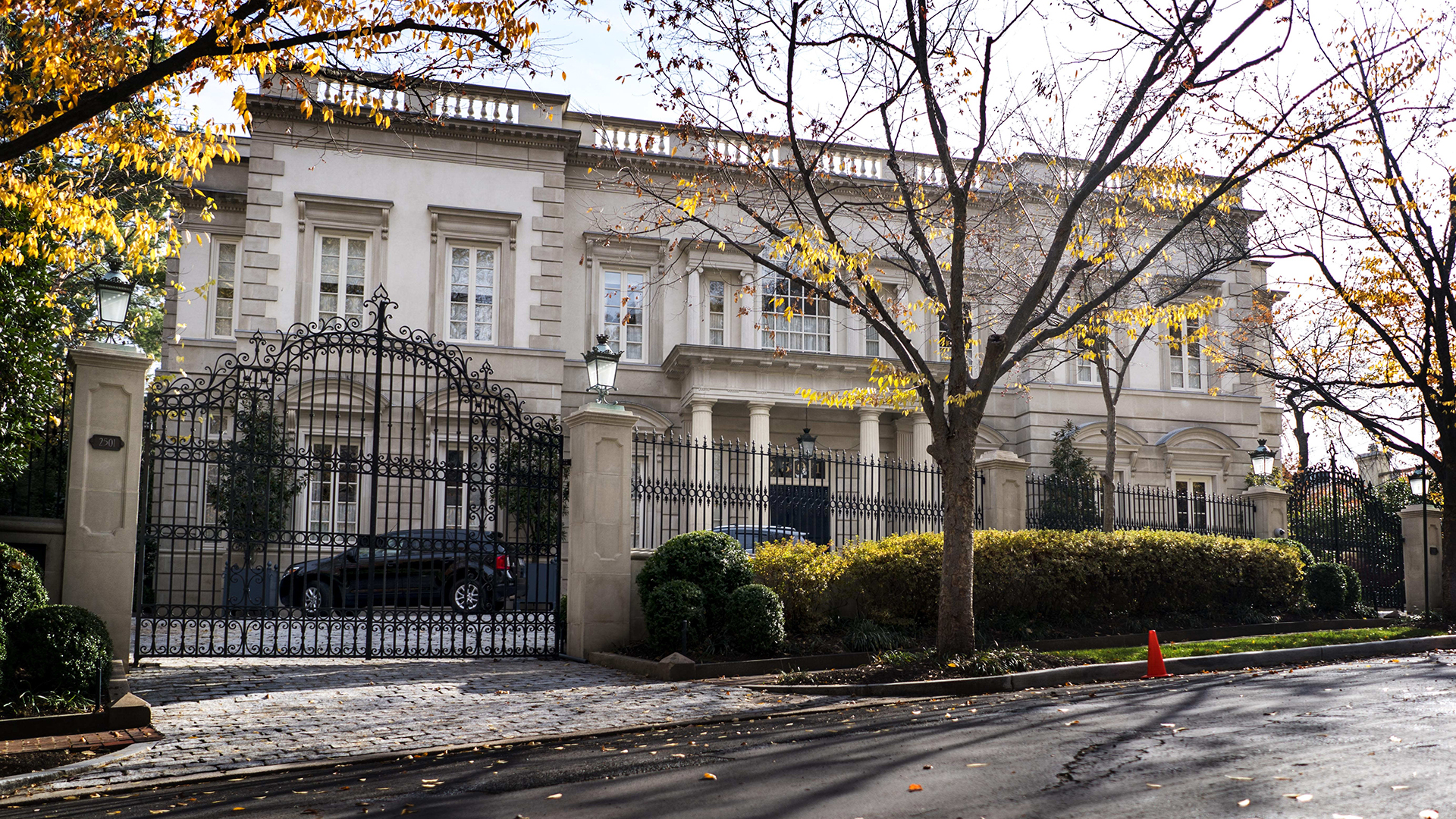
Oleg Deripaska’s mansion at 2501 30th NW replaced a 30-room Tudor Herbert Haft razed in 1985 to build his ‘mini-Versailles.’
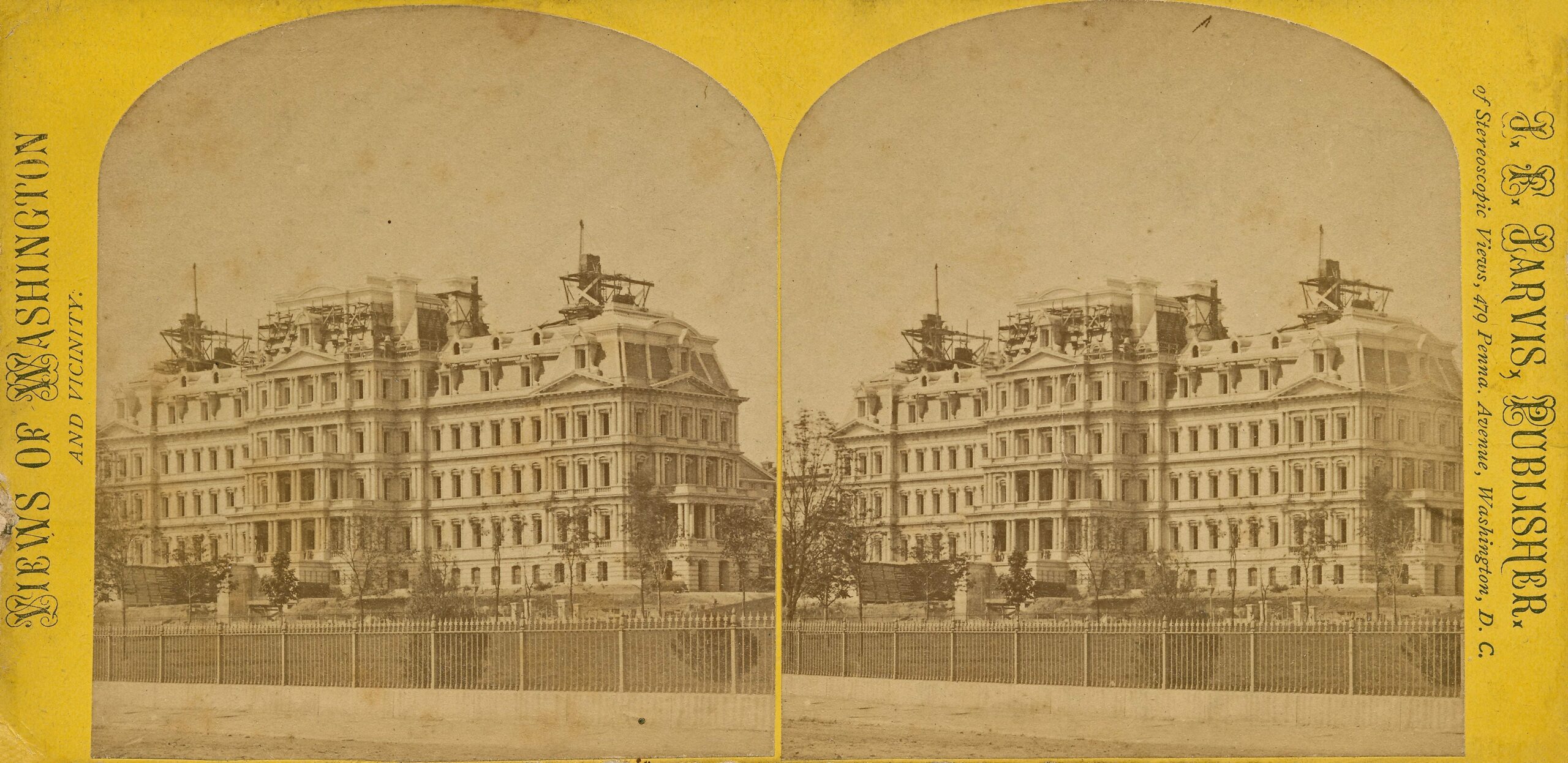
A stereographic photograph of the Old Executive Office Building in Washington, DC, with historical context from architectural historian John DeFerrari.