Washington DC Street Names: Why They’re Letters, Numbers, and States
DC’s diagonal avenues, named for states, all radiate from the Capitol. The prominent ones nearby honor the original thirteen colonies.
Washington’s built environment is the product of grand ambitions, fierce debates, and brilliant (and sometimes terrible) ideas across more than two centuries. These posts dig into the buildings, architects, and design decisions that shaped the city we know today.
DC’s diagonal avenues, named for states, all radiate from the Capitol. The prominent ones nearby honor the original thirteen colonies.
Take a look back at life in Southwest Washington in the 1950s with this photo of a corner store at 4th and M St. SW. See how the same corner looks today with a Google Maps embed.
Take a look back at what Washington D.C. alleys used to look like when they were filled with tenement housing. Learn more about this piece of history here!
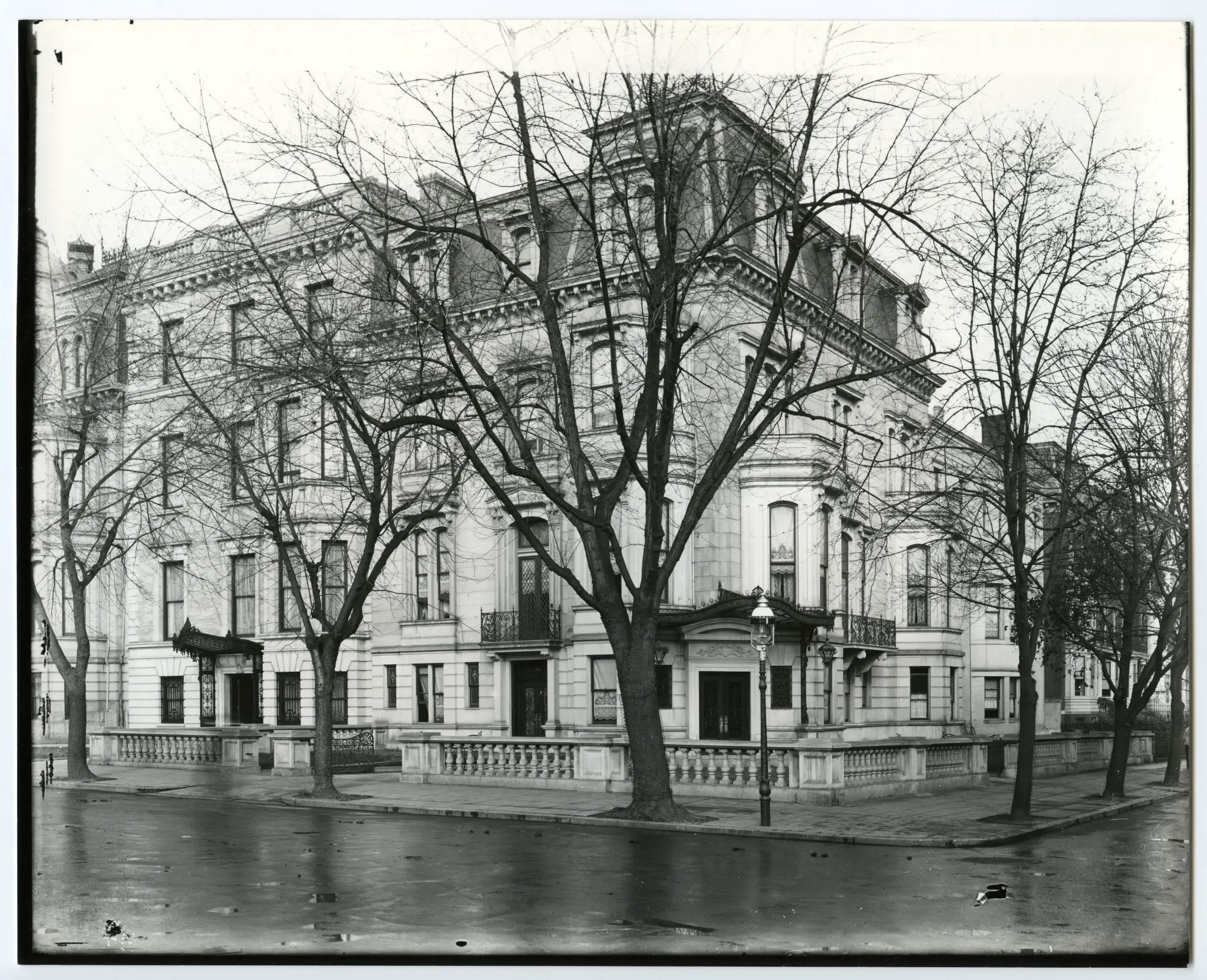
At 16th and K St. NW, there once sat a three story Victorian town home, the site of corrupt political dealings within the Harding administration, This is its story.
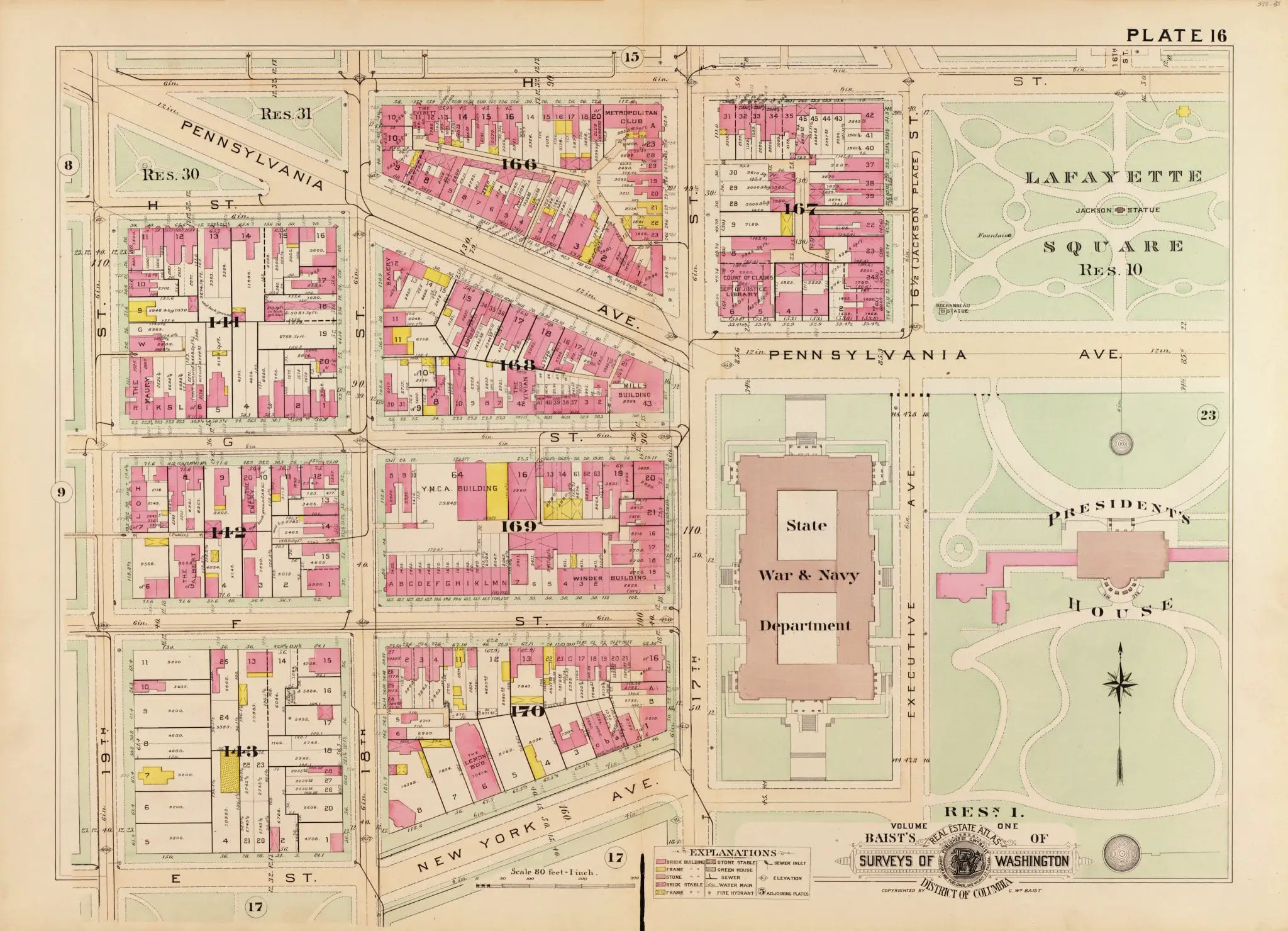
Discover the mystery of the smokestack on Capitol Hill! An image sent to us by GoDCer Geoff and a satellite view from Google Maps help us to unravel this mystery. Check out the 1921 Baist map and share your thoughts in the comments!
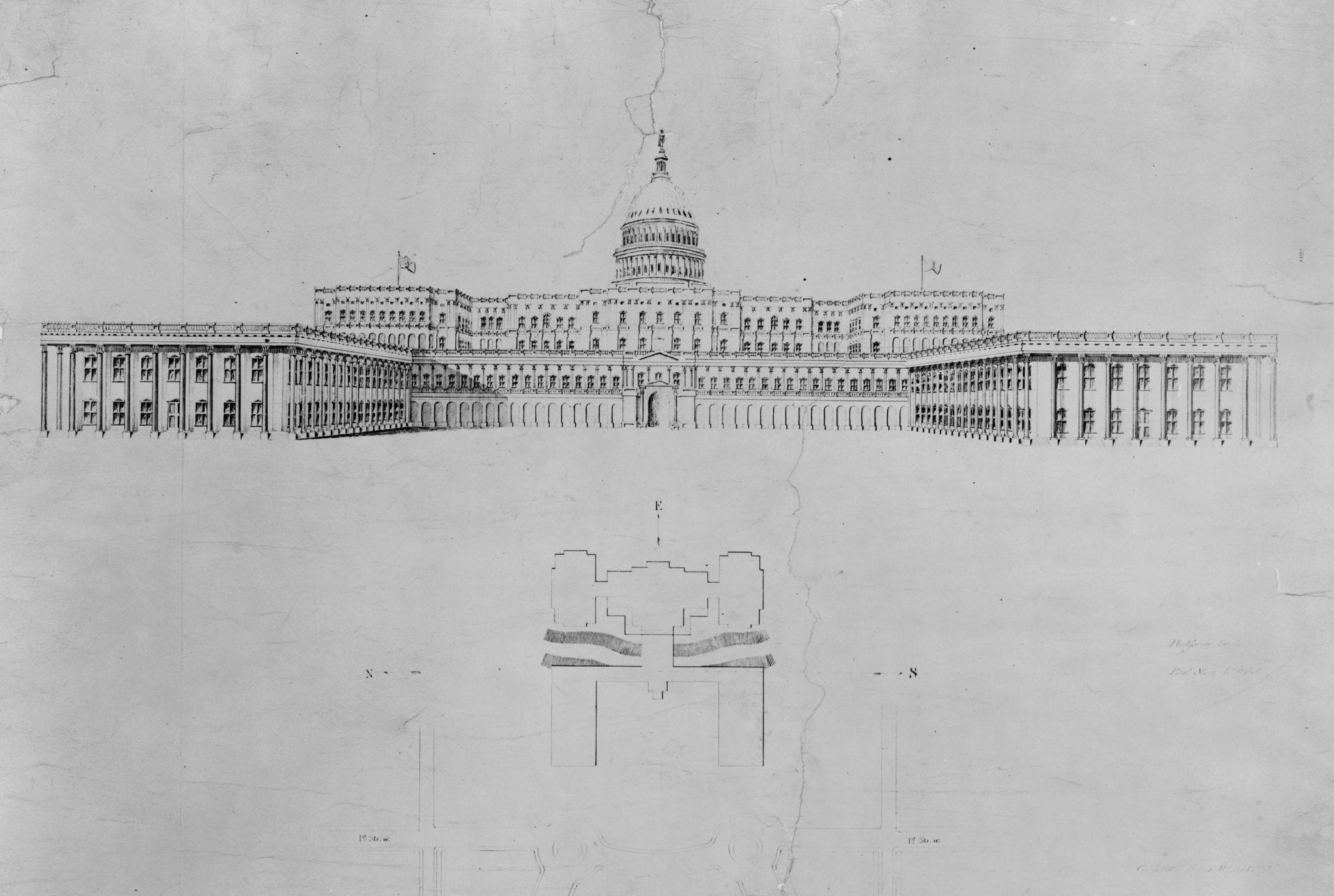
What if the Washington Monument was built as a pyramid instead of an obelisk? It could have been if this design came to fruition.
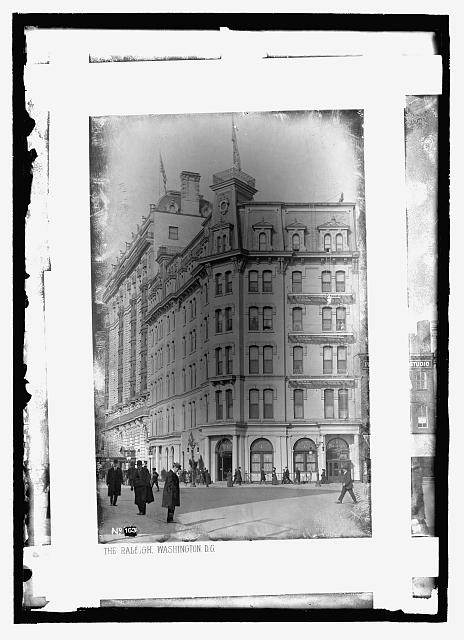
Take a trip back in time to see F Street in the 1910s with this incredible old photo. Also, check out photos of F Street from different eras, such as the 1870s, 1860s and the Civil War.
Take a look at the incredible transformation of H Street in Washington, DC from 1925 to today. See a vintage photo from 1925 and compare it to how the same block looks today on Google Street View.
Explore the beauty of Washington DC, the US capital, and why many people believe it is the most beautiful city in the world. Learn about the McMillan Plan, the unbuilt Grant Memorial, and Frederick Law Olmsted. Read the full article from 1907.