Gas Rationing in Washington, D.C.: The Long Lines of 1942
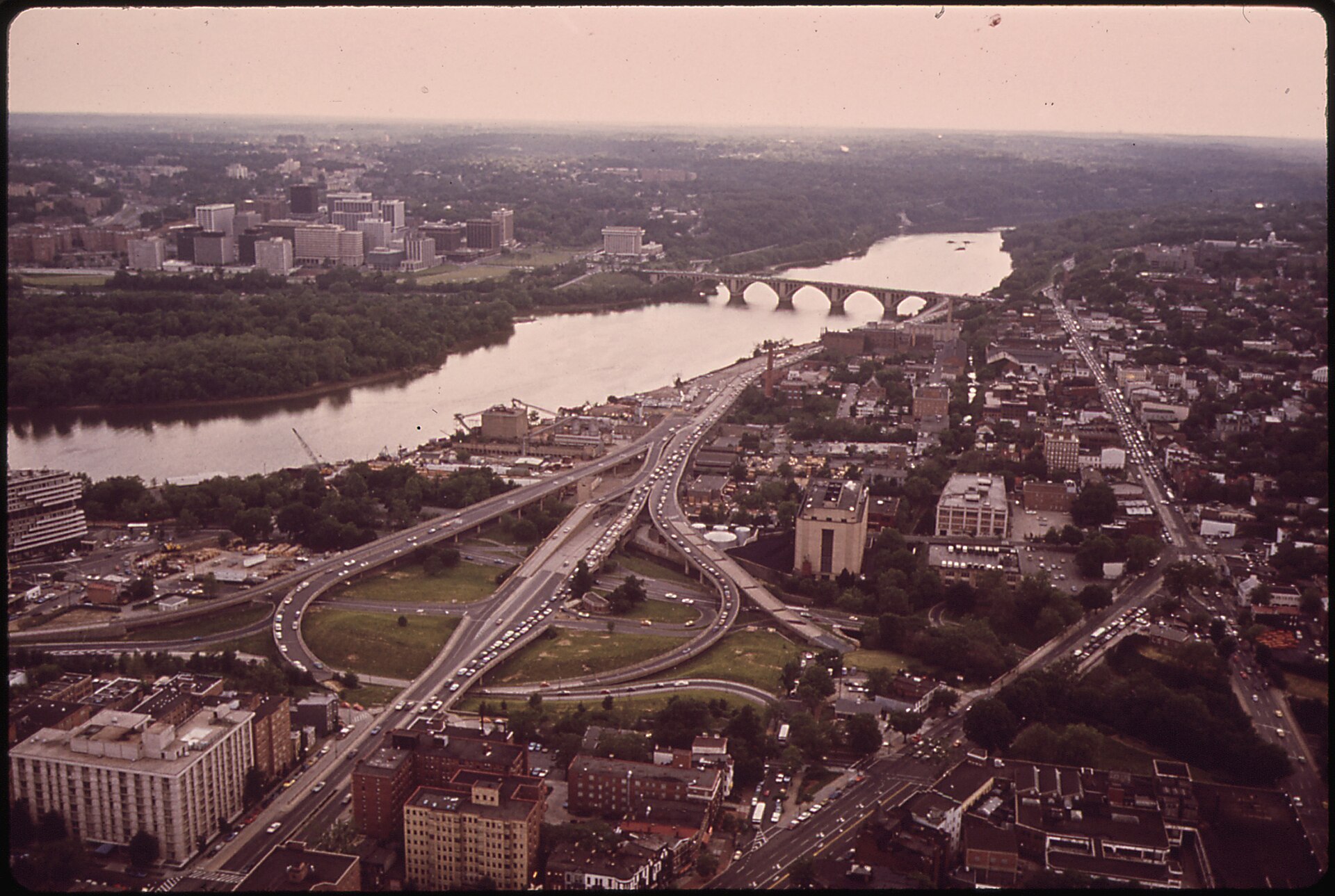
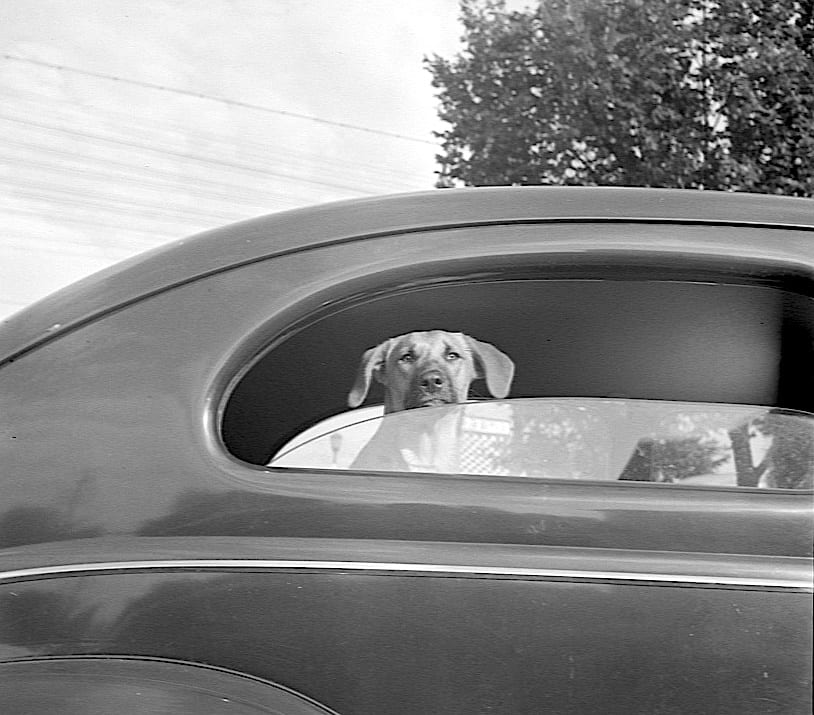
In June 1942, Washington D.C. gas stations on upper Wisconsin Avenue ran dry by 8:30 a.m. These Office of War Information photos show how the city lived through wartime gas rationing.
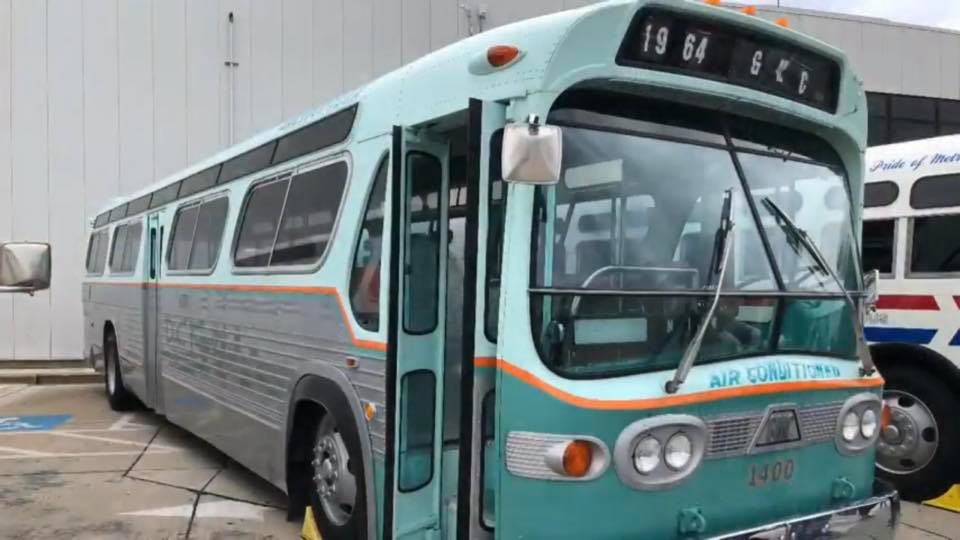
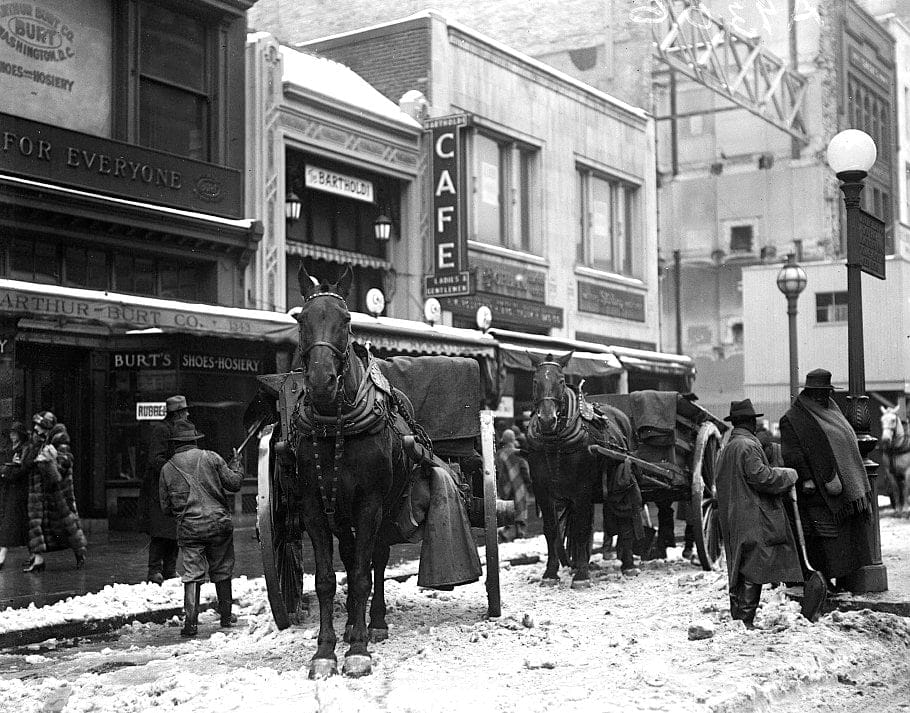
Long before Metro, Washington moved by streetcar, railroad, and horse-drawn carriage. These posts trace the history of how people got around the capital, from 19th century rail companies to the debates that shaped the modern transit system.
In June 1942, Washington D.C. gas stations on upper Wisconsin Avenue ran dry by 8:30 a.m. These Office of War Information photos show how the city lived through wartime gas rationing.
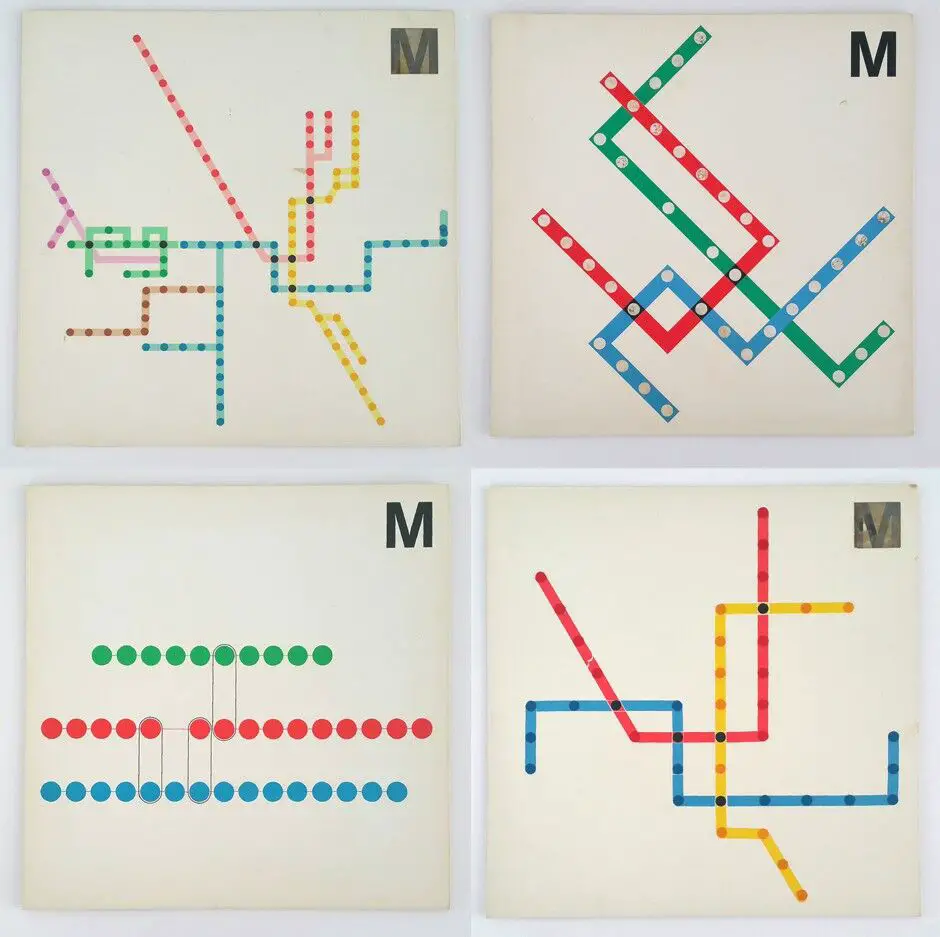
Explore the legacy of Massimo Vignelli, the visionary designer behind the Washington Metro’s iconic look. Discover how his philosophy of simplicity and functionality shaped the visual identity of D.C.’s public transit system.
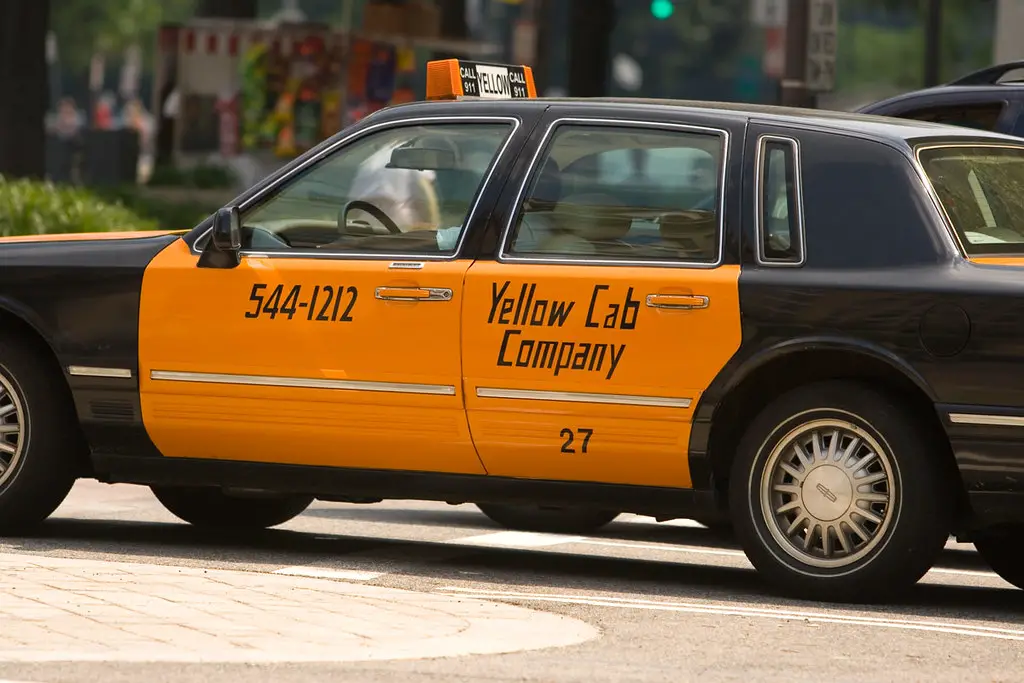
Washington, D.C. was the last major U.S. city charging cab fares by zone, not meter. By the 1950s there were over 20 zones. Drivers fought meters until 2008.
Ballston Metro Station: The linchpin in Ballston’s journey from a fading strip to a bustling urban center. Dive into its transformative tale.
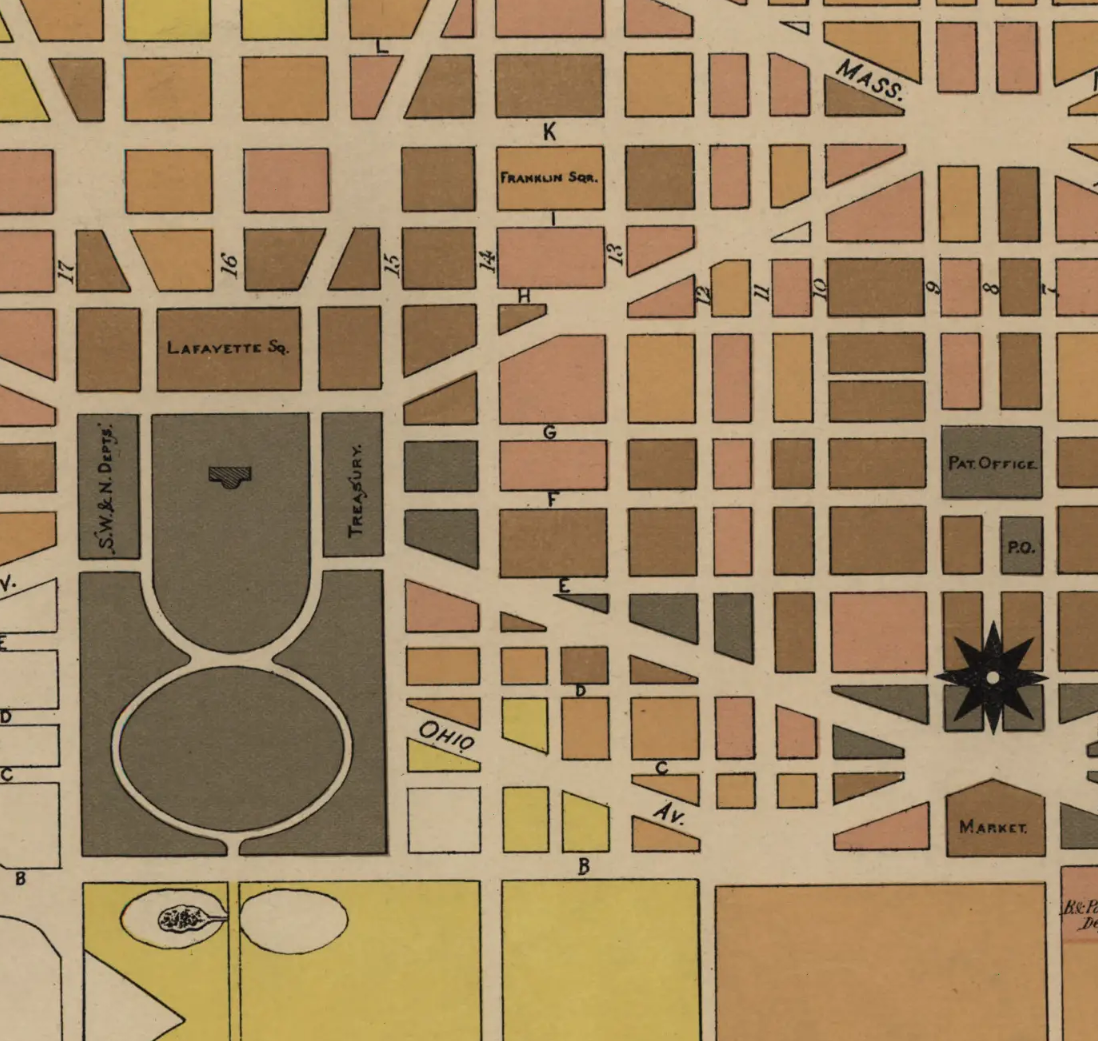
This series of maps shows property values, pavement times, public schools, railroads, street sweeping schedules and more. Don’t miss these incredible maps showing 1880s life in Washington.
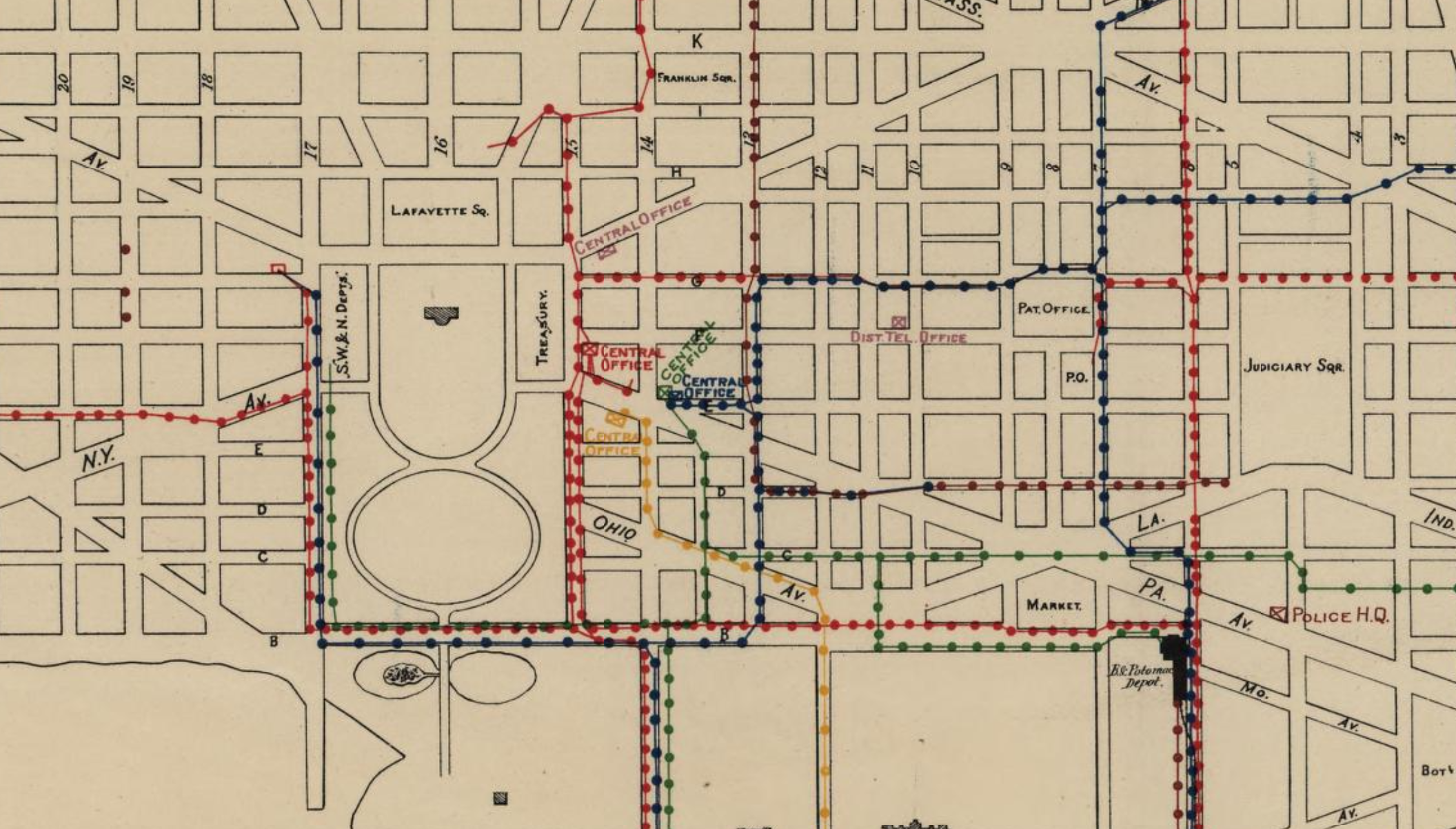
The first overland long-distance telegraph line in the United States was between Baltimore and Washington in 1843. This map shows all telegraph lines in Washington in 1880.
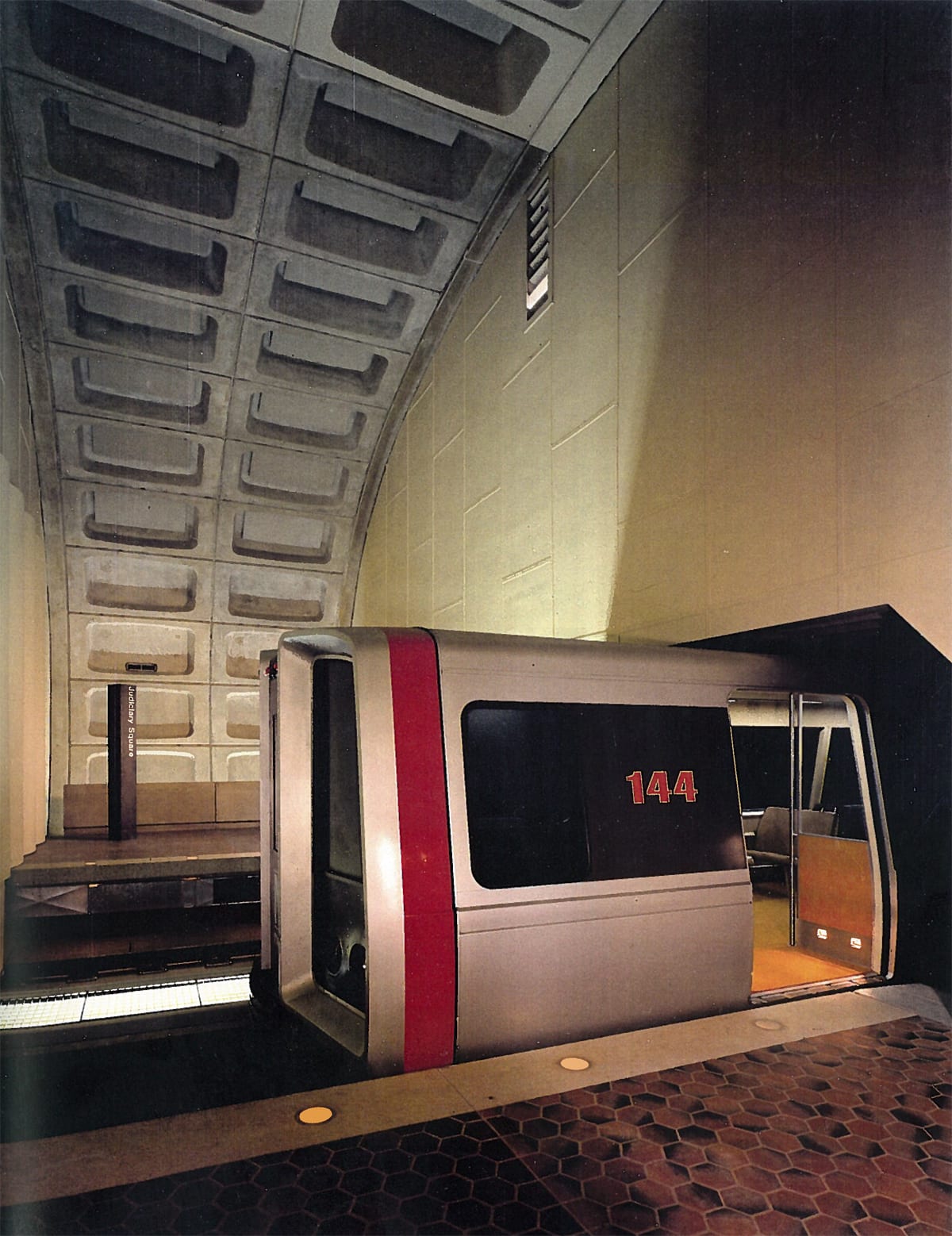
In 1968, WMATA spent $69,000 on a full-scale mockup of a Metro station to test the design before construction began. At just 17 feet long, it looked right but went nowhere.
Washington’s Metro opened on March 27, 1976, with 4.6 miles of track between Rhode Island Avenue and Farragut North. All rides were free.
The proposals were published to convince transit officials that the 19-mile system authorized by Congress within the city – part of a 25-mile network extending into the suburbs -would be inadequate by 1985.