
Cars

On November 2, 1951, an estimated 60,000 people turned out for Arlington’s new Hecht’s, the store at the heart of a shopping center named for its parking garage.

Washington, D.C. was the last major U.S. city charging cab fares by zone, not meter. By the 1950s there were over 20 zones. Drivers fought meters until 2008.

Streetcars, taxis and pedestrians crowd Pennsylvania Avenue and 15th Street in photographs taken on July 20, 1936.

The most practical remedy is to establish government dispensaries for limited sales to good citizens who are not drunkards. This will eventually be done.
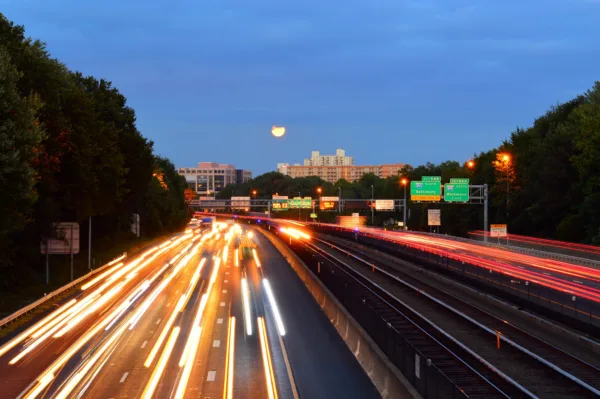
On October 1, 1984, an FDA doctor wrote a letter explaining why he drove the speed limit in the left lane. The reaction lasted years.
There’s more where these came from.
Lost Washington stories in your inbox most mornings: the newest, plus a few from the archive.
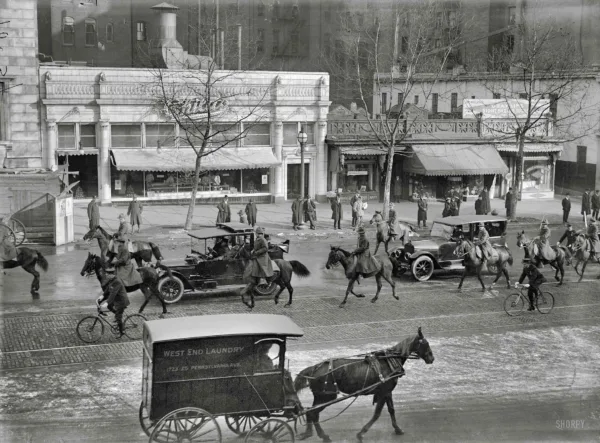
On May 14, 1900, DC horse dealers warned the Washington Post that car engine smells would offend the ‘sensitive nostrils’ of society.
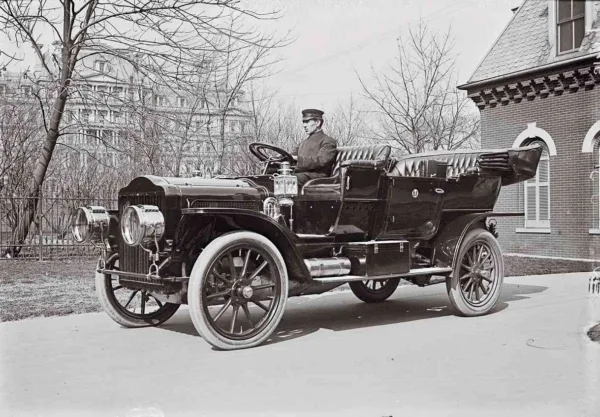
A 1909 Baltimore Sun column mocked senators who denounced automobiles, then climbed into expensive cars for the ride home.
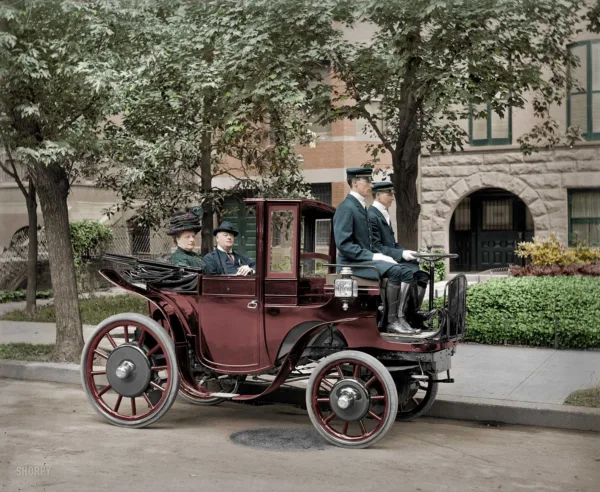
Senator George P. Wetmore of Rhode Island rides in an early automobile in this colorized Washington photograph.

A 1922 map marks where drivers could and could not park in Washington’s congested downtown.
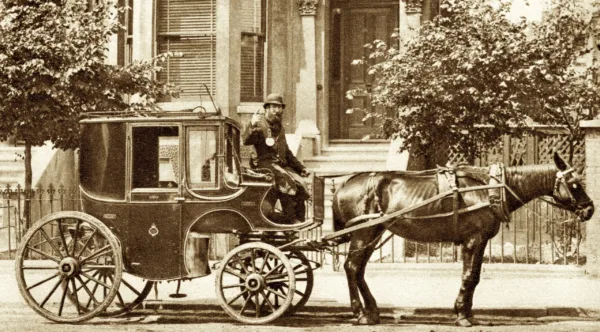
A chalk line on the curb outside the Metropolitan Hotel marked where DC’s hackmen waited for fares in their horse-drawn coaches.
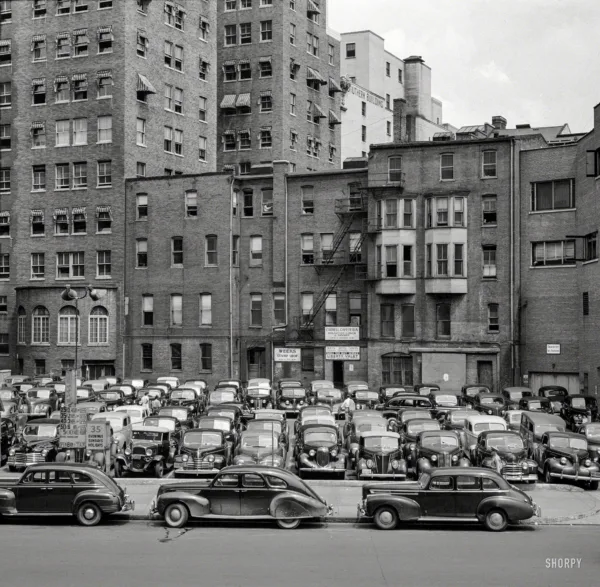
Albert Freeman photographed a Washington parking lot during the 1942 gasoline shortage, with its location still unidentified.

A 1919 truck advertisement supplied the clue to the band’s name. REO itself came from Ransom E. Olds.

The fare list included trips beyond Washington, with Charlottesville and Gettysburg among the destinations.
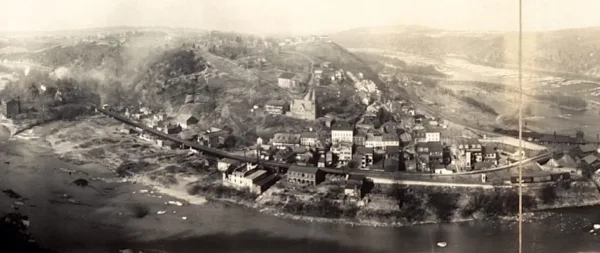
A newspaper route guide offered motorists a trip into the mountains, with scenery and dinner waiting at the end.

Two photographs look in opposite directions along the crowded street.
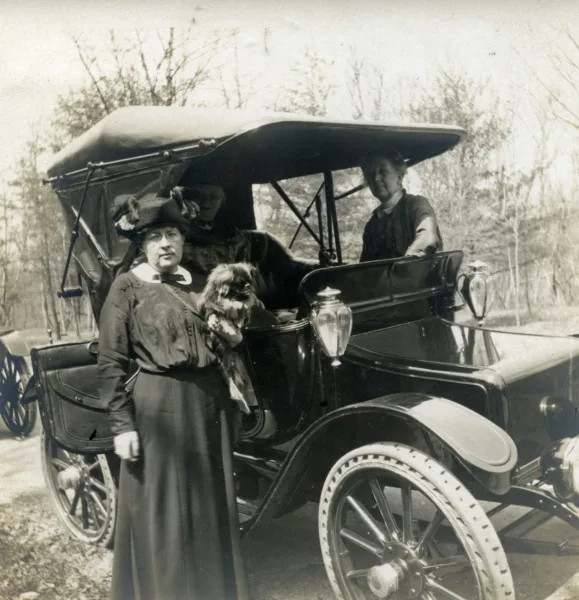
A photograph from the Sedgeley collection shows Nellie and Isabel with an electric car at an unidentified location.
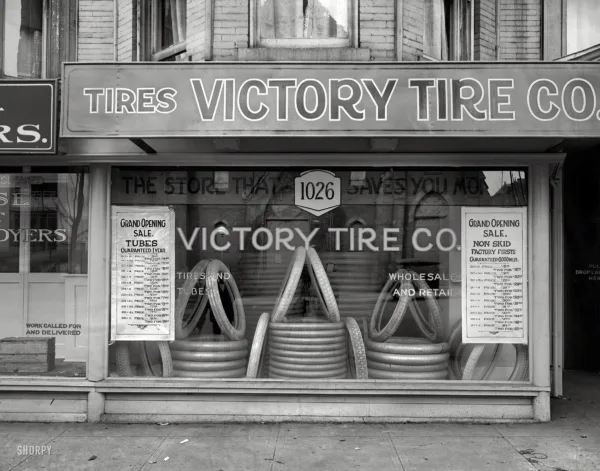
The storefront at 1026 14th Street NW advertised a 6,000-mile tire guarantee.
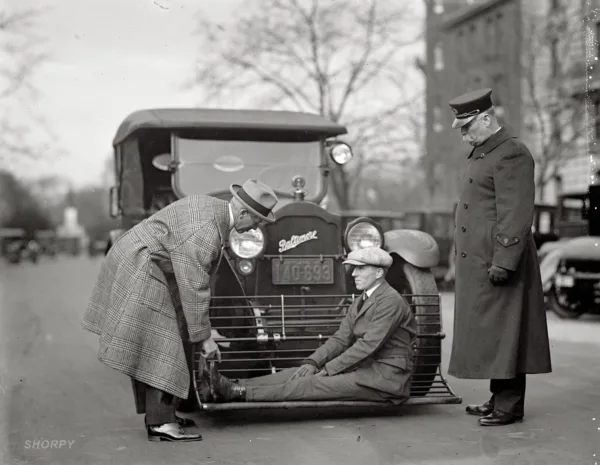
A photograph identifies Inspector Albert Headley at a December 1924 demonstration of a car safety device that appears to be a scoop.
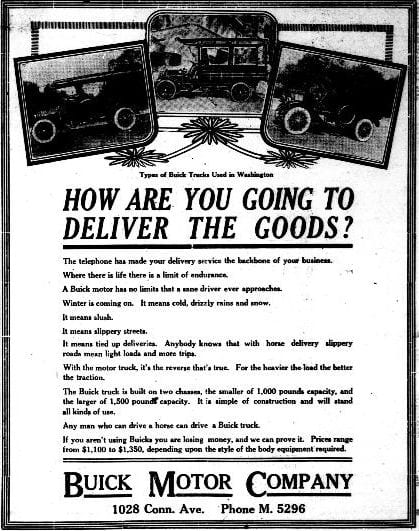
A Buick advertisement argued that trucks could carry heavier loads over slippery roads and that anyone who drove a horse could drive one.

A Post Office Department mail wagon stands on a Washington street whose house numbers are hard to read.