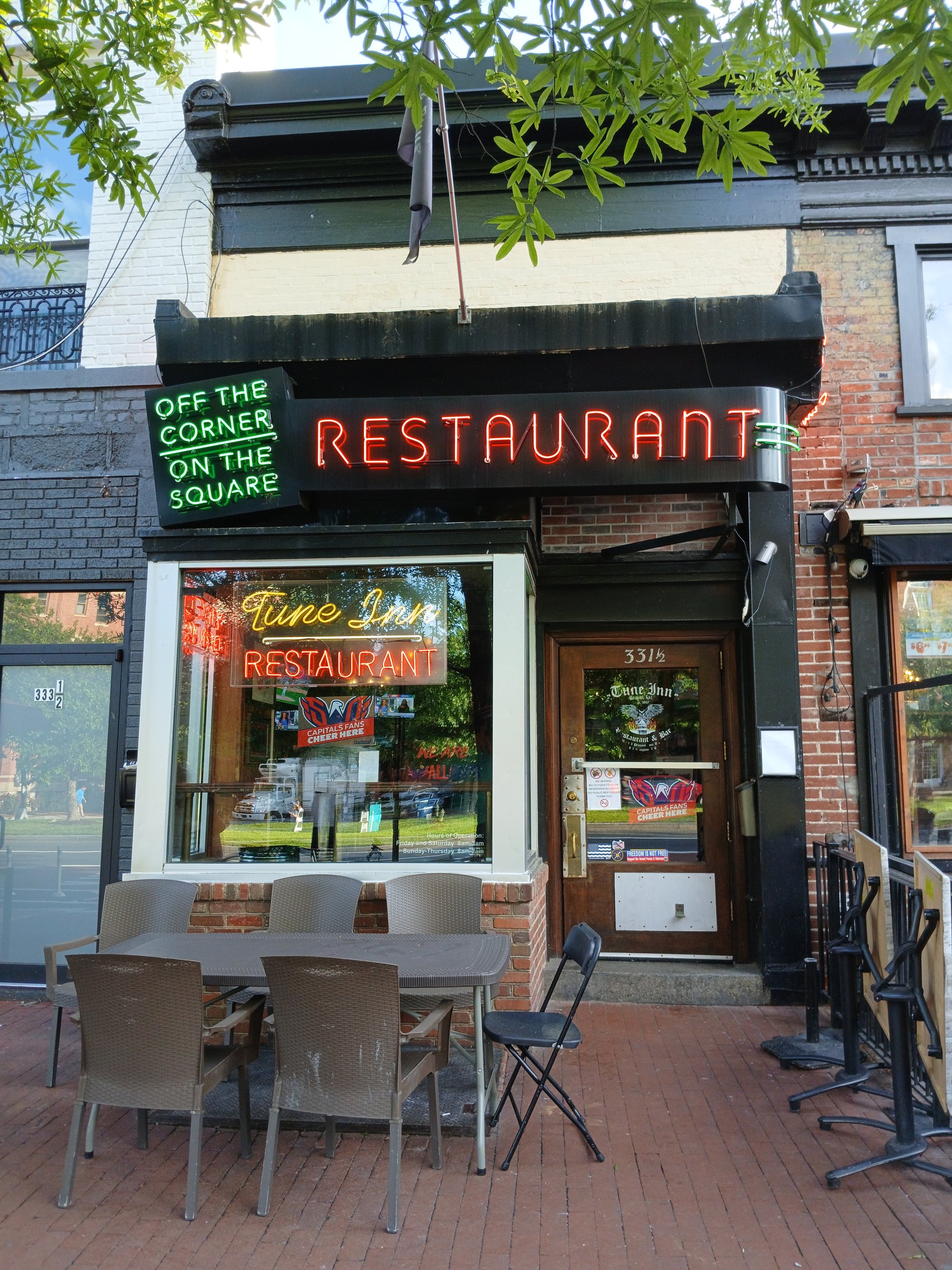
Tune Inn Capitol Hill: 79 Years of a DC Dive Bar
Three blocks from the Capitol dome sits a 1947 dive bar with deer butts on the wall and a Nardelli behind the counter.
Washington went dry before the rest of the country, with DC adopting prohibition in 1917, two years before the national ban took effect. The capital’s proximity to wet Maryland and Virginia made enforcement a constant battle, and the city’s speakeasies, bootleggers, and blind pigs became a defining feature of 1920s Washington. These posts explore prohibition’s particular impact on DC’s bars, restaurants, and social life.
Three blocks from the Capitol dome sits a 1947 dive bar with deer butts on the wall and a Nardelli behind the counter.
The man whose name is over the door at 1264 Wisconsin Avenue was a Boston Braves shortstop in the 1914 World Series before he opened a Georgetown tavern the year Prohibition ended. Ninety-three years and four generations later, it is still open, still owned by the same family, and still has a brass plaque on the booth where John F. Kennedy proposed to Jacqueline Bouvier.
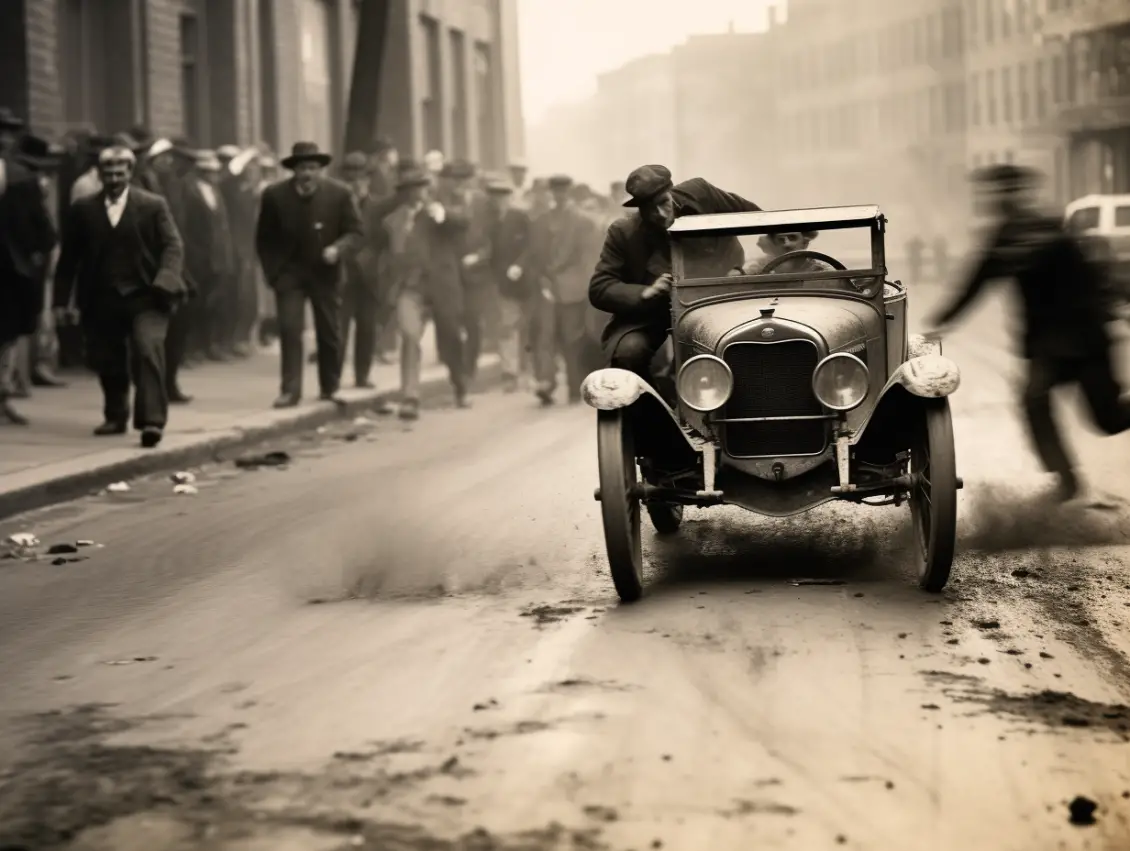
Explore the thrilling tale of Francis Aebersold, a daring teenage bootlegger in 1920s Washington D.C., as he defies Prohibition laws and engages in a high-speed chase with Detective Charles A. Berry. Delve into a vivid account of their epic confrontation and the Roaring Twenties’ underground speakeasy scene.
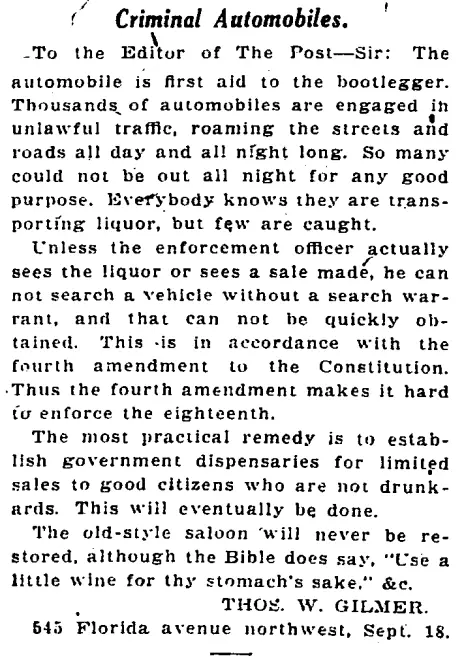
The most practical remedy is to establish government dispensaries for limited sales to good citizens who are not drunkards. This will eventually be done.
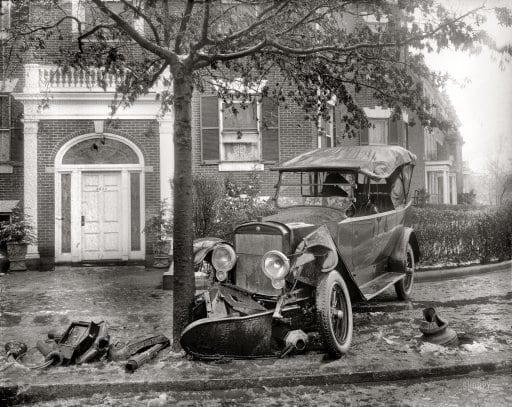
A rum squad MPD prohibition officer was arrested for drunk driving in 1930. Isn’t it ironic? Don’t you think?
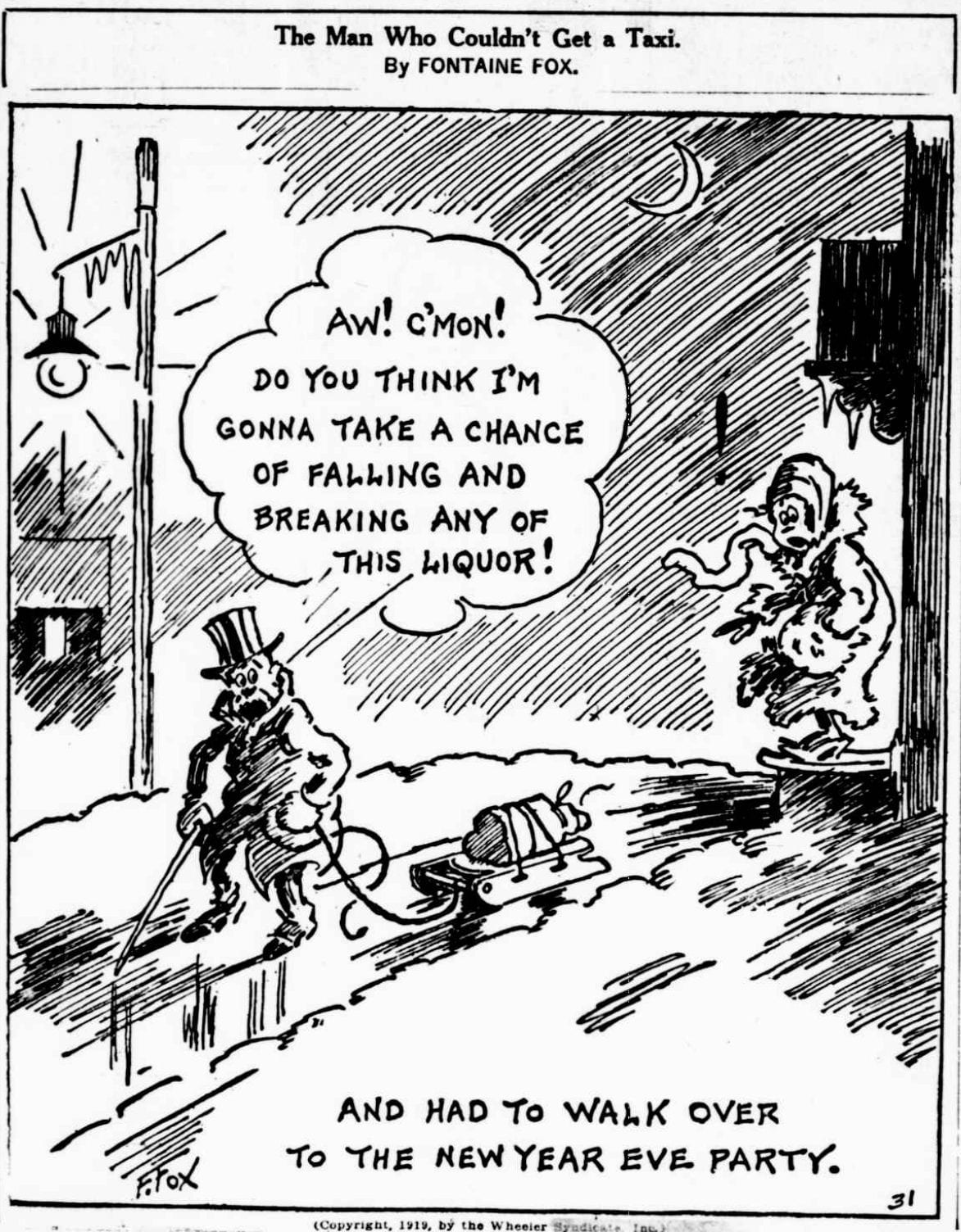
It’s hard to believe that 2020 is nearly upon us, but it’s also hard to imagine what it must have been like on December 31st, 1919 – the last New Year’s Eve before Prohibition was enforced. Take a look at this mildly amusing cartoon from The Washington Times.
During the depths of Prohibition, an infamous crime was committed in a near-beer saloon in Washington, DC. Read the wild story of Good Old Tom Brady’s murder, as told in December 1924 edition of The Washington Post.
In 1928, Prohibition agents raided an oyster house on 18th Street in Adams Morgan. The raid led to legal complications, a trial, and the bizarre disappearance of a jury member.
He was forty-one, the king of bookmaking in DC, and out on bail. Two days later he was on the floor in his maroon robe.