
George O. Totten’s Lost Design for the Calvert Street Bridge
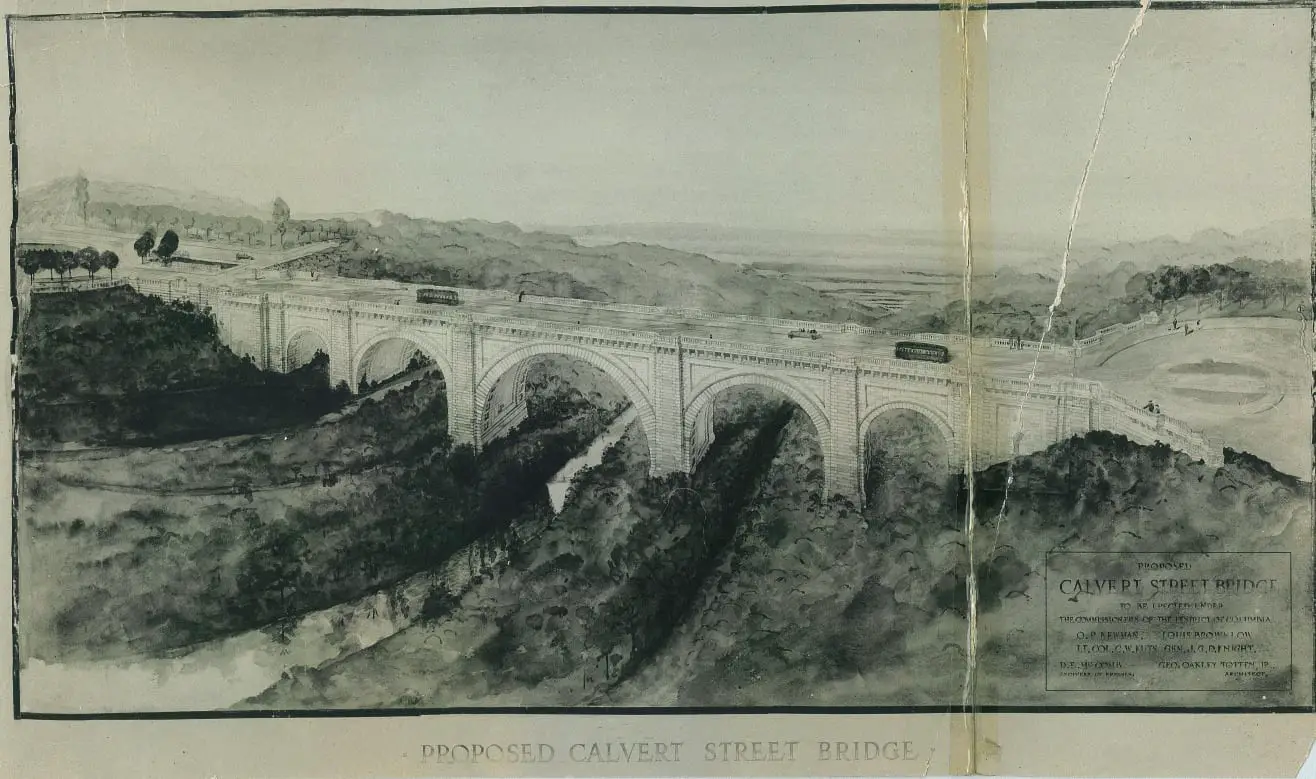
D.C. architect George Oakley Totten Jr. spent 16 years fighting to see his 1917 Calvert Street Bridge design built. Here’s why it never happened.
Washington’s built environment is the product of grand ambitions, fierce debates, and brilliant (and sometimes terrible) ideas across more than two centuries. These posts dig into the buildings, architects, and design decisions that shaped the city we know today.
D.C. architect George Oakley Totten Jr. spent 16 years fighting to see his 1917 Calvert Street Bridge design built. Here’s why it never happened.

The building at 1229 Wisconsin Ave NW in Georgetown has a history that predates Apple. Here is the full story of one of DC’s most distinctive retail spaces.
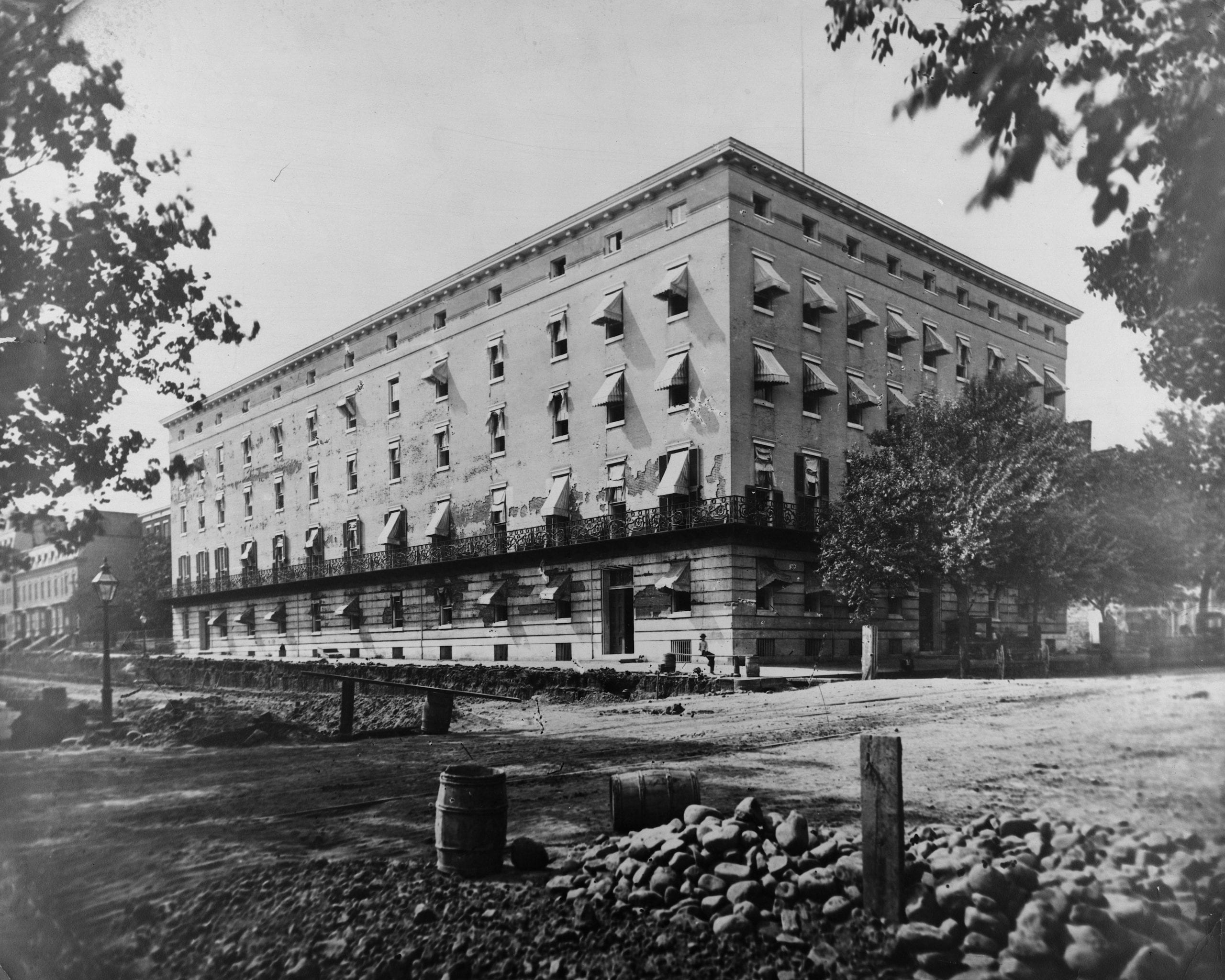
A photograph of the Winder Building from the 1870s. The structure still stands today and is used by the U.S. Trade Representative.
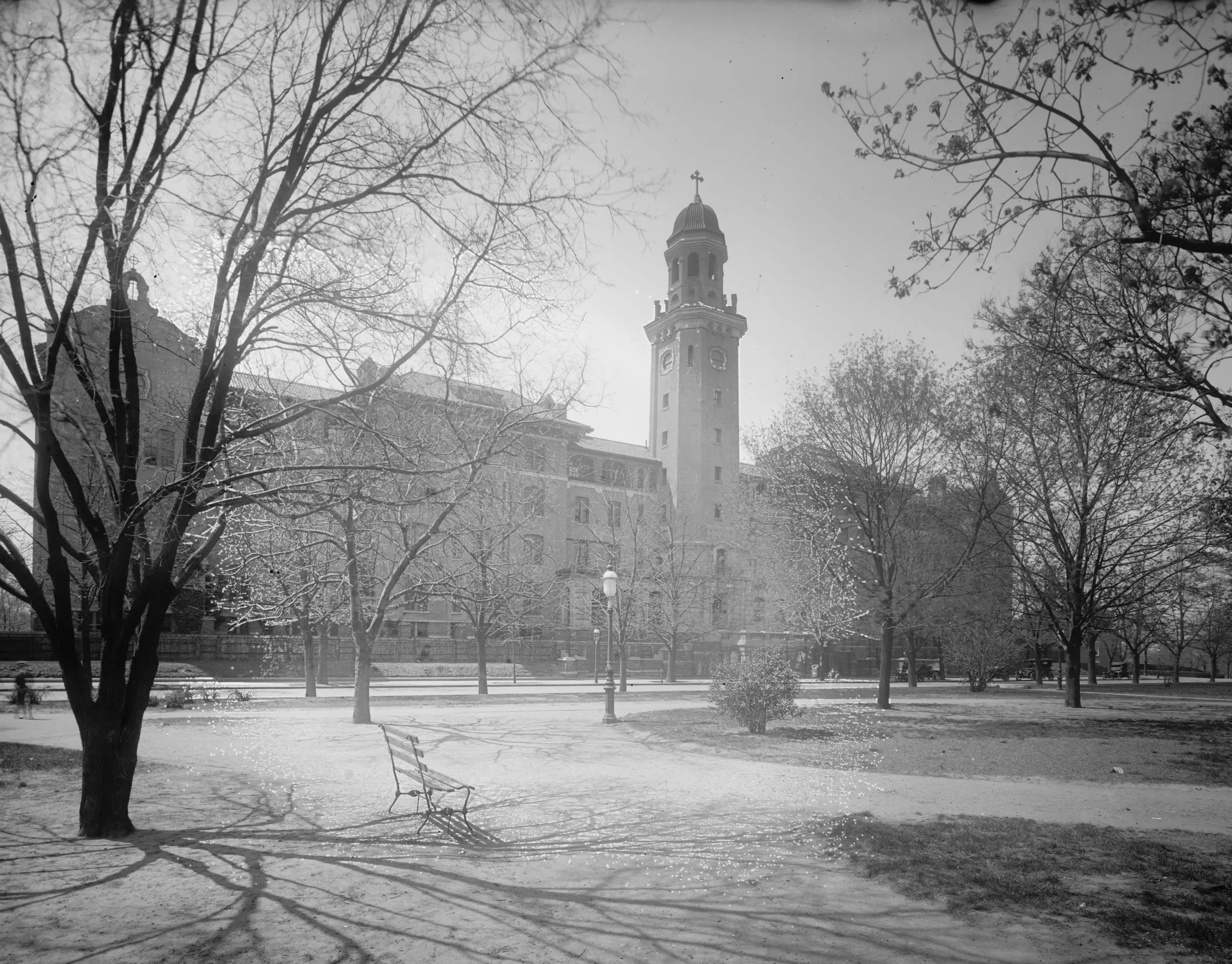
Providence Hospital opened on Capitol Hill in 1861. It took First Manassas wounded a month later. The site is now Providence Park.
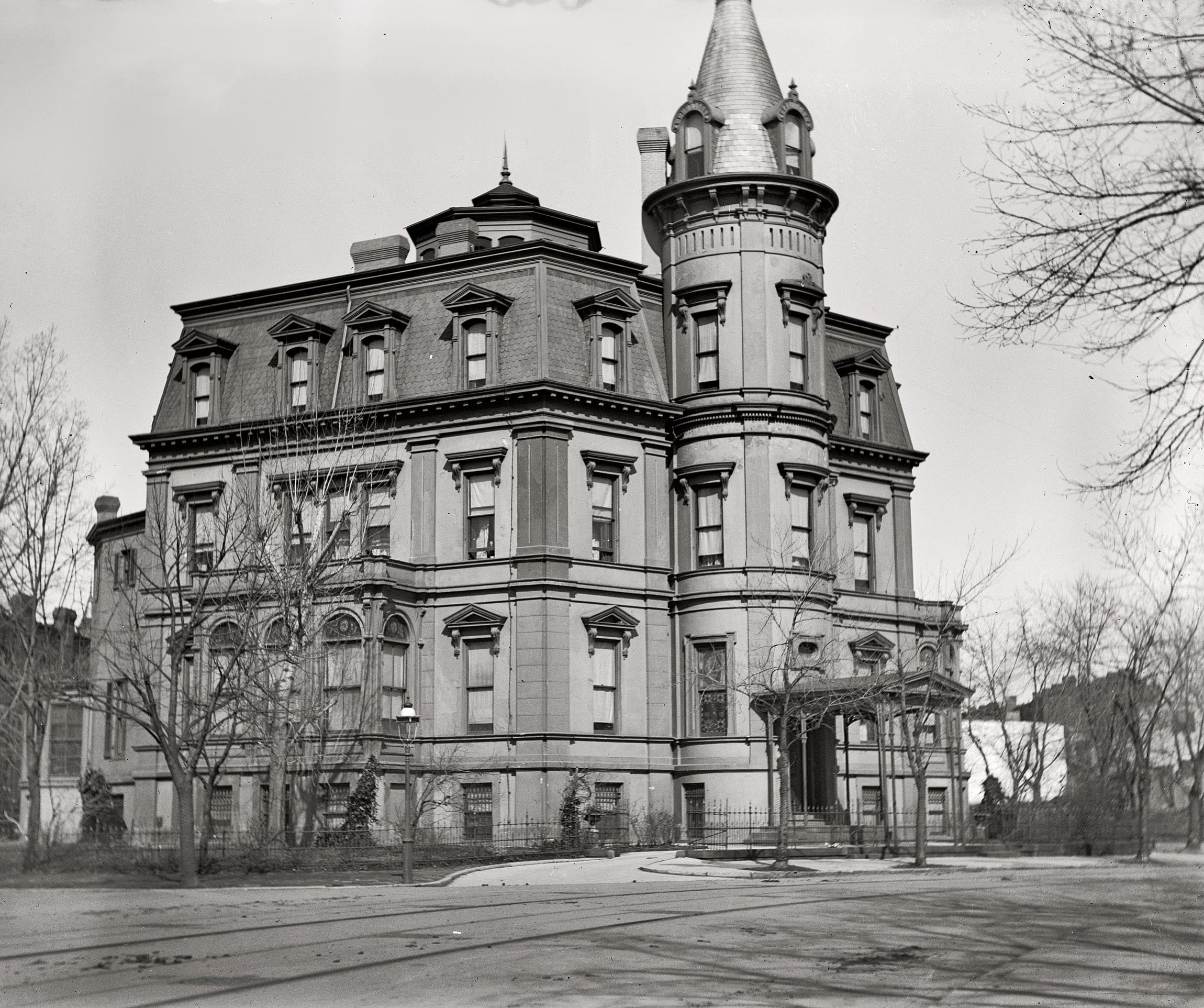
Discover the story of Stewart’s Castle, a lost gem of Washington DC’s architectural history. Learn about its design, famous residents, and ultimate demolition in 1901 in this post.
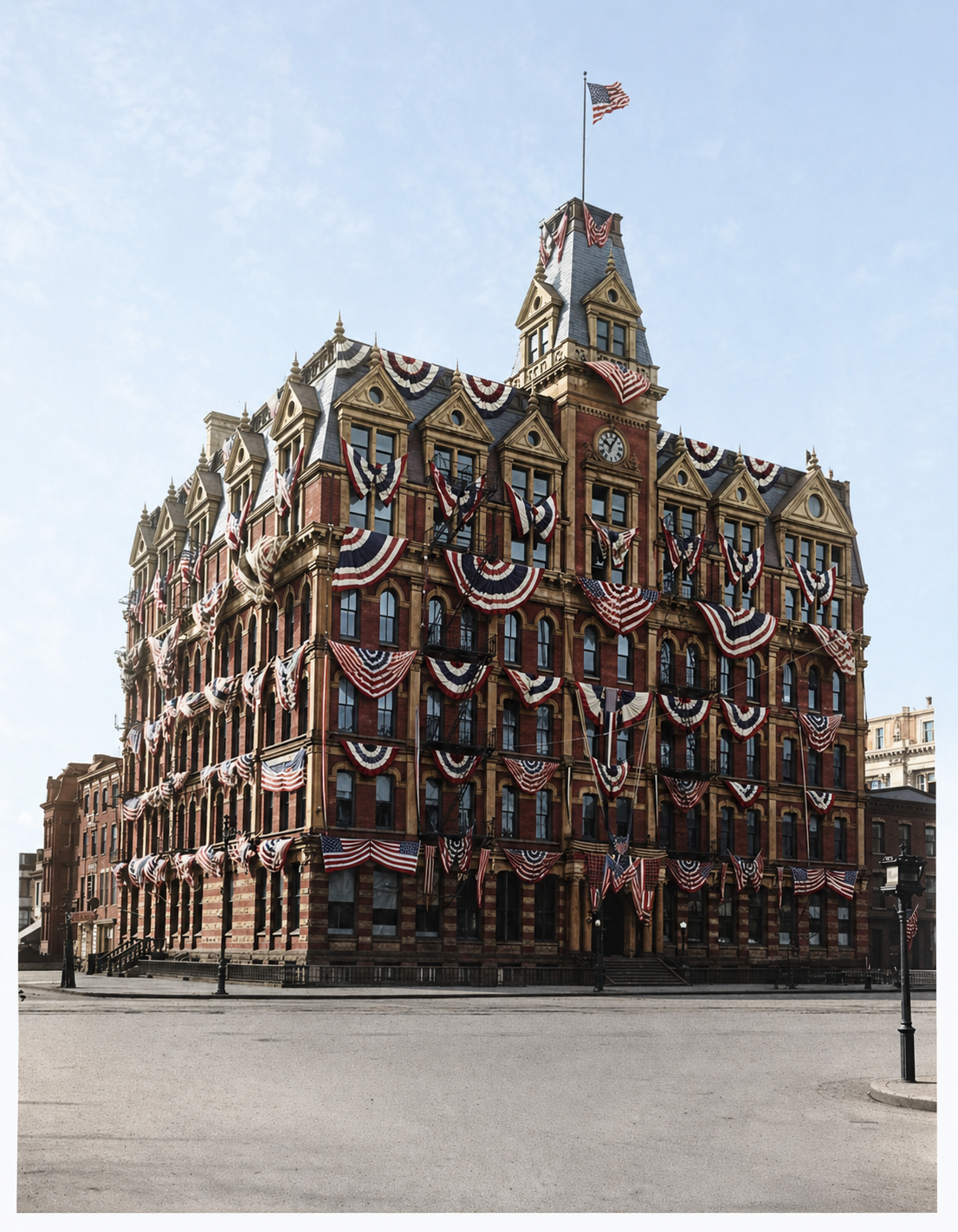
The Southern Railway Building stood at 13th and Pennsylvania for 50 years. Then it burned. Then the federal government paid $2.68 million to clear it for Federal Triangle.
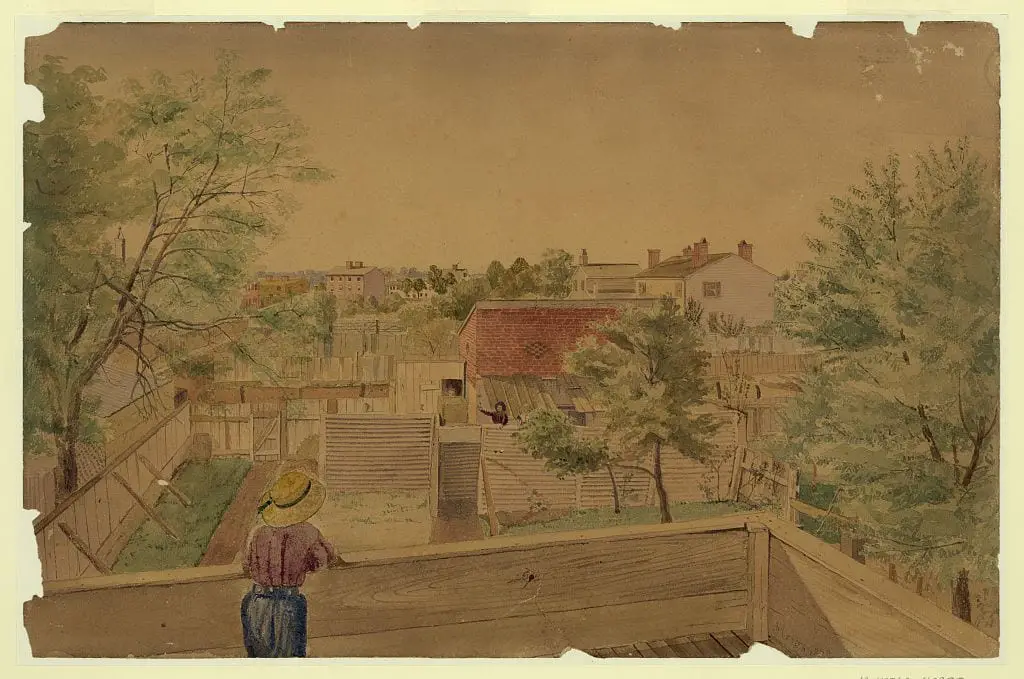
There was a time when Washington, even the city itself, was very rural. Imagine livestock roaming the streets, unpaved roads, and small farms in the District.
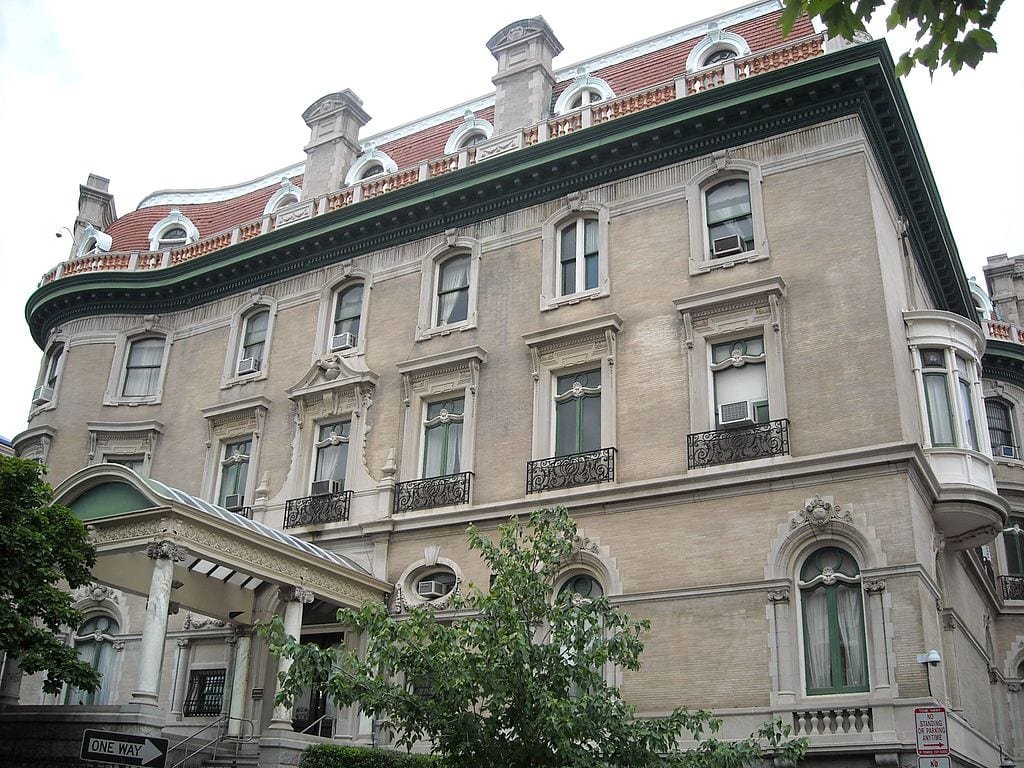
The Walsh-McLean Mansion on Massachusetts Avenue was built by gold-mining magnate Thomas Walsh. A look at its royal visitors, soirees, and the long-lost golden nugget.
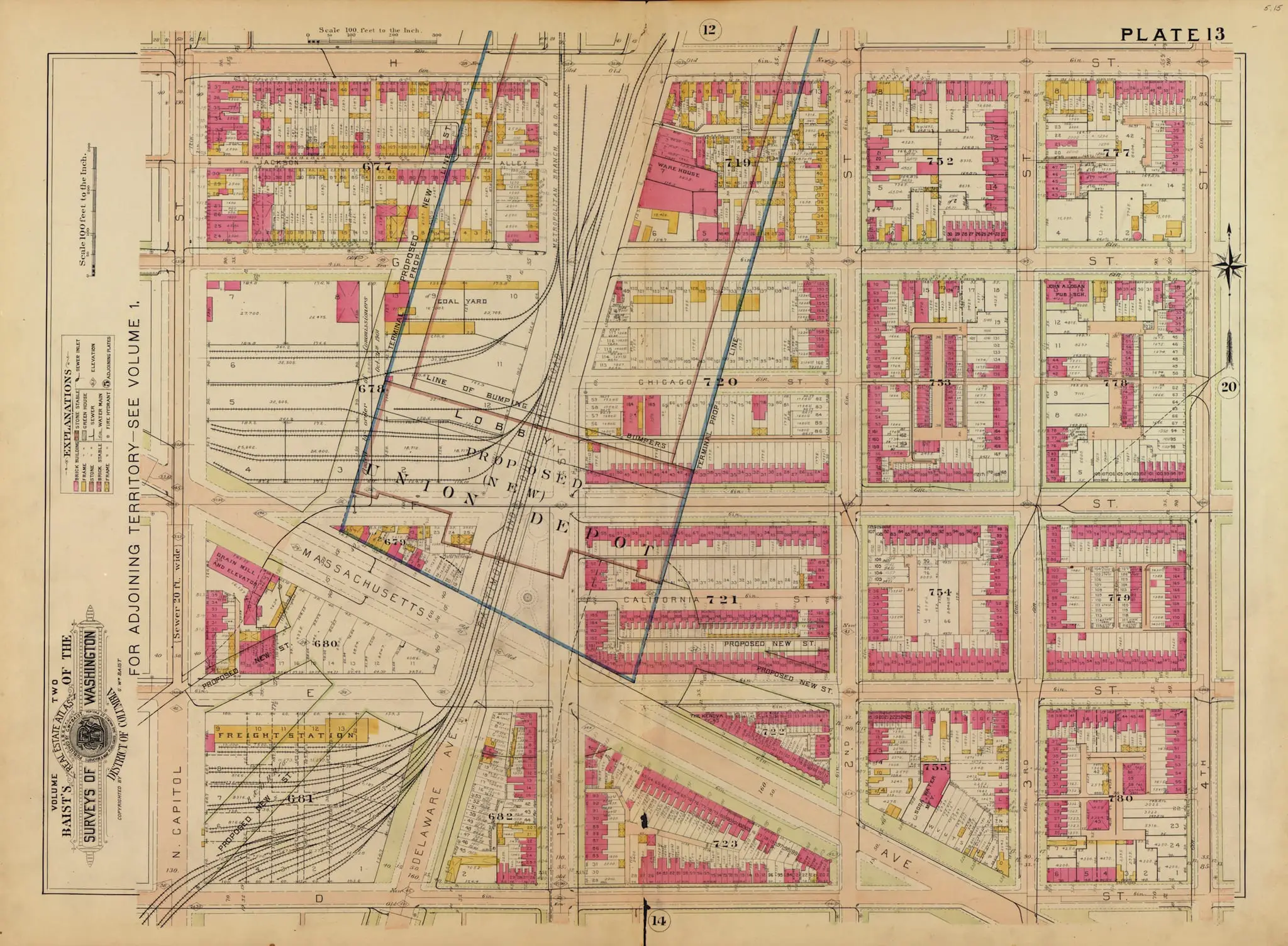
In 1903 a blue-inked overlay on a real estate atlas of Washington DC marked the Swampoodle neighborhood for demolition. Union Station erased it by 1908.