
Washington, DC and the 1942 Wartime Gas Shortage
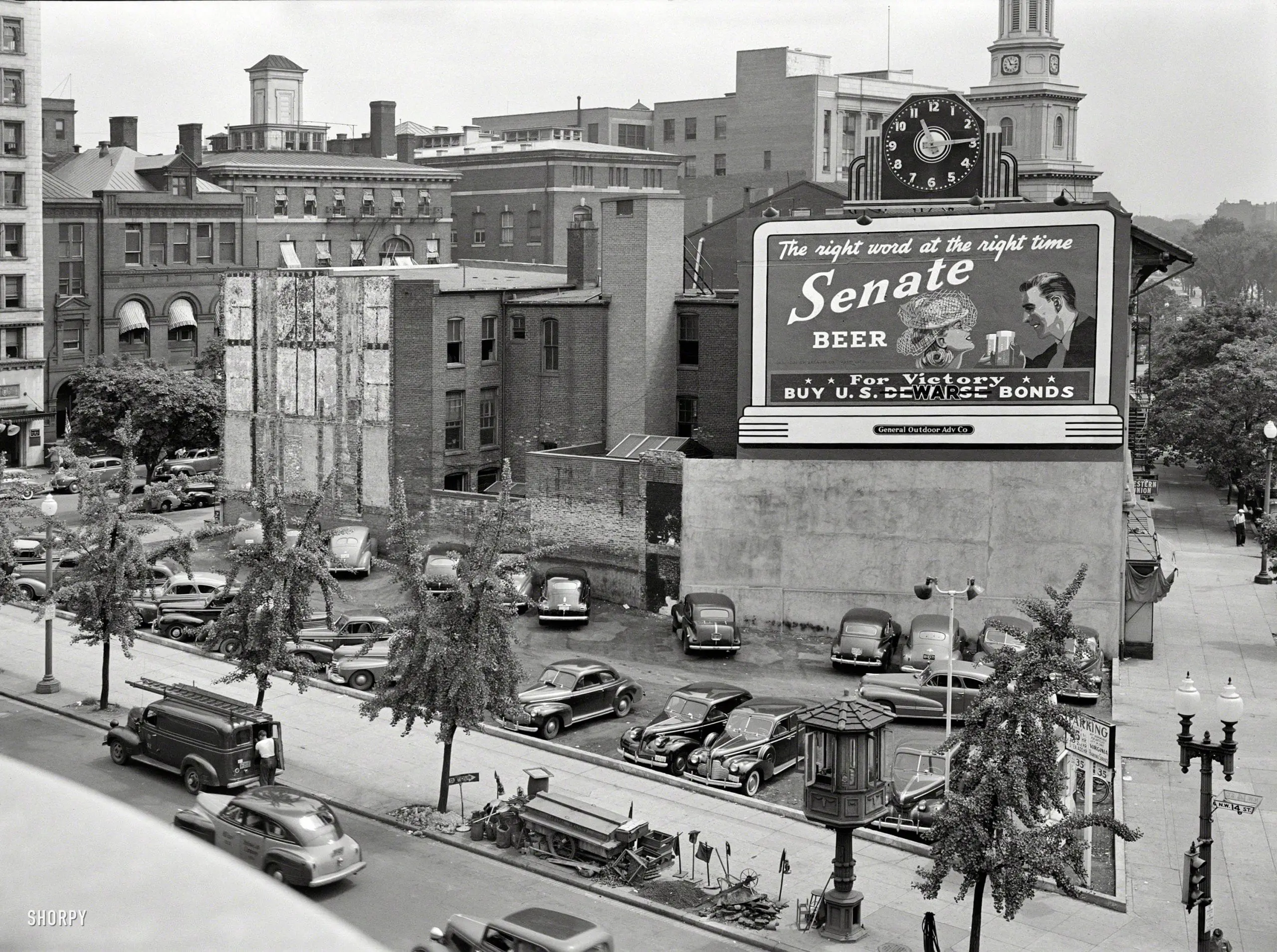
During World War II, a 1942 gasoline shortage pushed Washington, DC onto streetcars. Albert Freeman’s photo captured the 14th Street control tower.
Long before Metro, Washington moved by streetcar, railroad, and horse-drawn carriage. These posts trace the history of how people got around the capital, from 19th century rail companies to the debates that shaped the modern transit system.
During World War II, a 1942 gasoline shortage pushed Washington, DC onto streetcars. Albert Freeman’s photo captured the 14th Street control tower.
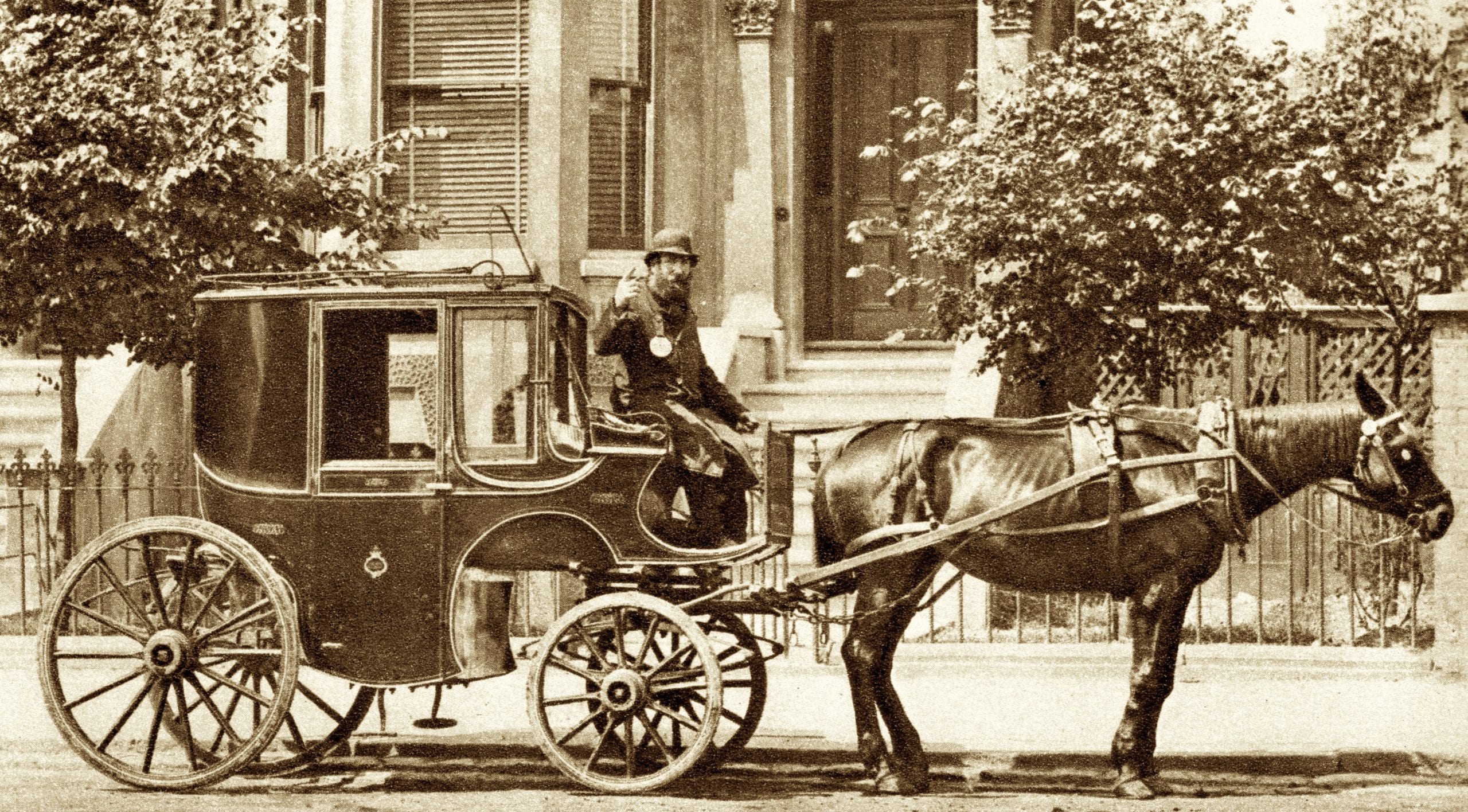
A chalk line on the curb outside the Metropolitan Hotel marked where DC’s hackmen waited for fares in their horse-drawn coaches.
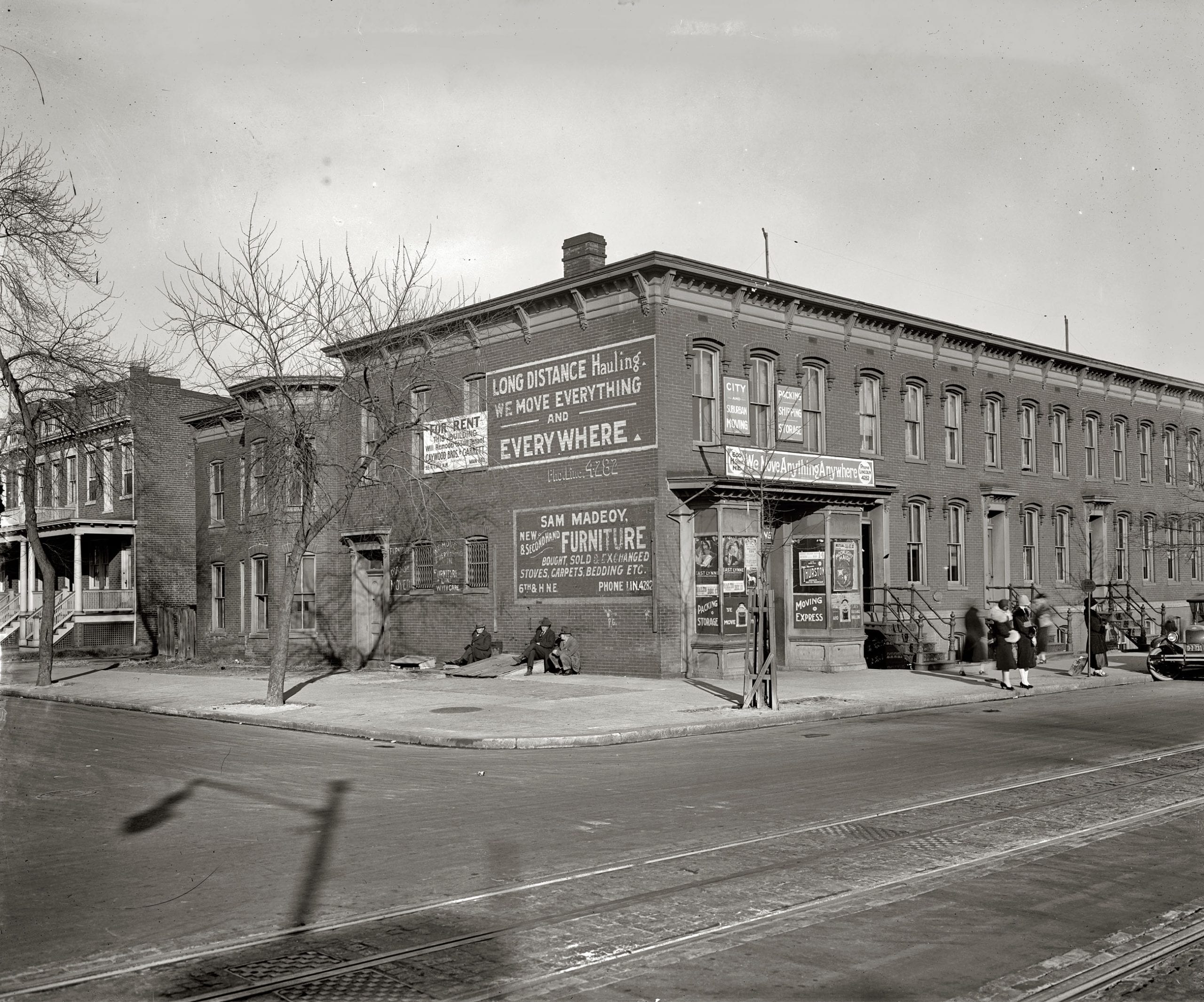
Take a look at the incredible transformation of H Street in Washington, DC from 1925 to today. See a vintage photo from 1925 and compare it to how the same block looks today on Google Street View.
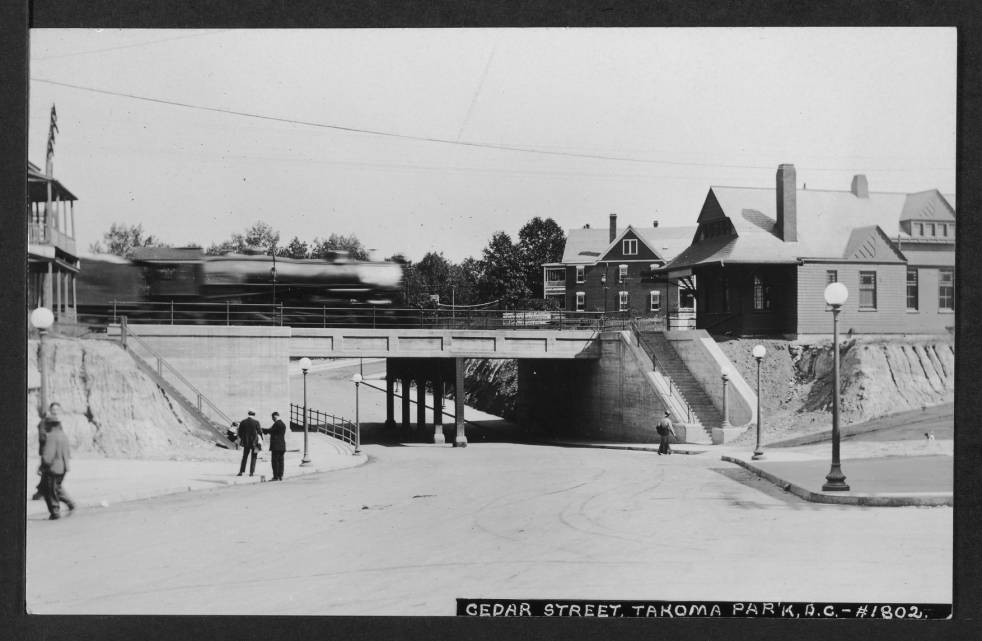
Can someone identify the time period for this intersection of Cedar and 4th Street in Takoma Park, DC? Check out the almost identical view today on Google Street View and see if you can tell!
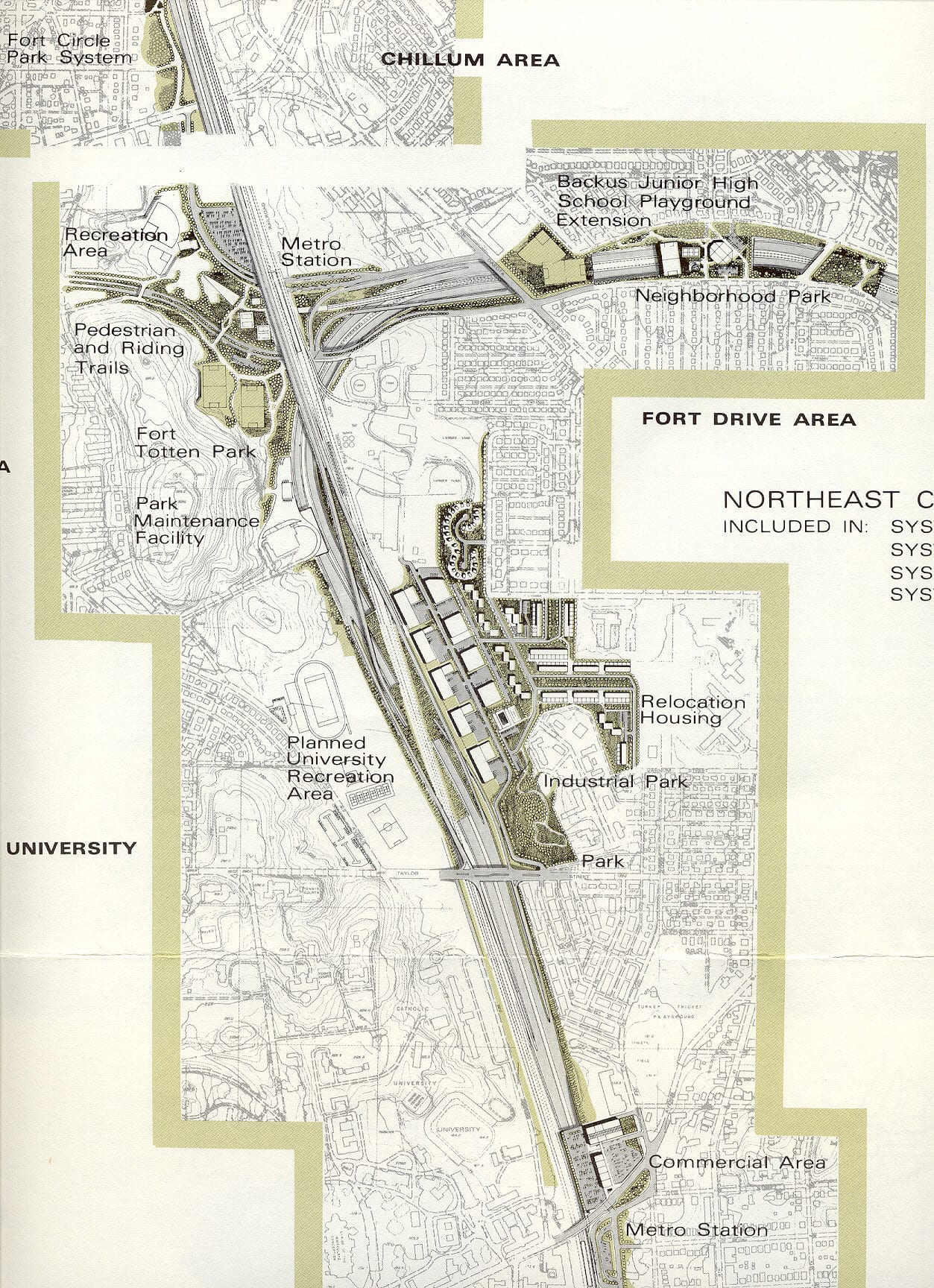
Take a look back at 1971 maps of what could have been I-95 cutting through D.C. Today, what is now 395, ends at New York Ave. NW. Get a glimpse into what could have been with these fascinating maps from 1971.
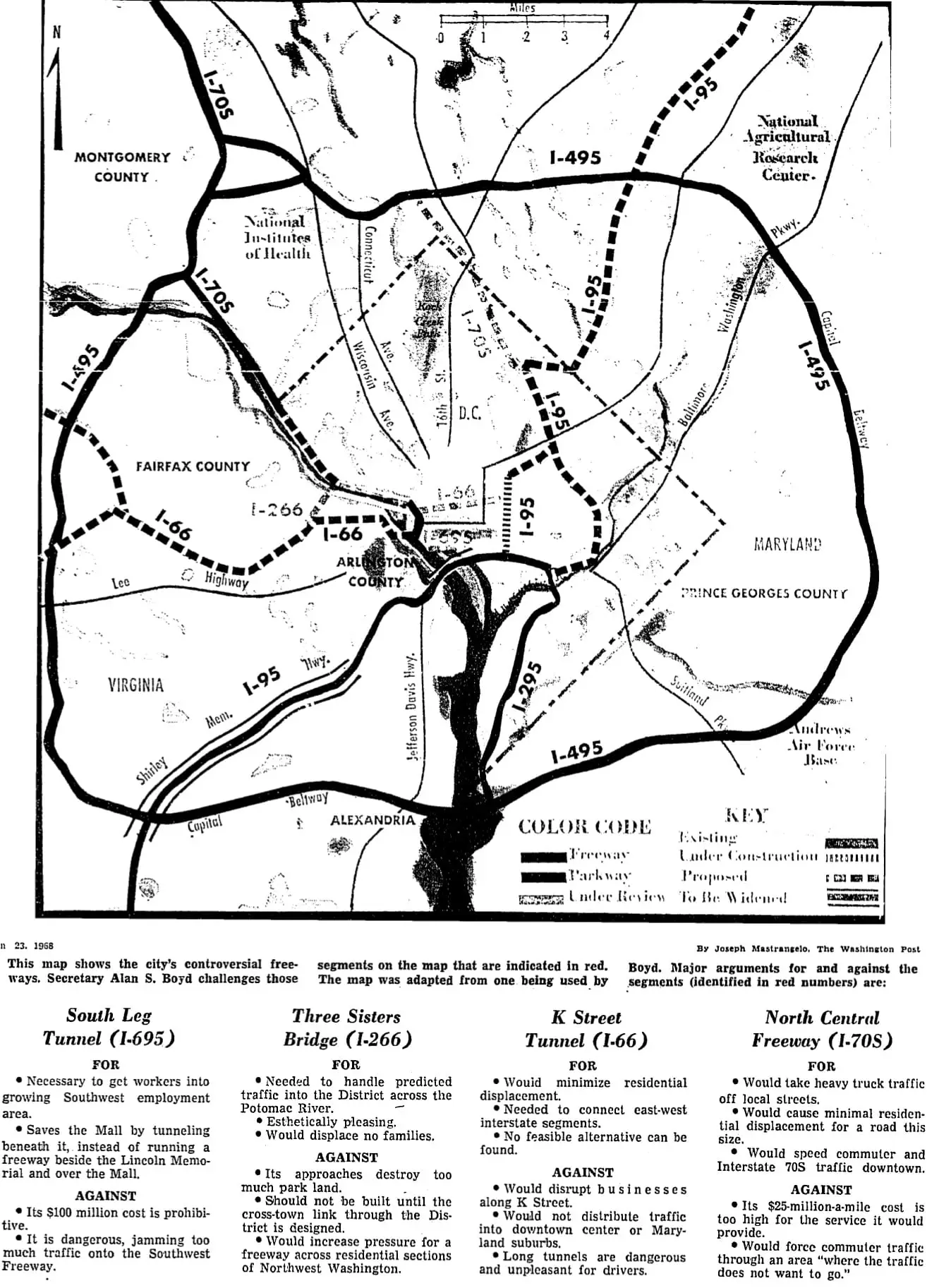
Why are there no interstate highways cutting through Washington? It’s one of the few cities without a major highway right through it. Learn the history going back to the 1960s.
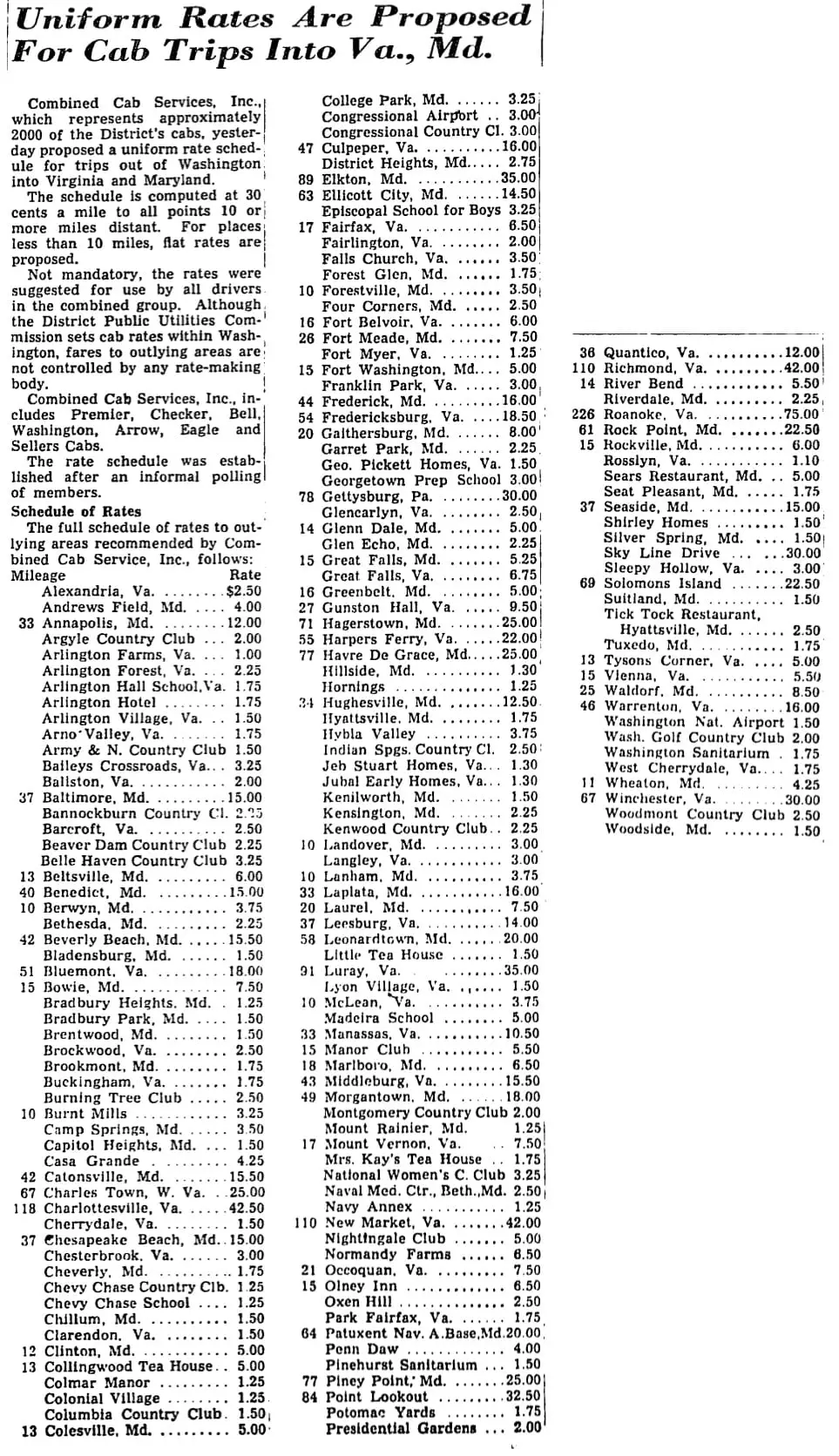
Take a look at what it cost to take a taxi in Washington D.C. in 1947. You won’t believe your eyes when you see the unbelievable rates revealed in this article from The Washington Post. Plus, find out who is taking a cab from D.C. to Charlottesville or Gettysburg.
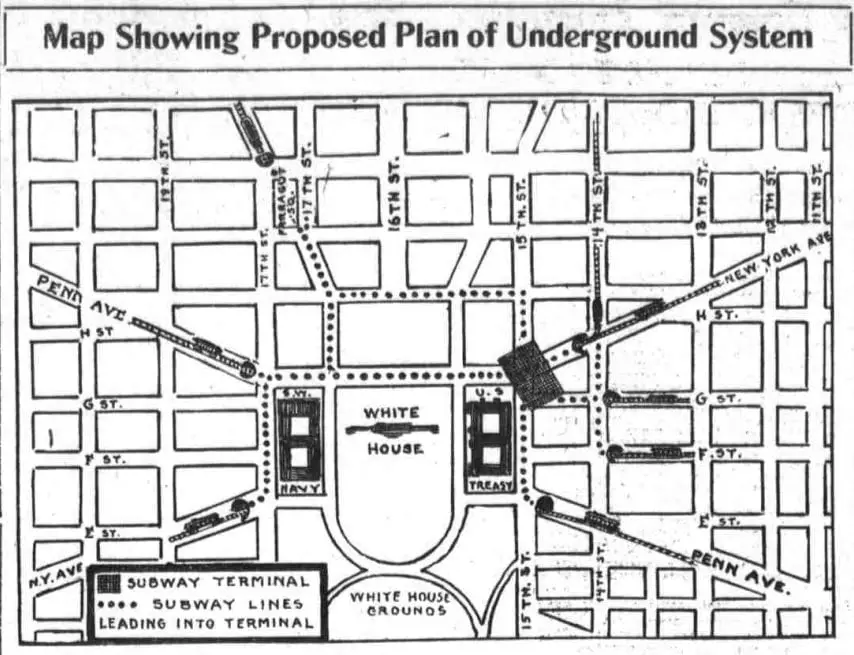
Washington DC almost has a subway started in 1912, well before WMATA and Metro opened in 1976. Learn about what almost was built in the District.
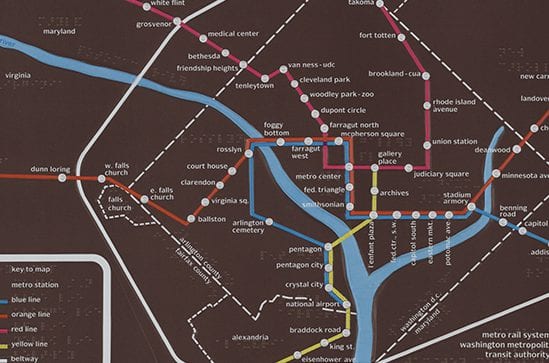
Explore a Metro map done with braille and discover its date. This map stops at Silver Spring, so it’s some time before 1990, when Forest Glen was built. Find out more in this blog post.