
This is amateur 16mm film shot and uploaded to YouTube. The voiceover is amusing, but the scenes are a great step back in time over 80 years.
The United States Capitol has stood at the center of Washington since the 1790s, and GoDC has spent years digging into its history. These posts cover everything from the Capitol’s construction and the British burning of 1814 to the dome’s completion during the Civil War and the debates, ceremonies, and controversies that have played out inside ever since.
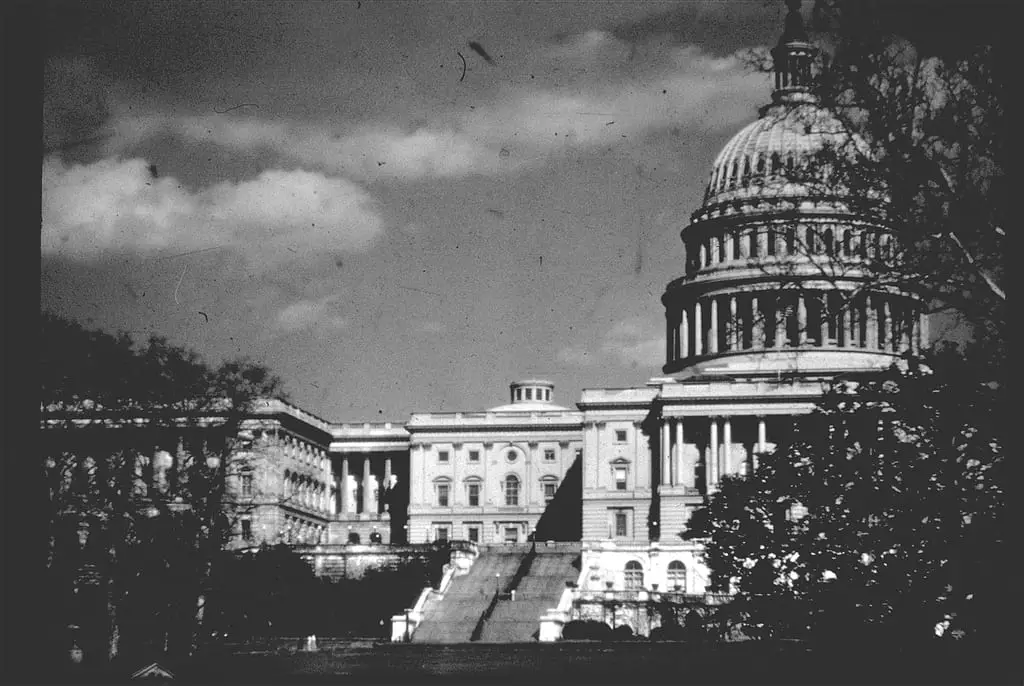
This is amateur 16mm film shot and uploaded to YouTube. The voiceover is amusing, but the scenes are a great step back in time over 80 years.
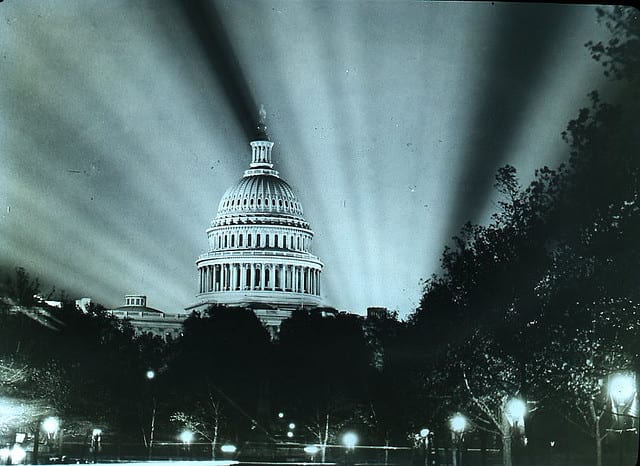
Here’s an excellent photo from the DC Public Library Flickr photostream. This shows the Capitol Building fully lit up following announcement of the end of World War I.
The end of the Great War has lost its luster in place of the end of the Second World War … but it was an equally, if not more celebratory occasion, given that it was the war to end all wars.
Here’s the report from the Baltimore Sun on November 8th, 1918.
Washington, Nov. 7.–Delirious with delight over a cabled report from Europe that germany had signed the Allied armistice terms and hostilities had ceased at 2 o’clock this afternoon, Washington wildly celebrated the announcement until midnight, despite the fact that the War and State Departments absolutely refused to confirm the statement. By the time darkness fell, 200,000 persons blowing horns, waving flags, singing “My Country, Tis of Three” and racing through the streets in automobiles and motortrucks, had turned the city into a bedlam. Never have such scenes of wild and delirious joy gripped the people of the national capital.
The first report of armistice having been signed came shortly after noon, when a local paper put out an extra. This was not convincing. Shortly afterward the St. Angelus siren on the Evans Building, where the SUN Bureau is located, began to toot. It had been announced that this siren would not blow until the official news of the signing of the armistice had been made. Then Washington went crazy with joy.
Tens of thousands of war workers dropped their work over the protest of their chiefs and leaped through the doorways into the streets. They began marching, yelling like mad, singing and waving flags. It was not long before every Government department practically ceased work. More than 100,000 persons jammed the streets, and the wildest celebration Washington has ever seen began.
Appeals from the State Department that the celebration be withheld until official confirmation had been received had no affect on the crowd. Washington believed the armistice had been signed and wanted to celebrate, and it did.
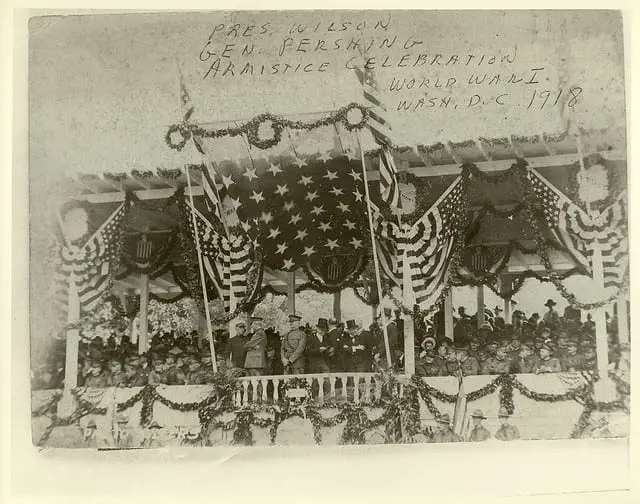
A marching crowd of several thousand men, women and children, led by a sailor, a soldier and a marine, each carrying an American flag, appeared in front of the White house. Led by the sailor, the crowd began singing “My Country Tis of Three.” Between 4,000 and 5,000 persons watching the demonstration uncovered their heads and joined in the anthem. Yells were made for President Wilson, and he appeared on the White House portico and waved his hand at the crowd. Then a mighty shout shook the heavens. The crowd accepted the President’s appearance as official confirmation of the signing of the armistice, and the enthusiasm knew no bounds.
In the meantime a hastily-cabled inquiry by Secretary of State Lansing concerning the report brought an answer that the report was untrue. The crowd did not know it and would not have believed it had they been told, so intoxicated with joy were they.
Most of us have never experienced anything like this — frankly, hopefully we never will — but I’m sure you can imagine the unbelievable collective emotional relief and celebration that resulted.
Take a look at the video above. It shows Wilson leaving the White House to the Capitol Building and the unbelievably large crowds gathered in the streets.
After the President had appeared before the crowd there was no possibility of restoring the equilibrium of Washington. War workers had organized parades by the score. Heavy army trucks were rumbling up and down Pennsylvania avenue, loaded with thousands of school children, each waving a flag and yelling to the limits of their lung power. The war workers who did not leave their building crowded to the windows waiving flags and sang. Others gave three cheers for Pershing.
Crippled soldiers from Walter Reed Hospital, invalid from the battle fields of France, rode down the avenue in automobiles and waved their crutches at the thousands of cheering spectators on the sidewalks. Soldiers, sailors and civilians, arm in arm, paraded, beat drums, blew horns, beat tin pans or made some other kind of noise.
Meanwhile, a half dozen army aviators in biplanes and naval aviators in hydroplanes flew over the crowds, some of them diving to almost the house tops along Pennsylvania avenue and giving the throngs in the street one thrill after another.
All these activities were construed by the populace as confirmation of the hoped-for news. An enormous crowd of employes of the Treasury Department sent a delegation to the Secretary of War Baker to request him to make a speech. He sent back word that the Government had received no confirmation of the report, and that it obviously was untrue. This did not dampen the spirits of the crowd perceptibly.
Wow. I can only think of two other occasions that were close to this level of celebration. The first being the Civil War and the second of course, World War II.
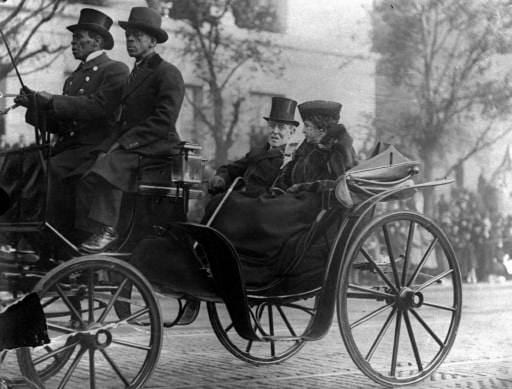
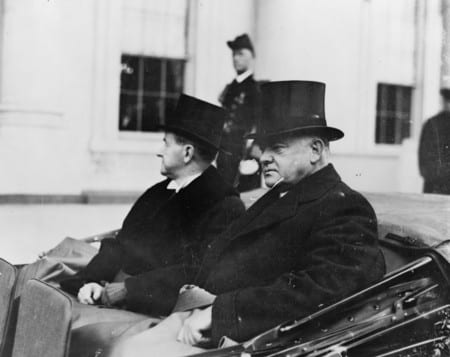
This is an excellent silent film from 1929. It begins with outgoing president Calvin Coolidge and Hoover entering a vehicle and being taken to the Capitol Building down Pennsylvania Avenue.
The members of the Supreme Court are seen — including former president and then Chief Justice William Howard Taft — on the inauguration platform. Both Coolidge and Hoover are present and then the scene closes with the latter giving his inauguration speech.
The parade is grand and festive as Washington celebrates the incoming president. Hoover reviews the parade from the grandstand on Pennsylvania Ave, just north of the White House. The film closes with Calvin and Grace Coolidge waving goodbye from the back of a train.
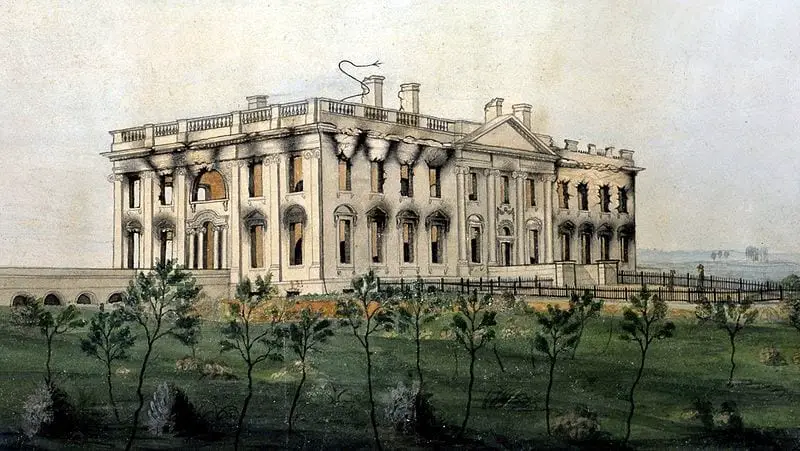
In October 1814, the U.S. House came within nine votes of moving the capital out of Washington. The bill failed 83 to 74. The Washington we live in exists because nine House members didn’t want to put the government on wheels.
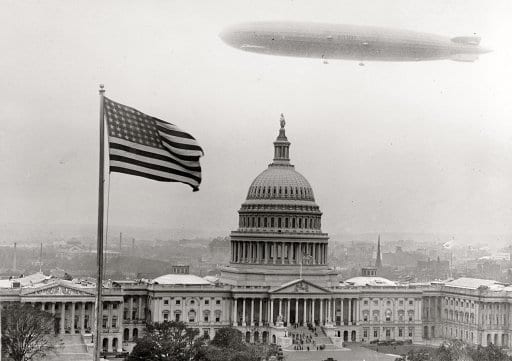
Read about the Graf Zeppelin’s visit to Washington, D.C. in 1928. Learn about its journey from Germany and President Coolidge’s quick break from work to admire the dirigible. Includes photos, videos and more!
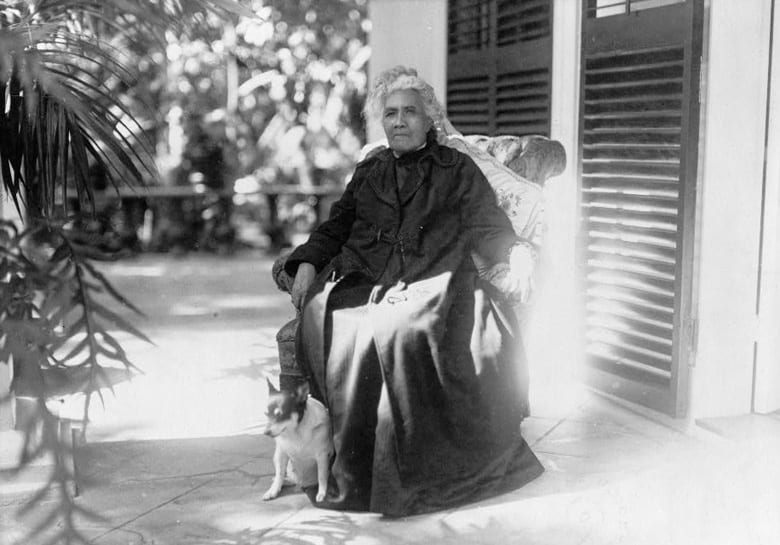
On January 24, 1897, the deposed Queen Liliuokalani arrived in Washington on the night train. She had come to lobby against U.S. annexation of Hawaii — and checked into the Shoreham Hotel at 15th and H Streets.
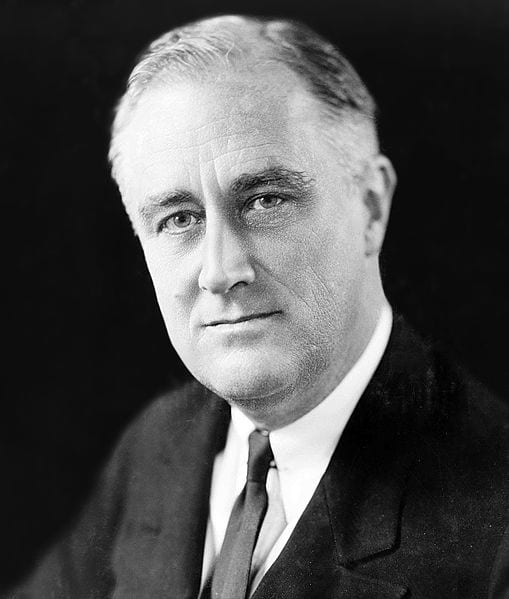
This is one of the greatest State of the Union speeches of all time … the one given, twelve presidents ago, by Franklin D. Roosevelt on January 6th, 1941. If you want the full text of the speech, go here.
This speech is known as the “Four Freedoms Speech.” It was his first State of the Union after winning an unprecedented third term and it is considered one of his most memorable and influential speeches.
Europe is embroiled in World War II and the President makes the case that America is under the greatest threat it has ever been under, and it is incumbent upon the nation to supply needed arms to our allies in Europe. The Lend-Lease Act was signed into law just two months later.
The closing statements of the speech are the most memorable, as he outlines the “four essential human freedoms,” which are critical for a secure and prosperous world.
The first is freedom of speech and expression — everywhere in the world.
The second is freedom of every person to worship God in his own way — everywhere in the world.
The third is freedom from want, which, translated into world terms, means economic understandings which will secure to every nation a healthy peacetime life for its inhabitants — everywhere in the world.
The fourth is freedom from fear, which, translated into world terms, means a world-wide reduction of armaments to such a point and in such a thorough fashion that no nation will be in a position to commit an act of physical aggression against any neighbor — anywhere in the world.
The first two freedoms are codified the Constitution, while the latter two go beyond the scope of America’s founding document but became the basis of the modern liberal vision both domestically and internationally.
Follow us on Facebook or Twitter if you’d like to get more updates.
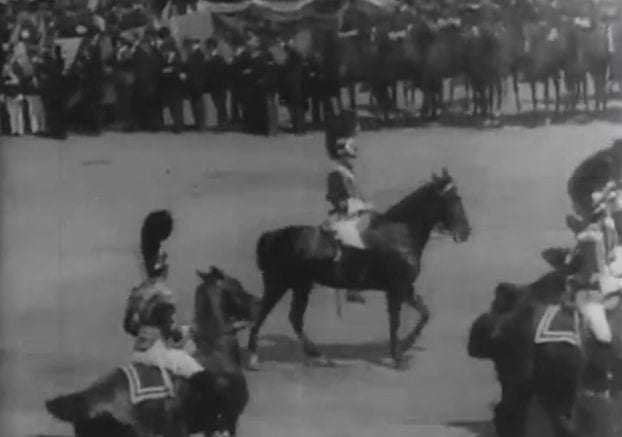
Witness history in this incredible silent film of President William McKinley, shot by Thomas Edison in 1901 at the Capitol. Thanks to the Library of Congress, we can see what life was like over a hundred years ago!
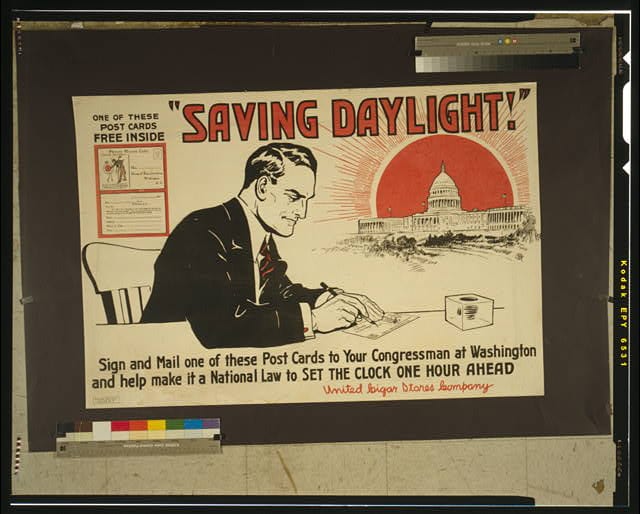
Learn the fascinating history and politics of Daylight Savings in the United States, from the debate in Capitol Hill in 1918 to the push for grassroots mobilization.