National Victory Celebration in 1991: America’s Last Great Military Parade
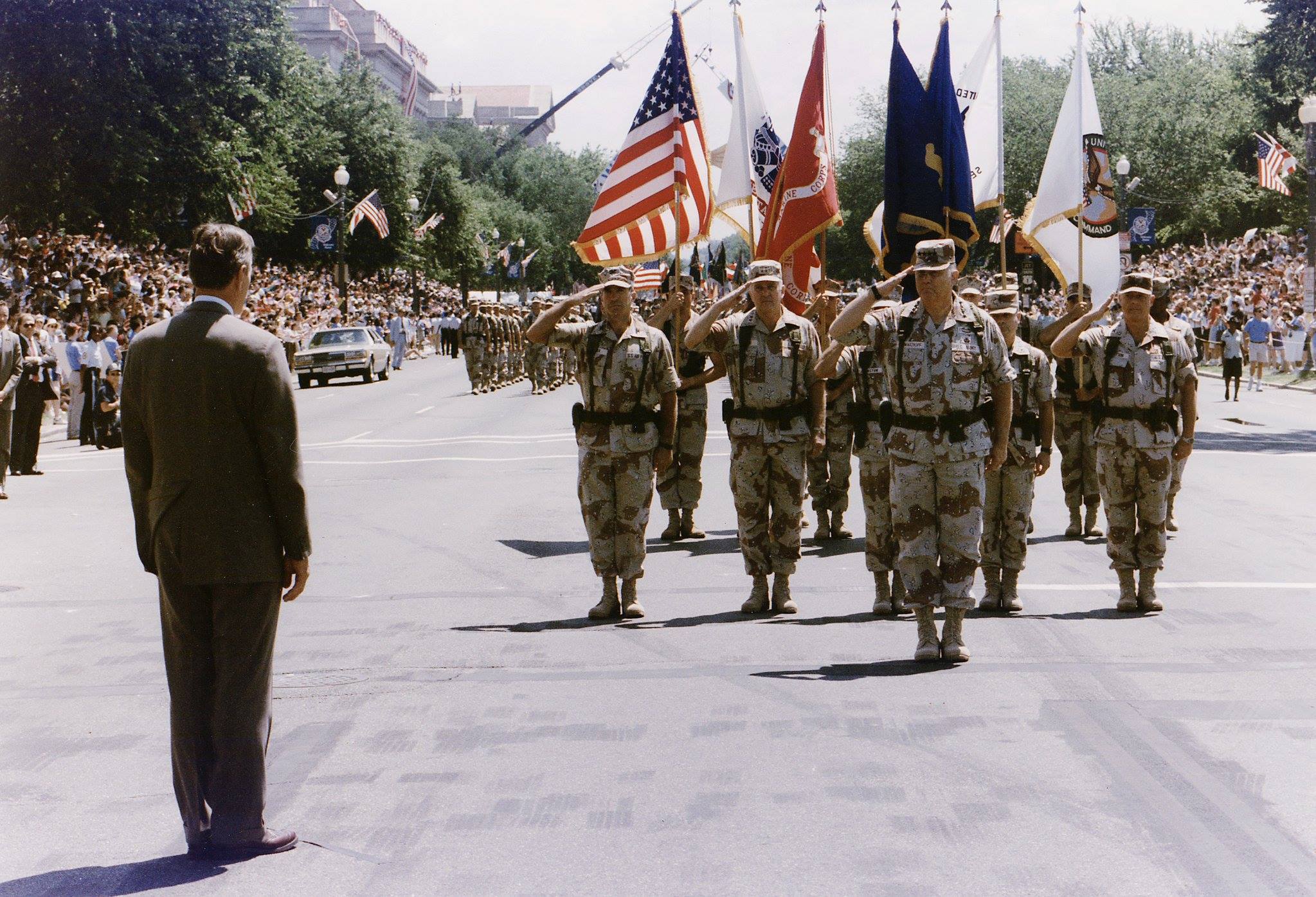
On June 8, 1991, 800,000 people watched 9,000 Desert Storm veterans march down Constitution Avenue in the biggest parade since WWII.
Washington has been a military city since its founding, from the Civil War forts that ringed the capital to the Pentagon across the river. These posts cover the soldiers, bases, battles, and defense history that have shaped the DC area over more than two centuries.
On June 8, 1991, 800,000 people watched 9,000 Desert Storm veterans march down Constitution Avenue in the biggest parade since WWII.
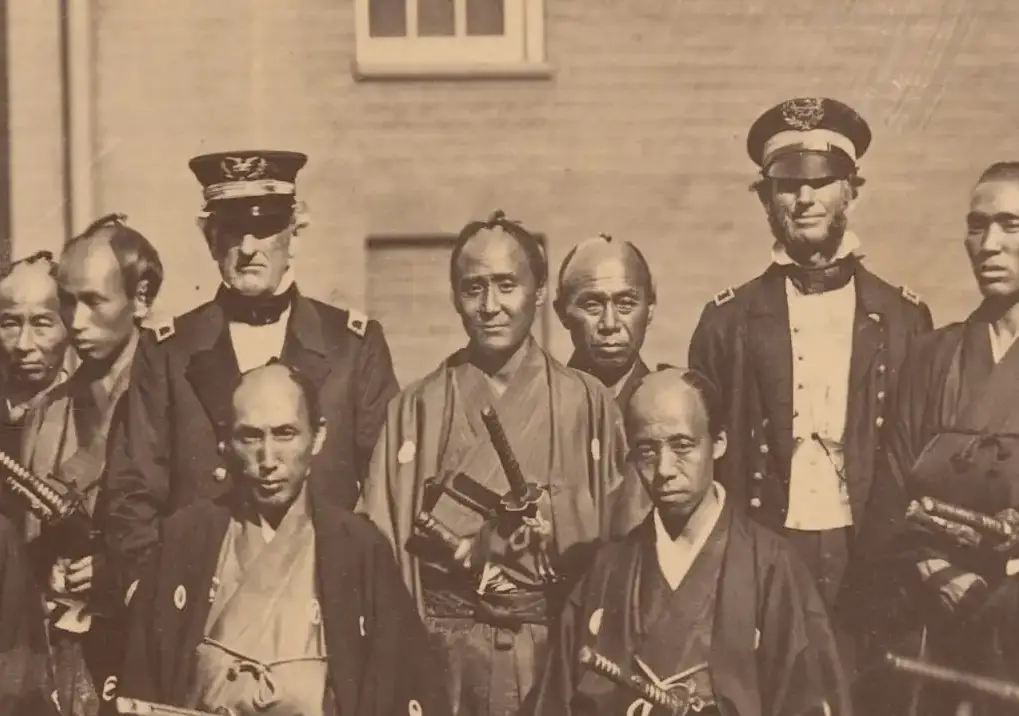
Dive into the captivating tale of Japan’s 1860 leap from centuries of isolation to forging ties with the U.S. Uncover their daring voyage, America’s samurai intrigue, and the birth of a legendary alliance.
The Langley family gave their name to this part of Virginia long before the CIA arrived. The name predates the agency by decades.
The story of Allen L. Adams, a soldier who dropped out of high school in 1965 to join the Army and was stationed at Ft. Myer in 1967. He disappeared one night, and it wasn’t until 1996 that his body was found in an abandoned building. This unsolved mystery still remains.
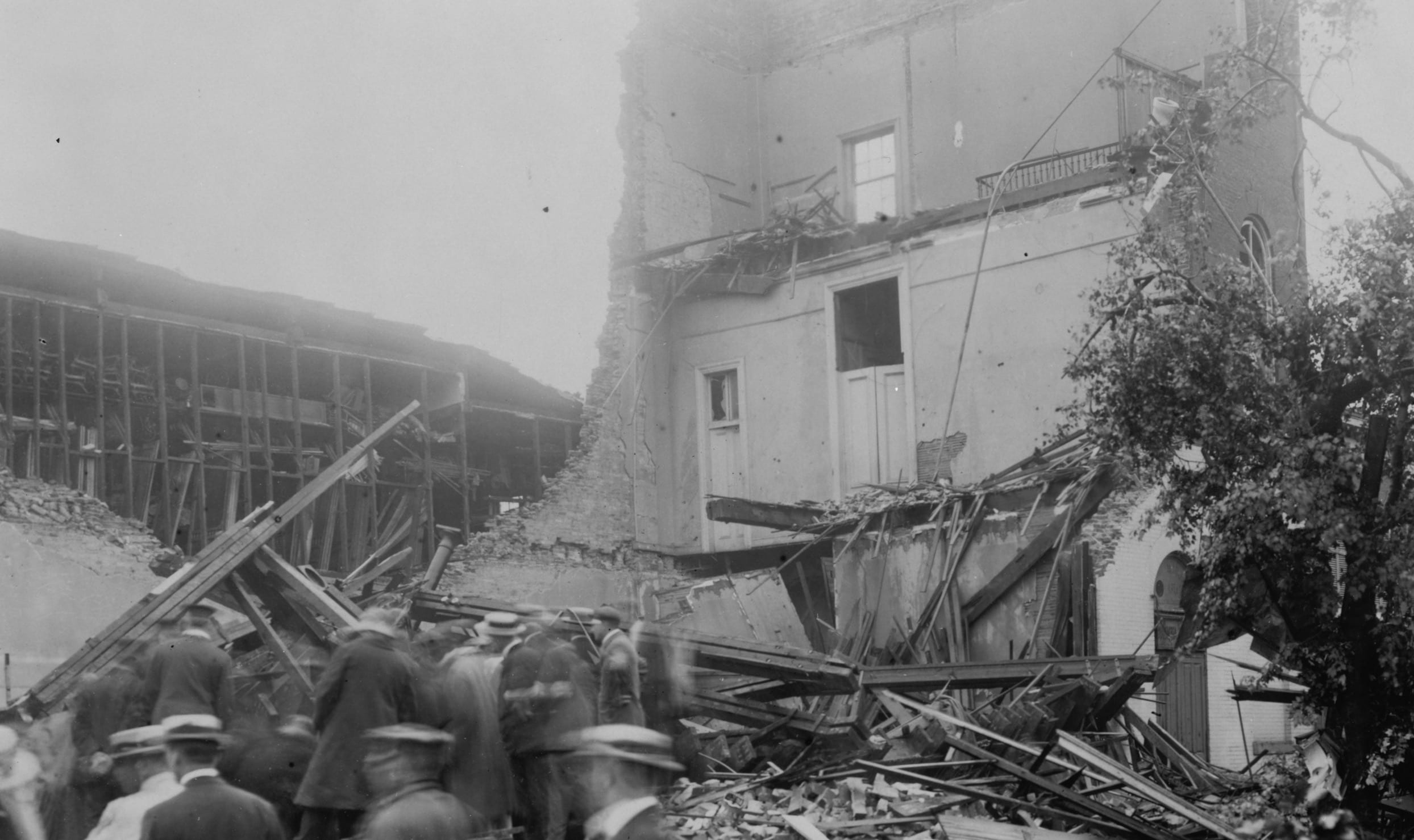
On November 17, 1927, a tornado ripped through DC and Alexandria. It destroyed 200 homes in the District and 300 structures in Alexandria. 50 were injured.
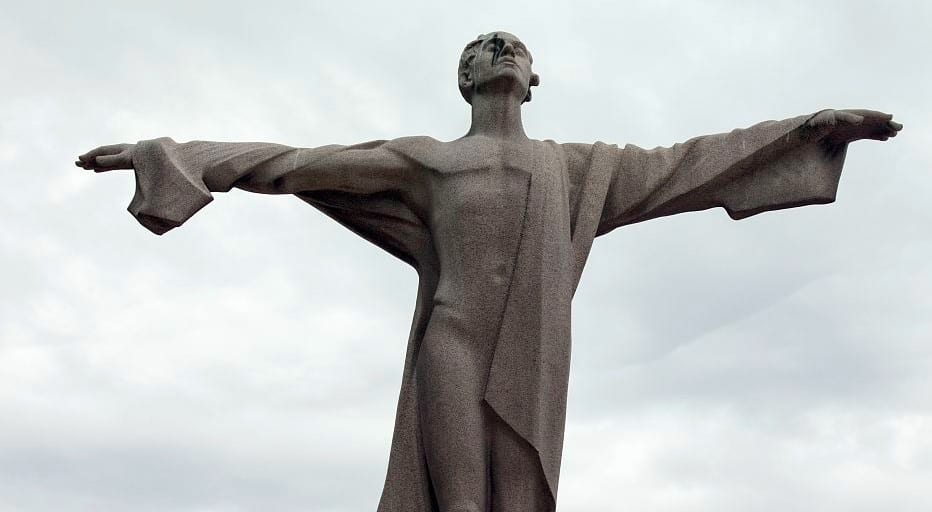
Remember Major Archibald Butt, who perished in the 1912 Titanic disaster. Read this guest post to learn more about the Butt-Millet Memorial Fountain and the Women’s Titanic Memorial in DC. See photos, maps and learn more!
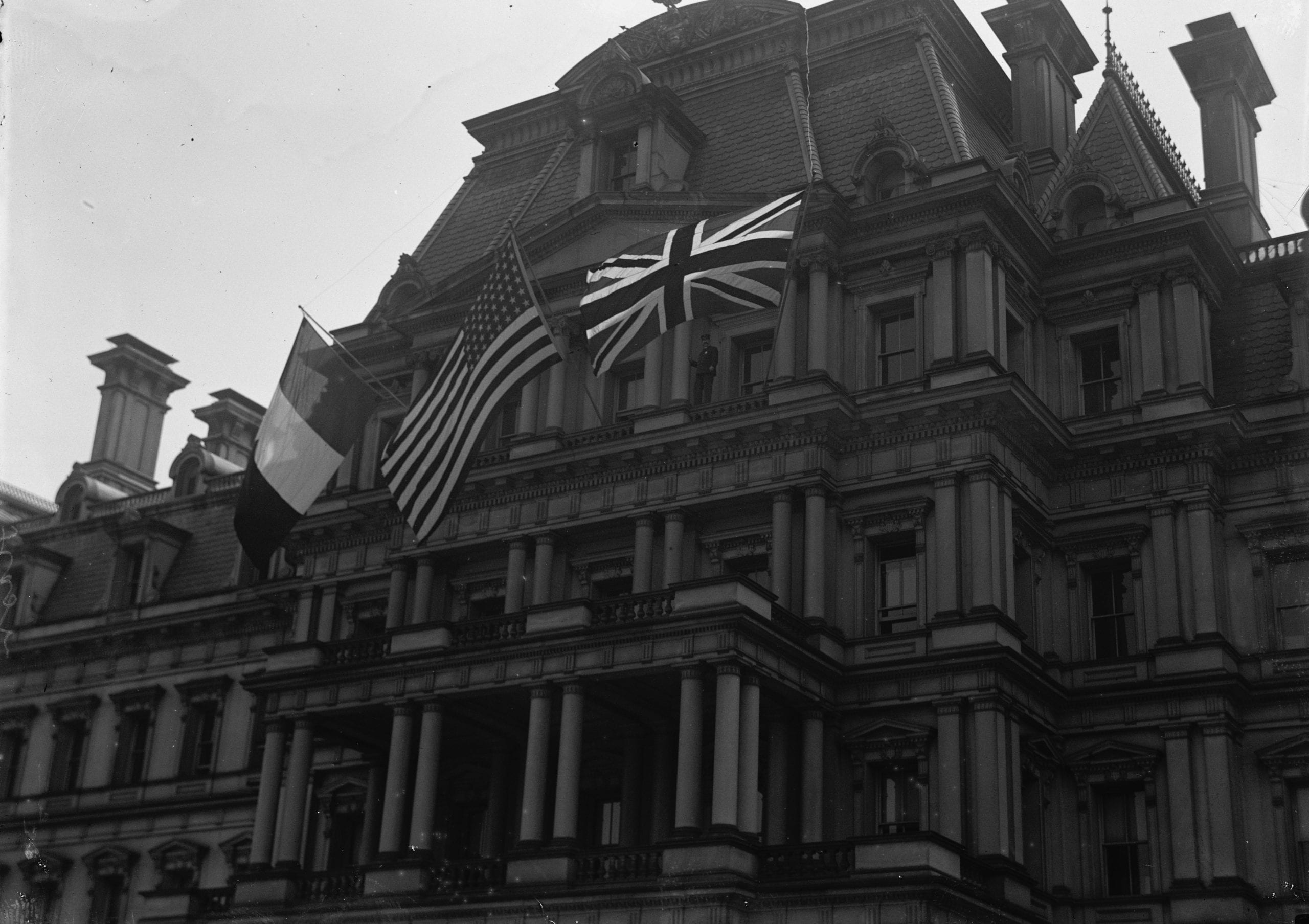
A spectacular sight from 1917: French, U.S., and British flags flying from the State, War, and Navy Building. View the photo and read more here!
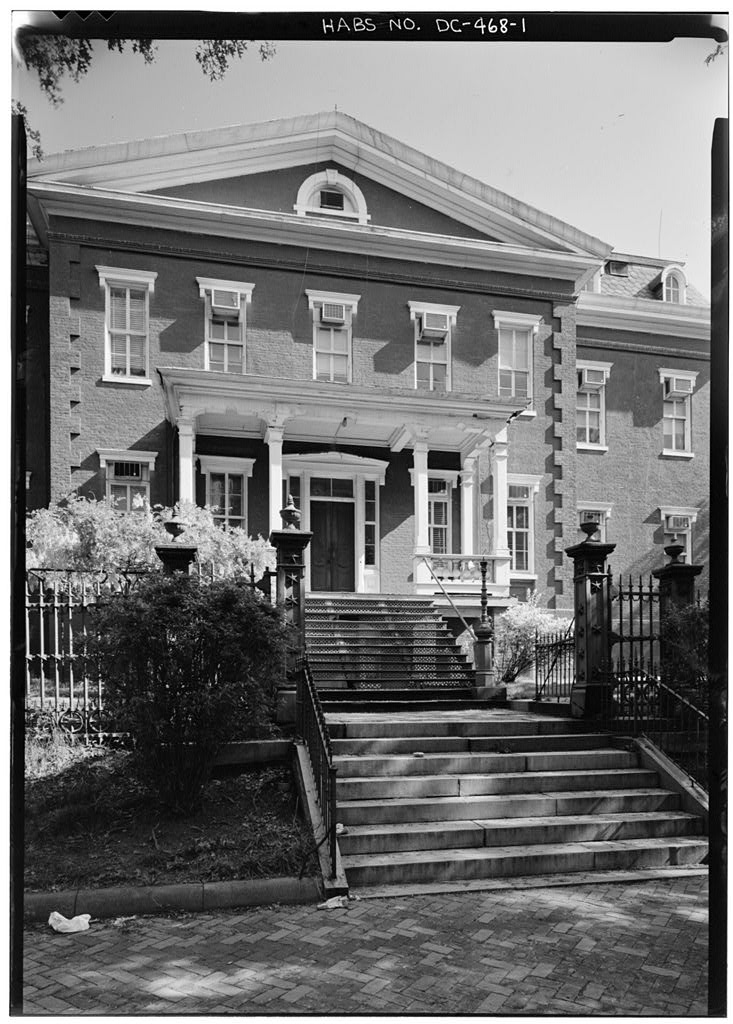
Take a look at this amazing map of the Old Naval Hospital shared by a loyal GoDCer! We explore the history of this historic building and the proposed extension of New York Avenue that was never built
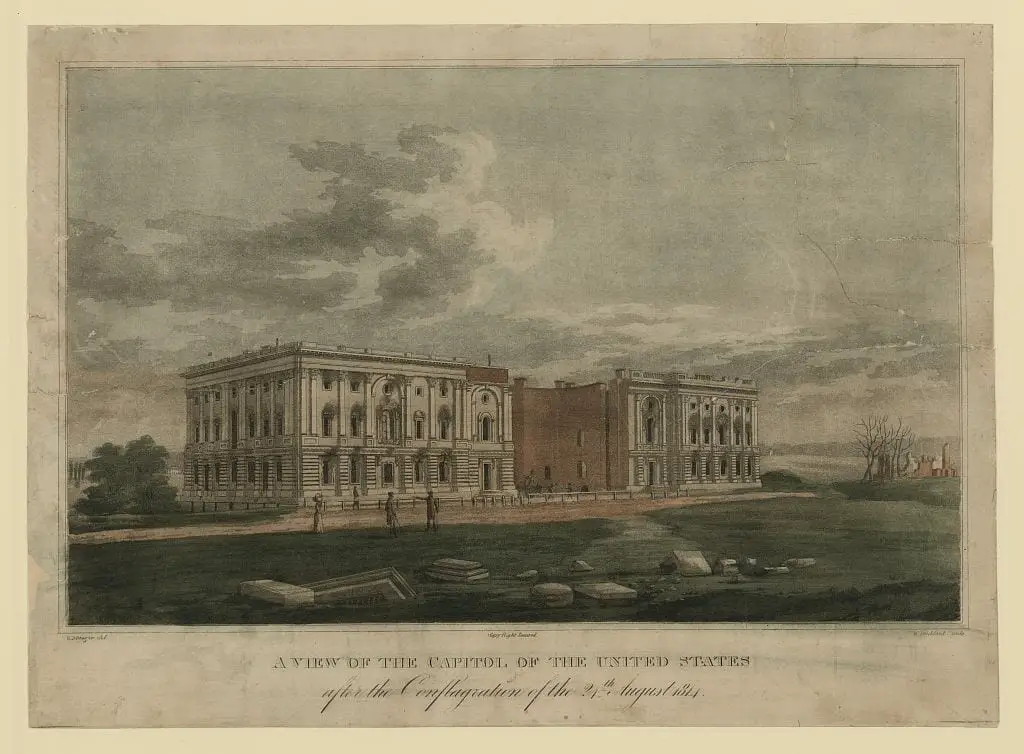
Explore these amazing engravings of the President’s House and the Capitol Building following the Burning of Washington on August 24, 1814. The engravings were done by William Strickland and depict the destruction caused by the British attack and subsequent tornado.