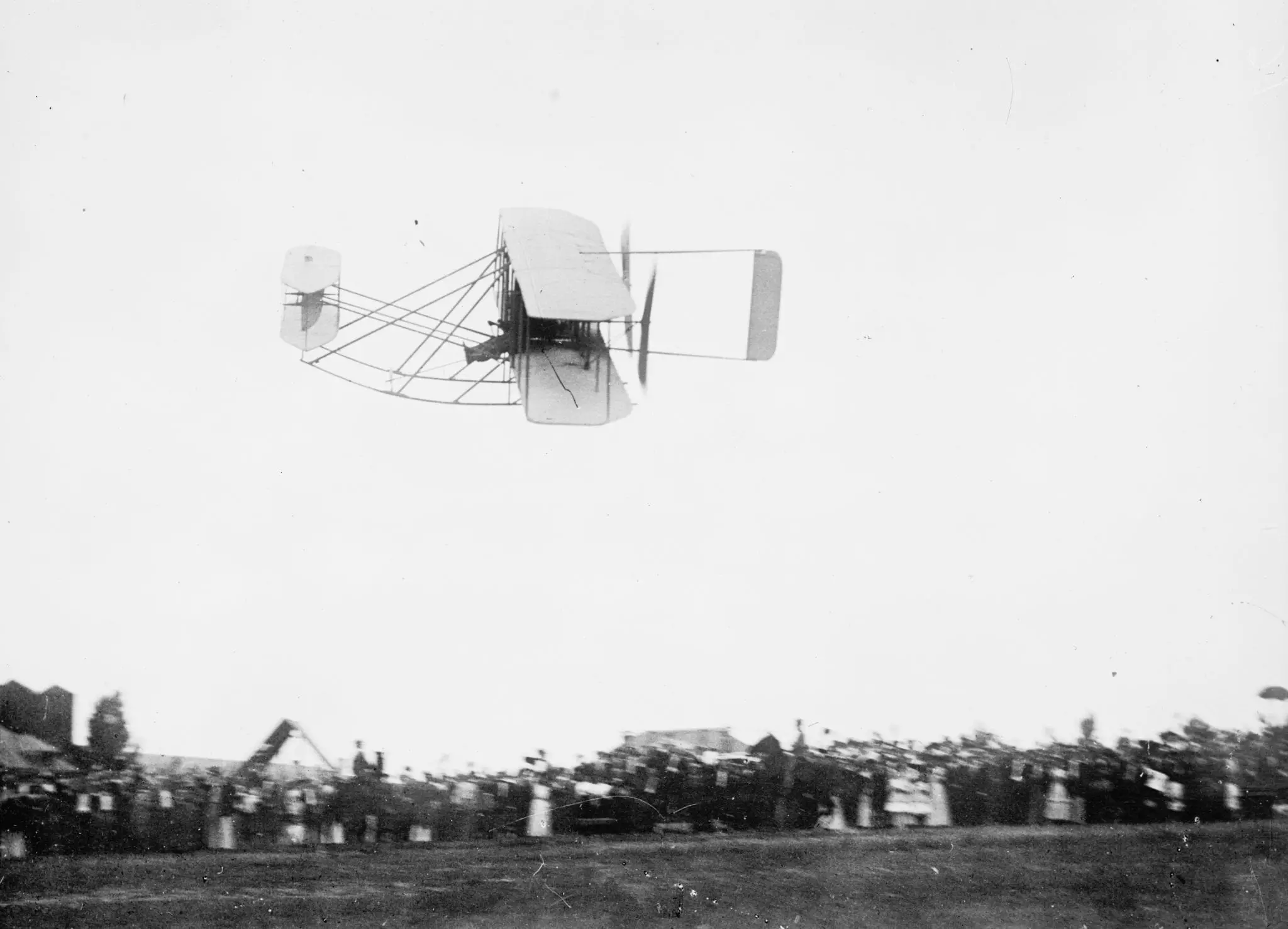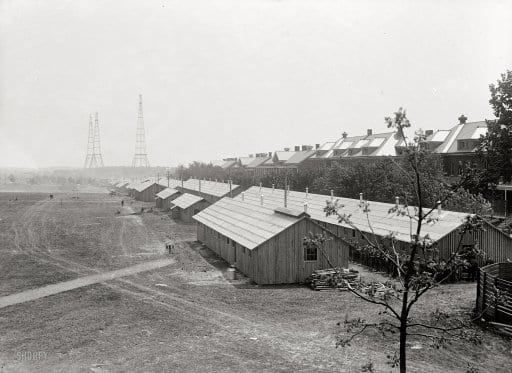
On July 27th, 1909, Orville Wright sets the flight duration record at Ft. Myer. The flight was over 40 miles with an average speed of also over 40 miles per hour.

Source: Library of Congress
Below is film footage from the test flight.
Fort Myer is a US Army installation on the high ground above Arlington National Cemetery in Virginia, with a history stretching back to the Civil War. It is best known as the site where Orville Wright demonstrated the US Army’s first military airplane in 1908, a flight that ended in a crash killing the Army’s first aviation fatality. These posts explore Fort Myer’s history as a military post and a landmark in American aviation history.
Relive the momentous event of Orville Wright’s flight record at Fort Myer in 1909 with this high-resolution image from the Library of Congress. Witness history!
On July 27th, 1909, Orville Wright sets the flight duration record at Ft. Myer. The flight was over 40 miles with an average speed of also over 40 miles per hour.

Source: Library of Congress
Below is film footage from the test flight.
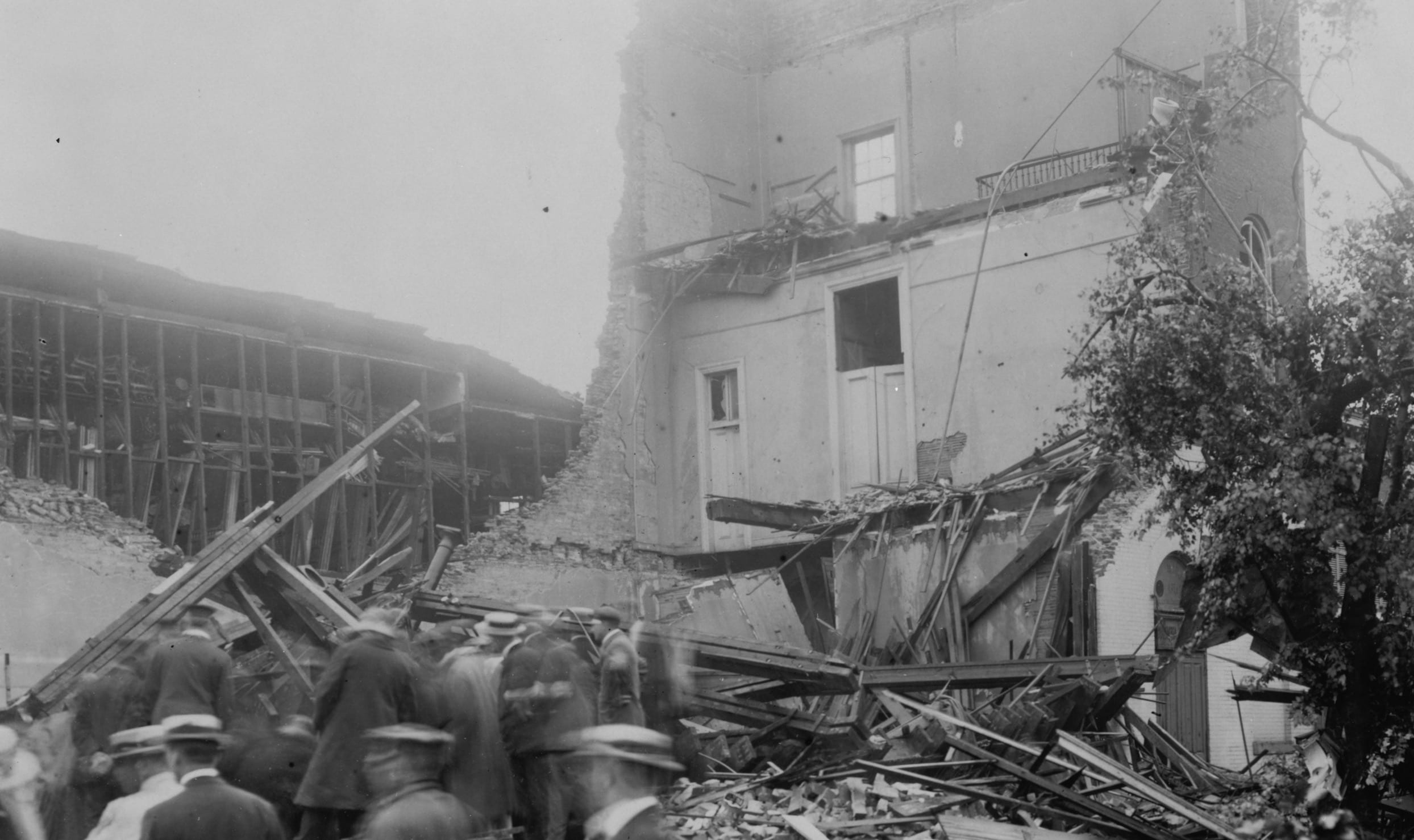
On November 17, 1927, a tornado ripped through DC and Alexandria. It destroyed 200 homes in the District and 300 structures in Alexandria. 50 were injured.
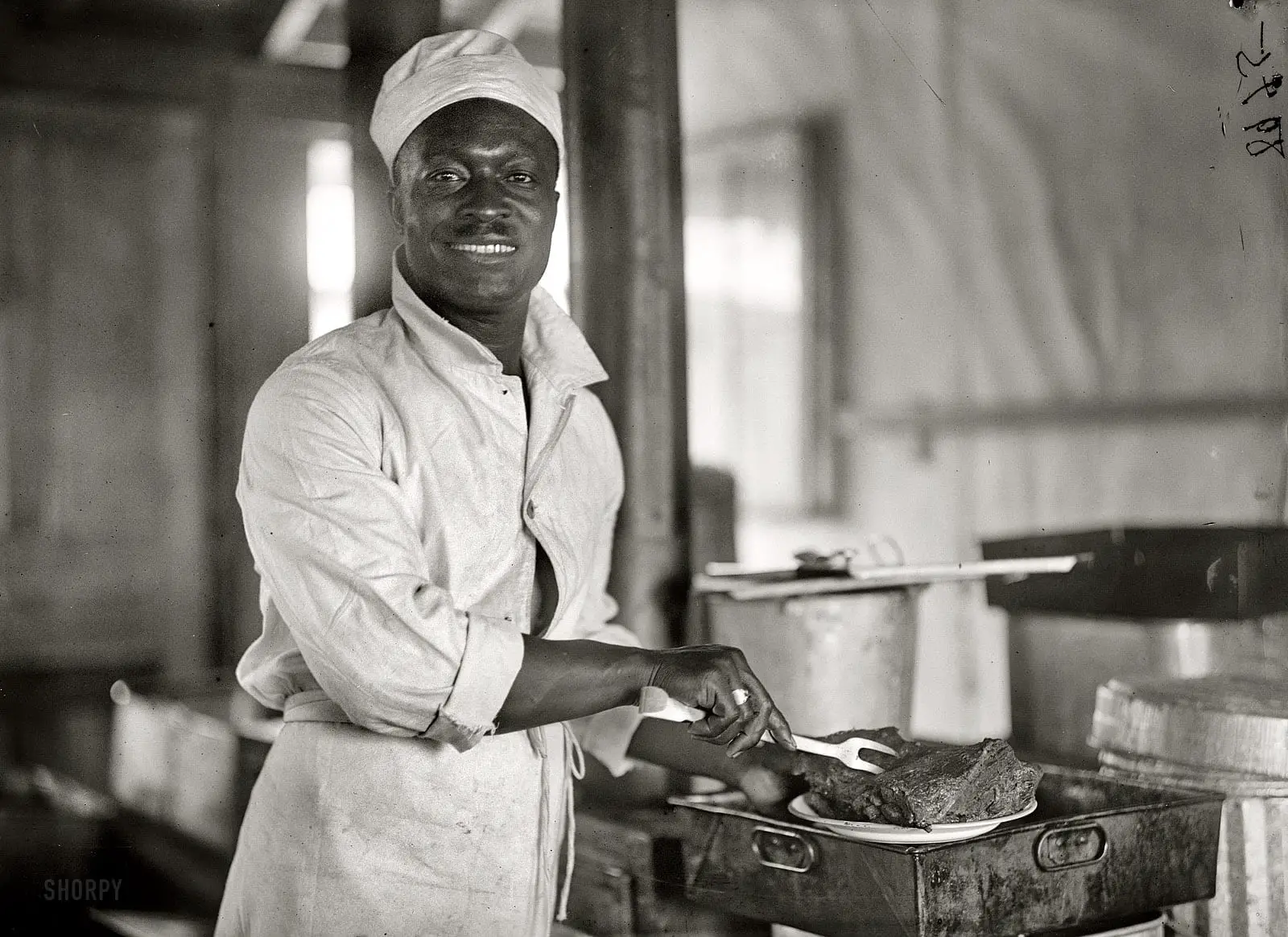
An unforgettable image of a smiling army cook at Fort Myer in 1917. We may not know his name, but his smile deserves to be shared with friends. Come take a look at this remarkable photo.
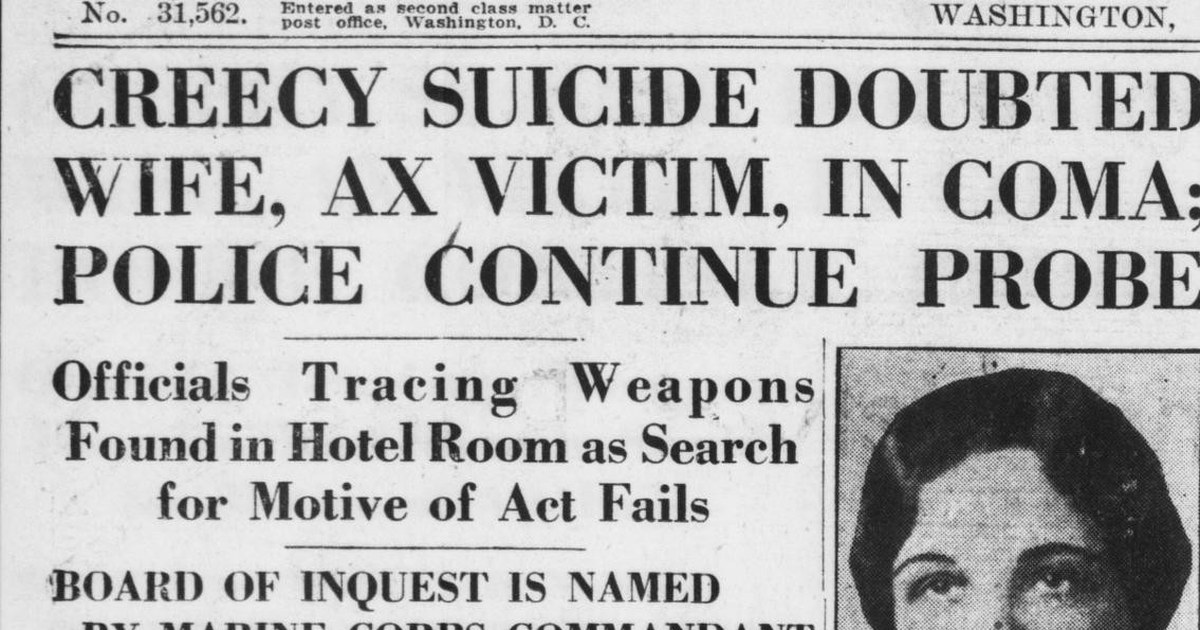
In 1930, a prominent military officer, Col. Richard B. Creecy, committed suicide in the Mayflower Hotel after trying to kill his wife with a hatchet. This strange story includes a bizarre connection to the first airplane fatality in history.
This was the headline on the front page of the Washington Times on Thursday, November 16th, 1911. Back in the early 20th century, Fort Myer, in Arlington, was being used as a movie set for silent films. Here’s the text of the article:
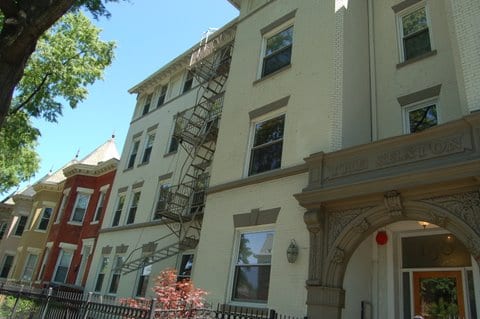
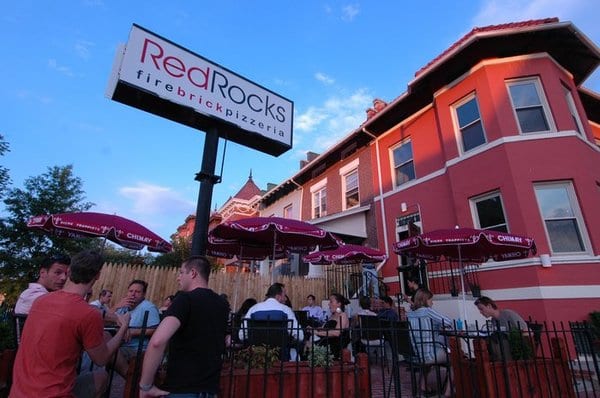
I received an email from a reader saying she learned of Ghosts of DC through this post on Big Bear Cafe. She kindly asked if I would look into the history of her Bloomingdale condo building in, as she knew very little about it (other than old stories from local cabbies).
I’m starting to see an increase in email requests like this, and I wish I could get to all of them, but for this one, I’m happy to oblige. I’ll see what I can dig up for her (and her neighbors) to bring to life the history of 150 Rhode Island Ave. NW, The Seaton. Plus, she asked very nicely and said please. So here’s our next “Reader’s Choice” and “If Walls Could Talk.”

Explore the history of 1036 Park Rd. NW in Washington D.C. through a historical sleuthing mission. Uncover the stories from the 1912 building permit, the marriage of Benjamin and Olga, Joseph Bryant’s Commerce Department career, and City Wide Learning Centers.