
The Bee Gees at the Capital Centre in 1979
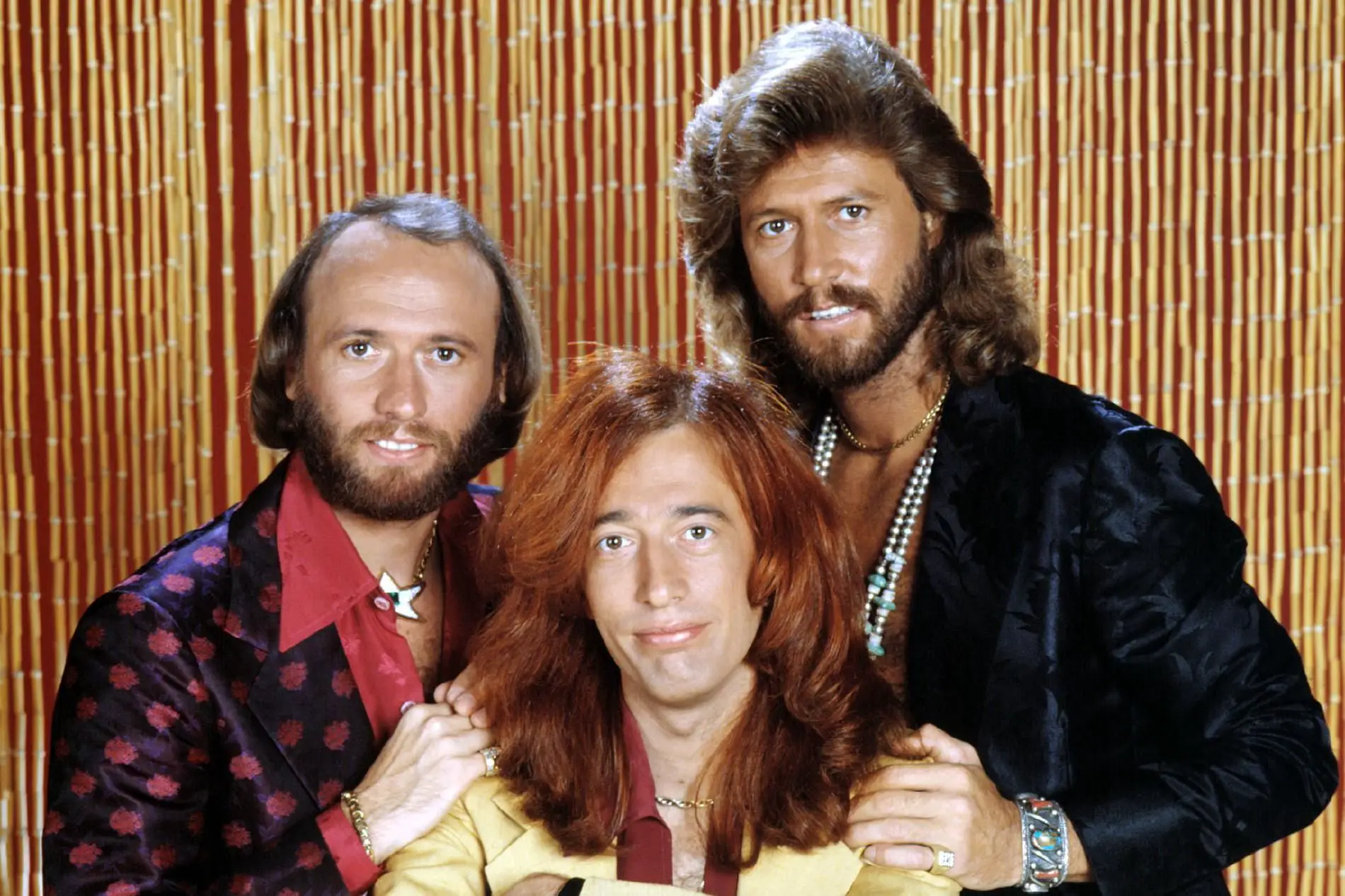
The Bee Gees played the Capital Centre on September 23rd, 1979, the 31st stop of a 38-city tour, and Barry Gibb’s falsetto set off screams. R.I.P. Robin Gibb.
The Washington Post has been covering the capital since 1877, and its history is deeply intertwined with the city it covers. These posts explore the Post’s story, from its early struggles and multiple ownership changes to the Watergate coverage that defined American journalism and the Graham family era that made it one of the world’s great newspapers.
The Bee Gees played the Capital Centre on September 23rd, 1979, the 31st stop of a 38-city tour, and Barry Gibb’s falsetto set off screams. R.I.P. Robin Gibb.

Take a look back in time to the mid-1920s and see what Brookland homes were advertised in the Washington Post. Get a glimpse of the original ad and compare it to today’s view of the sample homes!

Take a look back in time with this nostalgic advertisement for homes in Glover Park, Washington from the late 1920s. See the same home today on Google Street View.

Learn the unique history of Cathedral Heights, from its early days of wild dogs to real estate mogul William Matteson. Read an article from 1907 that announced the birth of Cathedral Highlands and the important role Matteson played in its development.
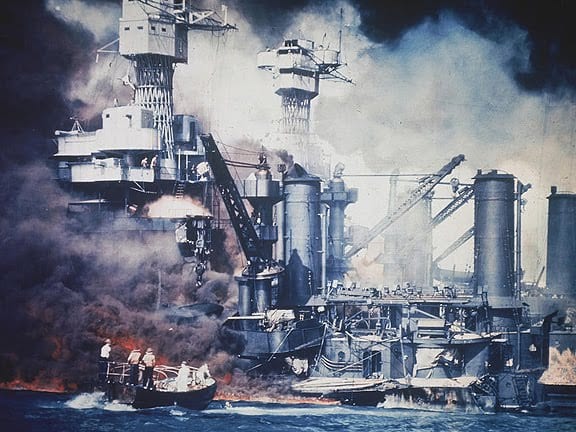
In the hours before Pearl Harbor, Washington Post articles spoke of the failing negotiations between the U.S. and Japan. Read about the articles and President Roosevelt’s dramatic move to prevent war. See his “Date Which Will Live in Infamy” speech and related articles.

In April 1915, an advertisement for the Lusitania ran in the Washington Post offering passage to Europe. The ship sank three days later, killing 1,198. Here’s the story behind the ad.

Officer Sprinkle is a DCPD badass. Read all about his daring rescue of a wild love triangle in the Washington Post on January 31st, 1892. Get a daily dose of DCPD badass Officer Sprinkle and his heroic deeds.
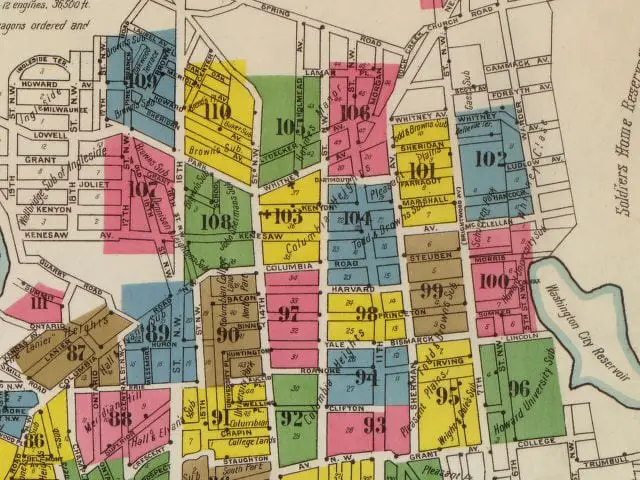
How did Columbia Heights get its street names? This history goes back to the early 1900s when street names came into alignment with the rest of the District.

Petworth was farmland before it was a DC neighborhood: two country estates, one named Petworth, and an 1895 Post writer who called it an ancient city.