
World War II
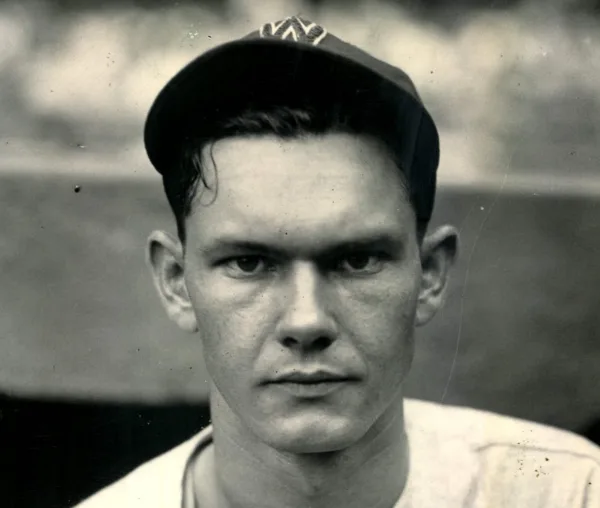
Buddy Lewis spent his major-league career with Washington, with military service interrupting his years on the field.

National Airport stories include a nonstop flight from Guam, a ticket agent’s murder and a dispute over the Virginia-D.C. boundary.

Wartime photographs show Walter Spangenberg at school and learning to fly before his naval aviation career and Korean War deployment.
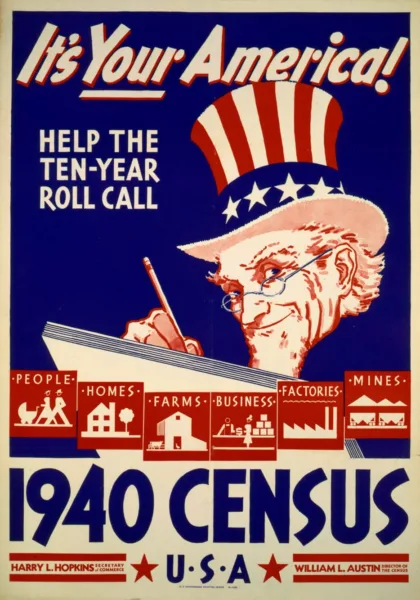
The District’s peacetime population exploded as government grew and workers – men and women – flocked to new jobs. It was 1940. Census employees hit the streets in April. They determined that D.C. had grown rapidly.
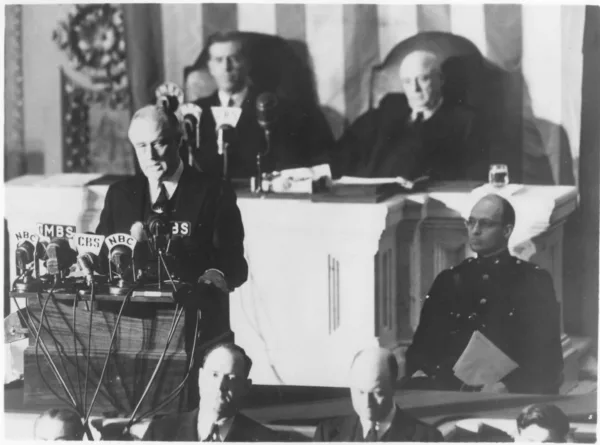
On the morning of December 7, 1941, the Washington Post covered failing talks with Japan and President Roosevelt’s move to prevent war. Hours later came Pearl Harbor.
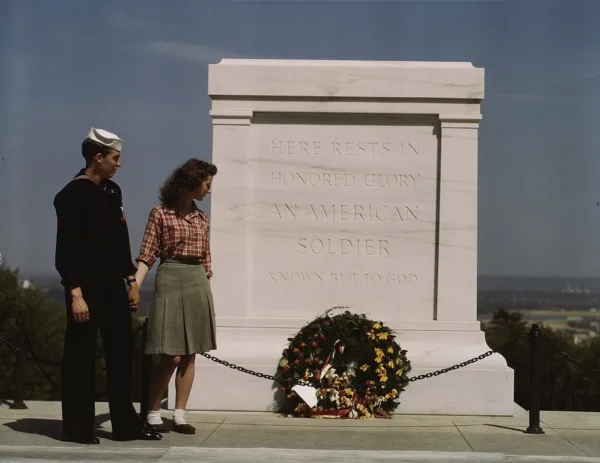
John Collier photographed a sailor and his girlfriend at the Tomb of the Unknown Soldier in May 1943; their names and later lives remain unknown.

A video and excerpts record Churchill’s appeal for British-American resolve after the United States entered World War II.

In May 1945, weeks after Truman took office, Iraq’s regent Prince Abdul Ilah visited Washington as the President’s guest and laid a wreath at a monument.

Two children play in front of cadets performing drills during World War II.
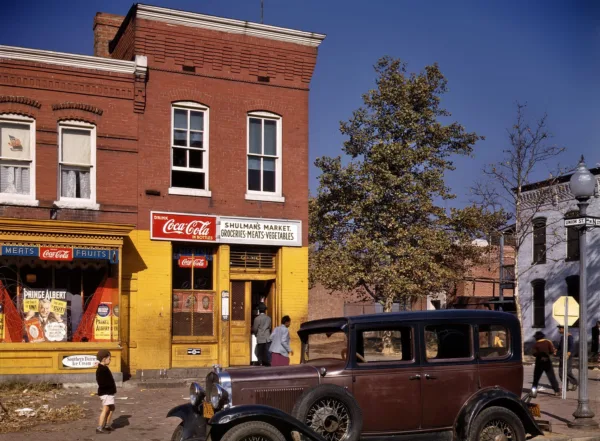
A 1942 color photograph shows N and Union Streets in Southwest Washington.

The Washington Lions moved from New Haven to Uline Arena in 1941, the first serious hockey team in DC. By 1948-49 they went 11-53 and were losing money.

Eight Nazi saboteurs landed in the United States in June 1942. George Dasch exposed the plot, and six men were executed at the DC Jail.

The blue house on Cliffbourne Place turns up in old newspaper stories about its residents, including a patent attorney and a juror.
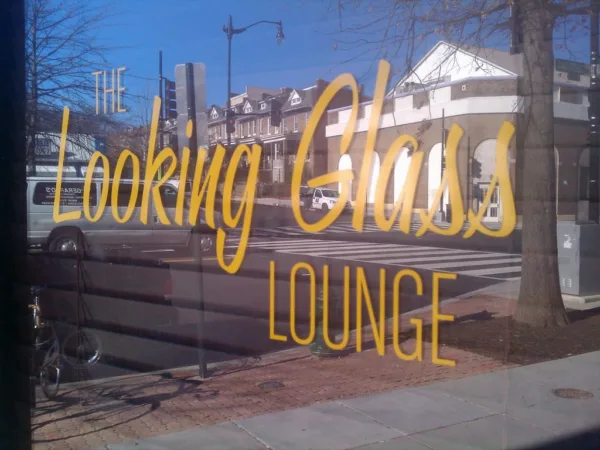
Old permits and newspaper accounts tell the story of 3634 Georgia Avenue NW, long before the address became Looking Glass Lounge.
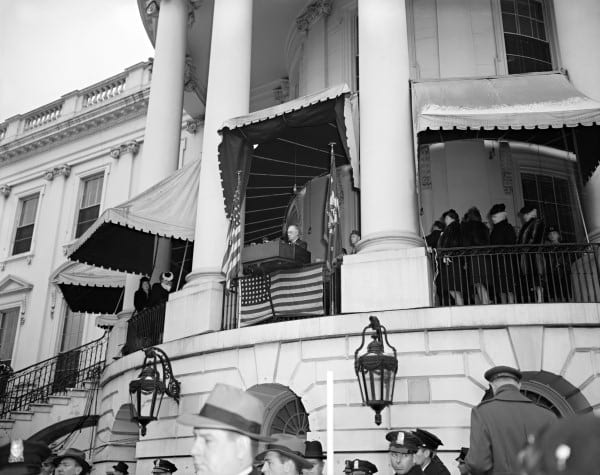
Wartime conditions made the ceremony on the South Portico a restrained start to Roosevelt’s fourth term.

Film and a photograph show FDR’s funeral procession through Washington on April 14, 1945, two days after his death.
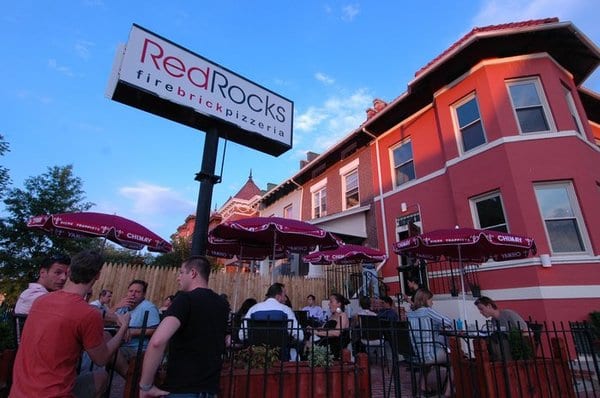
In 1912, Guy S. Zepp got a permit to build three brick houses at 1032 to 1036 Park Road NW for $6,600. One later became Red Rocks pizzeria.