
140 Years of Fighting Over Memorial Bridge
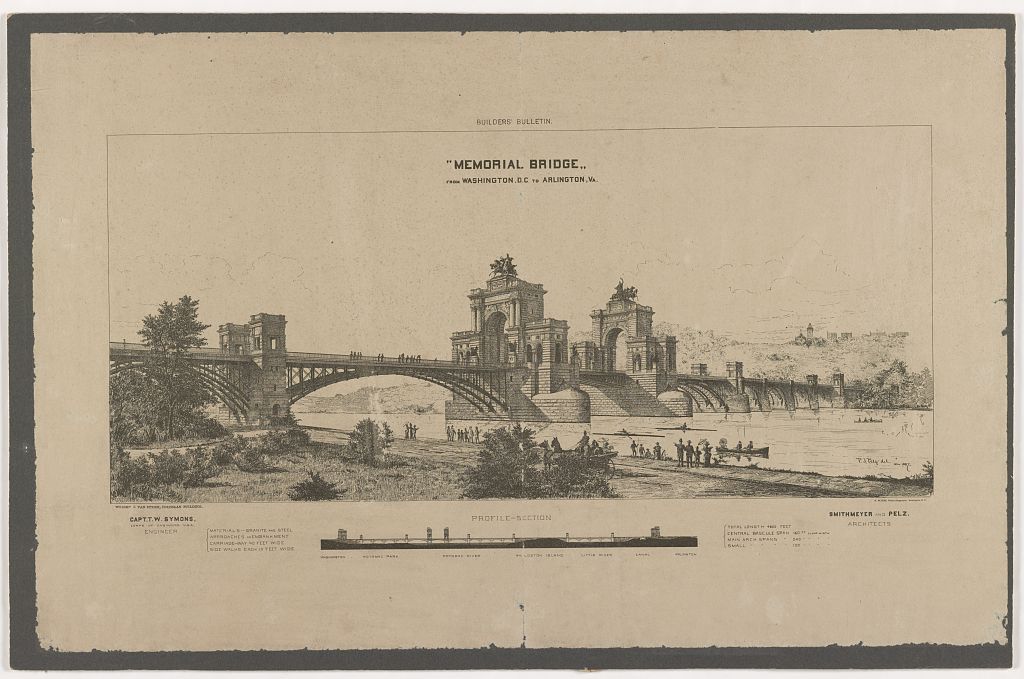
In 1931, gold-topped columns were killed for being too tall for airplanes. Now a 250-foot arch is proposed at the same spot. The full history since 1886.
Carved from the estate of Robert E. Lee after the outbreak of the Civil War, Arlington National Cemetery has served as the nation’s most honored military burial ground since 1864. These posts trace its history, monuments, and notable graves.
In 1931, gold-topped columns were killed for being too tall for airplanes. Now a 250-foot arch is proposed at the same spot. The full history since 1886.
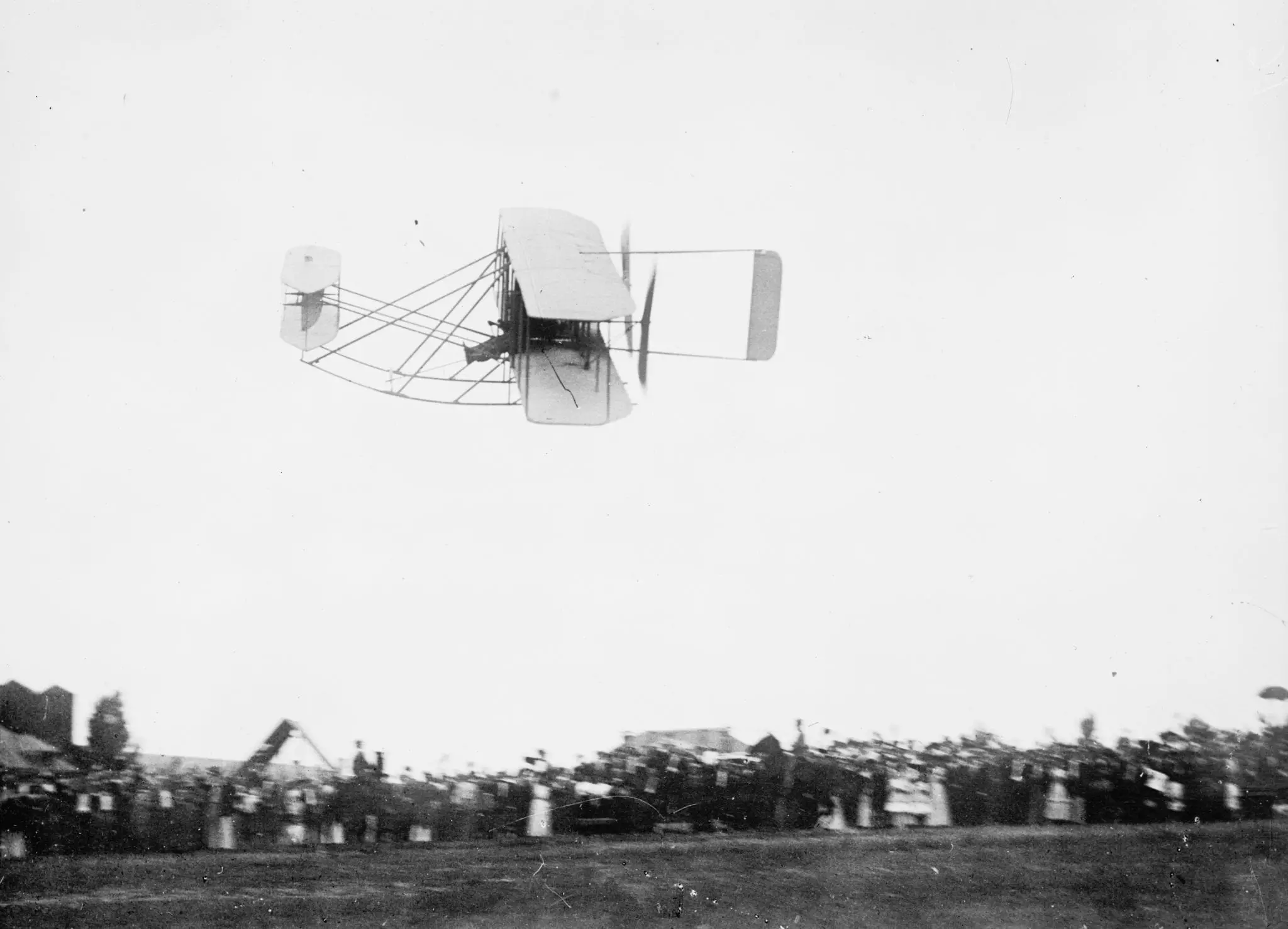
On September 17, 1908, the Wright Flyer crashed at Fort Myer and killed Lt. Thomas Selfridge in the first fatality of powered aviation. Ten months later, Orville Wright returned and won the U.S. Army its first airplane.
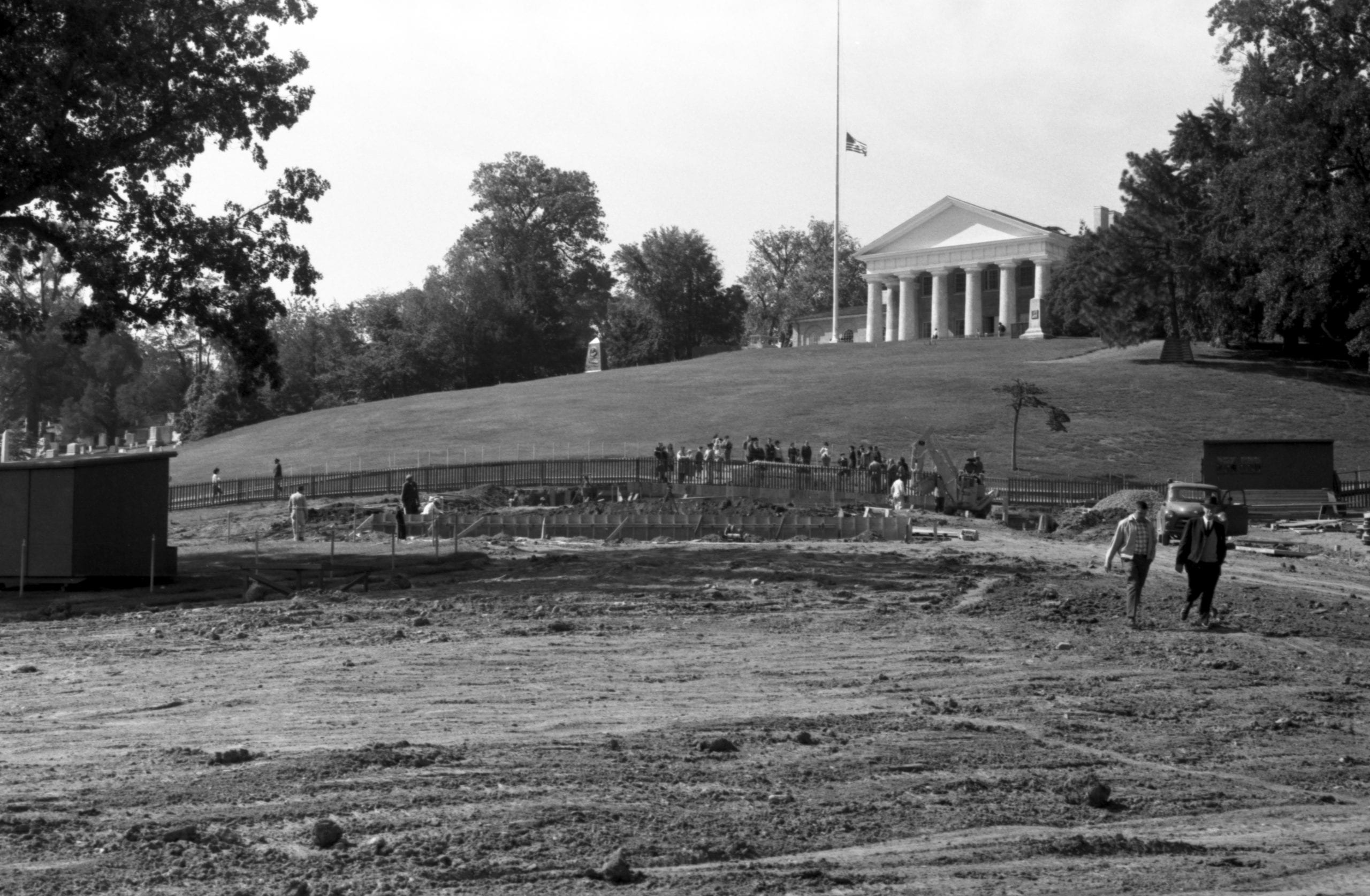
A 1965 photograph of the JFK gravesite at Arlington National Cemetery during construction of the Eternal Flame memorial, before it was completed.
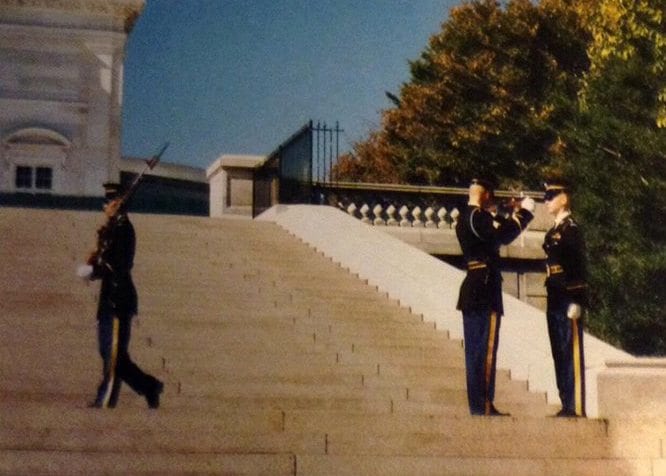
Carol shared a cool photo with us, and we’re hoping to get some insight from a former Tomb Guard. GoDCer Ben, can you add your comments below? See the photo and find out more here!
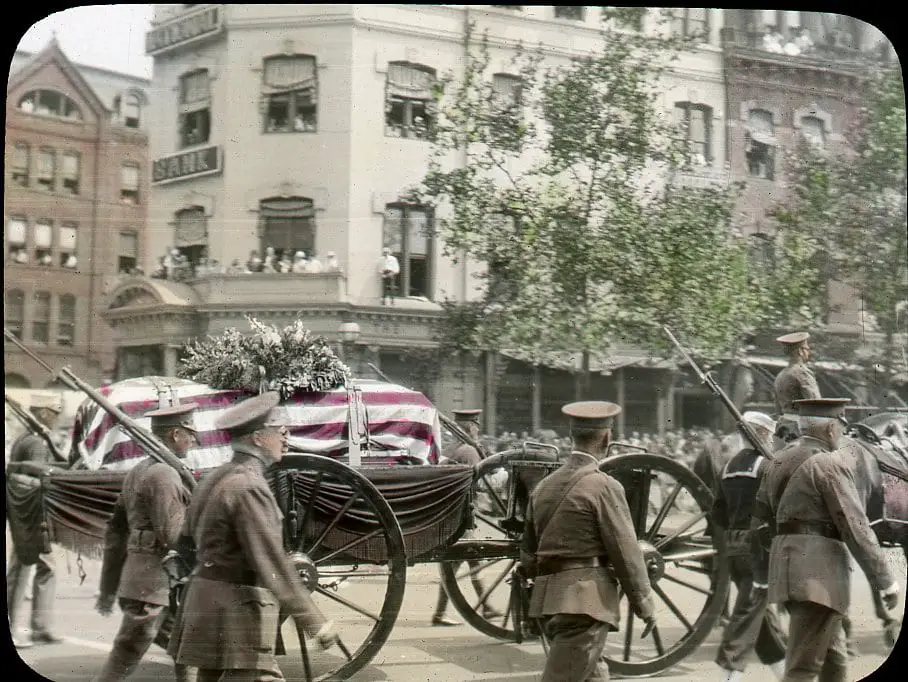
An incredible colorized photo of the Unknown Soldier being taken to Arlington National Cemetery. See the colorized version and learn more about the Unknown Soldier’s journey with this blog post.
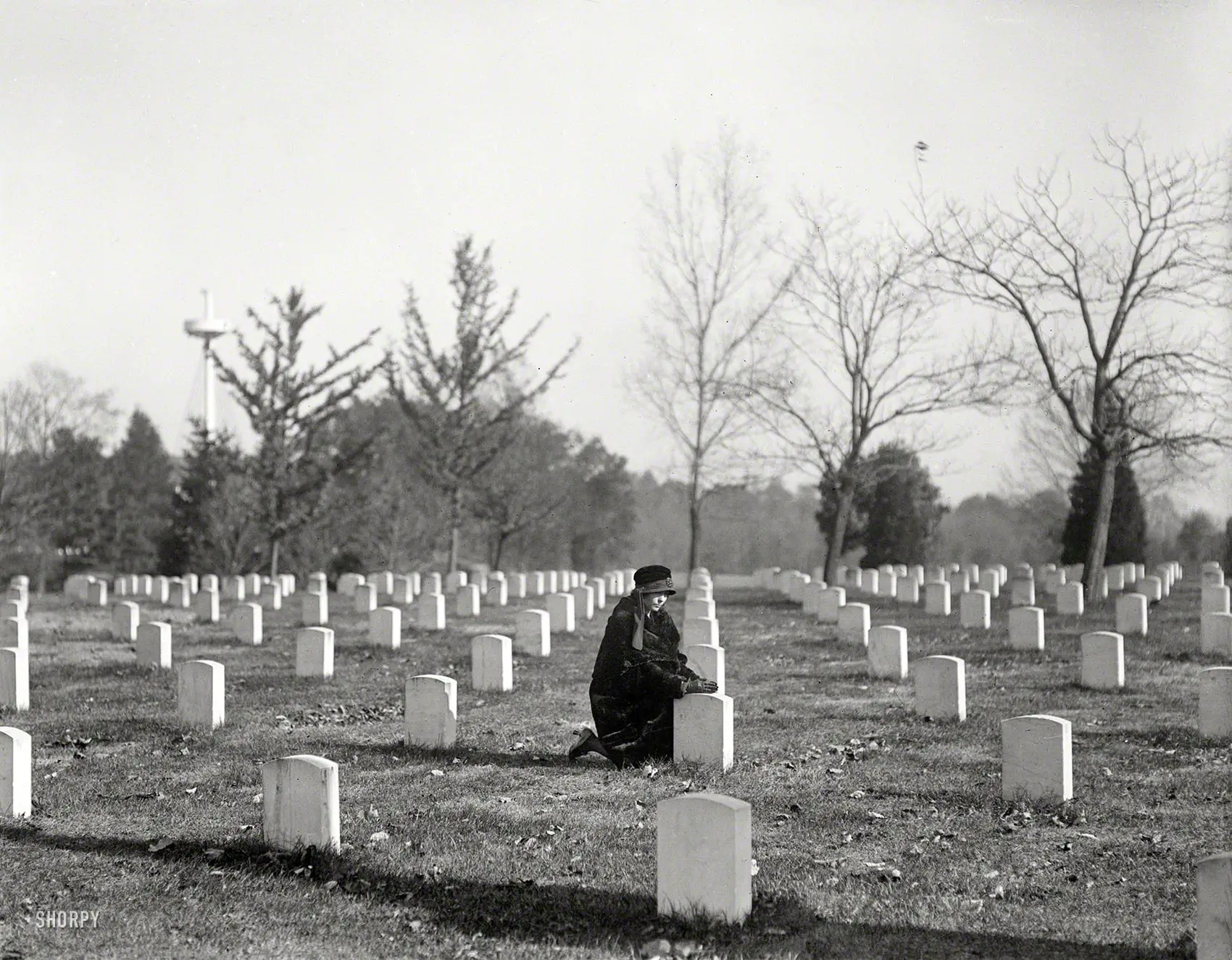
This powerful photo of Arlington National Cemetery in 1922 speaks for itself. With the USS Maine Memorial rising at left, it holds significant historical value. Discover the story behind this photo!
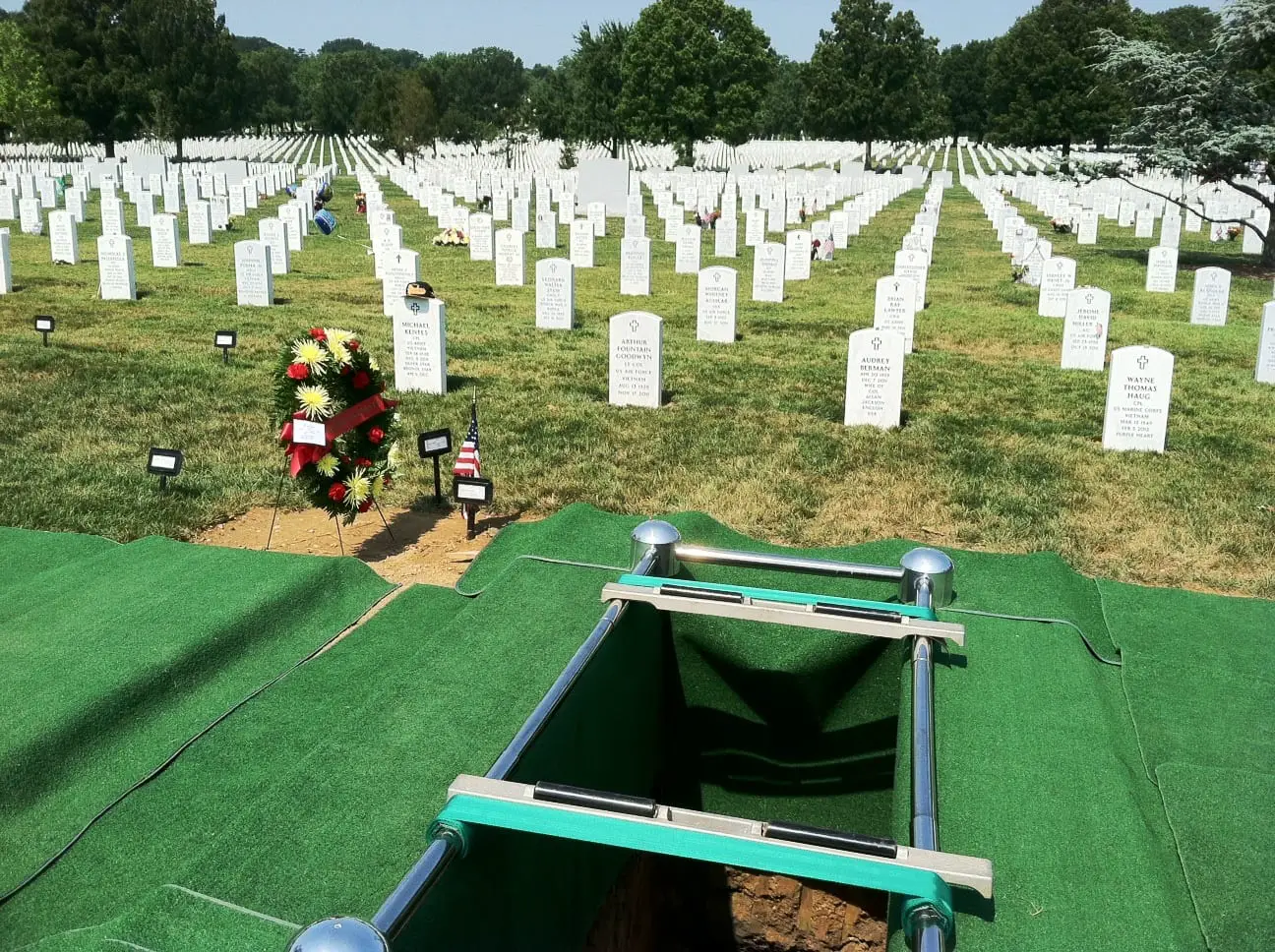
Honor the fallen soldiers of the Civil War with Frederick Douglass’ speech, “The Unknown Loyal Dead.” Hear his words and read more about his visit to Arlington National Cemetery on May 30, 1871.
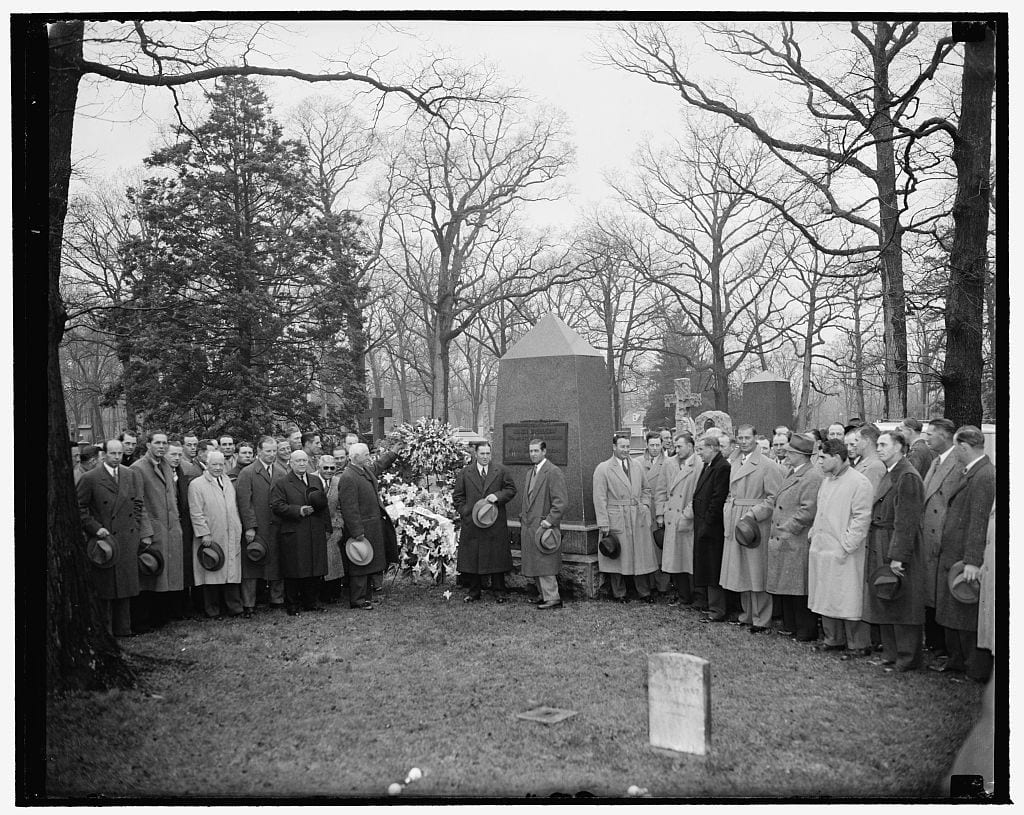
Learn about the 1939 baseball season tribute to Abner Doubleday at Arlington National Cemetery with Clark Griffith, Joe McCarthy, and Bucky Harris. Read about the disputed role of Abner Doubleday in the birth of baseball and the ceremony at his grave.
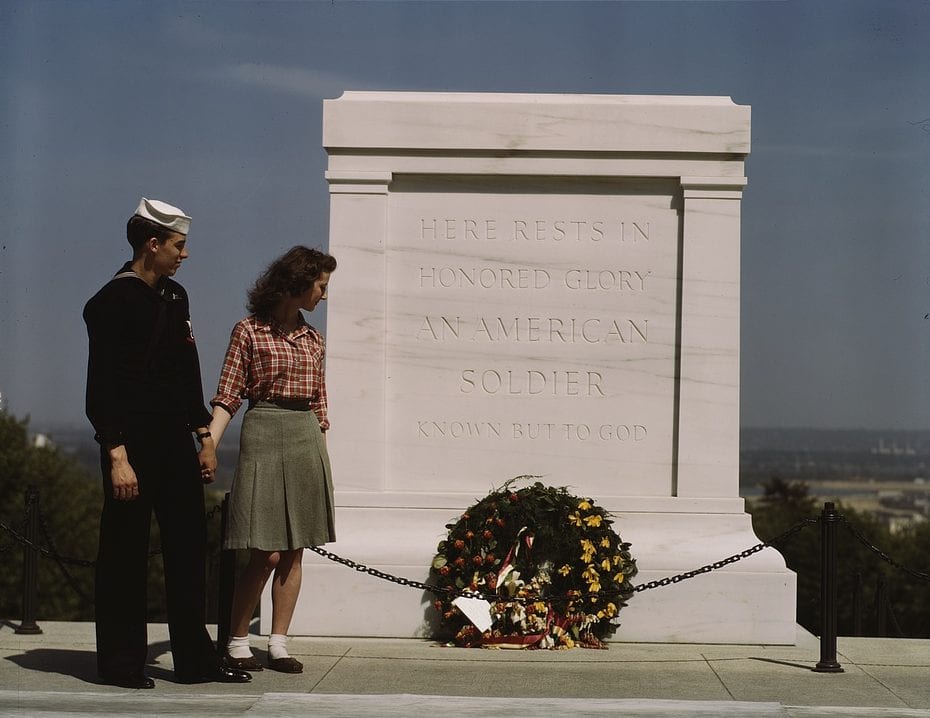
An amazing old color photo taken in May 1943 by John Collier shows an unnamed sailor and his girlfriend visiting the Tomb of the Unknown Soldier in Arlington National Cemetery. See the powerful photos and learn what happened to them during and after the war.