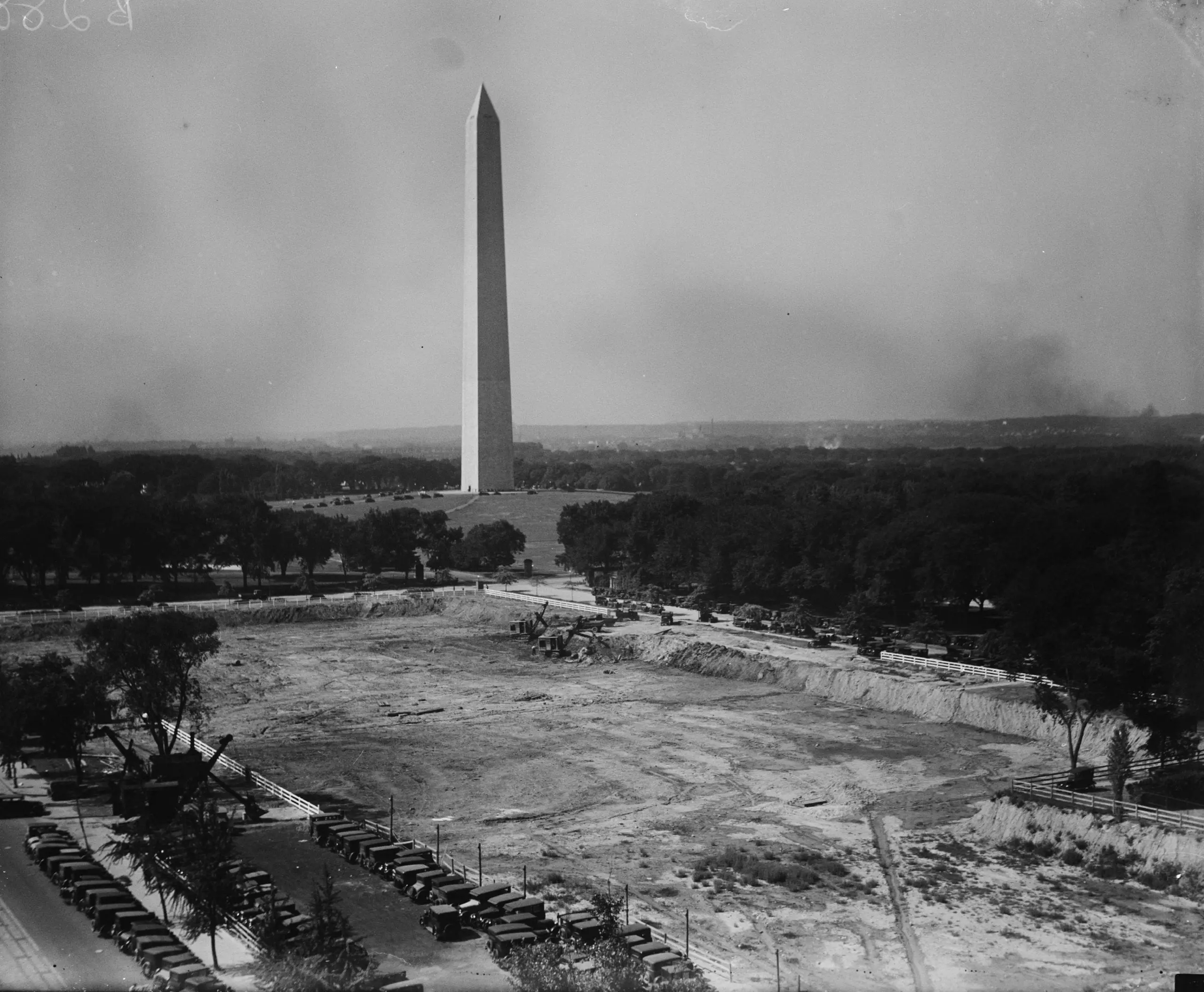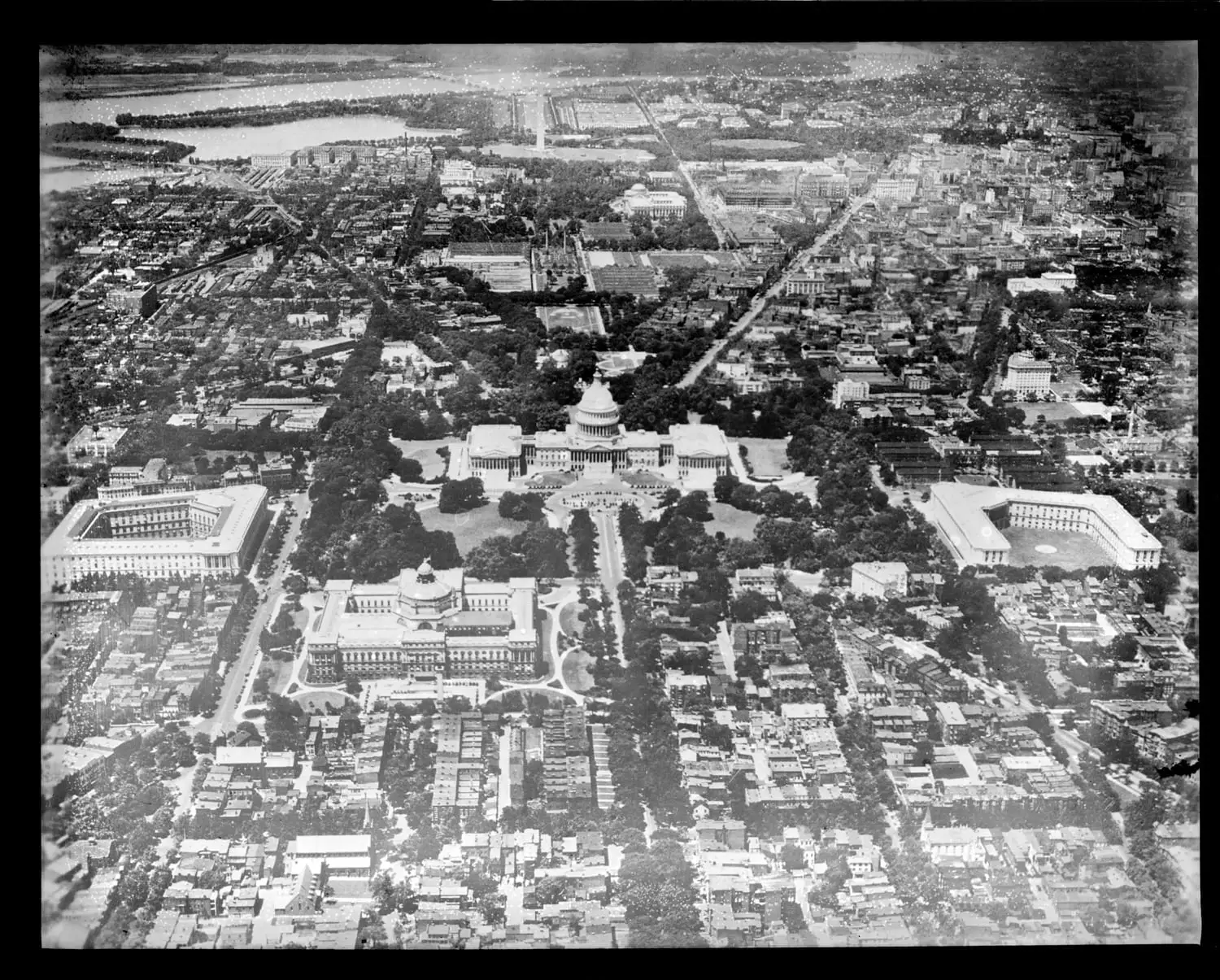
A Look Back in Time: These Cool Old Photos Show DC in 1922 from the Air
Take a look back in time with these cool old photos of Washington, D.C. in 1922. See the city from the air in this fascinating collection of photos!
Washington in the 1920s was a city in full swing. The decade brought jazz clubs, speakeasies, and a building boom that filled in the last great gaps in the city’s streetscape. Calvin Coolidge’s Washington was prosperous and busy, even as Prohibition tried to shut down the good times. These posts explore the capital’s roaring decade.
Take a look back in time with these cool old photos of Washington, D.C. in 1922. See the city from the air in this fascinating collection of photos!
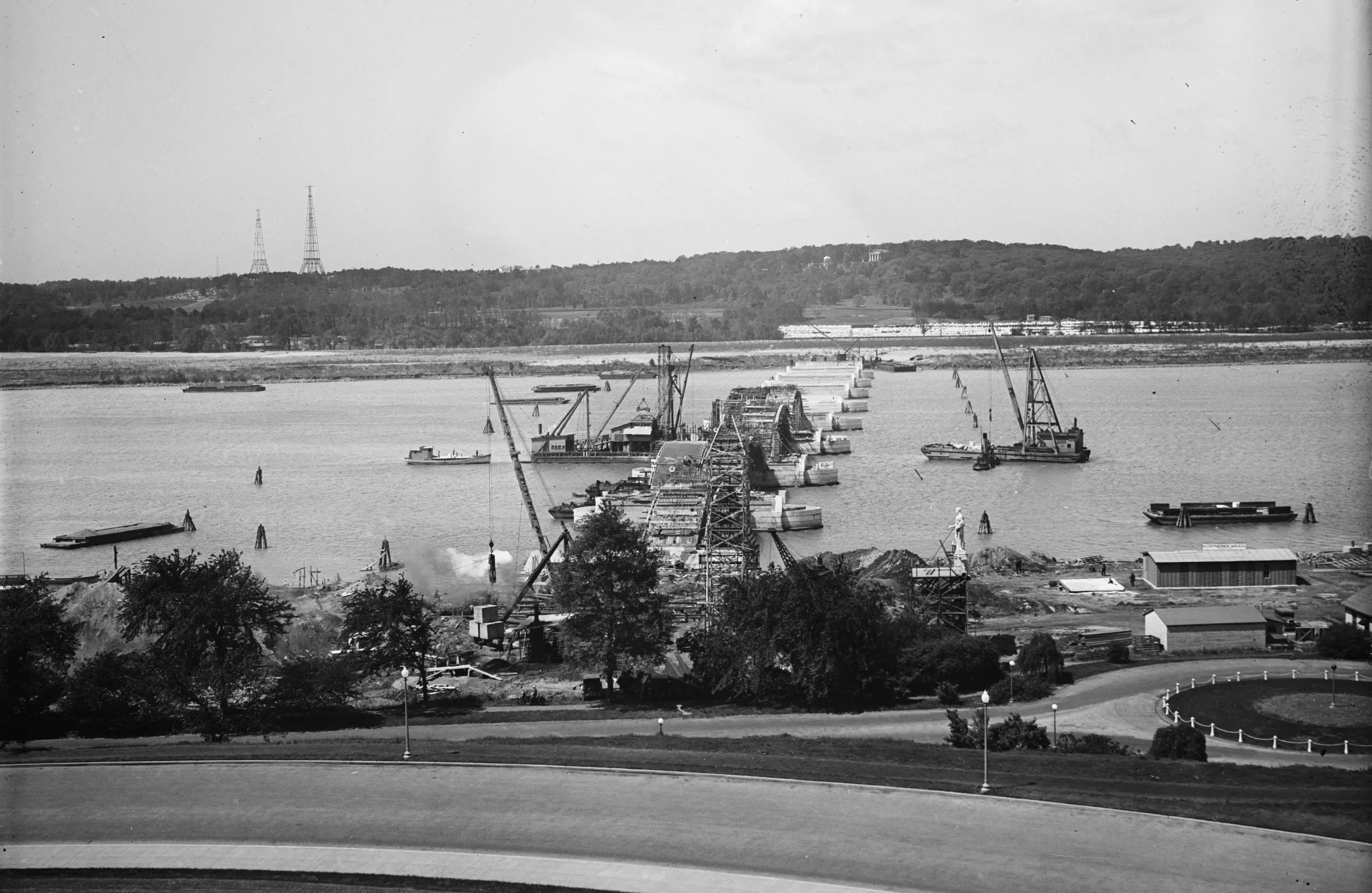
Take a look back in time with this beautiful old photo showing the construction of Memorial Bridge looking from D.C. towards Arlington National Cemetery. The photo is dated May 15th, 1928
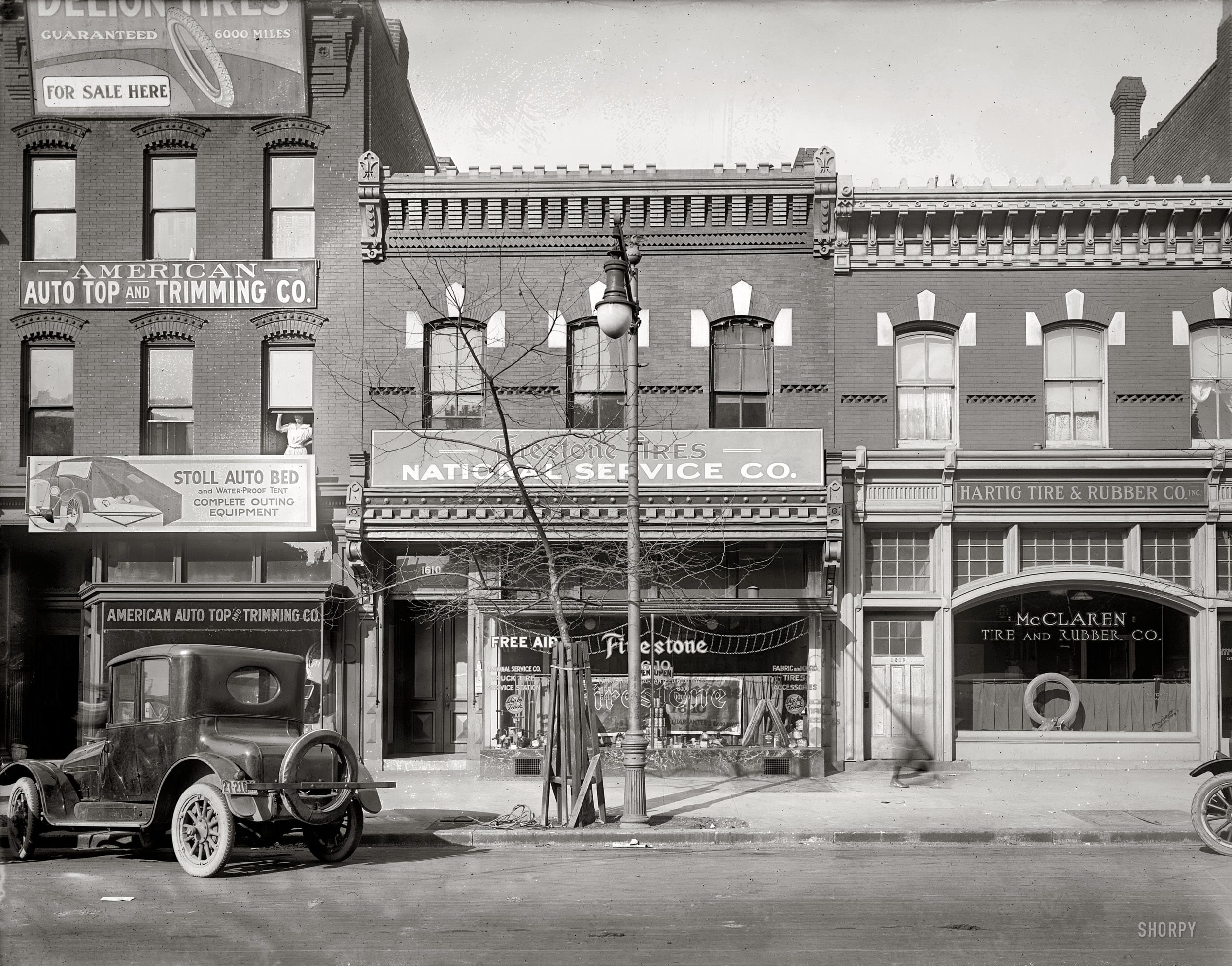
Take a journey back in time to explore DC’s 1610 14th St. NW in 1920! See what’s changed and stay the same with Ghibellina, Rice and Pearl Dive. Zoom in on the details and see the amazing graffiti and a mysterious hose coming out of the ground!
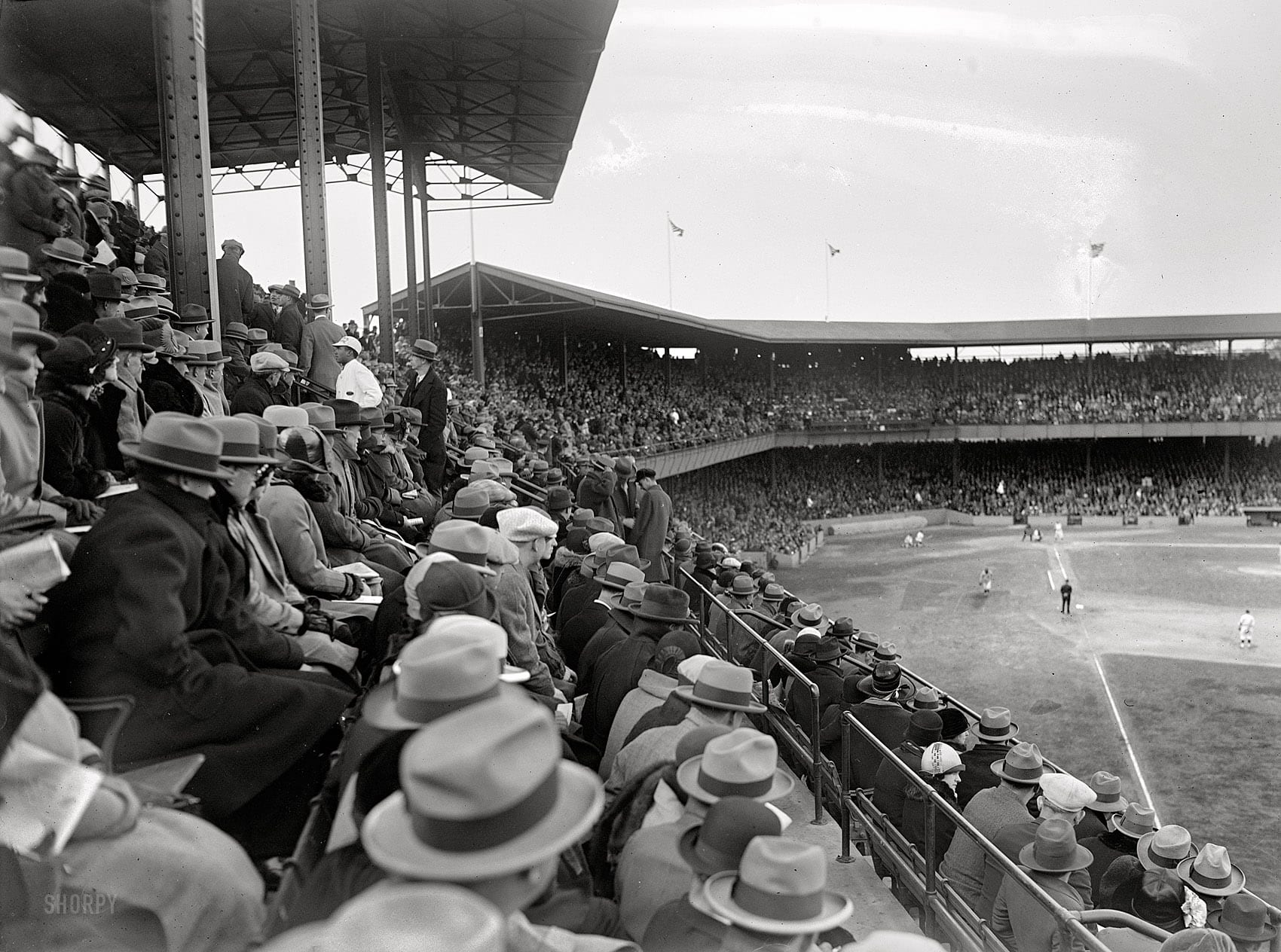
Take a look back at the 1925 World Series at Griffith Stadium with this photo and film footage. We were in the World Series that year, for the second year in a row. Unfortunately, we lost that year.
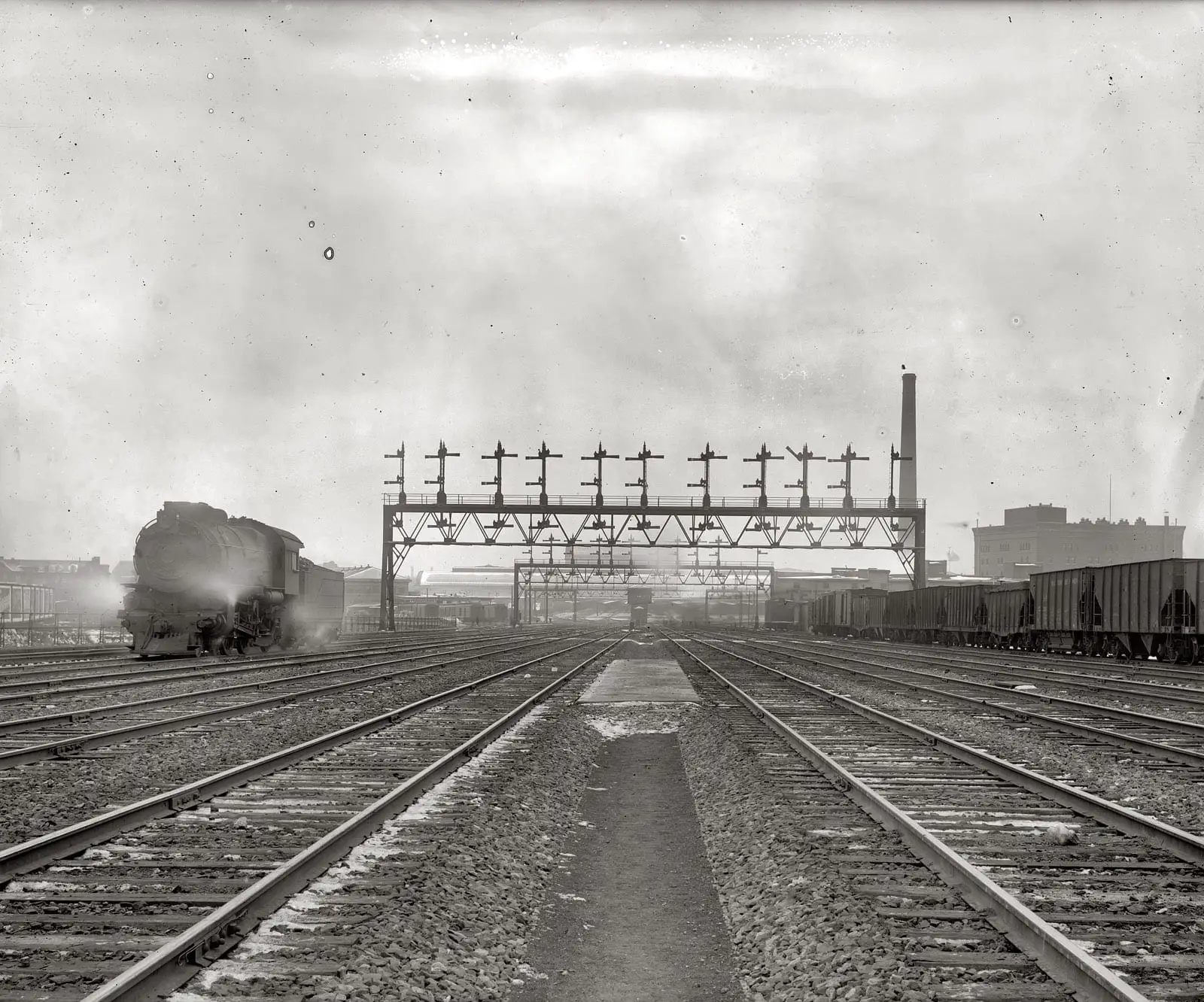
This old photograph reveals Union Station in Washington DC in 1920. See the tracks and glass negative from the National Photo Company Collection. | Ghosts of DC
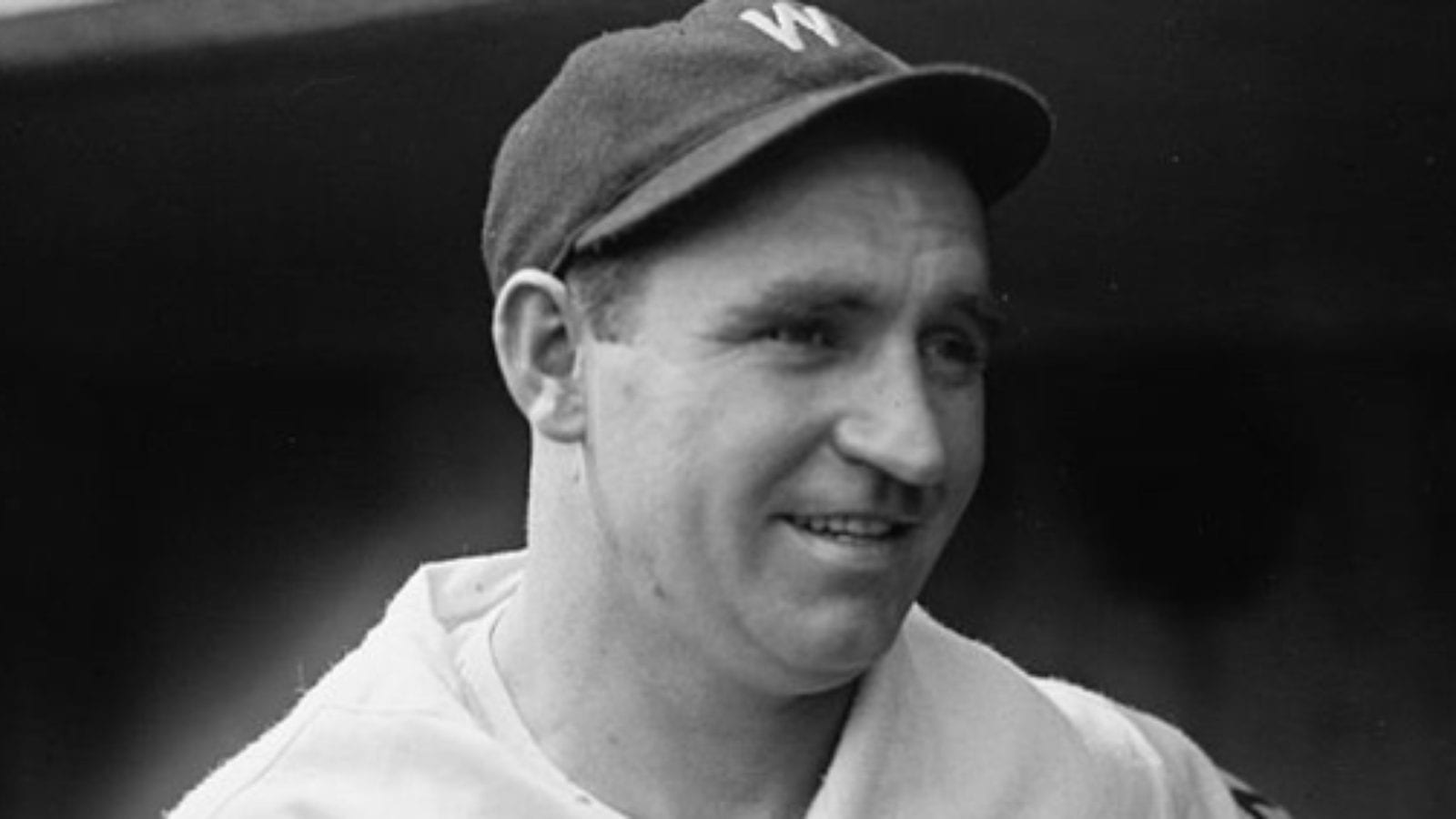
Nationals manager Matt Williams is the grandson of Bert ‘Buck’ Griffith, who played for the 1924 Washington Senators, the only Washington team to win the World Series.
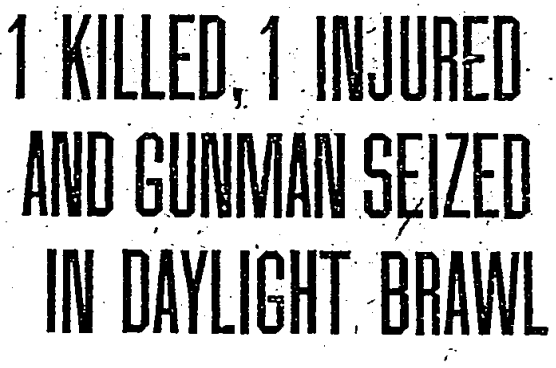
During the depths of Prohibition, an infamous crime was committed in a near-beer saloon in Washington, DC. Read the wild story of Good Old Tom Brady’s murder, as told in December 1924 edition of The Washington Post.
In 1928, Prohibition agents raided an oyster house on 18th Street in Adams Morgan. The raid led to legal complications, a trial, and the bizarre disappearance of a jury member.
The name “Federal Triangle” replaced “Pennsylvania Avenue Triangle” as federal buildings rose in the 1920s. The shape of the land gave it both names.