
Who doesn’t like the Beach Boys? This was a pretty big concert on the National Mall for the first July 4th celebration in the 80s.
Did any of you attend this show?
The National Mall has been Washington’s civic spine since Pierre L’Enfant laid it out in the 1790s, but the Mall we know today looks almost nothing like what was there for most of the city’s history. These posts dig into the Mall’s evolution, from the rail yard and canal that occupied it in the 19th century to the Senate Park Commission’s 1901 redesign and the monuments that have risen since.
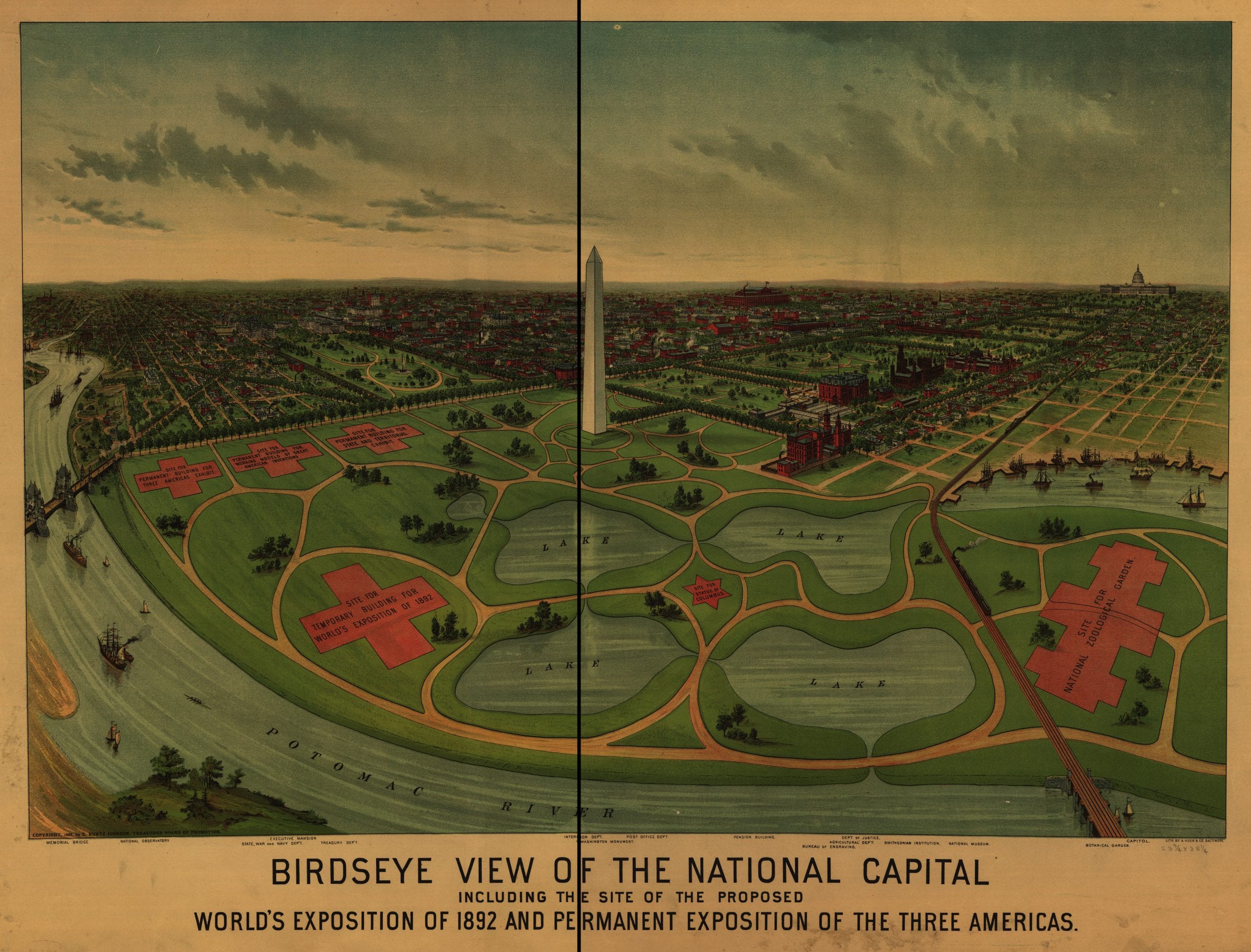
Take a look back in time to what Washington could have been like if the 1892 World’s Fair had been held here. See the proposed layout, and check out the bridge where Memorial Bridge stands today.
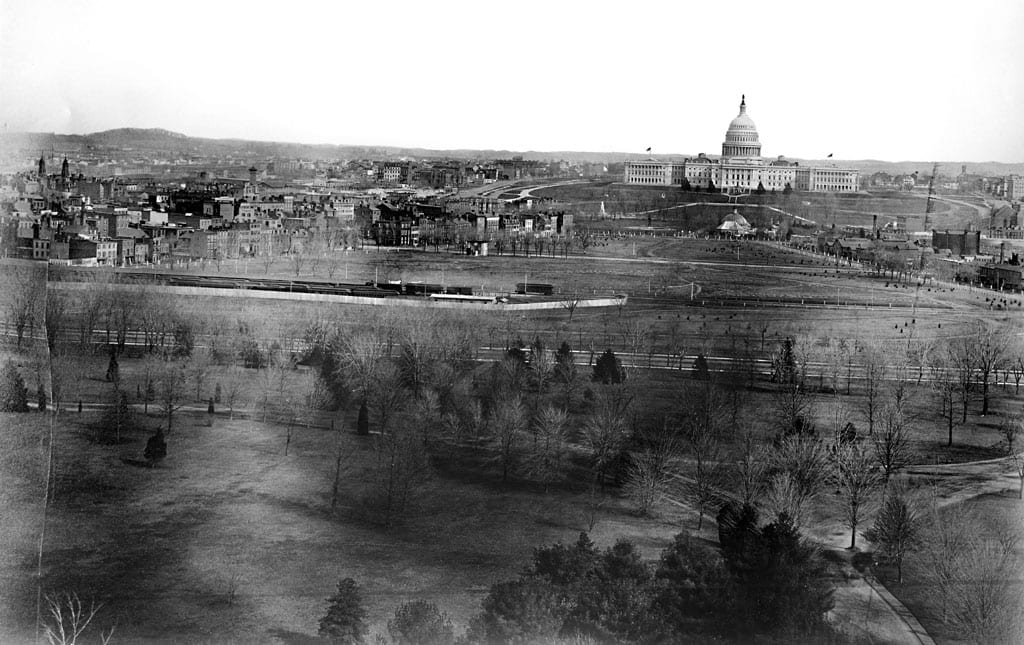
A photograph from the Smithsonian Institution Archives, taken from the Castle around 1900, shows the National Mall as a working industrial yard: the old Botanic Garden greenhouses in the foreground, Baltimore and Potomac Railroad tracks cutting across the grass, the Capitol on the horizon. Within a few years the McMillan Plan would erase all of it.
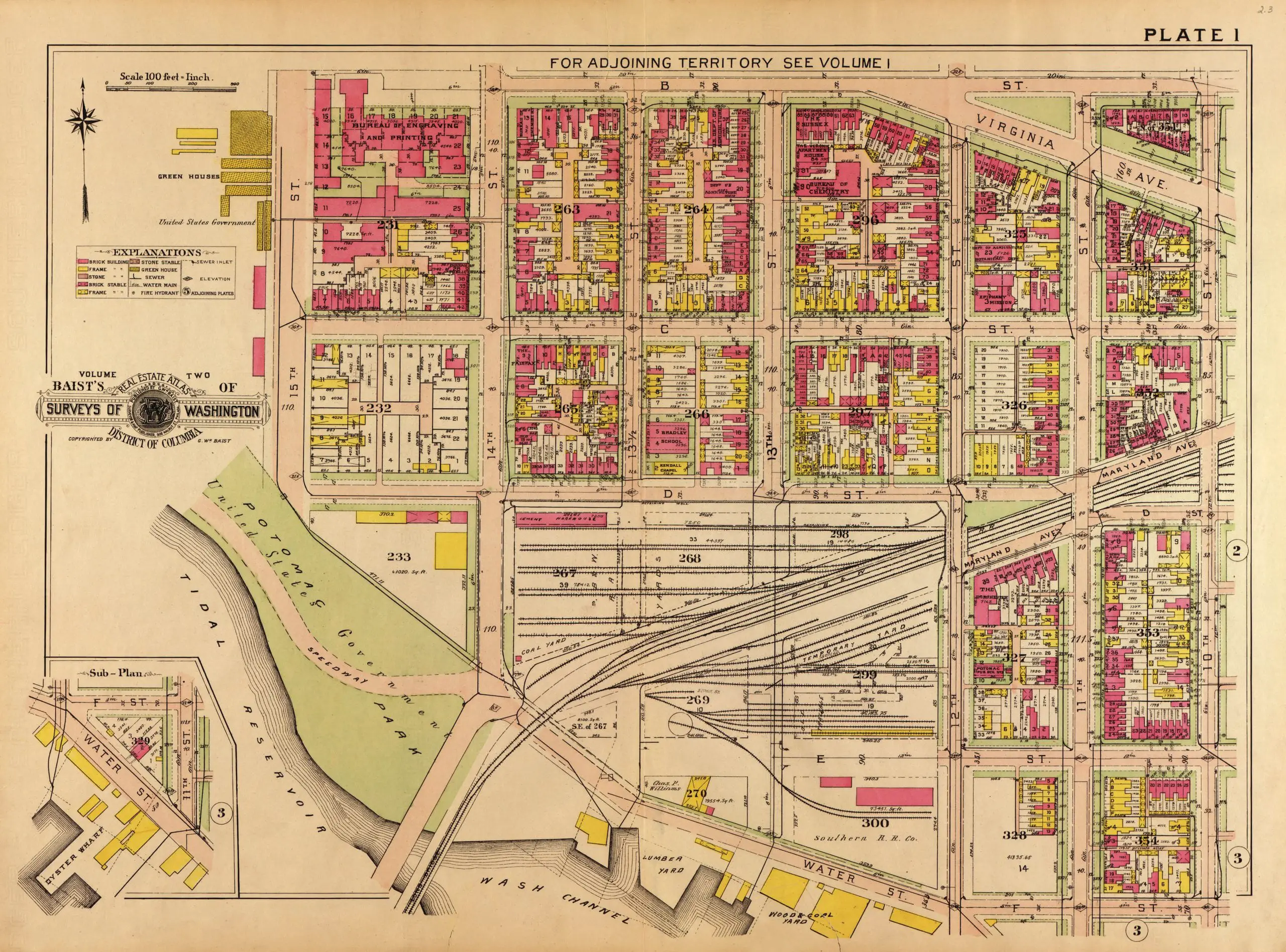
Remembering the homes that were bulldozed to make way for the “modern” Southwest Quadrant in DC. Take a look back at the history of the area and the impact of the redevelopment on the local community.
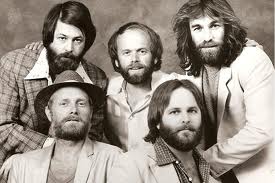
Who doesn’t like the Beach Boys? This was a pretty big concert on the National Mall for the first July 4th celebration in the 80s.
Did any of you attend this show?
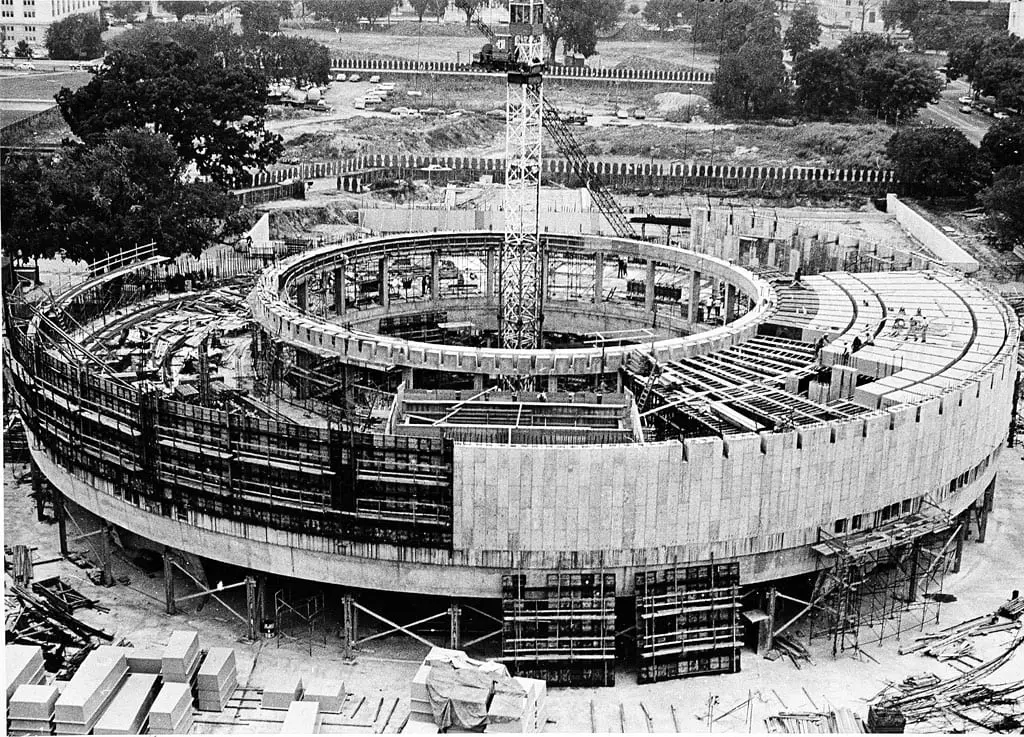
This is a guest post by Aaron. Art fans will focus Thursday night on the outer walls of the Hirshhorn Museum. Eleven video projectors will paint the Smithsonian’s modern and contemporary ring with 360 degrees of a looping film called, “SONG 1.” The Hirshhorn’s exterior will become exhibition space as artist Doug Aitken transforms the circumference … Read more