
Exploring Camp Brightwood on the Cultural Tourism D.C. Heritage Trail

Take an historic journey to Camp Brightwood on the Cultural Tourism D.C. Heritage Trail. Learn more about this Civil War landmark at 5704 Georgia Ave. NW.
Washington sat at the center of the Civil War, serving as the Union capital with Confederate territory just across the river. These posts cover the forts, hospitals, battles, figures, and everyday life that defined the city during the war years.
Take an historic journey to Camp Brightwood on the Cultural Tourism D.C. Heritage Trail. Learn more about this Civil War landmark at 5704 Georgia Ave. NW.

Take a look at the tragic history of Falkland, Montgomery Blair’s home, which was burned by Confederate troops or camp followers on July 12th, 1864. Read more on our post about how Silver Spring got its name.

Explore the 1865 Civil War Map of Washington, D.C. from the Library of Congress and discover road and fort locations at the end of the war.

A Civil War-era photograph taken from rocks on Mason’s Island showing a Georgetown ferry-boat carrying wagons across the Potomac, with the Aqueduct Bridge visible beyond.
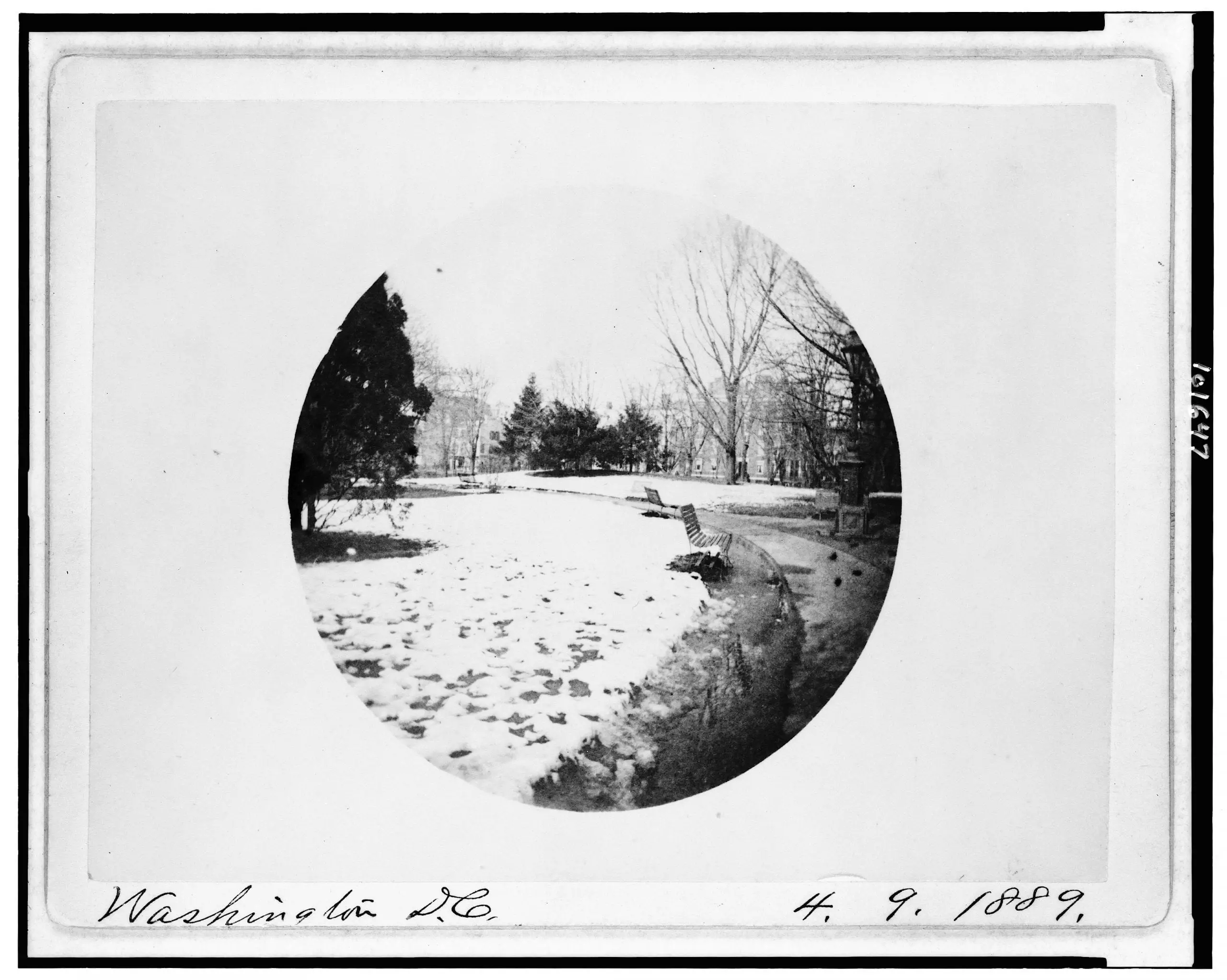
For 16 years the White House drank from Franklin Square, via a pipeline of hollowed logs running down 13th Street to the mansion.

After Lincoln died on April 15, 1865, Elizabeth Blair Lee helped watch over a grieving Mary Lincoln. Her letters to her husband tell what she saw.

Take a journey back in time and explore the 1865 panoramic view of Washington DC. See the buildings, including the patent office, in this amazing photograph.
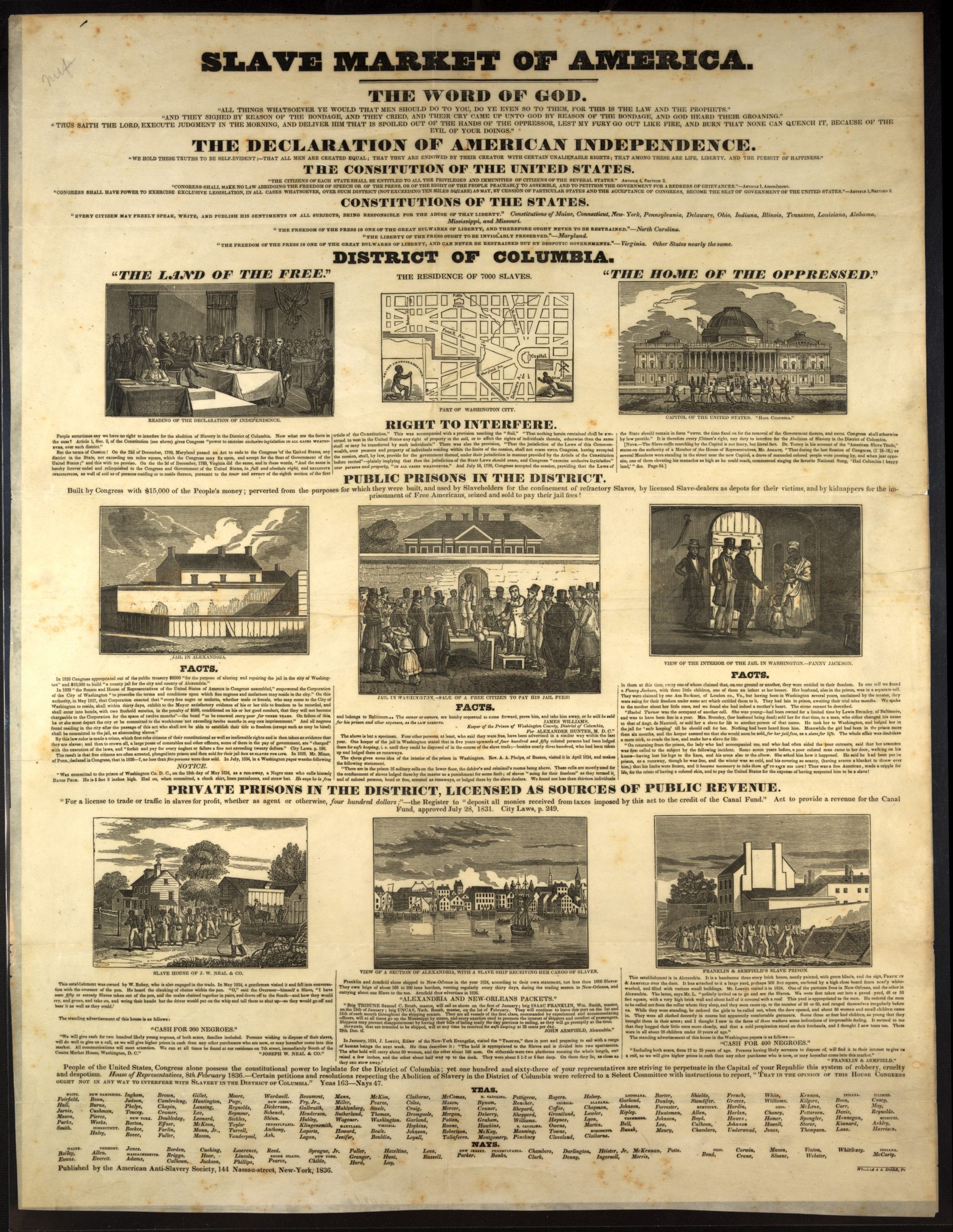
An abolitionist broadside from the 1835-36 petition campaign condemning the sale and keeping of slaves in the District of Columbia.
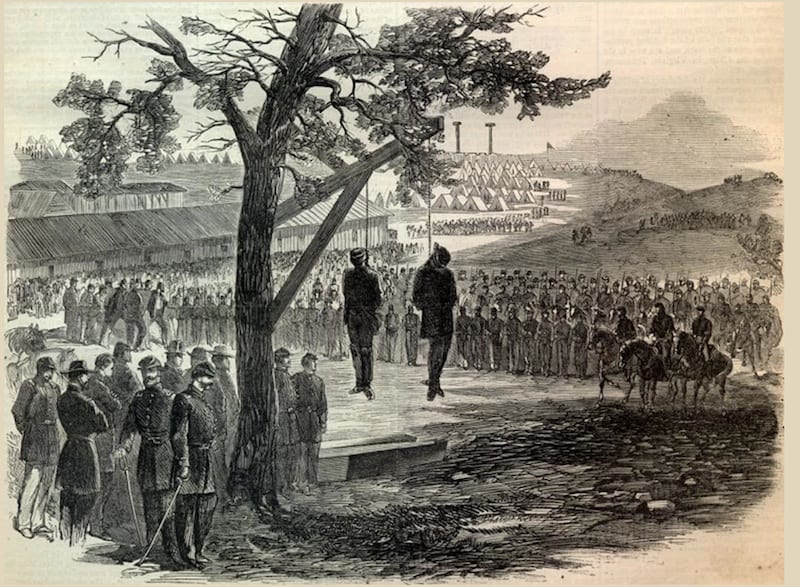
Two cousins from Tudor Place, related by family to Robert E. Lee, were hanged as Confederate spies at Fort Granger in 1863.