
David Crockett’s Vote Against Indian Removal: The 1830 Stand That Cost Him Congress
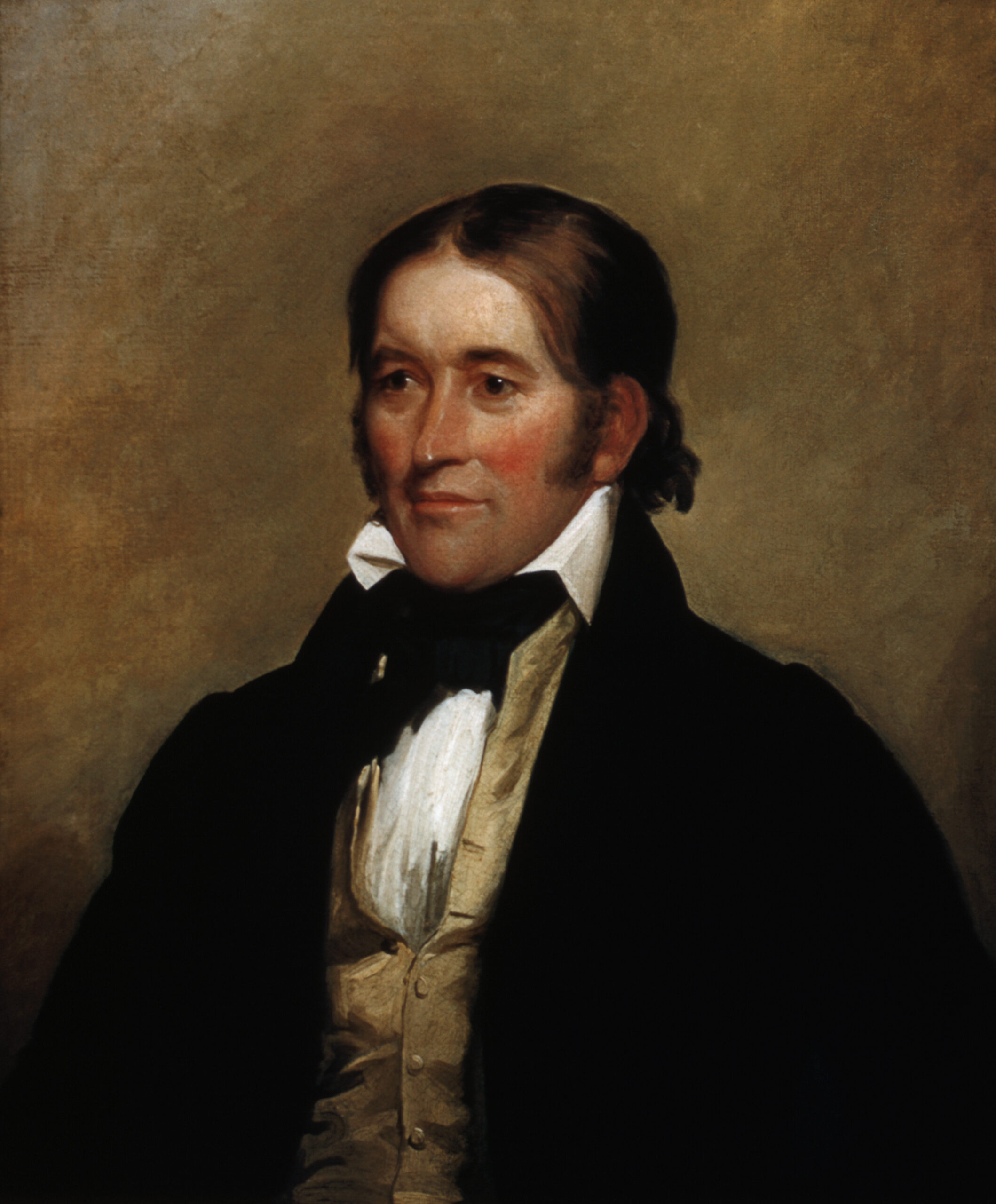
On May 26, 1830, the House passed the Indian Removal Bill 102-97. Tennessee’s David Crockett was the only member of his delegation to vote no.
Washington in the 1830s was a city of contradictions, with the slave trade operating openly in the shadow of the Capitol. The decade also saw the first rumblings of what would become the Smithsonian and a growing debate over slavery that would define the next three decades. These posts dig into antebellum Washington at its most complicated.
On May 26, 1830, the House passed the Indian Removal Bill 102-97. Tennessee’s David Crockett was the only member of his delegation to vote no.
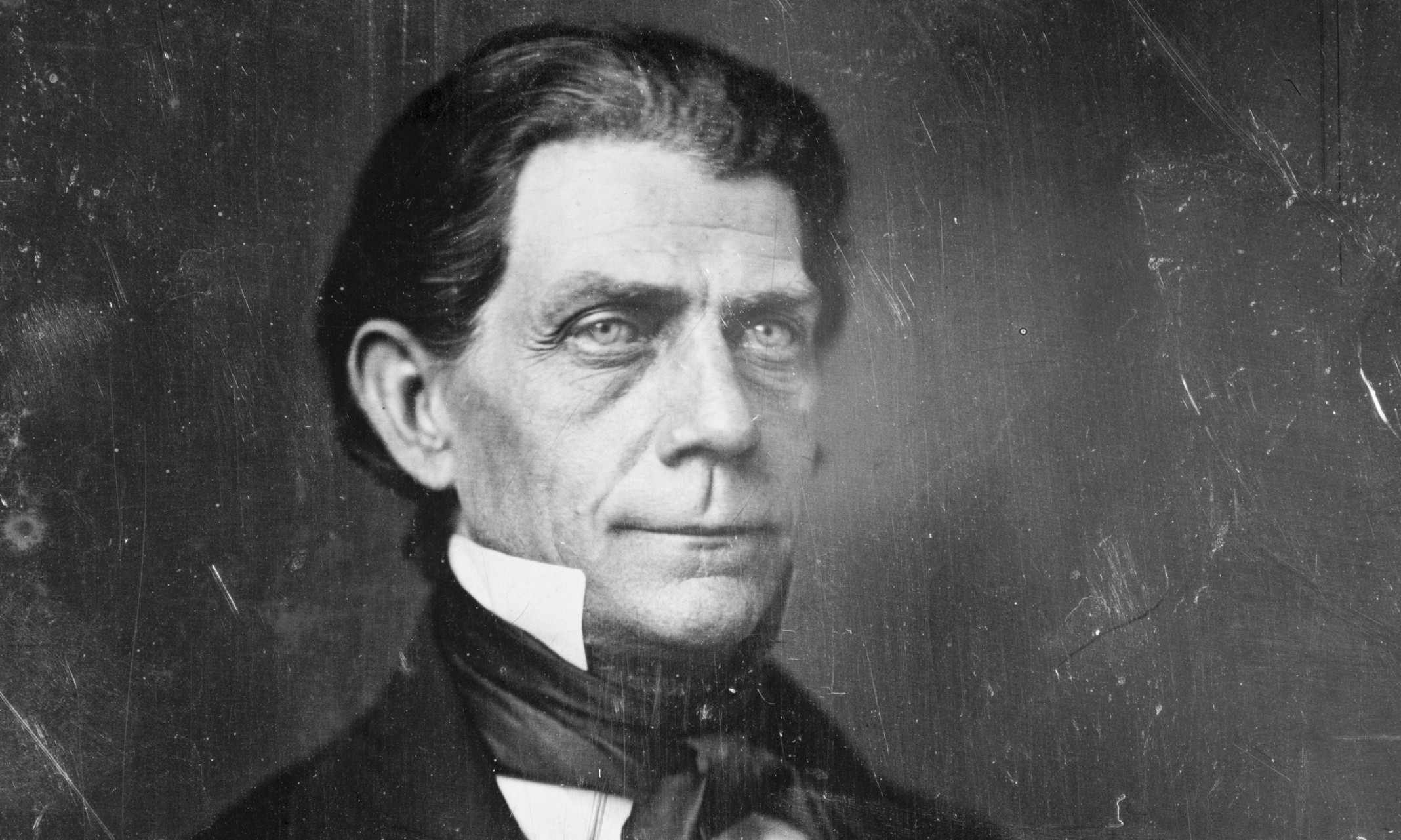
Before Texas was a state it was a country. Eight of its ambassadors worked Washington between 1836 and 1845 to negotiate annexation.
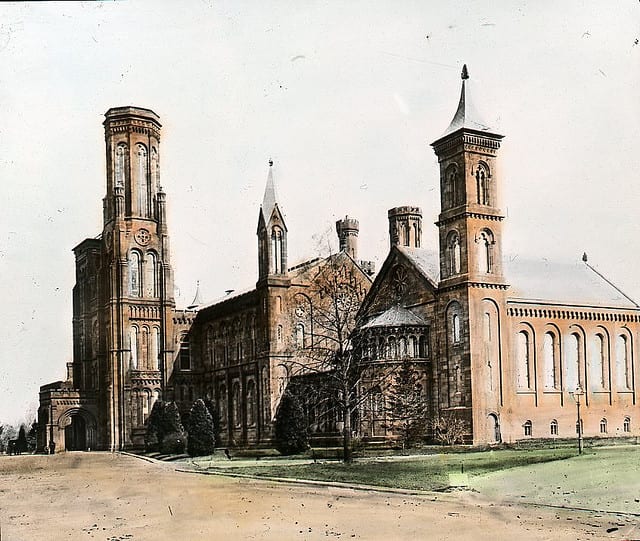
Did you know our greatest museum was funded by and named for an Englishman who never set foot in the United States? Read up on the origins of the Smithsonian and how it was born in our nation’s capital.
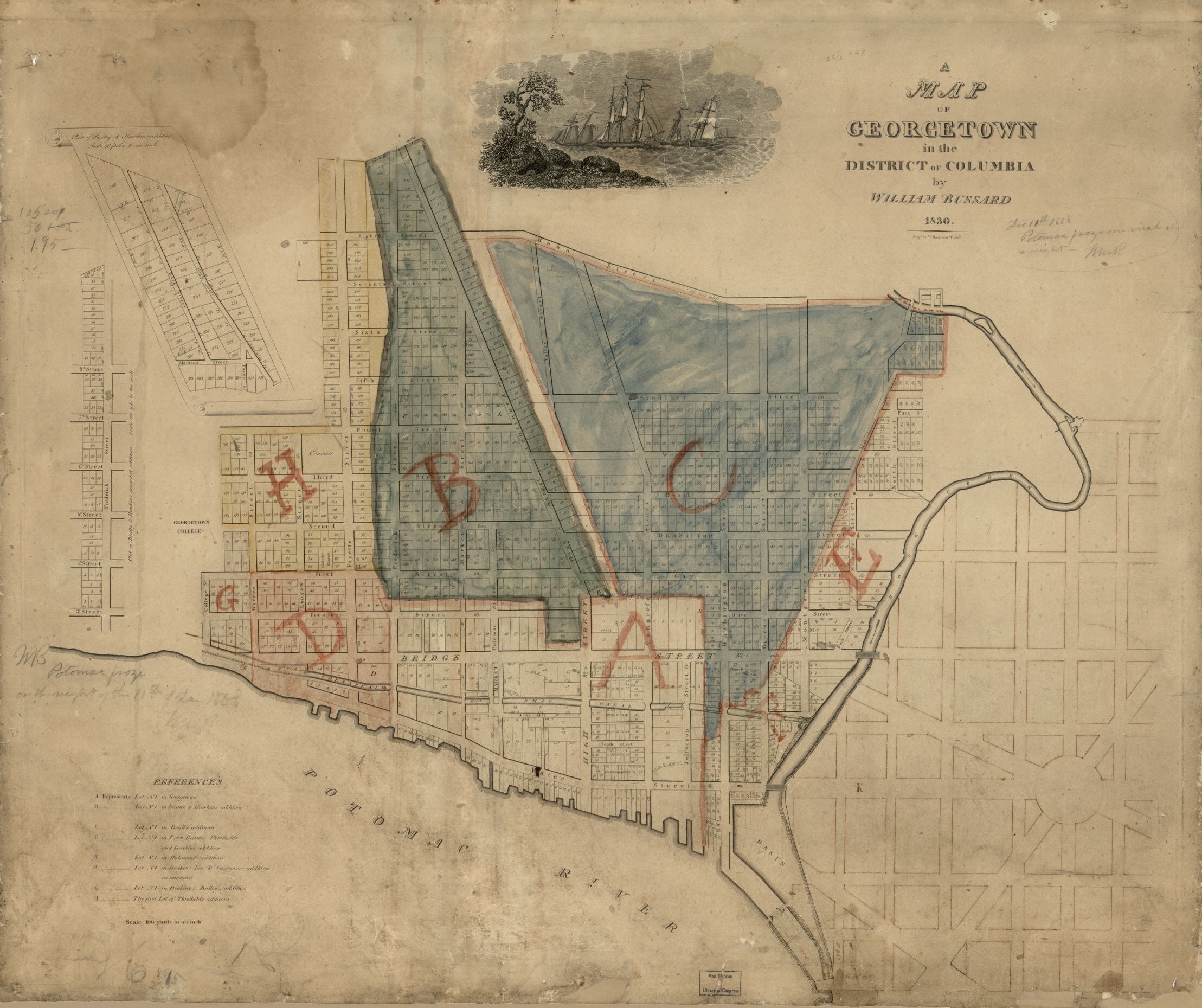
An 1830 map of Georgetown showing the original street names. Wisconsin Avenue was High Street and M Street was Bridge Street.
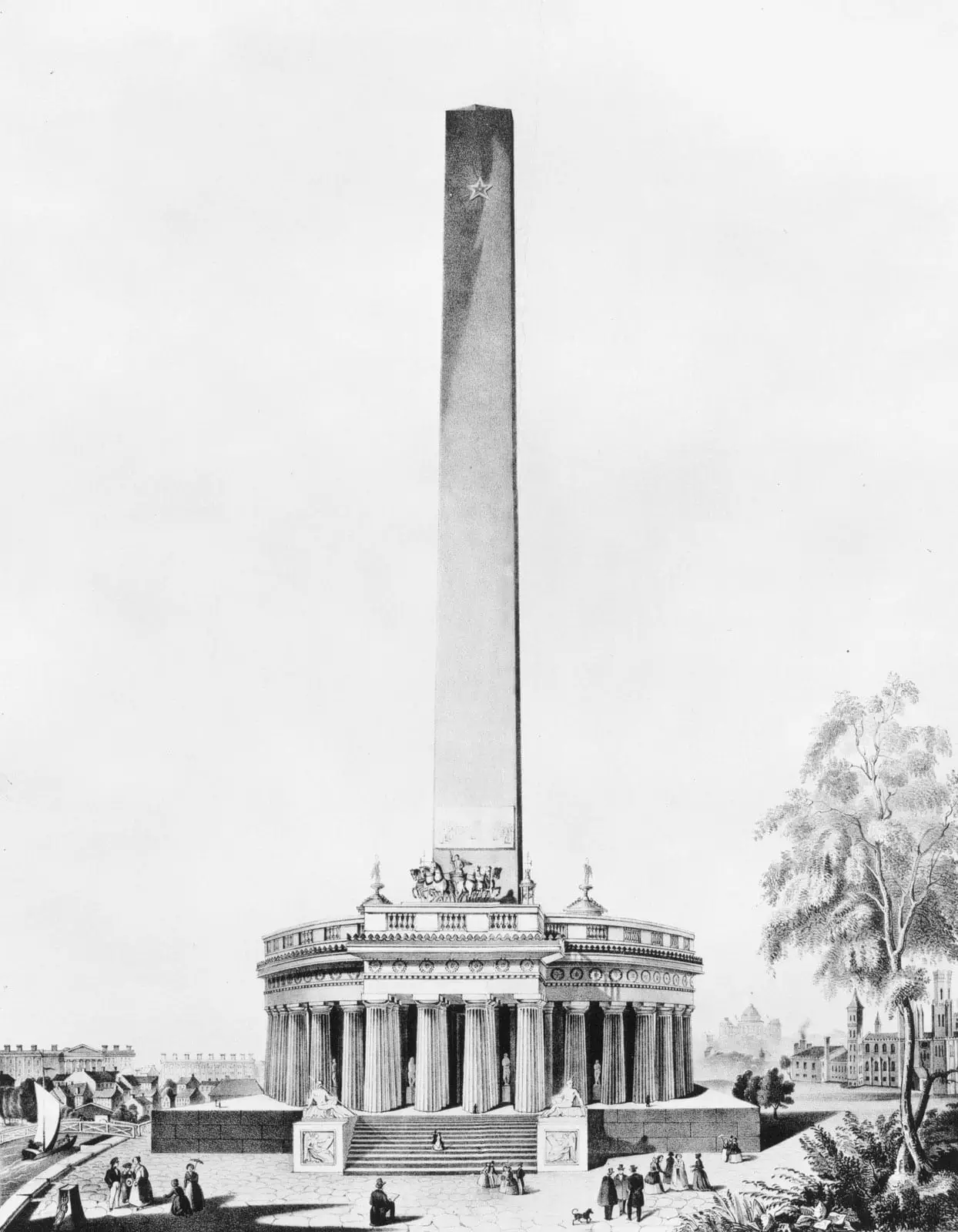
The Washington Monument we know today was not what Robert Mills designed in 1836. His plan included a colonnade and Roman temple that were stripped out.
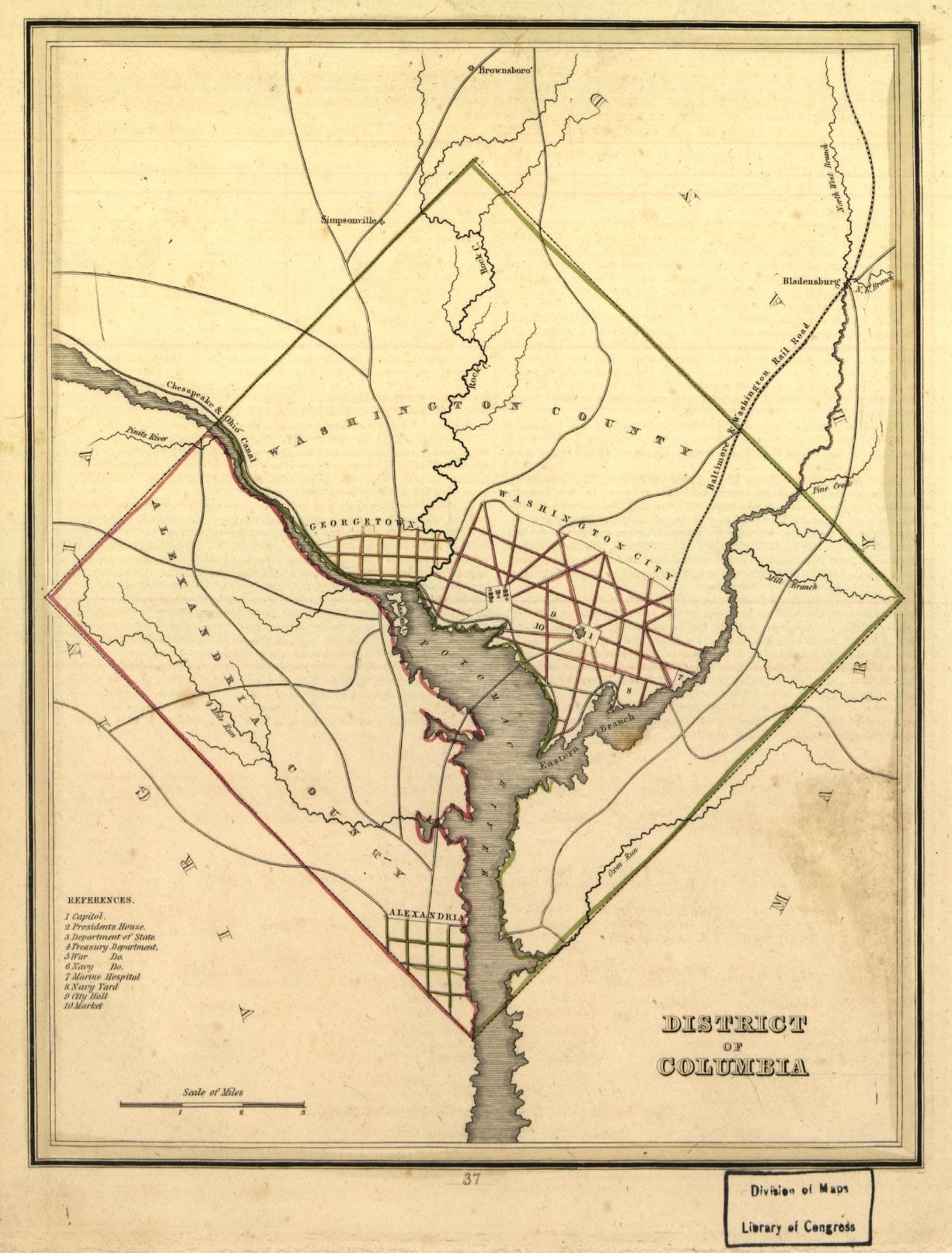
A look at Washington before its retrocession of the western portion to Virginia. Includes a 1835 map of Washington, Georgetown, Alexandria, and two counties
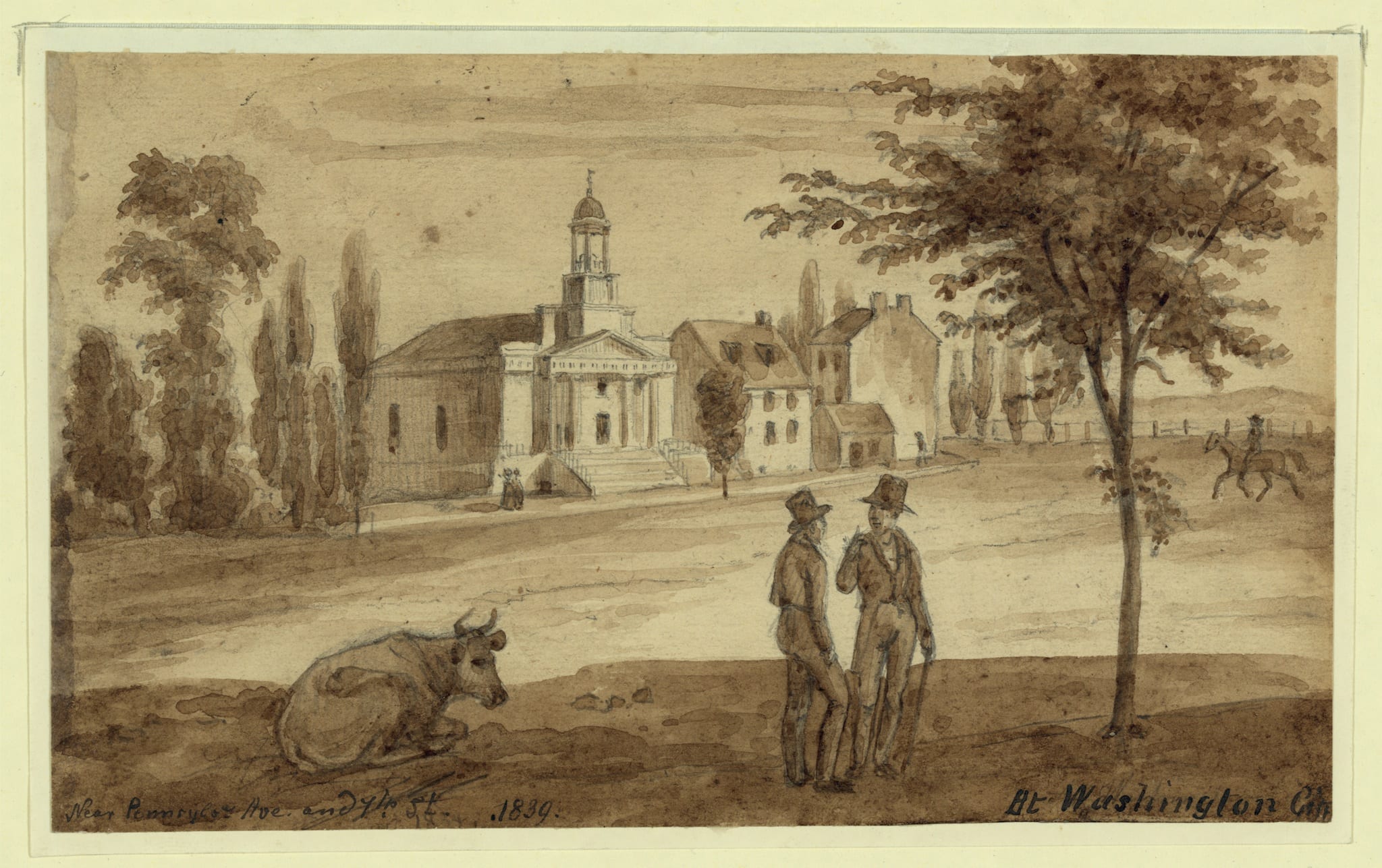
An 1839 print of Washington, DC showing Pennsylvania Avenue when sheep and cows still grazed along the street.
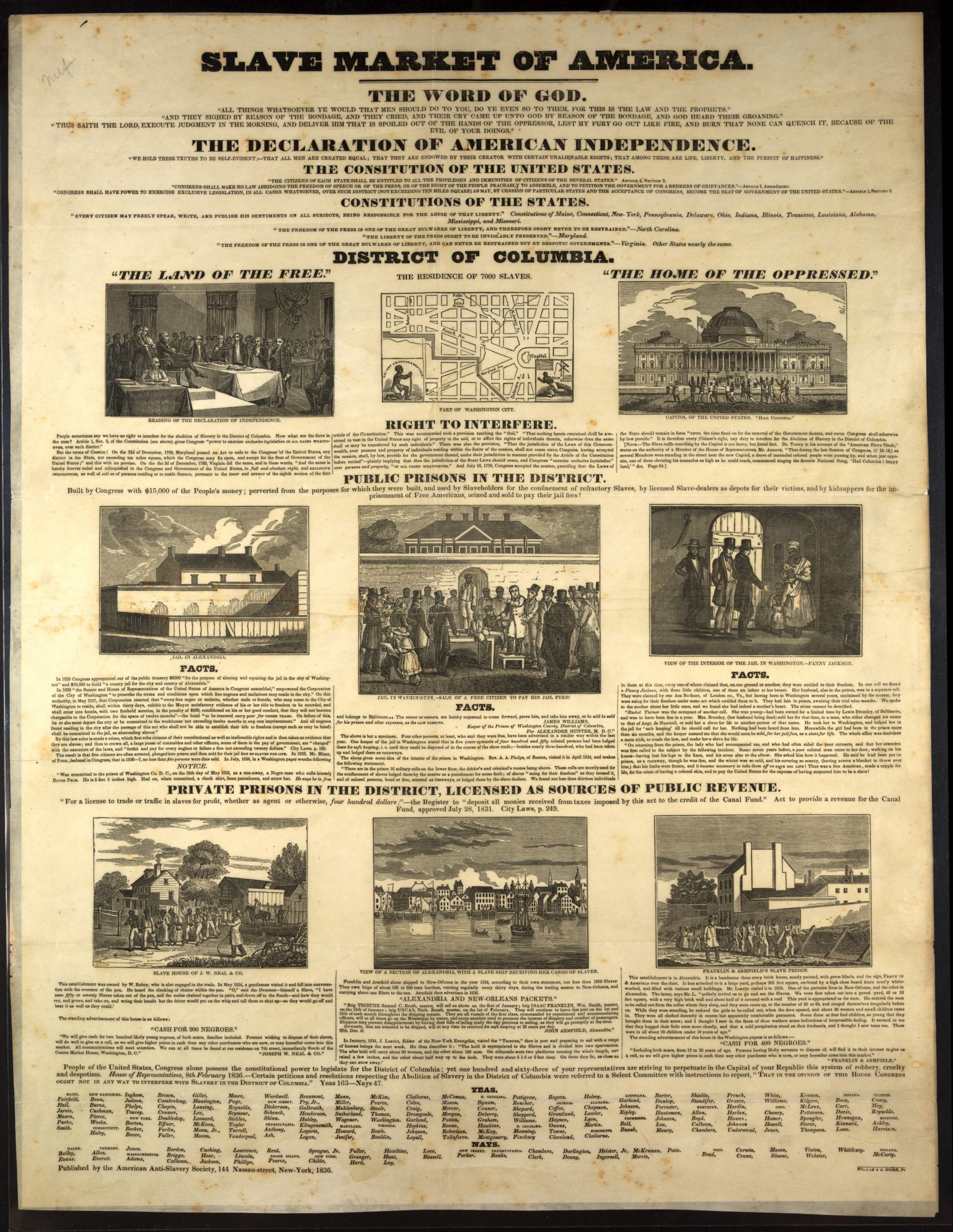
An abolitionist broadside from the 1835-36 petition campaign condemning the sale and keeping of slaves in the District of Columbia.
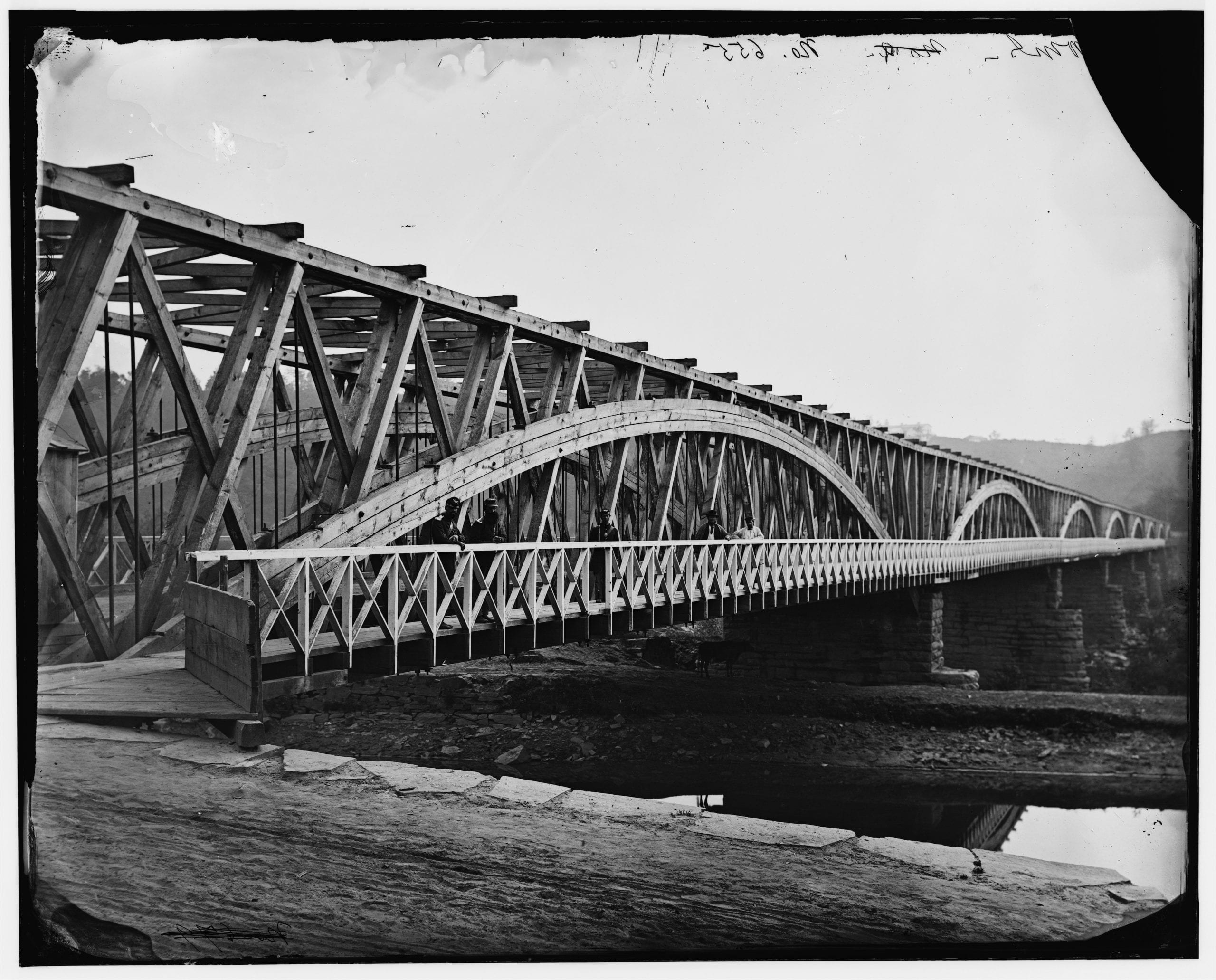
The 1810 Chain Bridge at Little Falls hung from 22 tons of iron chain. None of its successors since 1840 have actually had chains.