
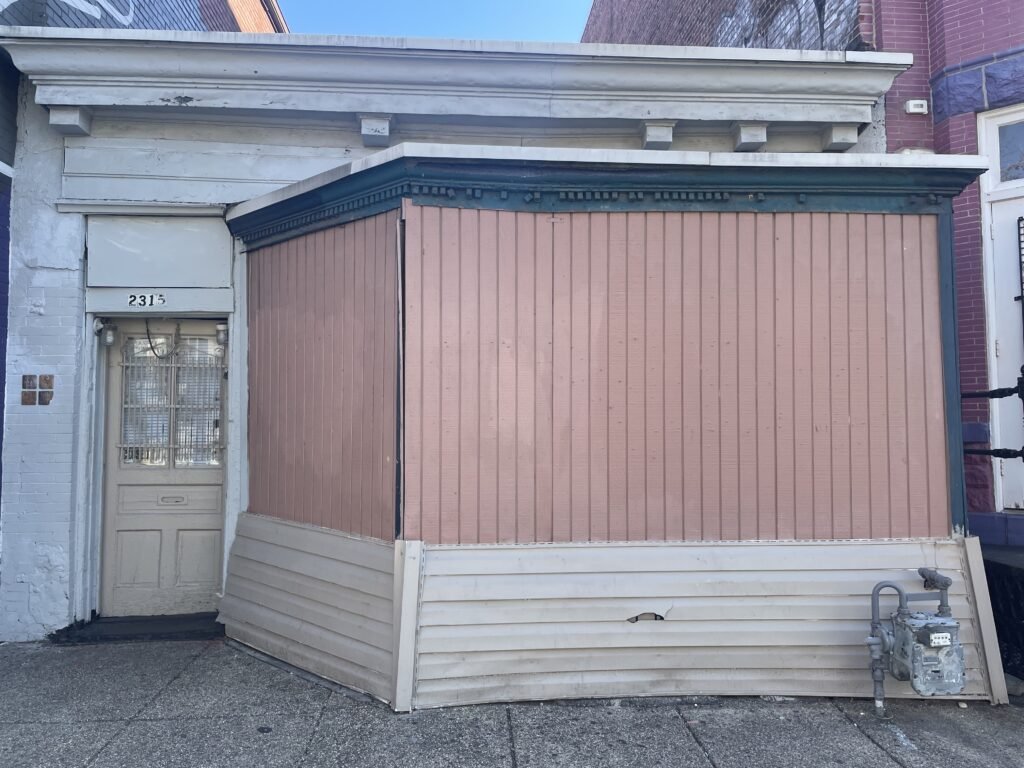
Step through the windowless blue door at 2315 18th Street NW on a Friday night and you walk into a room that has stopped keeping time with the rest of Adams Morgan.
The bar is 14 stools of wooden frame topped in cracked tile. Dusty fake plants hang above. A blue tarp covers the pool table. The jukebox still leans on tunes from before 1980. Behind the bar, a row of ketchup-style squeeze bottles waits for the next round of revelers.
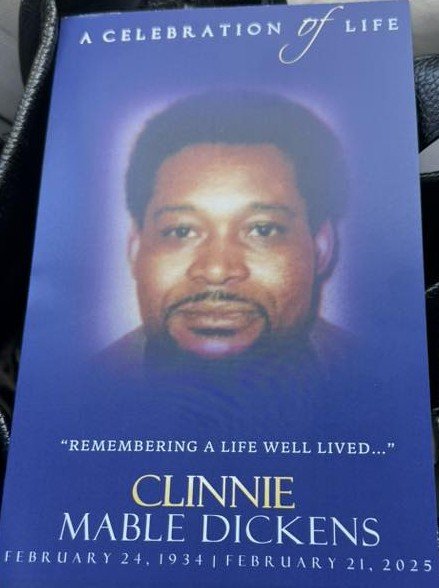
This is Dan’s Cafe, one of the oldest dive bars in D.C. and a 1,200-square-foot piece of Adams Morgan that has been resisting reinvention since 1965. The man who steered it for six decades, Clinnie “Dickie” Dickens, died on February 21, 2025, three days shy of his 91st birthday. The bar is still open. His sons are still pouring.
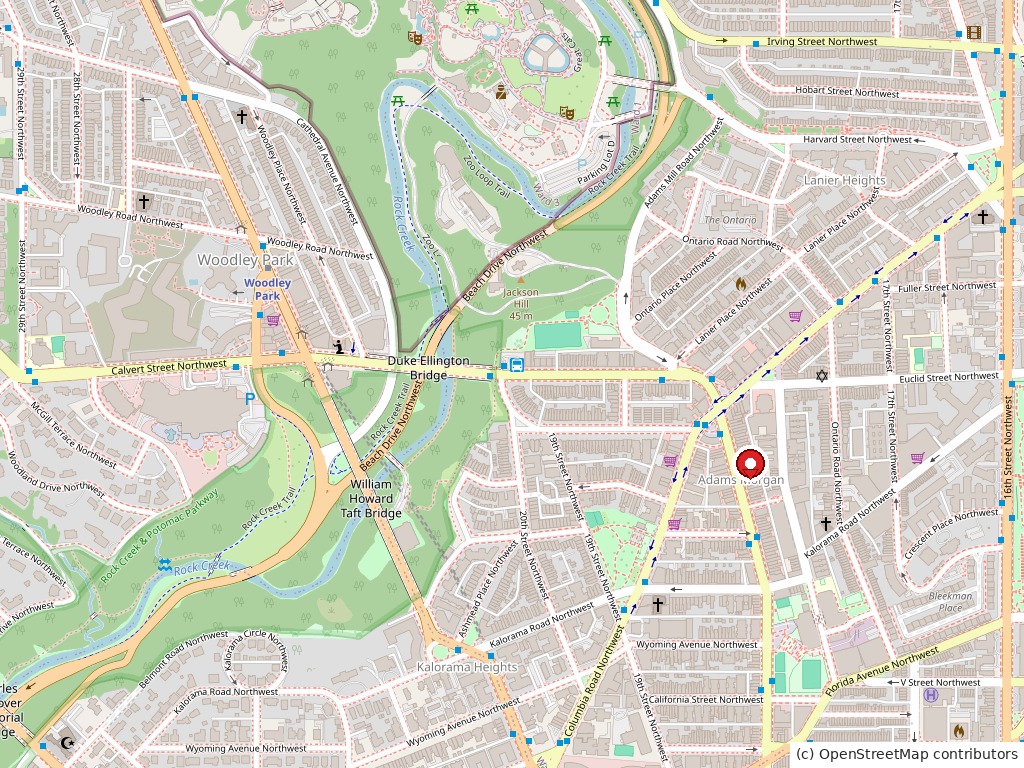
A building older than the neighborhood’s name
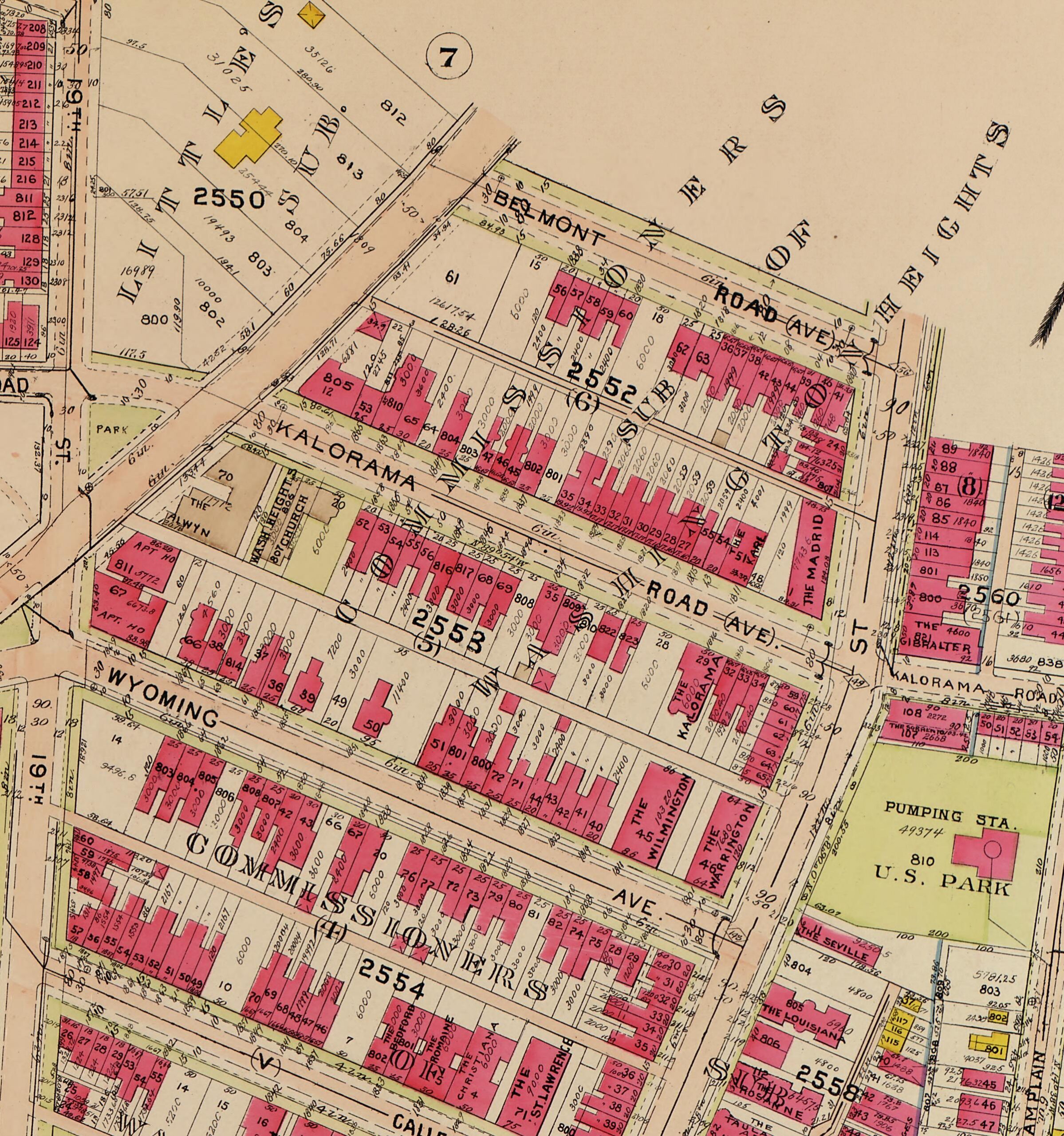
The little one-story brick box at 2315 18th Street went up in 1911, designed by M.T. Vaughn and built by Howard Etchison for Cesar Casanova. It opened as a grocery and stayed that way for nearly thirty years.
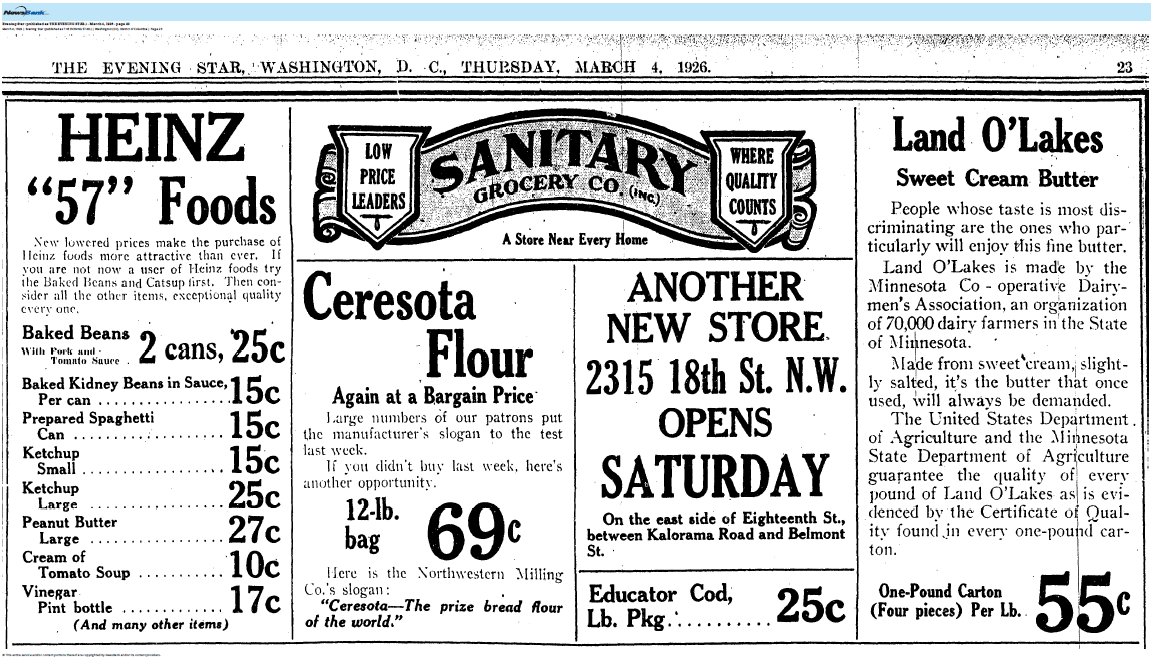
The signs out front changed every few years. Elphonzo Young’s. John Kracke’s. Mid-City Market. Central Market. Then in 1926 the building joined the Sanitary Grocery chain, an East Coast operator that Safeway bought out two years later and folded into its own brand over the next decade.
By December 1939 the grocery era was over and the building was leased as a restaurant for the first time. A short string of operators came and went, names like Mary Gustafson, Hassan Amin, Roxie Shannon, and a place called Charlie’s, one of the first Black-owned restaurants in the neighborhood. Helen Martin started waiting tables there in 1948 as a young woman from California Street, a fact that matters later.
The Subers, 1952 to 1956
In May 1952 John and Bessie Suber bought the building around the corner from their home on Kalorama Road and took over the restaurant inside, eventually renaming it Suber’s. Their four years there ran rough.
On the night of February 23, 1953, three teenagers walked in just past 2 a.m., flashed a .32 revolver, and robbed John of $111. They forced him out into the alley and ordered him to run. He ran. One of them fired anyway, and a bullet ricocheted into his leg. Police caught the three of them early the same morning. Both the Washington Post and the Evening Star ran the story the next day.
Two years later it got worse. On the night of April 8, 1955, a 23-year-old Army Signal Corps veteran named Charles Henry Watson was standing in a booth talking with friends. The Subers’ adult son ordered him to sit down. The two grappled. John Suber walked around from behind the circular bar, raised his own .32, and fired three times. Watson was dead at Garfield Memorial Hospital within minutes.
A jury acquitted Suber of second-degree murder that October but convicted him of manslaughter. On November 10, 1955, District Court Judge James W. Morris cited the older man’s frail health and sentenced him to a $1,000 fine instead of jail time. Suber died three years later. His widow Bessie kept the place going long enough to hand it off.
The original Dan was from Fuzhou
George Amoy Dan, 47, and his wife Lee Joe Pan, 43, took over in 1956 and gave the place the name it still carries. They moved into a house at 1647 Fuller Street NW that spring.
Dan’s story is its own America. He arrived in New York in January 1931 from Fuzhou by way of Singapore, on a tramp steamer called the SS Silver Fir, working under his birth name Bee Lee. He spent the 1930s in a Manhattan apartment with three other Chinese men, working as a cashier at a French bakery in Brooklyn.
The Army drafted him in April 1943 despite the Chinese Exclusion Act, which still banned naturalization. He served stateside for a year and a half. When Congress repealed Exclusion in December 1943, he filed his naturalization petition with five days to spare. He took the oath of allegiance on July 22, 1948, listing his occupation as “saladman,” 5 feet 6 inches, 140 pounds.
Lee Joe joined him from Hong Kong on a flight to San Francisco in October 1949. Seven years later they were in Adams Morgan running a bar that catered mostly to a Black clientele, in a building they would buy from Bessie Suber in June 1960 for about $73,000 in today’s dollars.
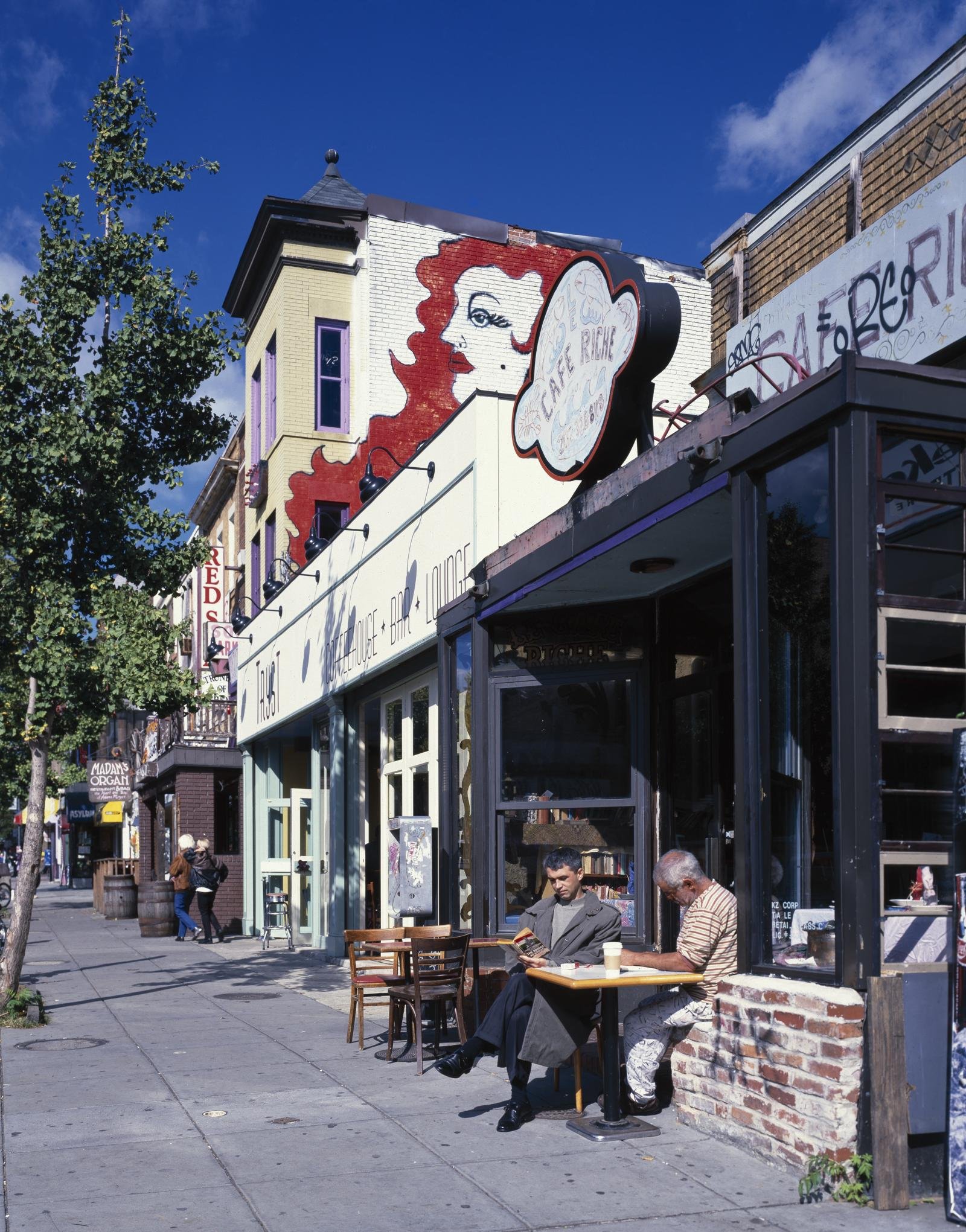
The Dans never owned just the one bar. The long wooden bar inside Dan’s Cafe today, with its cracked tile counter, was hauled over from another of their restaurants, the New Republic Cafe at 7th and N Streets NW. The New Republic survived the 1968 riots and then came down in 1971 to make room for public housing. The tile bar made the trip uptown and is still there.
July 21, 1965: Dickie Dickens takes over
Clinnie Dickens grew up on a tobacco farm in Halifax County, North Carolina, born February 24, 1934. He enlisted in the Army at 18, served in Korea, and came back to the States in 1955 on convalescent leave. He spent that first month in Washington and never really left.
He took a job at the Post Office, then moved on to the Food and Drug Administration and other corners of the old Department of Health, Education, and Welfare. On a night out his brother brought him to a neighborhood spot on 18th Street called Suber’s. Helen Martin was waiting tables. Helen was the same Helen who had worked the building since 1948, who had been engaged to Charles Watson when John Suber shot him in the chest, and who had kept showing up to work afterward.
Dickie and Helen hit it off. She proposed. They married and raised nine children together.
Five months after a federal panel killed an urban-renewal plan that would have demolished most of 18th Street’s east side, including Dan’s, the Dan family sold the business to Dickens. He officially took over on July 21, 1965. He was 31 years old. The deal kept the name.
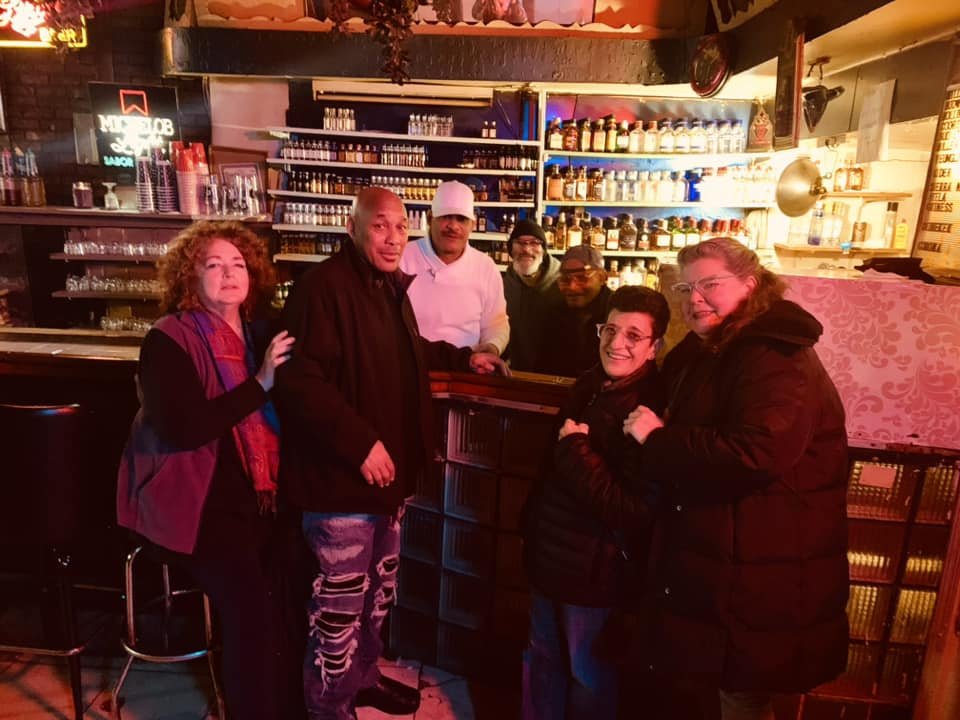
Hearty meals, then 1988 changed everything
For its first two decades under Dickens, Dan’s was a restaurant first. Burgers, steaks, pork chops, seven days a week. The bar was where you waited for your food.
In the early 1980s Dickens installed a pool table, reportedly the first in the neighborhood. A 1987 City Paper item noted that a game cost 50 cents and required signing a clipboard. White customers started turning up for the first time. The pool table is still there. It has been under a blue tarp for years.
The bigger pivot came the next year. In 1988 D.C. overhauled its liquor laws to let bars serve drinks without also serving food. Dickens decided to apply for a tavern license. The neighborhood association and the ANC were pushing food establishments on 18th Street to adhere to stricter rules around grease disposal and waste, and Dickens did the math. He dropped the kitchen. Within a year or two the stove and oven sat unused. They rust there to this day.
Where the squirt bottles came from
The drink-service quirk that made Dan’s a national curiosity has Southern roots. The default order at Dan’s for years was a “set,” what Dickens called a common Southern way to order a drink: a glass of liquor, a can or bottle of mixer, ice, and you do the math yourself. Dickens, who drank beer, ran it that way for decades.
Chilled shots took off in the 1980s, and customers started asking. Pouring them one at a time was a pain. Sometime in the mid to late 1980s, Dickens walked through a discount store and saw a bin of plastic squeeze bottles with openings wide enough to fit ice through. He bought a stack.
That was it. A bartender’s shortcut for SoCo and lime that became, decades later, the thing tourists film on their phones. He laid all of this out under oath at a 2015 ABRA hearing.
For most of the bar’s life, the squirt bottles were a chilled-shot tool only. The shift to today’s $27 half-bottle of booze in a ketchup squeezer, with the $5 deposit so you bring it back, came later. Old regulars still talk about the set, not the squirt.
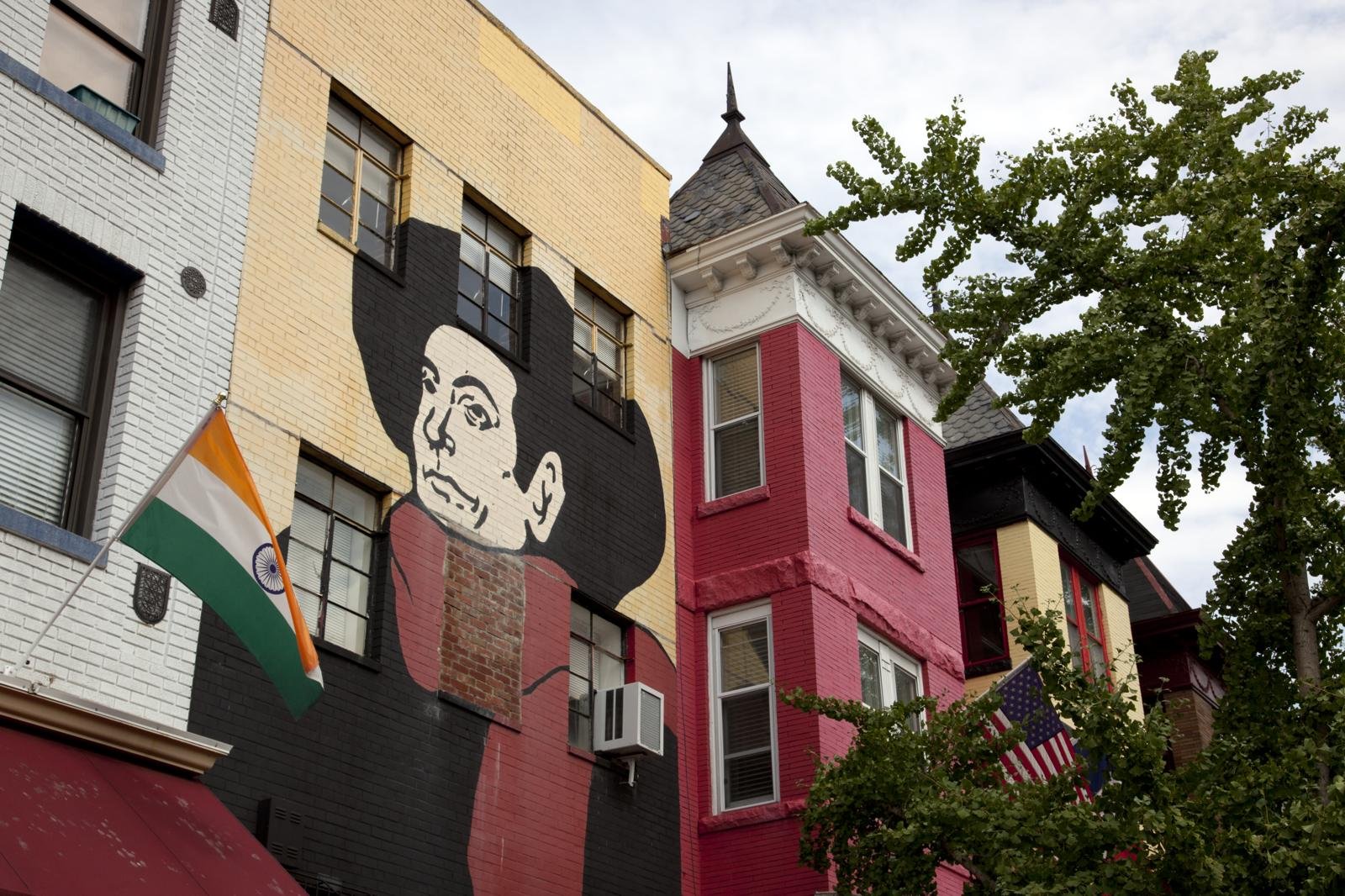
The bar where everybody talked to everybody
Through the 1970s and 80s Adams Morgan was earning its reputation as the most racially and ethnically mixed neighborhood in the city, but the bars on 18th Street were not always integrated in practice. Dan’s was, more than most. The pool table opened the door wider in the 1980s. The clientele has been everyone for a long time now.
Dickens cycled through stories of who came through. A daughter of the British ambassador was a regular. Staff from the French Embassy down on Kalorama showed up after work. Social invitations from the Washington elite arrived for a while. He figured the invites tapered off because he didn’t do cocaine, which he said with no particular regret.
The most famous regulars were the journalists. From late 1989 to early 1995, Washington City Paper editor Jack Shafer ran a Thursday-night gathering at Dan’s that mixed his City Paper writers with reporters from every other DC newsroom. They called it “Dickie’s” in honor of the man behind the bar.
One of the first Thursdays they all ended up there together was January 18, 1990, the night the FBI’s undercover sting at the Vista Hotel led to Mayor Marion Barry’s arrest on cocaine charges. The press corps had been chasing the rumors of a Barry bust for months. The story broke that evening. The reporters wound up at Dan’s, an episode Tom Sherwood and Harry Jaffe later captured in Dream City as a snapshot of a saloon where Black and white Washingtonians drank together when most 18th Street bars still did not.
“I’ve had a good life”
Dickens kept his corner seat at the bar he owned until the end. The Washington City Paper reporter Raman Santra found him in that seat on a Friday night in April 2024, two months past his 90th birthday.
I’ve had a good life. My body may not work as well, but my mind still does.
Clinnie “Dickie” Dickens, April 2024
He died ten months later, on February 21, 2025. The bar opened that weekend.
His sons have kept the door open Friday and Saturday nights, 7 p.m. to 3 a.m. The hours are shorter than they used to be. The wooden bar that came over from the New Republic Cafe in 1971 is still in the corner. The cracked tile is still cracked. The plants are still dusty. The jukebox still plays the music it played in 1979. The squirt bottles still go out the door at $27 with a $5 deposit.
The neighborhood will keep turning over around it. A few doors up the block, 2321 has cycled through the Blue Room, Bourbon, and Death Punch; a little further north, 2327 has spent two decades as Heaven and Hell. Up the avenue toward Belmont, Madam’s Organ still anchors its corner. Two blocks farther north at 2440, Millie and Al’s held its stool for 53 years before closing in 2018. That’s what the rest of 18th Street does. Dan’s Cafe sits inside its windowless 1911 brick box, refusing to.