
The National Zoo started on the National Mall. Not in Rock Creek Park. In a wood-railed paddock behind the Smithsonian Castle, where two American bison grazed in the summer of 1887 while tourists and clerks pressed against the fence to watch.
The man who put them there was William Temple Hornaday, Smithsonian Chief Taxidermist, who had gone west the year before to shoot the last wild buffalo for museum specimens and returned a conservationist.
It started with an inventory.
A Smithsonian Buffalo Hunt in 1886
William T. Hornaday was 32 years old in the spring of 1886 and Chief Taxidermist of the United States National Museum at the Smithsonian Institution, a job he had held since 1882. He had earned a reputation in the 1870s for “life groups,” dramatic taxidermy compositions of animals in natural settings, after expeditions to Florida, Cuba, India, Borneo, and the Malay Peninsula. By the mid-1880s he was preparing the orangutan and tiger groups that anchored the National Museum’s mammal hall.
That spring, Hornaday set out to inventory the National Museum’s American bison holdings and was startled to find barely any usable specimens. His correspondence with western ranchers, hunters, and Army officers turned up a brutal answer to a basic question. Where were the buffalo?
In a Washington Evening Star piece copyrighted 1887, “The Last Buffalo Hunt: Farewell to the Great American Bison,” Hornaday described the moment plainly:
The trouble was, we had lately been so deeply interested in mounting foreign mammals that we had failed to watch the disappearance of the bison, and we had been thinking all along that whenever we wanted a fine lot of buffalo we could get them. Judge then, of our surprise, and even consternation, when my numerous letters of inquiry all, save one, elicited the same response: “The buffalo are all gone, and I cannot tell you where you can find any.”
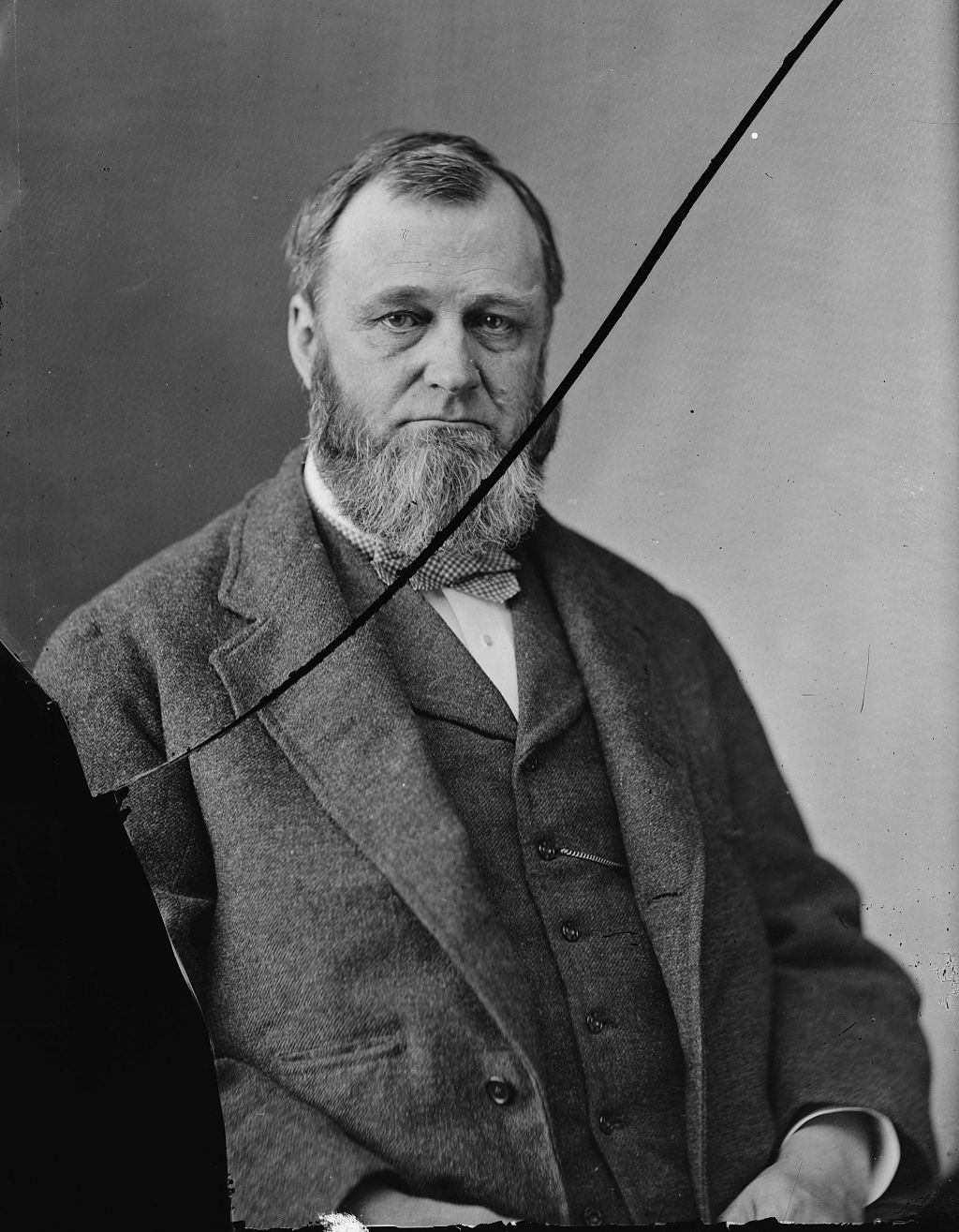
Spencer F. Baird, Secretary of the Smithsonian and the figure who built the National Museum out of an attic-stuffed library, gave the order. He was 63 years old, exhausted, and would die a year later. Hornaday quoted him in the same Evening Star article:
Go at once and search of buffalo, and secure a series of specimens for the National Museum at all hazards.
Hornaday left Washington on May 13, 1886 with George H. Hedley of Medina and his laboratory assistant A. H. Forney. They headed for Miles City, Montana, in the Musselshell River country, where rumors placed the last surviving wild herds. Captain J. C. Merrill of the Army, stationed in the district, had reported buffalo in four localities in the northwest. Miles City was the closest jumping-off point.
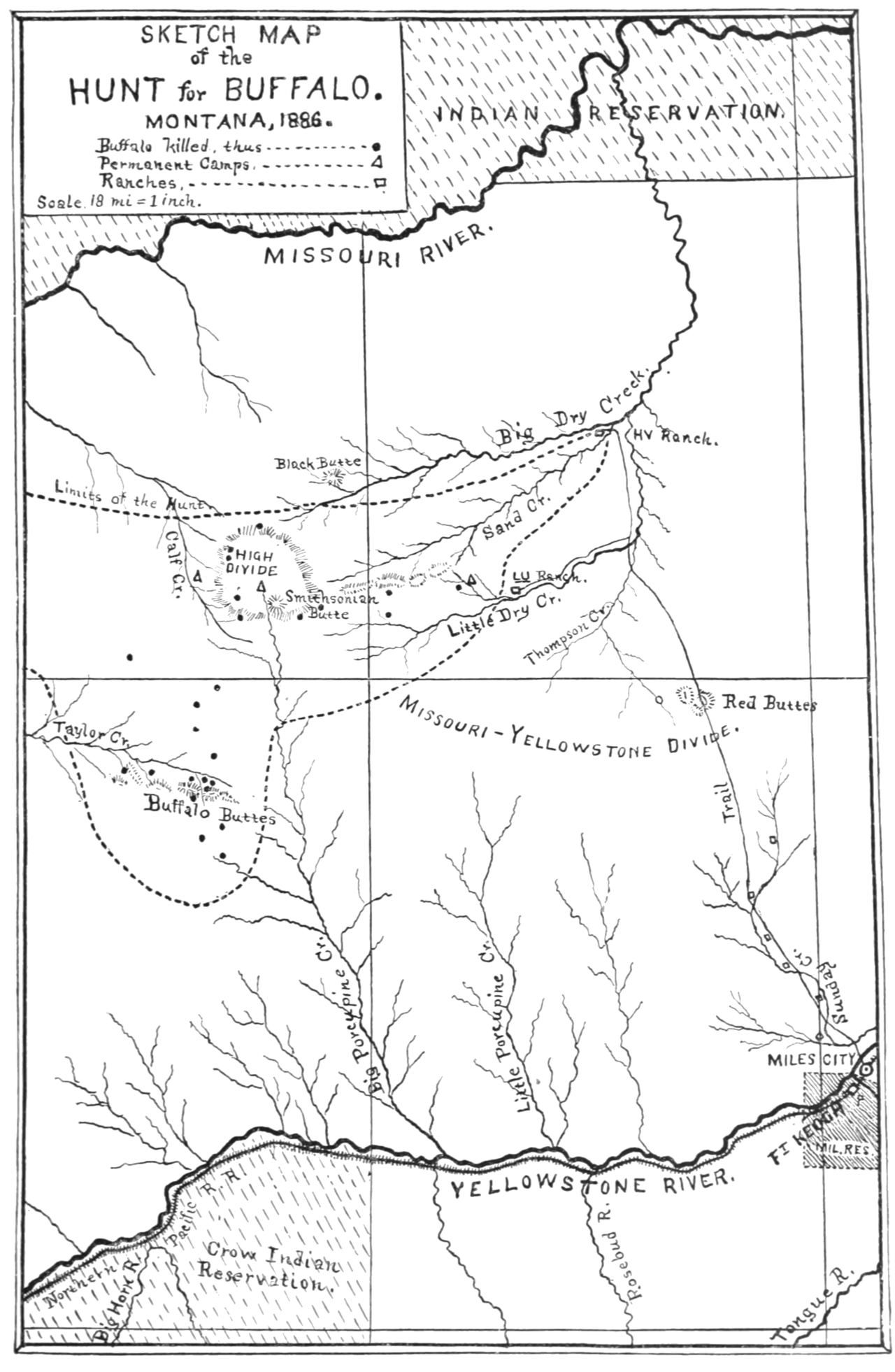
The spring trip was a reconnaissance. The crew found bones everywhere and almost no living animals. Hornaday returned in the autumn of 1886 with a heavier outfit. Three Montana cowboys who knew the breaks. Two soldiers from Fort Keogh on detached duty. W. Harvey Brown of the senior class at Kansas State University as right-hand man. By the time the autumn hunt was over the expedition had collected 25 bison and one live calf.
The Hide Trade Hornaday Saw
What he saw in Montana changed him. Skeletons in every coulee. Skulls picked clean. A landscape of bones that travelers were still gathering and shipping east as bone meal and fertilizer. The hide hunters who had decimated the southern herd in the 1870s had moved to the northern plains in the early 1880s and finished the job. By 1883 the Northern Pacific railroad was hauling out the last commercial loads of buffalo robes.
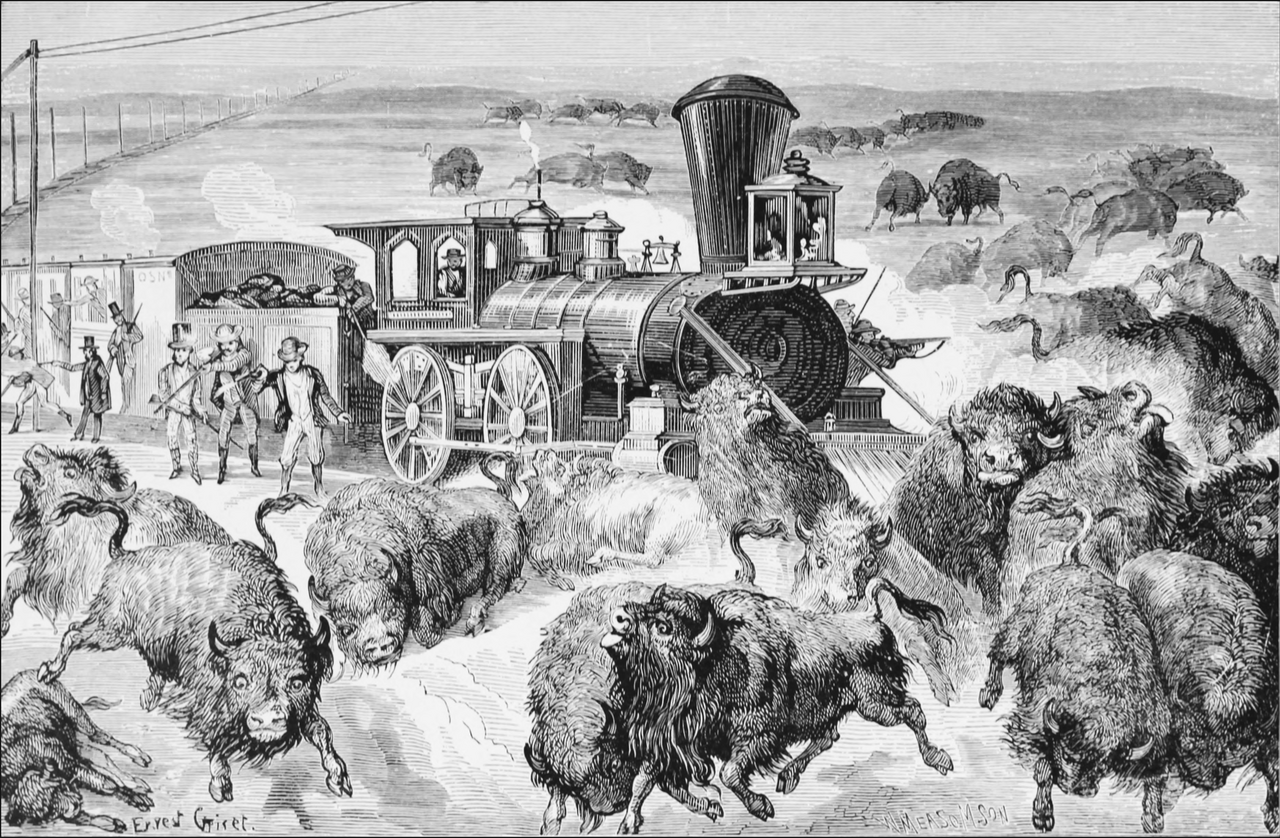
Hornaday wrote in the Evening Star piece, with no varnish:
I am obliged to confess that I have been guilty of taking part in the extermination of the buffalo. Were it at all to my credit I could even boast of having just killed a greater number in proportion to the whole number now alive than any other man in this country except Jim McNancy. Between my three cowboys and I we killed about one-tenth of all the buffalo in the United States outside of protective limits.
He defended the choice on the grounds of museum duty. The cowboys were going to kill anyway, he argued, and the cowboys would leave the carcasses to rot. Better to take the hides and skulls back east and put them on permanent exhibit “in all his magnificence in the mammal hall of the National Museum.” But the case-making is uneasy in the article. He returned to Washington with the dead in crates, the live calf in a pen on the wagon, and the conviction that he was watching the last of a species pass.
Sandy the Calf on the National Mall
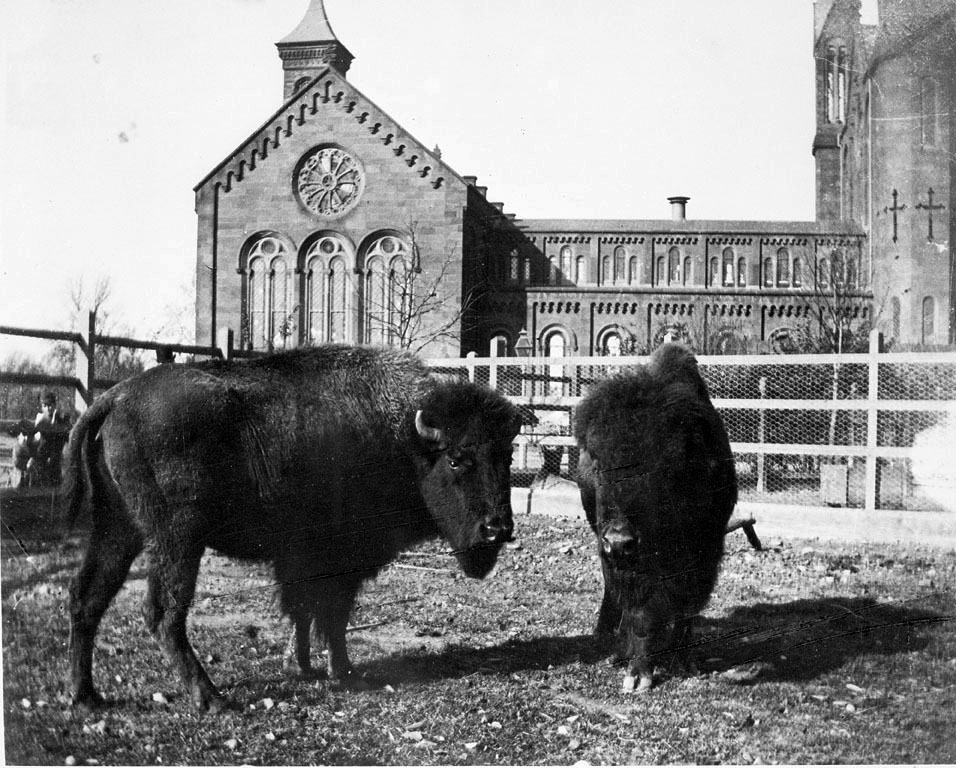
The live calf was a yellowish, skittish thing the crew named Sandy. Hornaday brought him back to Washington and penned him on the lawn of the National Museum, behind the Smithsonian Castle. Through the summer of 1886, Smithsonian visitors stopped at the railing to watch the calf. It was the first bison on the National Mall.
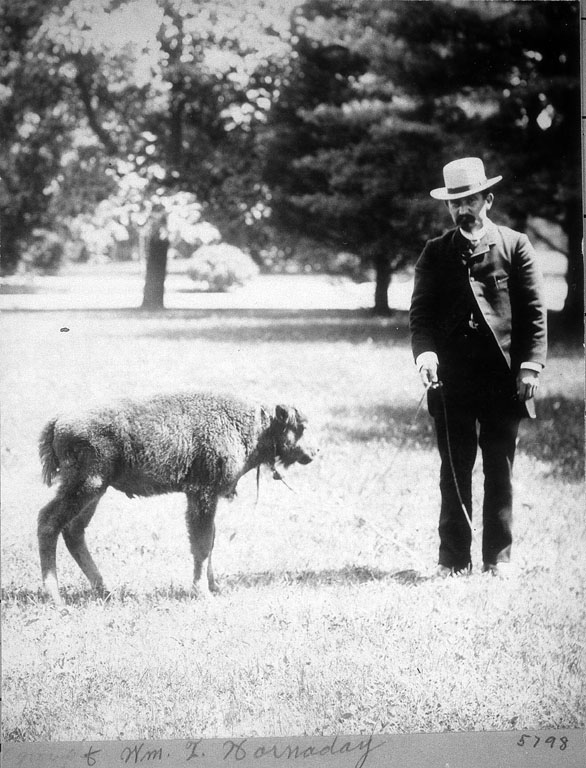
Sandy was a brief tenant. He gained bulk and a temper. His keeper, a man Hornaday only identified as Andrew, had to wrestle him daily. In an 1887 piece for Cosmopolitan, Hornaday quoted Andrew at the fence after one particularly bad afternoon:
Confound your hide! You son of a gun, if I wasn’t so attached to ye, I’d kick the stuffing out o’ ye right now!
A few days later Sandy was dead, probably from eating too much damp clover. Hornaday eventually folded Sandy’s hide into the taxidermy group he was assembling for the museum. The calf sharpened a question Hornaday had been turning over for months. If a single live bison on the Mall pulled a crowd, what would a herd do?
Goode’s Department of Living Animals
The man Hornaday had to convince was George Brown Goode, Director of the U.S. National Museum. Goode was a Wesleyan-trained ichthyologist who effectively ran the museum’s exhibition program under Baird and was about to take over the institution’s day-to-day operation when Baird died in August 1887. He was, by Smithsonian standards, an empire builder.
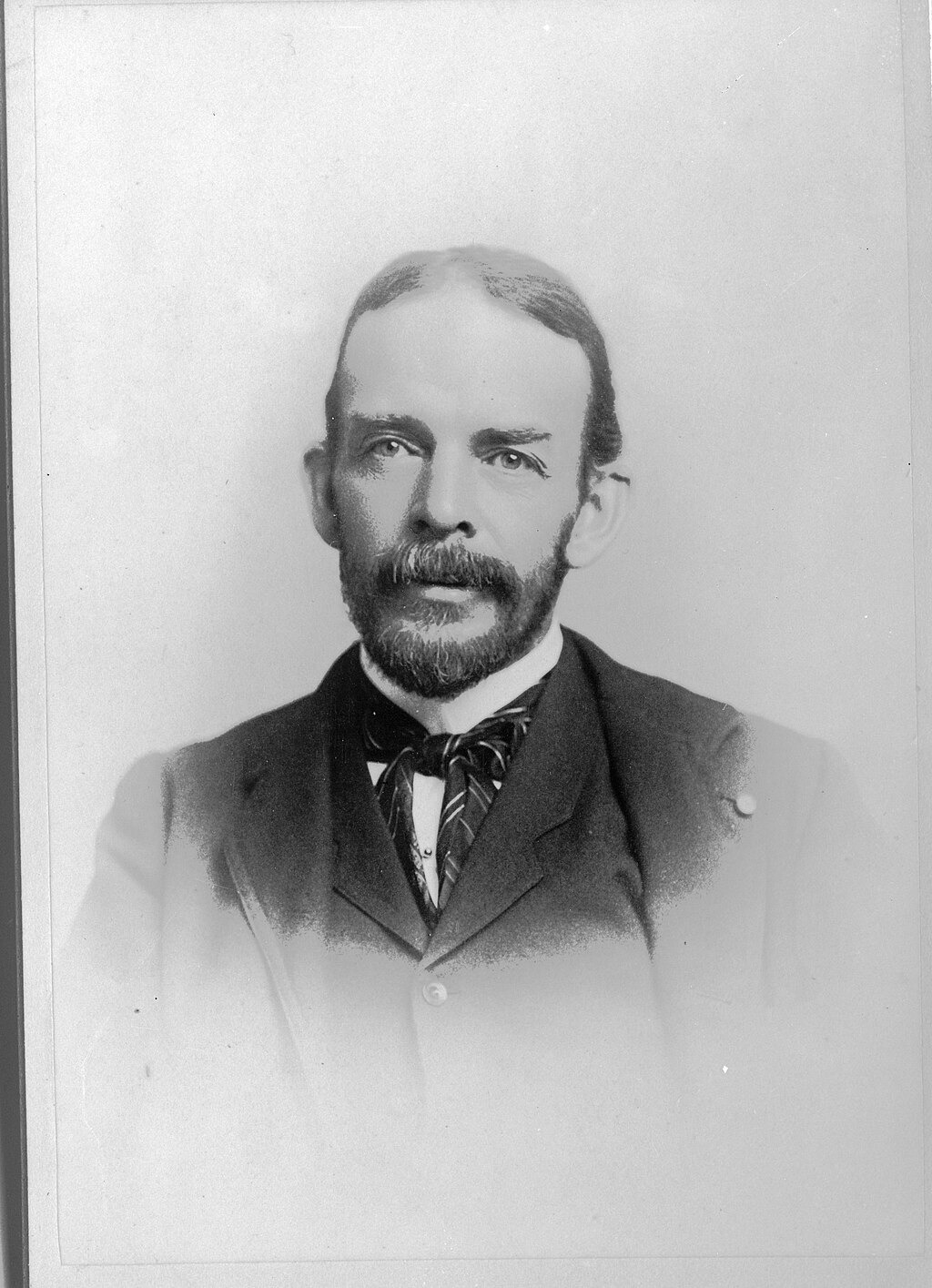
In October 1887, Goode approved Hornaday’s proposal to set up a “Department of Living Animals” at the Smithsonian, on a trial basis, with Hornaday as curator. The official rationale was scientific. Live specimens, the argument went, would help taxidermists improve their mounted exhibits. The actual reason was attention. Sandy on the lawn had proven the case.
A temporary wooden building went up south of the National Museum to house the new department. The first collection went on public display on December 31, 1887. Hornaday wrote in the Smithsonian’s Annual Report:
It immediately became quite popular with the public. Many valuable gifts were offered and accepted. Among the earlier gifts were an unusually large jaguar [from Eagle Pass, Texas] and two black bears [from El Paso, Texas].
By the end of January 1888, the makeshift Mall menagerie held 58 mammals and birds. By April 1888 it held 172 animals, six of them bison. The rough enclosure behind the Castle was the most popular free attraction in Washington. There is more on the building itself in our piece on the enduring legacy of the Smithsonian Castle, and on the institution’s strange origin in why is it named the Smithsonian.
The Buffalo Group, Unveiled March 10, 1888
While the live bison were drawing crowds outside, Hornaday was finishing his masterpiece inside. The Buffalo Group, a 16 foot by 12 foot by 10 foot glass and mahogany case holding six taxidermied bison posed on real Montana grass and Montana dirt, opened to the public on March 10, 1888. Hornaday picked the six animals from his autumn haul: a massive bull, a hefty cow, a smaller cow, a young spike bull, a yearling, and a suckling calf assembled from Sandy’s hide.
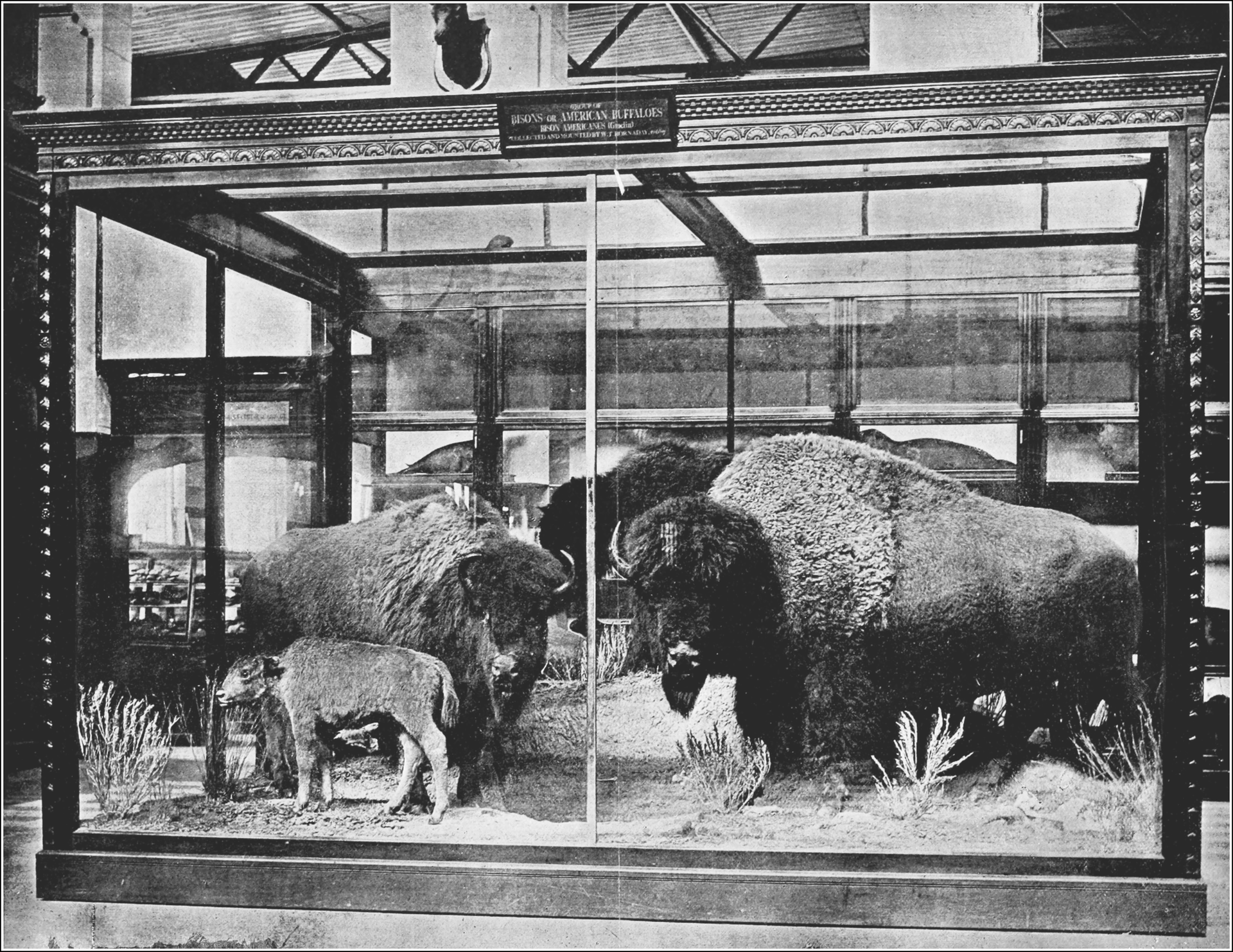
The Washington Star ran the headline across the page: “A scene from Montana. Six of Mr. Hornaday’s Buffaloes form a picturesque group. A bit of the Wild West reproduced at the National Museum. Something novel in the way of taxidermy. Real buffalo-grass, real Montana dirt, and real Buffaloes.” The paper called the bull “the giant of his race, the one believed to be the largest specimen of which there is authentic record.” G. Brown Goode called the exhibit “a triumph of the taxidermist’s art.”
A few days before the opening, on March 7, 1888, Hornaday slipped a handwritten note into a metal box and sealed it inside the case’s base. It was discovered in 1957, when the exhibit was finally dismantled.
My Illustrious Successor, Dear Sir: Enclosed please find a brief and truthful account of the capture of the specimens which compose this group. The Old Bull, the young cow and the yearling calf were killed by yours truly. When I am dust and ashes I beg you to protect these specimens from deterioration and destruction.
W.T. Hornaday, Chief Taxidermist, March 7, 1888
How the National Zoo Started Behind the Castle
By the spring of 1888 the live menagerie had outgrown its wooden shed. Hornaday lobbied anyone who would listen. In his report to the Smithsonian Board of Regents he wrote:
The many hundreds of eager visitors who daily crowd our menagerie building to the point of positive discomfort, and the numerous gifts which come to us unsought, have led Senator J. B. Beck to introduce a bill for “the establishment of a zoological park in the District of Columbia for the advancement of science, and the instruction and recreation of the people.”
Senator James B. Beck of Kentucky put the case directly. “It is the duty of the National Government,” he said, “to secure a herd of American bison, and preserve it under the best conditions.” It was the first time the federal government had been asked to take the species under its care.
Congress agreed. On March 2, 1889, in the closing hours of the lame-duck session, President Grover Cleveland signed the act creating the National Zoological Park, allocating funds to acquire 166 acres along Rock Creek in northwest Washington. Frederick Law Olmsted, the landscape architect of Central Park and the Capitol grounds, consulted on the design. The Smithsonian itself notes that many of his suggestions were ignored on cost grounds. We’ve covered the Rock Creek site, and the long argument over where the new zoo should go, in our piece on the proposed National Zoo in Rock Creek Park.
Hornaday became the founding superintendent. The first building erected on the new grounds, in 1891, was the buffalo and elk barn, which the Smithsonian itself called “a glorified log cabin.” In June 1891 the bison and the rest of the Mall menagerie were trucked up to Rock Creek, ending nearly four years of large mammals grazing within sight of the Capitol dome.
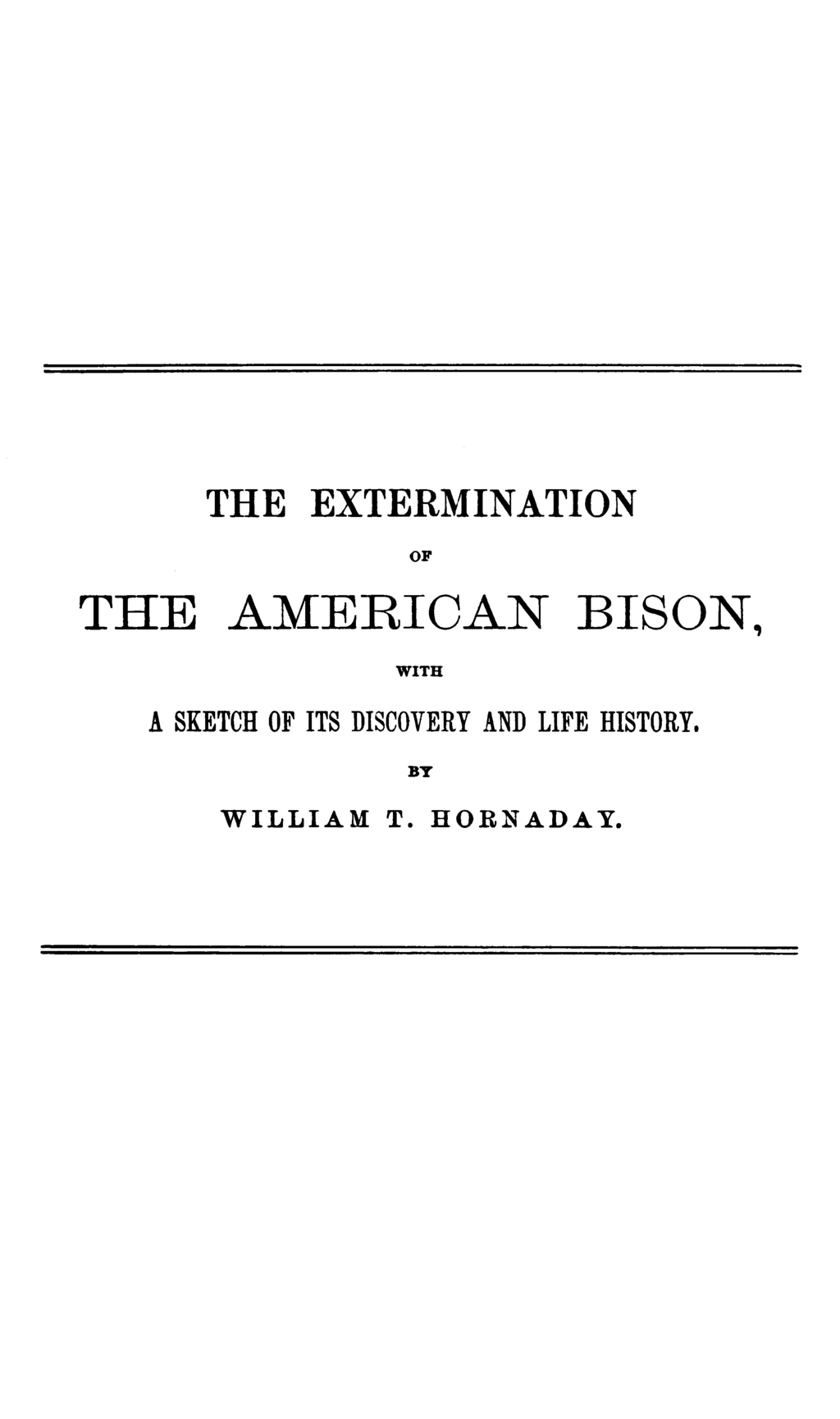
The Extermination of the American Bison, 1889
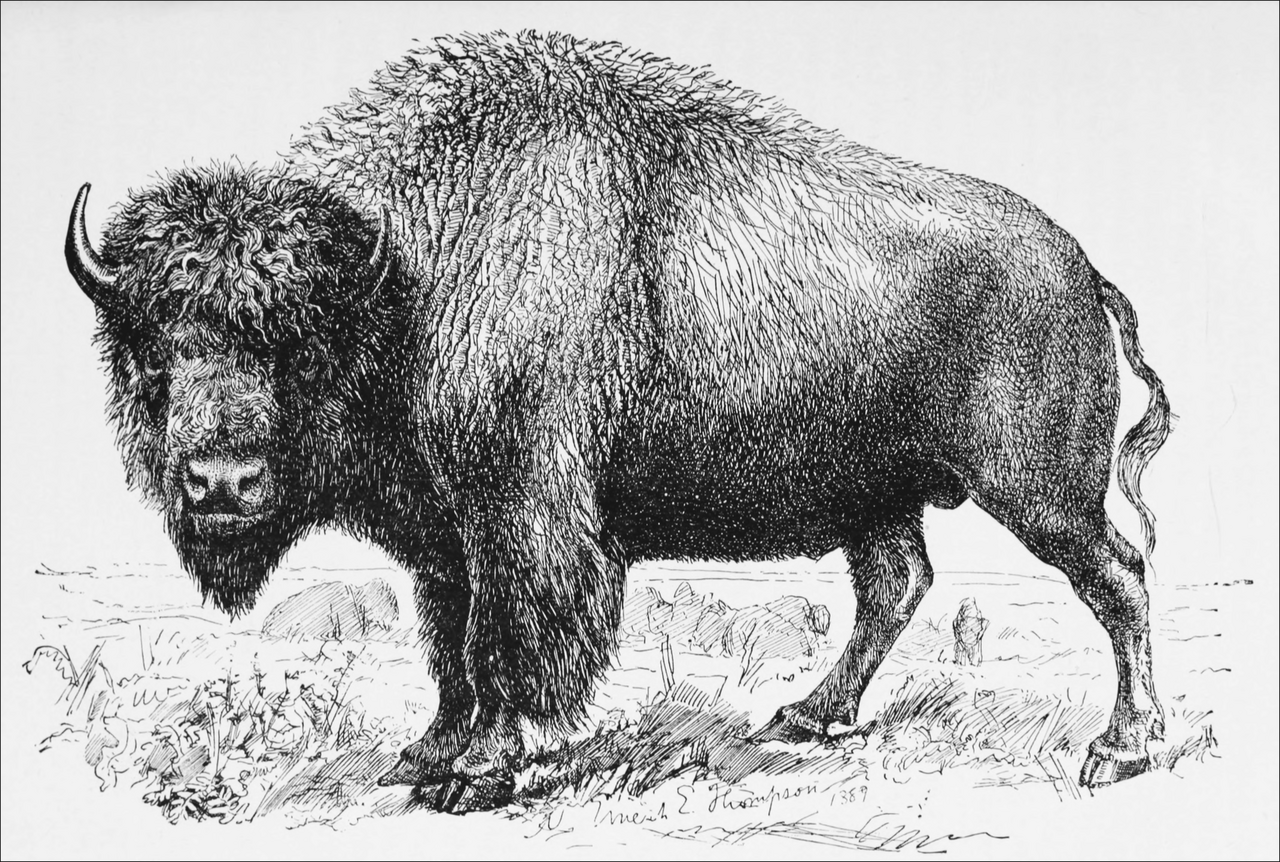
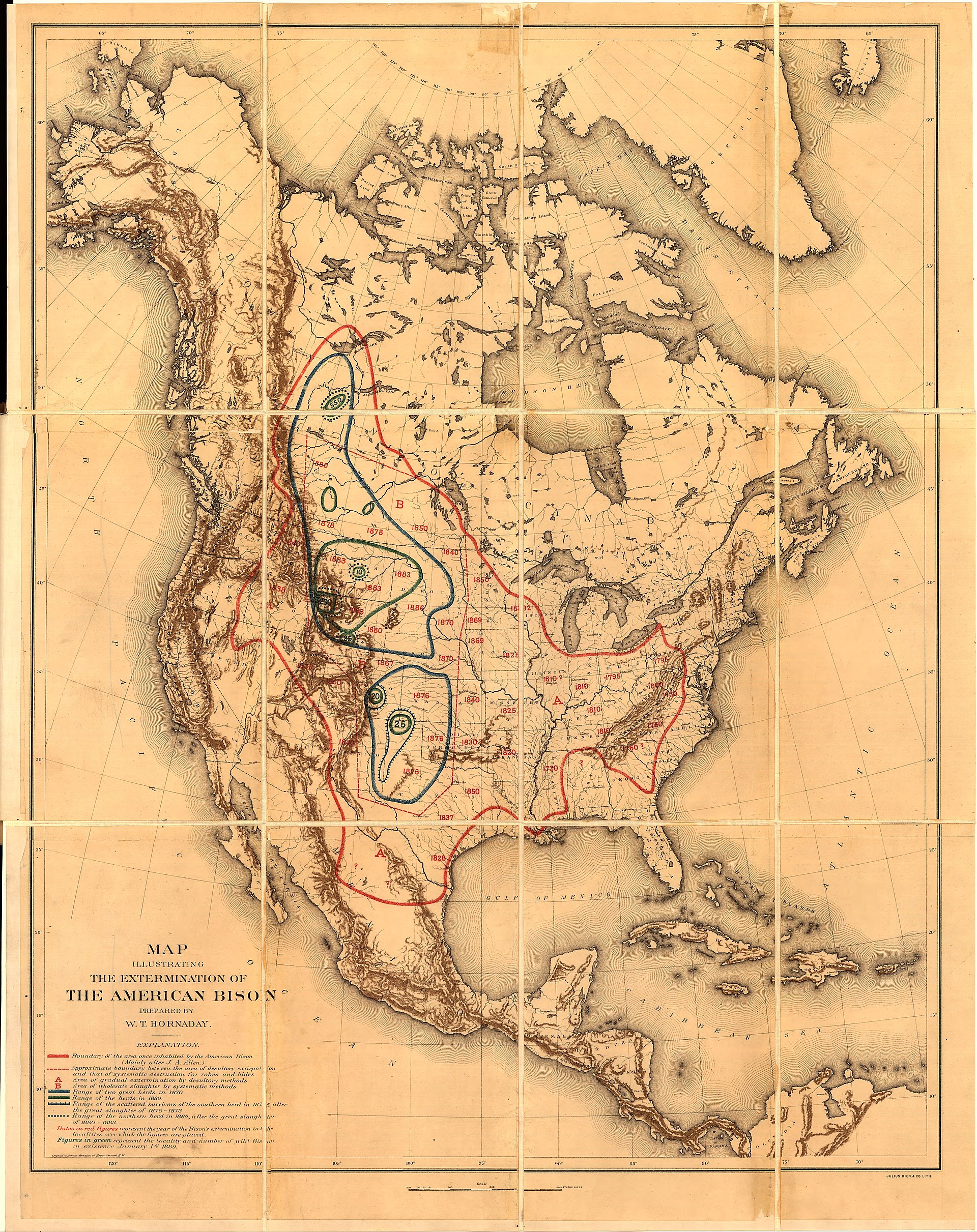
While Washington was getting a zoo, Hornaday was finishing the document that made him famous. “The Extermination of the American Bison” appeared in 1889 as Part 2 of the Smithsonian’s Annual Report for 1887. It ran 179 pages, included plates of the Buffalo Group, the Library of Congress map shown below, and engravings of the slaughter and the chase. It is now considered one of the founding texts of American conservation.
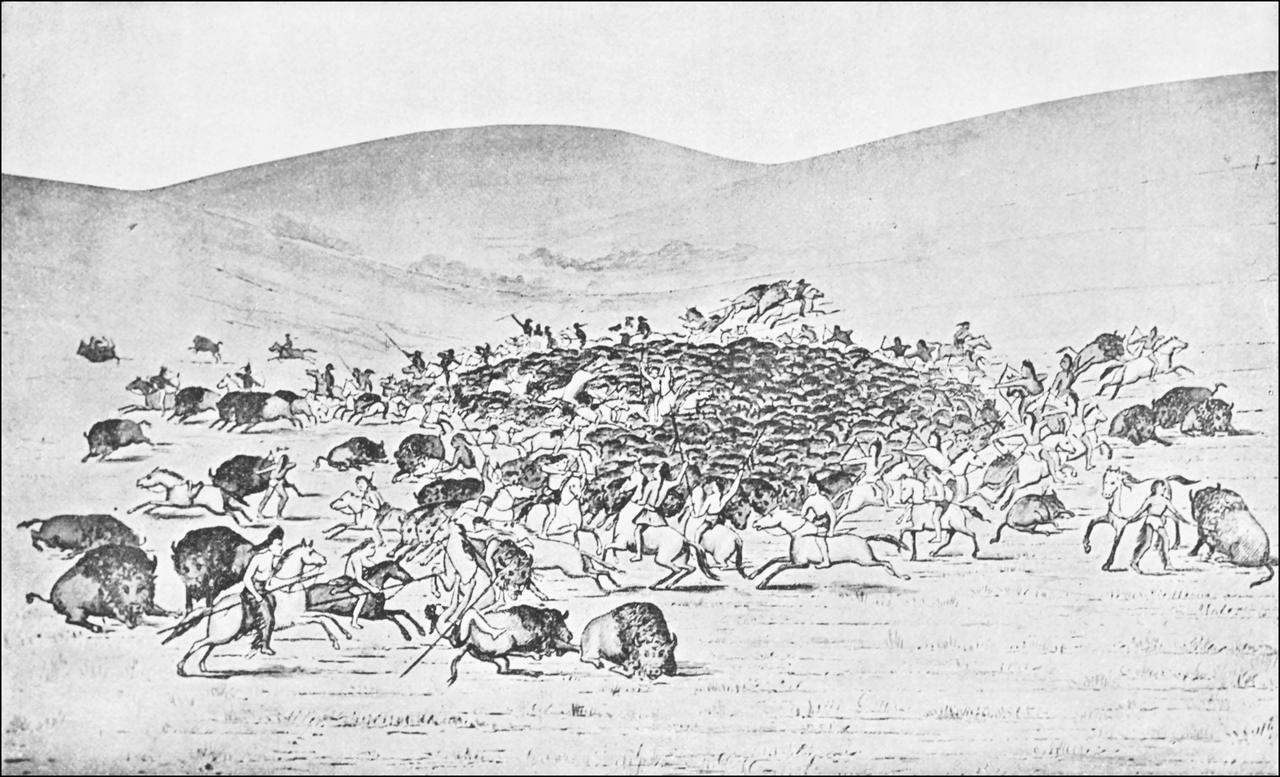
The monograph was structured as part natural history, part autopsy. Hornaday devoted long sections to the bison’s anatomy, behavior, range, and seasonal habits. He devoted longer sections to its destruction. The hide hunters, the railroads, the army’s tacit policy of using slaughter to subdue the Plains nations, the bone trade. He named names. He calculated kill counts. He included period engravings of the buffalo runner, the surround, and the still-hunt.
His census tallied just over 1,000 American bison alive on the continent. Only 85 were free-ranging in the wild. Another 200 were in Yellowstone under federal protection. 550 were near Great Slave Lake in Canada. 256 were in zoos and private herds. From tens of millions a century earlier, the species was down to four digits. The map he made for the report, now at the Library of Congress, charts the contraction in five stages, from a continental range to a handful of fragments by 1889.
The preface stated the situation in language that stopped the country cold:
The wild buffalo is practically gone forever, and in a few more years, when the whitened bones of the last bleaching skeleton shall have been picked up and shipped East for commercial uses, nothing will remain of him save his old well-worn trails along the water-courses, a few museum specimens, and regret for his fate.
William T. Hornaday, preface to The Extermination of the American Bison, 1889
After the Bison Left the Mall
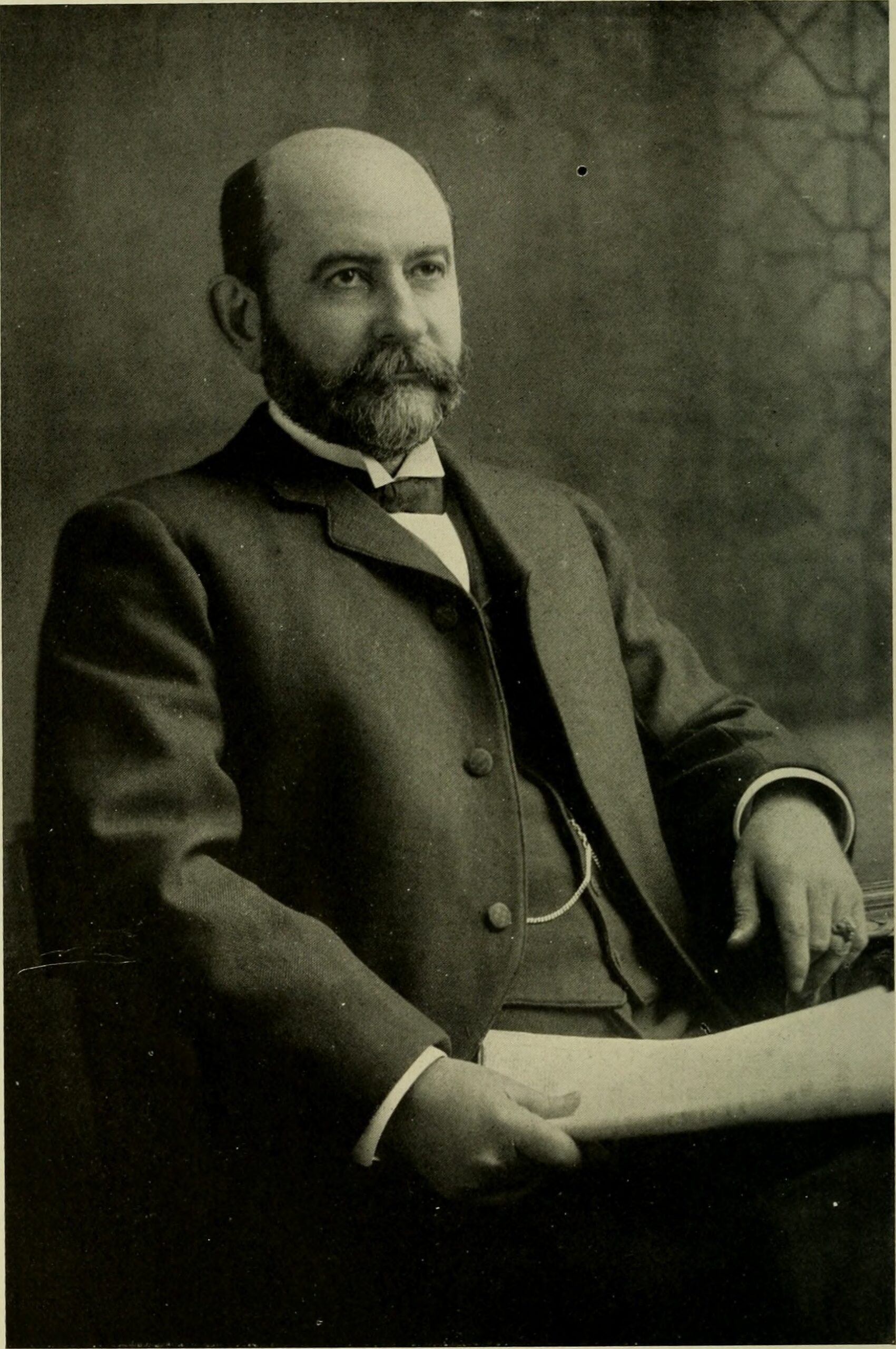
Hornaday clashed with Smithsonian Secretary Samuel P. Langley, Baird’s successor, over the new zoo’s direction and resigned in June 1890. He spent six years out of zoo work, then in 1896 took over the New York Zoological Society’s new Bronx Zoo as its founding director. He stayed for thirty years. By 1903 he had built up a Bronx herd of 40 bison.
In 1905, with Theodore Roosevelt and a circle of New York conservationists, he co-founded the American Bison Society. The Society pushed Congress to create federal bison ranges out of public land, and in 1907 the Bronx Zoo shipped fifteen bison to the new Wichita Mountains National Forest preserve in Oklahoma. Photographs from the day, including one Hornaday himself stood in for at the New York Zoological Park, are at the Library of Congress. The first reintroduced herd was the descendants of his Mall menagerie, sent west.
The Buffalo Group itself stayed on display at the Smithsonian until 1957. When curators dismantled the case to make room for a modern diorama, they found the metal box and Hornaday’s note. They moved the six original specimens to the basement, then in 1958 shipped them to Missoula. After two decades of travel and dispersal, all six were tracked down and reunited at the Museum of the Northern Great Plains in Fort Benton, Montana, in 1996. The bull, the cows, the spike bull, the yearling, and Sandy stand together again on a single platform.
Two live bison, Wilma and Zora, returned to the National Zoo in 2014 for the zoo’s 125th anniversary, near the spot where Hornaday’s herd had opened the place in 1891. For more period context, see our tour of the National Zoo’s historical Rock Creek entrance and the 1886 panorama of D.C. shot from the Smithsonian Castle, the same year Sandy was grazing on the lawn below.
The Castle’s south yard is now lawn running toward the Hirshhorn. Buses idle on Jefferson Drive. Children spill onto the grass between school groups. There is no historical marker for the paddock that started it all.
The first National Zoo wasn’t in Rock Creek. It was on the Mall.
Some of our stories are researched and written with help from AI, and checked by a person before they run. Here’s how we use AI.